
Melvyn Heyes
LCSW-C, LCSWMaryland · 16 yrs exp
Licensed Clinical Social Worker - Anxiety and Relationships
Stress, Anxiety · Relationship · Trauma and abuse · Career · +2 more
Read profileTherapist listings are provided by BetterHelp. We will earn a commission at no additional cost to you if you use our links to purchase.
Welcome to our Maryland directory of online therapists who hold the Licensed Clinical Social Worker (LCSW) credential. All listed therapists are licensed; explore profiles to learn about their focus areas, approaches, languages, and professional experience.
Maryland · 16 yrs exp
Licensed Clinical Social Worker - Anxiety and Relationships
Stress, Anxiety · Relationship · Trauma and abuse · Career · +2 more
Read profile
Maryland · 3 yrs exp
Licensed Clinical Social Worker - Anxiety and Relationships
Stress, Anxiety · Relationship · Family · Eating · +1 more
Read profile
Maryland · 7 yrs exp
Licensed clinical social worker - trauma and anxiety
Stress, Anxiety · Family · Trauma and abuse · Parenting · +9 more
Read profile
Maryland · 10 yrs exp
Licensed Clinical Social Worker - stress and relationships
Stress, Anxiety · Addictions · LGBT · Grief · +12 more
Read profile
Maryland · 11 yrs exp
Licensed Clinical Social Worker - Mood and Behavior
Stress, Anxiety · Trauma and abuse · Bipolar · Depression · +2 more
Read profile
Maryland · 3 yrs exp
Licensed Clinical Social Worker - stress and anxiety
Stress, Anxiety · Grief · Parenting · Coping with life changes · +8 more
Read profile
Maryland · 6 yrs exp
Licensed social worker - Trauma and anxiety
Stress, Anxiety · Trauma and abuse · Anger · Self esteem · +10 more
Read profile
Maryland · 9 yrs exp
Licensed Clinical Social Worker - Trauma and mood concerns
Trauma and abuse · Grief · Self esteem · Career · +8 more
Read profile
Maryland · 27 yrs exp
Licensed Clinical Social Worker - relationships and stress
Stress, Anxiety · Relationship · Family · Anger · +5 more
Read profile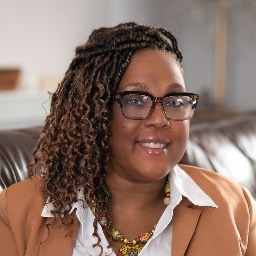
Maryland · 20 yrs exp
Shauna Figueroa, LCSW - Relationships and Trauma
Stress, Anxiety · Trauma and abuse · Self esteem · Depression · +13 more
Read profile
Maryland · 20 yrs exp
Licensed social worker - trauma and life change
Stress, Anxiety · Trauma and abuse · Grief · Depression · +11 more
Read profile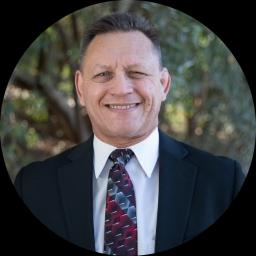
Maryland · 30 yrs exp
Licensed social worker - mood and stress
Stress, Anxiety · Anger · Self esteem · Career · +12 more
Read profile
Maryland · 15 yrs exp
Licensed Clinical Social Worker - Identity and Anxiety
Stress, Anxiety · LGBT · Parenting · Self esteem · +10 more
Read profile
Maryland · 8 yrs exp
Licensed clinical social worker - Coaching and ADHD support
Parenting · Self esteem · Coping with life changes · Coaching · +1 more
Read profile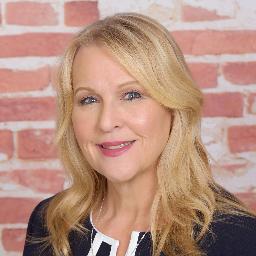
Maryland · 16 yrs exp
Licensed Clinical Social Worker - Stress and Trauma
Stress, Anxiety · Relationship · Trauma and abuse · Depression · +1 more
Read profile
Maryland · 5 yrs exp
Licensed Clinical Social Worker - Stress and Anxiety
Stress, Anxiety · Addictions · Grief · Career · +1 more
Read profile
Maryland · 30 yrs exp
Licensed clinical social worker - Trauma and mood concerns
Stress, Anxiety · Trauma and abuse · Grief · Anger · +1 more
Read profile
Maryland · 14 yrs exp
Licensed clinical social worker - stress and anxiety
Stress, Anxiety · Trauma and abuse · Self esteem · Depression · +1 more
Read profile
Maryland · 6 yrs exp
Licensed Clinical Social Worker - Stress and Relationships
Stress, Anxiety · Relationship · Self esteem · Depression · +1 more
Read profile
Maryland · 23 yrs exp
Aviva Kovacs, LCSW - Stress and Trauma
Stress, Anxiety · Relationship · Trauma and abuse · Self esteem · +1 more
Read profile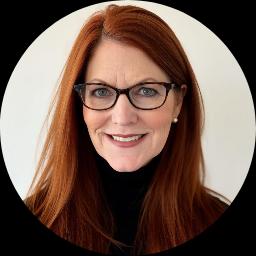
Maryland · 30 yrs exp
Licensed clinical social worker - addictions and mood issues
Stress, Anxiety · Addictions · Anger · Self esteem · +1 more
Read profile
Maryland · 20 yrs exp
Licensed clinical social worker - family and trauma
Stress, Anxiety · Family · Trauma and abuse · Self esteem · +1 more
Read profileIf you are looking for online therapy with an LCSW in Maryland, it helps to know what that credential represents and how online practice fits within state rules. An LCSW holds a master’s degree in social work, has completed a period of supervised post-graduate clinical experience - commonly two to three years and several thousand hours depending on state requirements - and has passed a clinical licensing examination. The license is issued and renewed by the state board that oversees social work in Maryland, and the title indicates that the practitioner meets the state’s standards for clinical practice.
Online practice has become a common way for licensed clinical social workers to meet people where they are. Laws and regulations set by the Maryland licensing board determine how and when clinicians may provide services remotely, and individual practitioners follow those rules. When you read profiles in this directory you’ll see that each clinician lists their LCSW credential along with notes about the populations they work with, the languages they speak, and the approaches they commonly use.
A distinctive aspect of social work training is the person-in-environment perspective. That means an LCSW looks at your circumstances - housing, work, family, money, community, and access to care - alongside your internal experience. If your concerns are tied to practical problems such as housing stress, family caregiving, workplace pressures, or community resources, an LCSW often brings that wider lens into their clinical work. When you choose online therapy with an LCSW, you may find that this broader view shapes the questions they ask and the supports they suggest.
Online therapy can offer practical advantages that fit many lifestyles and geographic situations. If you live in a rural part of Maryland, travel to an office may be difficult; online sessions reduce commute time and can make it easier to keep appointments around work or family responsibilities. If mobility, caregiving, or work hours make in-person visits challenging, remote sessions can provide continuity of care without the logistical hurdles of travel and parking.
Beyond convenience, online therapy often increases the pool of clinicians you can consider. You are not limited to those working within a short driving distance, so you can review profiles of licensed clinical social workers across the state and find professionals who list expertise with the issues you want to address and languages you prefer. Technology matters, so consider your comfort with video platforms, phone sessions, or other tools. Choose a setting in your home or another place where you can speak freely and be comfortable, and test the connection ahead of your first appointment to reduce technical interruptions.
Insurance coverage and fee arrangements vary. Some LCSWs list whether they accept particular insurers or offer a sliding scale, and those details are often included in profile information. You may want to confirm how billing is handled, whether sessions are invoiced directly, and whether you will receive receipts for out-of-network reimbursement. These are practical questions to address as you prepare to begin online work with a clinician who holds an LCSW.
Licensed clinical social workers provide clinical services for a wide range of concerns. Online sessions with an LCSW can address mood-related conditions such as depression and anxiety, life transitions like divorce or relocation, stress related to caregiving, workplace or academic pressures, and challenges connected to trauma. Many LCSWs also work with relationship difficulties, parenting concerns, and grief. Because social work training emphasizes the person-in-environment perspective, these clinicians often consider external stresses such as housing instability, financial strain, or access to community resources as part of the clinical picture.
When you look at profiles you will see clinicians describe the kinds of issues they frequently work with and the approaches they commonly use. Therapists may list cognitive behavioral approaches, psychodynamic perspectives, trauma-informed care, or may note that they include techniques such as EMDR among their approaches. Remember that a listing of an approach indicates that a clinician uses that language to describe their practice, not a certification or guaranteed outcome. You can use profile details to identify which clinicians emphasize the concerns that matter most to you and who describe experience working with populations you identify with.
Verifying an LCSW license is a straightforward step that helps you confirm a clinician’s credentials. The Maryland Board of Social Work Examiners maintains a public license lookup where you can search by name or license number to confirm that someone holds an active Licensed Clinical Social Worker credential. The lookup typically displays the license status, issue and expiration dates, and whether any disciplinary actions are recorded. If you have questions about what you find, the board’s contact information is available for further inquiry.
When you view a profile in this directory, you will usually see the license title and sometimes the license number. Use that information to cross-check with the state board record. Keep in mind that licensure confirms education and completion of required supervised clinical experience and examination at the time of licensing, and the exact scope of practice can vary by state rules. If a clinician practices across state lines, ask how they handle state jurisdiction and licensure requirements for telehealth services.
In addition to active or inactive status, the public record may show the license’s expiration date and any formal actions. These are administrative facts that help you understand the regulatory standing of the clinician. The board record does not provide personal endorsements or a measure of clinical fit, which you will assess through reading profiles and initial conversations with clinicians.
Beginning online therapy with an LCSW is a practical process that starts with clarifying your goals and preferences. Think about the issues you want to address and what kind of support you prefer - for example, short-term problem solving, longer-term work on mood and relationships, or help navigating social services and community resources. Review profiles to see how clinicians describe their focus areas, the populations they work with, the languages they speak, and the approaches they list. Compare focus areas, approaches, credentials, languages, and experience to find profiles that align with your needs.
Preparing a short list of questions can help you make an informed choice. You may want to ask how the clinician typically structures sessions, whether they have experience with situations similar to yours, and how they integrate attention to environmental factors like housing or work stress into clinical work. It is reasonable to inquire about session length, typical frequency, and how they handle cancellations and billing. If insurance or cost is a concern, ask about billing practices and whether the clinician provides documentation for reimbursement.
Fit matters and can include interpersonal style, cultural background, and practical logistics. Consider whether you prefer a clinician who shares your cultural or language background, or one who emphasizes particular populations or life stages in their profile. Reading a clinician’s description of their approach and populations served can give you a sense of whether their practice aligns with your expectations. Many people find it helpful to take an initial conversation as a chance to assess rapport and to see whether the clinician’s way of working resonates with you.
Once you have identified a clinician whose profile matches your priorities, reach out using the contact method provided on their profile. Prepare to describe briefly what you hope to address and ask any practical questions about session logistics, fees, and documentation. Taking these preparatory steps will help you begin online therapy with an LCSW in Maryland in a way that reflects both your clinical goals and your practical needs.
Online therapy with a licensed clinical social worker offers a pathway to clinical care that integrates attention to your internal life and the environmental factors that shape it. By understanding the credential, verifying licensure through the Maryland board, and using profile details to match focus areas and experience, you can take informed steps toward finding an online LCSW whose practice fits your needs.
Addictions
2304 therapists
ADHD
1905 therapists
Anger
2772 therapists
Bipolar
1941 therapists
Chronic Illness
1303 therapists
Control Issues
2210 therapists
Depression
5181 therapists
Domestic Violence
1366 therapists
Grief
3610 therapists
Guilt and Shame
3705 therapists
Isolation / Loneliness
3581 therapists
Midlife Crisis
1808 therapists
Mood Disorders
2723 therapists
Panic Disorder and Panic Attacks
2261 therapists
Post-Traumatic Stress
2956 therapists
Self Esteem
4971 therapists
Social Anxiety and Phobia
3197 therapists
Stress & Anxiety
5847 therapists
Trauma and Abuse
4050 therapists
Abandonment
2048 therapists
Aging and Geriatric Issues
1666 therapists
Attachment Issues
2324 therapists
Blended Family Issues
1549 therapists
Career
2487 therapists
Caregiver Issues and Stress
2913 therapists
Codependency
1905 therapists
Communication Problems
4240 therapists
Compassion Fatigue
2340 therapists
Coping with Life Changes
4536 therapists
Divorce
2432 therapists
Family
3427 therapists
Family of Origin Issues
1530 therapists
Forgiveness
3312 therapists
Life Purpose
3795 therapists
Money and Financial Issues
1263 therapists
Parenting
2720 therapists
Relationship
4223 therapists
Self-Love
3931 therapists
Workplace Issues
2550 therapists