
Velma Jones
LCSWNew York · 29 yrs exp
Licensed Clinical Social Worker - Relationships and Mood
Stress, Anxiety · Relationship · Trauma and abuse · Depression · +10 more
Read profileTherapist listings are provided by BetterHelp. We will earn a commission at no additional cost to you if you use our links to purchase.
This page lists Licensed Clinical Social Workers who work with self-esteem concerns and related life challenges. Browse the profiles below to review credentials, languages, focus areas, and therapeutic approaches.
New York · 29 yrs exp
Licensed Clinical Social Worker - Relationships and Mood
Stress, Anxiety · Relationship · Trauma and abuse · Depression · +10 more
Read profile
Florida · 14 yrs exp
Florida LCSW - Stress and Relationship Support
Stress, Anxiety · Grief · Anger · Self esteem · +12 more
Read profile
Illinois · 17 yrs exp
Licensed clinical social worker - trauma and life transitions
Trauma and abuse · Coping with life changes · Stress, Anxiety · Relationship · +9 more
Read profile
Colorado · 19 yrs exp
Licensed Clinical Social Worker - Stress and Relationships
Stress, Anxiety · Relationship · Trauma and abuse · Grief · +12 more
Read profile
Texas · 13 yrs exp
Licensed Clinical Social Worker - Stress and Relationship support
Stress, Anxiety · Relationship · Trauma and abuse · Anger · +11 more
Read profile
Hawaii · 16 yrs exp
Licensed clinical social worker - mood and stress support
Stress, Anxiety · Grief · Self esteem · Depression · +5 more
Read profile
New Jersey · 15 yrs exp
Licensed Clinical Social Worker - Stress and Family
Stress, Anxiety · Family · Trauma and abuse · Parenting · +10 more
Read profile
New York · 24 yrs exp
Licensed Clinical Social Worker - Anxiety and Depression
Stress, Anxiety · Relationship · Anger · Self esteem · +12 more
Read profile
Illinois · 20 yrs exp
Licensed Clinical Social Worker - Stress and Relationships
Stress, Anxiety · Relationship · Parenting · Self esteem · +7 more
Read profile
Missouri · 36 yrs exp
Licensed Clinical Social Worker - Mood and Trauma
Stress, Anxiety · Relationship · Trauma and abuse · Intimacy-related issues · +15 more
Read profile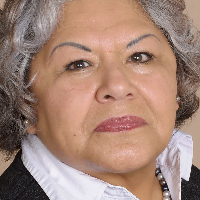
Nevada · 3 yrs exp
Licensed clinical social worker - anxiety and relationships
Stress, Anxiety · Relationship · Family · Trauma and abuse · +11 more
Read profile
Missouri · 16 yrs exp
Licensed clinical social worker - mood and trauma support
Stress, Anxiety · Trauma and abuse · Self esteem · Bipolar · +12 more
Read profile
North Carolina · 10 yrs exp
Licensed Clinical Social Worker - Anxiety and Relationships
Stress, Anxiety · Relationship · Family · Bipolar · +16 more
Read profile
New York · 35 yrs exp
Licensed Clinical Social Worker - stress and relationships
Stress, Anxiety · Self esteem · Career · ADHD · +10 more
Read profile
North Carolina · 13 yrs exp
Licensed Clinical Social Worker - Stress and Relationships
Stress, Anxiety · Relationship · Family · Self esteem · +13 more
Read profile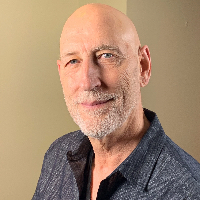
Florida · 11 yrs exp
Licensed Clinical Social Worker - addiction and mood concerns
Addictions · Relationship · Self esteem · Depression · +9 more
Read profile
New Jersey · 10 yrs exp
Licensed Clinical Social Worker - Anxiety and Trauma
Stress, Anxiety · Family · Trauma and abuse · Self esteem · +3 more
Read profile
California · 14 yrs exp
Licensed Clinical Social Worker - trauma and life transitions
Stress, Anxiety · Trauma and abuse · Grief · Self esteem · +8 more
Read profile
New York · 25 yrs exp
Licensed Clinical Social Worker - stress and trauma
Stress, Anxiety · Trauma and abuse · Self esteem · Depression · +7 more
Read profile
Louisiana · 16 yrs exp
Licensed Clinical Social Worker - mood and relationships
Stress, Anxiety · Relationship · Trauma and abuse · Bipolar · +16 more
Read profile
Florida · 10 yrs exp
Licensed Clinical Social Worker - stress and family concerns
Stress, Anxiety · Addictions · Family · Grief · +8 more
Read profile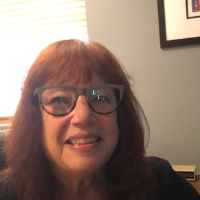
New York · 30 yrs exp
Licensed Clinical Social Worker - Relationships and Life Changes
Stress, Anxiety · Relationship · Parenting · Self esteem · +11 more
Read profile
Texas · 21 yrs exp
Licensed Clinical Social Worker - Life changes and relationships
Stress, Anxiety · Relationship · Trauma and abuse · Intimacy-related issues · +15 more
Read profile
New York · 10 yrs exp
Licensed Clinical Social Worker - Stress and Relationships
Stress, Anxiety · Relationship · Family · Grief · +12 more
Read profile
Indiana · 11 yrs exp
Licensed Clinical Social Worker - Relationships and Trauma
Stress, Anxiety · Grief · Depression · Coping with life changes · +8 more
Read profile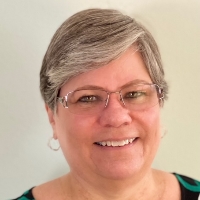
Florida · 22 yrs exp
Licensed Clinical Social Worker - stress and anxiety
Stress, Anxiety · Self esteem · Depression · Coping with life changes · +5 more
Read profile
Illinois · 25 yrs exp
Licensed clinical social worker - anxiety and life changes
Stress, Anxiety · Self esteem · Career · Coping with life changes · +10 more
Read profile
New Jersey · 8 yrs exp
Licensed clinical social worker - mood and trauma
Stress, Anxiety · Relationship · Trauma and abuse · Bipolar · +14 more
Read profile
Louisiana · 14 yrs exp
Licensed clinical social worker - Stress and trauma
Stress, Anxiety · Anger · Self esteem · Depression · +9 more
Read profile
Mississippi · 12 yrs exp
Licensed clinical social worker - stress and addiction
Stress, Anxiety · Addictions · Anger · Self esteem · +12 more
Read profile
Texas · 8 yrs exp
Licensed Clinical Social Worker - Stress and Relationships
Stress, Anxiety · Relationship · Self esteem · Depression · +8 more
Read profile
Tennessee · 35 yrs exp
Licensed Clinical Social Worker - Stress and Relationships
Stress, Anxiety · Grief · Self esteem · Depression · +8 more
Read profile
Georgia · 25 yrs exp
Licensed clinical social worker - mood and relationships
Stress, Anxiety · Parenting · Anger · Self esteem · +15 more
Read profile
Texas · 33 yrs exp
Licensed Clinical Social Worker - Relationships and Stress
Stress, Anxiety · Relationship · Family · Self esteem · +11 more
Read profile
Texas · 20 yrs exp
Licensed social worker - stress and addiction
Stress, Anxiety · Addictions · Family · Grief · +15 more
Read profile
Pennsylvania · 38 yrs exp
Licensed Clinical Social Worker - Stress and Addiction
Stress, Anxiety · Grief · Depression · Addictions · +7 more
Read profile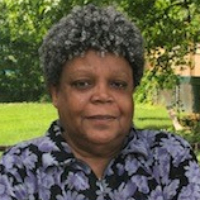
Virginia · 47 yrs exp
Licensed Clinical Social Worker - stress and relationships
Stress, Anxiety · Relationship · Grief · Self esteem · +10 more
Read profile
Colorado · 9 yrs exp
Licensed Clinical Social Worker - stress and relationships
Stress, Anxiety · Relationship · Grief · Depression · +11 more
Read profile
New Mexico · 3 yrs exp
Licensed Clinical Social Worker - Trauma and Anxiety
Stress, Anxiety · Trauma and abuse · Depression · Compassion fatigue · +9 more
Read profile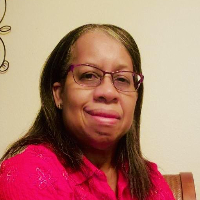
Florida · 28 yrs exp
Licensed Clinical Social Worker - Anxiety and Addictions
Addictions · Trauma and abuse · Parenting · Bipolar · +15 more
Read profile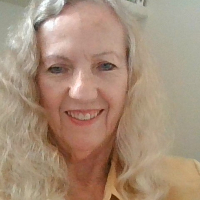
Arkansas · 44 yrs exp
Licensed clinical social worker - stress and trauma
Stress, Anxiety · Trauma and abuse · Grief · Self esteem · +16 more
Read profile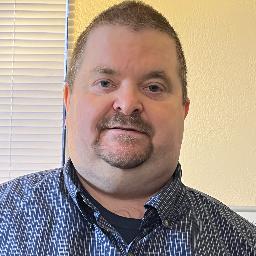
Florida · 20 yrs exp
Licensed clinical social worker - trauma and addictions
Stress, Anxiety · Addictions · Trauma and abuse · Grief · +14 more
Read profile
California · 20 yrs exp
Licensed Clinical Social Worker - Stress and Relationships
Stress, Anxiety · Relationship · Family · Parenting · +15 more
Read profile
Mississippi · 21 yrs exp
Licensed Clinical Social Worker - stress and family concerns
Stress, Anxiety · Family · Parenting · Anger · +9 more
Read profile
Tennessee · 15 yrs exp
Licensed Clinical Social Worker - Relationships and Stress
Stress, Anxiety · Relationship · Family · Self esteem · +9 more
Read profile
Missouri · 35 yrs exp
LCSW - Stress and trauma-focused clinician
Stress, Anxiety · Trauma and abuse · Anger · Bipolar · +13 more
Read profile
New York · 15 yrs exp
Licensed Clinical Social Worker - Relationships and Addictions
Stress, Anxiety · Addictions · Relationship · Self esteem · +10 more
Read profile
Louisiana · 25 yrs exp
Licensed Clinical Social Worker - Stress and Anxiety
Stress, Anxiety · Family · Anger · Self esteem · +1 more
Read profile
North Carolina · 16 yrs exp
Licensed Clinical Social Worker - Addiction and Trauma
Stress, Anxiety · Addictions · Trauma and abuse · Anger · +13 more
Read profile
Texas · 5 yrs exp
Licensed Clinical Social Worker - relationships and trauma
Stress, Anxiety · Relationship · Family · Trauma and abuse · +9 more
Read profile
Mississippi · 36 yrs exp
Licensed Clinical Social Worker - Family and Parenting
Family · Parenting · Anger · Self esteem · +11 more
Read profile
Florida · 28 yrs exp
Licensed clinical social worker - stress and trauma
Stress, Anxiety · Addictions · Trauma and abuse · Self esteem · +13 more
Read profile
New York · 14 yrs exp
Licensed Clinical Social Worker - stress and relationships
Stress, Anxiety · Relationship · Trauma and abuse · Self esteem · +5 more
Read profile
Colorado · 15 yrs exp
Licensed clinical social worker - anxiety and life changes
Stress, Anxiety · Grief · Depression · Coping with life changes · +10 more
Read profile
North Carolina · 10 yrs exp
Licensed Clinical Social Worker - Mood and trauma concerns
Stress, Anxiety · Family · Parenting · Anger · +8 more
Read profile
Nevada · 12 yrs exp
Licensed Clinical Social Worker - stress and anxiety
Stress, Anxiety · Relationship · Anger · Self esteem · +1 more
Read profile
Wyoming · 14 yrs exp
Licensed clinical social worker - mood and relationships
Addictions · Relationship · Depression · Coping with life changes · +11 more
Read profile
New York · 25 yrs exp
Licensed Clinical Social Worker - Stress and Anxiety
Stress, Anxiety · Grief · Anger · Self esteem · +6 more
Read profile
Connecticut · 24 yrs exp
Licensed clinical social worker - stress and mood concerns
Stress, Anxiety · Relationship · Grief · Self esteem · +11 more
Read profile
Texas · 6 yrs exp
Licensed Clinical Social Worker - Trauma and Relationships
Stress, Anxiety · Relationship · Trauma and abuse · Self esteem · +1 more
Read profileSelf-esteem is the sense you have of your own worth and competence. It shapes how you interpret feedback from others, whether you feel able to take on new challenges, and how resilient you are when setbacks occur. Low self-esteem can make routine tasks feel daunting, lead you to avoid opportunities for growth, and increase sensitivity to criticism. High but fragile self-esteem can cause you to defend your image at the expense of honest self-reflection. Because self-esteem is woven into thoughts, emotions, and behavior, changes in it can show up across relationships, work, parenting, and how you take care of yourself.
When you look for help specifically with self-esteem, it can be useful to think beyond internal feelings. Licensed Clinical Social Workers hold a training that explicitly examines a person in their environment - housing, work, finances, family roles, community supports, and access to care are all considered alongside internal experience. If your sense of self is shaped by social pressures, life transitions, or practical stressors, an LCSW brings that broader lens to understanding what undermines or supports your self-regard.
You may be considering professional help when you notice patterns that reduce your quality of life. You might routinely downplay your achievements, assume you are less worthy than others, or feel paralysed by fear of making mistakes. Perhaps you find it hard to assert boundaries, say yes to things you do not want, or remain stuck in relationships that undermine your sense of value. Persistent shame, self-criticism, people-pleasing, or chronic comparison to others are common features that signal self-esteem is affecting your choices and well-being.
Self-esteem concerns often co-occur with anxiety, depressive symptoms, or trauma responses, and they may be maintained by environmental factors such as workplace culture, caregiving burdens, or unstable housing. If you notice your inner critic increasing, your resilience decreasing, or your goals receding because you do not believe you can reach them, focused work on self-esteem can help you change how you interpret events and make room for steadier self-regard.
The first phase typically involves assessment and building a shared understanding of what undermines your self-worth. An LCSW will ask about the ways your environment interacts with your internal experience - for example, how family messages, job stress, or financial strain have shaped how you see yourself. You and the LCSW will identify concrete goals, whether that means reducing self-critical thinking, improving assertiveness, or increasing engagement in meaningful activities.
Over time, sessions often combine reflective work on beliefs and emotional patterns with practical skills. You may practice new ways of speaking to yourself, experiment with setting boundaries, and rehearse responses to common triggers. LCSWs commonly encourage real-world practice between sessions so you can test new behaviors in everyday life and then process what happened together. Progress tends to come from repeated, supported attempts to act differently and from noticing how those actions affect your sense of self over weeks and months.
Throughout, the person-in-environment perspective guides the conversation. That means you will not only explore inner narratives but also consider whether housing instability, work demands, caregiving responsibilities, or social networks are reinforcing low self-regard. Addressing practical barriers alongside internal patterns helps you create conditions that sustain new ways of relating to yourself.
Licensed Clinical Social Workers bring varied theoretical orientations and list different approaches among their practice tools. You will find therapists who list cognitive-behavioral methods that help identify and shift self-defeating thoughts and behavioral experiments that test new assumptions about yourself. Other social workers may list psychodynamic-informed approaches that explore how early relationships shaped self-concept. Some list acceptance-based or mindfulness approaches that emphasize observing self-judgment with compassion and developing a steadier sense of worth that is not tied to performance.
Because the directory records what a therapist lists and not formal certifications, it is accurate to say you can expect a range of emphases. Many LCSWs integrate practical problem-solving with relational work, drawing on life circumstances as well as internal experience. You will also see clinicians who list trauma-informed care among their approaches, which can be relevant when past adverse experiences have deeply affected self-esteem. When reviewing profiles, look for descriptions that explain how a therapist frames self-esteem work - whether through changing thought patterns, improving interpersonal skills, addressing relational wounds, or reducing the impact of social stressors.
Online sessions with an LCSW can make focused self-esteem work more accessible, especially if you live far from specialized clinicians or need flexible scheduling. In telehealth sessions you can do the same kinds of assessment, reflection, and skills practice you would in person. Many people find it easier to try boundary-setting or assertiveness exercises from their own home, then return to the next session to review how those interactions went. The online format also lets you bring work and home contexts directly into the conversation, which can be useful when environmental factors matter.
Technology-based sessions require attention to practicalities: choosing a quiet place to talk, having stable internet, and agreeing on how to handle interruptions. Online sessions can be voice-only or include video, and some clinicians offer phone check-ins or messaging for between-session support within professional bounds. Because LCSW licensure is regulated by state boards, the scope of online practice may vary by location. You can read a profile to learn about a clinician's location and languages offered so you can consider logistical and cultural fit before reaching out.
Selecting a therapist for self-esteem work is as much about fit as it is about credentials. Start by focusing on clinicians who hold the Licensed Clinical Social Worker credential, since their training includes clinical assessment, supervised practice, and a focus on person-in-environment factors. Read profile descriptions to see how a clinician talks about self-esteem - some emphasize cognitive and behavioral change, others emphasize repairing relational wounds or addressing structural stressors. Consider which framing feels most likely to help you change patterns and build lasting confidence.
Language and cultural understanding matter when self-esteem is tied to identity, family expectations, or community norms. Look for LCSWs who list experience working with populations or issues that resonate with you, and note the therapeutic approaches they list so you know whether their orientation matches your preferences. Think about practical factors like whether you prefer online sessions or in-person meetings, the languages offered, and the clinician's experience with life circumstances similar to yours. Comparing focus areas, approaches, credentials, languages, and experience can help you identify candidates who are likely to understand both your internal experience and the external pressures that shape it.
Finally, trust your sense of fit when you begin a conversation. It is normal to meet with more than one LCSW while you decide who best supports your goals. Clear communication about what you want to work on - whether it is reducing self-criticism, building assertiveness, or stabilizing self-worth amid life stressors - helps the therapeutic relationship get started in a purposeful way. With patient, practical work you can change the way you see yourself and create conditions that support a more resilient sense of value.
Alabama
26 therapists
Alaska
18 therapists
Arizona
94 therapists
Arkansas
58 therapists
California
696 therapists
Colorado
143 therapists
Connecticut
115 therapists
Delaware
36 therapists
District of Columbia
7 therapists
Florida
827 therapists
Georgia
164 therapists
Hawaii
37 therapists
Idaho
41 therapists
Illinois
401 therapists
Indiana
195 therapists
Iowa
9 therapists
Kansas
27 therapists
Kentucky
142 therapists
Louisiana
134 therapists
Maine
50 therapists
Maryland
22 therapists
Massachusetts
14 therapists
Michigan
38 therapists
Minnesota
13 therapists
Mississippi
68 therapists
Missouri
151 therapists
Montana
57 therapists
Nebraska
2 therapists
Nevada
56 therapists
New Hampshire
16 therapists
New Jersey
227 therapists
New Mexico
50 therapists
New York
535 therapists
North Carolina
358 therapists
North Dakota
11 therapists
Ohio
31 therapists
Oklahoma
80 therapists
Oregon
65 therapists
Pennsylvania
225 therapists
Rhode Island
3 therapists
South Carolina
35 therapists
South Dakota
2 therapists
Tennessee
95 therapists
Texas
483 therapists
Utah
89 therapists
Vermont
3 therapists
Virginia
187 therapists
Washington
16 therapists
West Virginia
5 therapists
Wisconsin
122 therapists
Wyoming
19 therapists