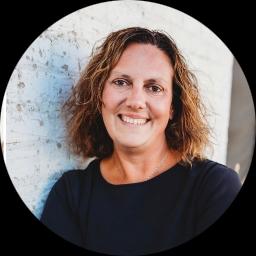
Shelly Carbo
LCSWNorth Dakota · 3 yrs exp
Licensed Clinical Social Worker - Relationships and Parenting
Relationship · Parenting · Anger · Family
Read profileTherapist listings are provided by BetterHelp. We will earn a commission at no additional cost to you if you use our links to purchase.
Welcome to the North Dakota listing of licensed clinical social workers offering online sessions. All therapists shown here hold an LCSW state license and professional credentials. Explore profiles to learn about their focus areas, experience, and how they describe their practice.
North Dakota · 3 yrs exp
Licensed Clinical Social Worker - Relationships and Parenting
Relationship · Parenting · Anger · Family
Read profile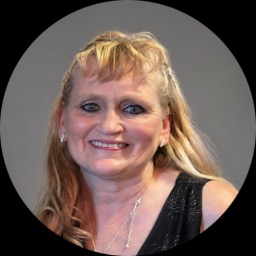
North Dakota · 31 yrs exp
Licensed clinical social worker - stress and relationships
Stress, Anxiety · Relationship · Trauma and abuse · Grief · +1 more
Read profile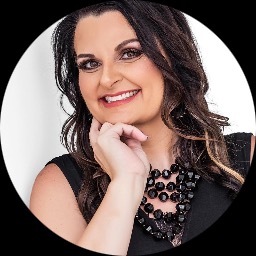
North Dakota · 10 yrs exp
Licensed Clinical Social Worker - Stress and Family concerns
Stress, Anxiety · Relationship · Family · Trauma and abuse · +10 more
Read profile
North Dakota · 18 yrs exp
Licensed Clinical Social Worker - Stress and Family Concerns
Stress, Anxiety · Family · Parenting · Self esteem · +10 more
Read profile
North Dakota · 20 yrs exp
Licensed Clinical Social Worker - Stress and Relationships
Stress, Anxiety · Relationship · Grief · Depression · +12 more
Read profile
North Dakota · 5 yrs exp
Licensed social worker - Addiction and anxiety
Stress, Anxiety · Addictions · Anger · Self esteem · +5 more
Read profile
North Dakota · 13 yrs exp
Licensed Clinical Social Worker - Stress and Trauma
Stress, Anxiety · Trauma and abuse · Depression · Coping with life changes · +10 more
Read profile
North Dakota · 6 yrs exp
Licensed Clinical Social Worker - Stress and Trauma
Stress, Anxiety · Relationship · Trauma and abuse · Grief · +1 more
Read profile
North Dakota · 40 yrs exp
Licensed clinical social worker - stress and grief
Stress, Anxiety · Grief · Depression · Coping with life changes · +1 more
Read profile
North Dakota · 5 yrs exp
Licensed Clinical Social Worker - Stress and Trauma
Stress, Anxiety · Trauma and abuse · Grief · Self esteem · +1 more
Read profile
North Dakota · 4 yrs exp
Licensed clinical social worker - addictions and relationships
Addictions · Relationship · Family · Trauma and abuse · +1 more
Read profileOnline sessions with licensed clinical social workers have become a common option for people across North Dakota who want clinical social work support without traveling to an office. An LCSW is a licensed clinician who completed a master of social work degree, a state-set period of supervised post‑graduate clinical experience, and a clinical licensing exam. The license is issued and renewed by the North Dakota licensing board and governs the scope of practice for each holder. Because the credential emphasizes a person-in-environment perspective, LCSWs consider not only your personal history and feelings but also the context of housing, work, family, finances, community resources, and access to services when offering clinical support. That broader lens is one reason many people specifically look for an LCSW.
Regulations about remote clinical work vary by state and by professional board. If you are living in North Dakota and seeking online sessions, many LCSWs who list remote work indicate they provide clinical social work services to residents of the state. The practical result is more options for connecting with a clinician who understands local systems and resources. Online sessions can take different forms - video calls, phone calls, or other platforms - and different clinicians describe their logistics differently. Profiles typically list areas of focus, languages spoken, clinical experience, and what clients might expect in session rather than operational details that change frequently.
Online work with an LCSW can make it easier for you to access clinical social work when geography, transportation, or schedule constraints would otherwise get in the way. North Dakota includes many rural communities where travel time to a clinician can be long; online formats reduce travel while preserving continuity of care. You can often arrange sessions at times that fit work or caregiving responsibilities more easily than with in-person appointments. Because LCSWs place emphasis on life context, remote sessions give a clinician the chance to discuss the realities of your environment and practical assistance options that are relevant where you live.
Another advantage is the ability to find a clinician whose focus aligns with your needs. You can look for LCSWs who list experience with issues such as family dynamics, trauma, grief, substance use, perinatal concerns, or transitions related to work and housing. If you need a clinician who speaks a particular language or has experience with a cultural community in North Dakota, remote sessions can expand your options beyond immediate local offerings. At the same time, online formats require reliable internet or phone service and a quiet, safe setting for sessions. Some people appreciate the comfort of meeting from home, while others prefer an in-person setting for certain concerns. Considering the practical fit is as important as considering clinical focus.
LCSWs work across a broad range of clinical concerns. Many people seek an LCSW for help with mood-related difficulties such as depression or anxiety, coping with major life changes, managing stress, parenting and family relationship concerns, grief and loss, and issues related to substance use. Because social work training looks at the whole context of a person s life, LCSWs often help clients navigate systems such as education, housing, employment services, and public benefits, and they can connect people to community resources when that will help with recovery or stability.
In addition to individual clinical support, some LCSWs provide work with couples and families, helping with communication patterns and problem-solving that are rooted in the environment where family life unfolds. Perinatal emotional health and caregiving transitions are common topics in North Dakota communities. If your concerns involve legal systems, child welfare, or coordination with other service providers, a clinician who holds an LCSW may be particularly attuned to the intersections between individual clinical needs and external systems. When you read profiles, look for descriptions of focus areas, years of clinical experience, and language abilities to find clinicians whose backgrounds align with your situation.
It is reasonable to confirm that a clinician holds an active LCSW license with the North Dakota board responsible for social work licensure. You can search the board's license lookup or public registry using a clinician s name to view license status, license number, expiration date, and any public disciplinary history. The North Dakota Board of Social Work Examiners is the licensing authority that issues and renews LCSW credentials in the state and can provide official verification. If you have questions about a license record, the board can be contacted by phone or email and will explain how to interpret the information on the record.
When reviewing license information, pay attention to the dates shown and whether the record lists any restrictions or disciplinary actions. Also note that license titles and scope of practice are determined by the issuing state board, so a clinician licensed in a different state may have a different title or practice authority. Because rules about providing remote clinical services can vary across states, it is appropriate to confirm that a clinician's license and professional profile indicate practice with North Dakota residents if you live there. If anything in a public record is unclear, the licensing board will be the authoritative source for clarification.
Beginning work with an online LCSW usually starts with reviewing profiles to identify clinicians who list the issues and experience that matter to you. Profiles often include a short biography, listed areas of focus, languages spoken, and general information about session structure. Once you find clinicians you want to learn more about, reach out using the contact method they provide to ask the practical questions that matter to you. Typical questions include session format, length, fee structure, whether they bill insurance, what type of technology they use for video sessions, and how they handle paperwork such as informed consent. You should also ask about emergency protocols - how the clinician will handle urgent situations and what local resources are available to you if immediate help is needed.
When deciding who to work with, pay attention to whether an LCSW's described focus areas, clinical experience, and language skills match your priorities. Because an LCSW brings a person-in-environment perspective, consider whether the clinician demonstrates an understanding of the practical systems and resources that matter in your life. Read how the clinician describes their work with specific populations, such as families, veterans, new parents, or people facing housing or employment challenges. It can be helpful to ask how they typically structure sessions and how they measure progress over time. You might also inquire about their experience working remotely and what they recommend to help sessions go well, such as internet bandwidth needs or a comfortable environment for talking.
Practical considerations matter too. Discuss fees, insurance billing, sliding scale options if offered, and cancellation policies so there are no surprises later. If cultural competence or language match is important to you, look for clinicians who explicitly mention those capacities. Finally, trust your sense of fit. The rapport between you and an LCSW influences the work you do together, so choosing someone whose approach and communication style feel respectful and clear to you is an appropriate priority.
Online sessions with an LCSW can expand your access to clinical social work support while preserving attention to the real-world contexts that shape your experience. Taking time to verify licensure, learn about a clinician s focus, and discuss practical logistics will help you start in a way that fits your needs and circumstances in North Dakota.
Addictions
2304 therapists
ADHD
1905 therapists
Anger
2772 therapists
Bipolar
1941 therapists
Chronic Illness
1303 therapists
Control Issues
2210 therapists
Depression
5181 therapists
Domestic Violence
1366 therapists
Grief
3610 therapists
Guilt and Shame
3705 therapists
Isolation / Loneliness
3581 therapists
Midlife Crisis
1808 therapists
Mood Disorders
2723 therapists
Panic Disorder and Panic Attacks
2261 therapists
Post-Traumatic Stress
2956 therapists
Self Esteem
4971 therapists
Social Anxiety and Phobia
3197 therapists
Stress & Anxiety
5847 therapists
Trauma and Abuse
4050 therapists
Abandonment
2048 therapists
Aging and Geriatric Issues
1666 therapists
Attachment Issues
2324 therapists
Blended Family Issues
1549 therapists
Career
2487 therapists
Caregiver Issues and Stress
2913 therapists
Codependency
1905 therapists
Communication Problems
4240 therapists
Compassion Fatigue
2340 therapists
Coping with Life Changes
4536 therapists
Divorce
2432 therapists
Family
3427 therapists
Family of Origin Issues
1530 therapists
Forgiveness
3312 therapists
Life Purpose
3795 therapists
Money and Financial Issues
1263 therapists
Parenting
2720 therapists
Relationship
4223 therapists
Self-Love
3931 therapists
Workplace Issues
2550 therapists