
Velma Jones
LCSWNew York · 29 yrs exp
Licensed Clinical Social Worker - Relationships and Mood
Stress, Anxiety · Relationship · Trauma and abuse · Depression · +10 more
Read profileTherapist listings are provided by BetterHelp. We will earn a commission at no additional cost to you if you use our links to purchase.
This page lists licensed clinical social workers (LCSWs) across the United States who indicate domestic violence among their focus areas. Each profile highlights professional credentials, focus areas, languages, and practice approaches to help visitors explore options.
Browse the listings below to review LCSW profiles and find information that can guide next steps in seeking support for domestic violence concerns.
New York · 29 yrs exp
Licensed Clinical Social Worker - Relationships and Mood
Stress, Anxiety · Relationship · Trauma and abuse · Depression · +10 more
Read profile
Colorado · 19 yrs exp
Licensed Clinical Social Worker - Stress and Relationships
Stress, Anxiety · Relationship · Trauma and abuse · Grief · +12 more
Read profile
New York · 24 yrs exp
Licensed Clinical Social Worker - Anxiety and Depression
Stress, Anxiety · Relationship · Anger · Self esteem · +12 more
Read profile
North Carolina · 10 yrs exp
Licensed Clinical Social Worker - Anxiety and Relationships
Stress, Anxiety · Relationship · Family · Bipolar · +16 more
Read profile
California · 14 yrs exp
Licensed Clinical Social Worker - trauma and life transitions
Stress, Anxiety · Trauma and abuse · Grief · Self esteem · +8 more
Read profile
New York · 25 yrs exp
Licensed Clinical Social Worker - stress and trauma
Stress, Anxiety · Trauma and abuse · Self esteem · Depression · +7 more
Read profile
Louisiana · 16 yrs exp
Licensed Clinical Social Worker - mood and relationships
Stress, Anxiety · Relationship · Trauma and abuse · Bipolar · +16 more
Read profile
Mississippi · 12 yrs exp
Licensed clinical social worker - stress and addiction
Stress, Anxiety · Addictions · Anger · Self esteem · +12 more
Read profile
Texas · 20 yrs exp
Licensed social worker - stress and addiction
Stress, Anxiety · Addictions · Family · Grief · +15 more
Read profile
New York · 14 yrs exp
Licensed Clinical Social Worker - Stress and Trauma
Stress, Anxiety · Trauma and abuse · Grief · Depression · +6 more
Read profile
New Mexico · 3 yrs exp
Licensed Clinical Social Worker - Trauma and Anxiety
Stress, Anxiety · Trauma and abuse · Depression · Compassion fatigue · +9 more
Read profile
Arkansas · 44 yrs exp
Licensed clinical social worker - stress and trauma
Stress, Anxiety · Trauma and abuse · Grief · Self esteem · +16 more
Read profile
Tennessee · 15 yrs exp
Licensed Clinical Social Worker - Relationships and Stress
Stress, Anxiety · Relationship · Family · Self esteem · +9 more
Read profile
Missouri · 35 yrs exp
LCSW - Stress and trauma-focused clinician
Stress, Anxiety · Trauma and abuse · Anger · Bipolar · +13 more
Read profile
Mississippi · 36 yrs exp
Licensed Clinical Social Worker - Family and Parenting
Family · Parenting · Anger · Self esteem · +11 more
Read profile
Florida · 28 yrs exp
Licensed clinical social worker - stress and trauma
Stress, Anxiety · Addictions · Trauma and abuse · Self esteem · +13 more
Read profile
Colorado · 15 yrs exp
Licensed clinical social worker - anxiety and life changes
Stress, Anxiety · Grief · Depression · Coping with life changes · +10 more
Read profile
Nevada · 12 yrs exp
Licensed Clinical Social Worker - stress and anxiety
Stress, Anxiety · Relationship · Anger · Self esteem · +1 more
Read profile
Wyoming · 14 yrs exp
Licensed clinical social worker - mood and relationships
Addictions · Relationship · Depression · Coping with life changes · +11 more
Read profile
New York · 25 yrs exp
Licensed Clinical Social Worker - Stress and Anxiety
Stress, Anxiety · Grief · Anger · Self esteem · +6 more
Read profile
Connecticut · 24 yrs exp
Licensed clinical social worker - stress and mood concerns
Stress, Anxiety · Relationship · Grief · Self esteem · +11 more
Read profile
Texas · 35 yrs exp
Licensed Clinical Social Worker - Stress and Trauma
Stress, Anxiety · Relationship · Family · Trauma and abuse · +14 more
Read profile
Illinois · 23 yrs exp
Licensed clinical social worker - mood and relationships
Stress, Anxiety · Trauma and abuse · Anger · Depression · +10 more
Read profile
Kentucky · 8 yrs exp
Licensed Clinical Social Worker - Stress and Relationships
Stress, Anxiety · Relationship · Family · Trauma and abuse · +5 more
Read profile
North Carolina · 10 yrs exp
Licensed Clinical Social Worker - Stress and Trauma
Stress, Anxiety · Trauma and abuse · Self esteem · Depression · +1 more
Read profile
Florida · 20 yrs exp
Licensed Clinical Social Worker - Stress and Trauma
Stress, Anxiety · Trauma and abuse · Grief · Career · +15 more
Read profile
New York · 25 yrs exp
Licensed Clinical Social Worker - Stress and Relationships
Stress, Anxiety · Relationship · Family · Trauma and abuse · +15 more
Read profile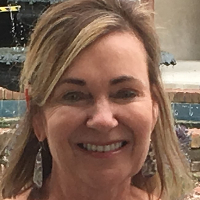
Kentucky · 15 yrs exp
Licensed Clinical Social Worker - relationships and mood
Stress, Anxiety · Relationship · Parenting · Anger · +13 more
Read profile
Florida · 19 yrs exp
Licensed Clinical Social Worker - Stress and Trauma
Stress, Anxiety · Trauma and abuse · Grief · Depression · +9 more
Read profile
Connecticut · 16 yrs exp
Licensed clinical social worker - Stress and relationships
Stress, Anxiety · Addictions · Family · Anger · +14 more
Read profile
Florida · 3 yrs exp
Licensed Clinical Social Worker - Relationships and Stress
Stress, Anxiety · Relationship · Trauma and abuse · Parenting · +11 more
Read profile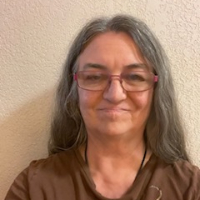
Arizona · 40 yrs exp
Licensed Clinical Social Worker - Relationships and Mood
Stress, Anxiety · LGBT · Relationship · Grief · +10 more
Read profile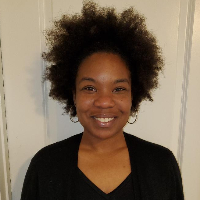
North Carolina · 15 yrs exp
Licensed Clinical Social Worker - Trauma and Relationships
LGBT · Relationship · Family · Parenting · +7 more
Read profile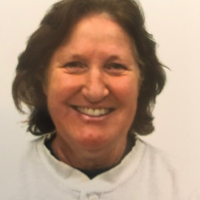
California · 30 yrs exp
Licensed clinical social worker - family and trauma
Family · Trauma and abuse · Grief · Parenting · +9 more
Read profile
Illinois · 12 yrs exp
Licensed clinical social worker - mood and coping support
Stress, Anxiety · Trauma and abuse · Bipolar · Depression · +12 more
Read profile
Florida · 13 yrs exp
Licensed Clinical Social Worker - Stress and Relationships
Stress, Anxiety · Relationship · Trauma and abuse · Self esteem · +4 more
Read profile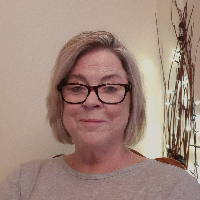
Illinois · 40 yrs exp
Licensed Clinical Social Worker - Stress and Family Concerns
Stress, Anxiety · Family · Parenting · Self esteem · +9 more
Read profile
North Carolina · 24 yrs exp
Licensed clinical social worker - Trauma and life stress
Stress, Anxiety · Relationship · Family · Trauma and abuse · +14 more
Read profile
Florida · 20 yrs exp
Licensed Clinical Social Worker - Trauma and Anxiety
Stress, Anxiety · Trauma and abuse · Grief · Self esteem · +9 more
Read profile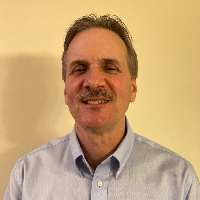
Virginia · 40 yrs exp
Licensed Clinical Social Worker - stress and addiction focus
Stress, Anxiety · Addictions · Trauma and abuse · Grief · +16 more
Read profile
Illinois · 11 yrs exp
Licensed Clinical Social Worker - Stress and Trauma
Stress, Anxiety · Trauma and abuse · Grief · Self esteem · +4 more
Read profile
Texas · 13 yrs exp
Licensed Clinical Social Worker - Stress and Relationships
Stress, Anxiety · Relationship · Anger · Self esteem · +12 more
Read profile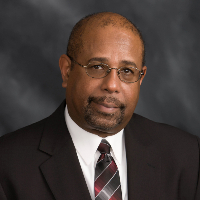
Mississippi · 51 yrs exp
Dr. Ricardo Gillispie LCSW - Stress and Relationship work
Stress, Anxiety · Relationship · Self esteem · Depression · +15 more
Read profile
Illinois · 25 yrs exp
Licensed clinical social worker - stress and trauma
Stress, Anxiety · Family · Trauma and abuse · Grief · +1 more
Read profile
Alaska · 20 yrs exp
Licensed Clinical Social Worker - Stress and Relationships
Stress, Anxiety · Relationship · Trauma and abuse · Parenting · +1 more
Read profile
Minnesota · 3 yrs exp
Licensed social worker - stress and addictions
Stress, Anxiety · Addictions · Trauma and abuse · Bipolar · +5 more
Read profile
New Mexico · 33 yrs exp
Licensed clinical social worker - relationships and transitions
Relationship · Trauma and abuse · Grief · Self esteem · +11 more
Read profile
Florida · 30 yrs exp
Licensed Clinical Social Worker - stress and trauma
Stress, Anxiety · Trauma and abuse · Self esteem · Depression · +11 more
Read profile
Virginia · 30 yrs exp
Licensed clinical social worker - relationships and stress
Stress, Anxiety · Relationship · Grief · Depression · +16 more
Read profile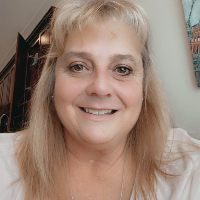
Louisiana · 30 yrs exp
Licensed clinical social worker - Mood and relationships
Stress, Anxiety · Relationship · Family · Trauma and abuse · +14 more
Read profile
Florida · 42 yrs exp
Licensed Clinical Social Worker - Relationships and Stress
Stress, Anxiety · Addictions · Relationship · Trauma and abuse · +15 more
Read profile
Indiana · 29 yrs exp
Licensed Clinical Social Worker - Trauma and Anxiety
Stress, Anxiety · Trauma and abuse · Grief · Sleeping · +9 more
Read profile
Colorado · 9 yrs exp
Licensed Clinical Social Worker - stress and addiction
Stress, Anxiety · Addictions · Relationship · Family · +14 more
Read profile
Kentucky · 11 yrs exp
Licensed clinical social worker - Stress and trauma
Stress, Anxiety · Trauma and abuse · Anger · Self esteem · +11 more
Read profile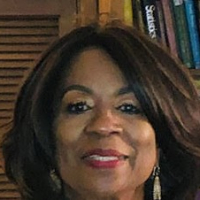
Illinois · 20 yrs exp
Licensed Clinical Social Worker - stress and relationships
Stress, Anxiety · LGBT · Relationship · Family · +14 more
Read profile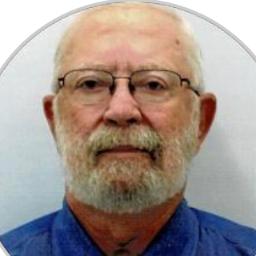
Kansas · 40 yrs exp
Licensed clinical social worker - stress and relationships
Stress, Anxiety · Addictions · LGBT · Relationship · +16 more
Read profile
Wisconsin · 20 yrs exp
Licensed Clinical Social Worker - Relationships and Anxiety
Stress, Anxiety · Relationship · Trauma and abuse · Self esteem · +15 more
Read profile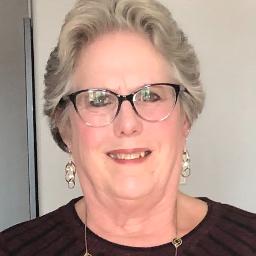
Illinois · 40 yrs exp
Licensed clinical social worker - life transitions and mood
Stress, Anxiety · Grief · Self esteem · Depression · +13 more
Read profile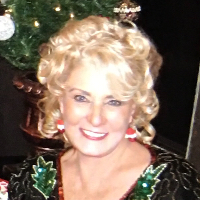
Florida · 40 yrs exp
LCSW - Mood and addiction support
Stress, Anxiety · Addictions · Trauma and abuse · Grief · +16 more
Read profile
Georgia · 15 yrs exp
Licensed Clinical Social Worker - Stress and Trauma
Stress, Anxiety · Trauma and abuse · Grief · Self esteem · +1 more
Read profileDomestic violence describes a pattern of behaviors used by one person to maintain power and control over another in an intimate or familial relationship. It can include physical harm, sexual coercion, emotional abuse, financial control, stalking, and other forms of coercion. Because these behaviors often occur over time, their effects can be complex and wide-ranging. You may see immediate physical injuries, but you may also experience ongoing psychological stress, difficulty trusting others, disruptions in work or school, housing instability, and challenges accessing needed services.
People who have experienced domestic violence commonly report difficulty concentrating, sleep problems, heightened anxiety, and changes in mood. Relationships with friends and family can become strained as a result of isolation or attempts to hide the situation. Economic consequences are frequent when abusers control finances or limit employment options. For many, the experience of violence intersects with other stressors - such as immigration status, caregiving responsibilities, or limited access to healthcare - and those intersections shape what support is most useful. Licensed clinical social workers are trained to look at these broader life factors in addition to the symptoms someone brings to a session.
There is no single sign that says someone needs therapy, but several indicators suggest an LCSW could help. You might feel overwhelmed by fear or shame, experience panic attacks or intrusive memories, or find routine tasks increasingly difficult. You may notice changes in your relationships or a heightened sense of isolation. Practical problems - like trouble finding stable housing, navigating legal options, or managing financial control imposed by a partner - often accompany emotional distress and are legitimate reasons to seek a clinician who can address both clinical and social needs.
An LCSW holds a master of social work, has completed a state-required period of supervised post-graduate clinical experience, and has passed a licensing exam. Because social work training emphasizes the person-in-environment perspective, an LCSW will routinely consider your living situation, family responsibilities, workplace issues, community resources, and access to services alongside your emotional and psychological needs. If your situation involves housing, child welfare concerns, insurance barriers, or coordination with community services, an LCSW may be a practical professional to consult.
In initial sessions with an LCSW, you can expect a thorough assessment that explores immediate safety needs, the impact of abuse on your life, and your goals for support. Safety assessment is a routine part of work with domestic violence; it is approached sensitively and practically. An LCSW may discuss steps to reduce immediate risk and identify supports in your environment. They will also ask about your social supports, housing, legal concerns, and any barriers to care so that clinical recommendations align with real-world circumstances.
As therapy continues, sessions often combine emotional processing with practical problem solving. You may focus on managing anxiety, processing traumatic experiences, rebuilding boundaries, and strengthening relationships. Because LCSWs are trained to coordinate services, you might work with them on referrals to legal advocates, housing assistance, financial counseling, or community programs. This coordination does not replace specialized advocacy services, but it aims to make clinical work realistic and responsive to the life issues that affect recovery and resilience.
Individual LCSWs use a range of approaches, and the directory reflects the approaches clinicians list rather than certifying training. You will find therapists who list trauma-focused methods among their approaches, those who include cognitive-behavioral techniques, and others who mention strengths-based or narrative work. Some clinicians describe family systems perspectives, while others emphasize stabilization and skills-building. When reviewing profiles, note the approaches therapists list and consider asking how they apply those methods to domestic violence work.
Because social work foregrounds context, many LCSWs integrate clinical interventions with attention to life circumstances. That can mean focusing on coping skills and emotion regulation alongside advocacy for housing or employment supports. It can also mean addressing parenting challenges that arise after abuse or helping you connect with community resources that reduce practical stressors. If you want a clinician who understands how external pressures influence mental health, look for language in profiles that references systems, resources, or community coordination.
Online sessions with an LCSW are commonly conducted via video or phone. The format allows greater geographic flexibility and can make it easier to access clinicians who speak your language or have particular experience. When using online sessions for domestic violence work, safety and privacy of the setting matter. You and your clinician will typically discuss how to manage interruptions, put in place a plan if a session becomes unsafe to continue, and identify alternate ways to communicate. Because licensing rules vary by state, some LCSWs may only hold a license in certain states; this affects cross-state practice and is a factor to consider when looking at profiles.
Remote care can lower some barriers to help, such as transportation or childcare, and it can expand access to specific language matches or clinical focuses. It may not be the right fit in every situation. For example, if immediate in-person intervention with other services is required, online sessions alone may not address that need. An LCSW can work with you to coordinate local supports as part of remote care. Consider what balance of clinical attention and practical service coordination you need, and look for clinicians who describe experience working with systems and resources in your area.
When you review profiles, focus on the professional details that matter most to you. Pay attention to the fact that listed clinicians hold an LCSW, the states where they are licensed, the populations and focus areas they mention, the languages they speak, and the practice approaches they list. Look for clinicians who explicitly mention experience working with domestic violence, trauma, crisis management, or the social issues you are facing, such as housing, legal systems, or parenting challenges. Those signals can help you identify professionals whose background aligns with your practical needs and clinical goals.
As you narrow options, you may want to ask about the clinician's experience with domestic violence, how they integrate safety planning with clinical work, and how they coordinate with community advocates or services. Ask how they typically structure sessions and what kinds of supports or referrals they can help access. It is reasonable to inquire about language abilities, cultural competency, and experience working with people whose circumstances resemble yours. Also consider whether you prefer in-person care, online sessions, or a mix, and whether a clinician's geographic licensing aligns with the setting where you need services.
Finding the right clinician can take time, and an LCSW's person-in-environment approach is designed to treat both your internal experience and the external factors that influence recovery. Use the listings below to explore professional profiles and identify LCSWs whose focus areas, approaches, languages, and experience match the kind of support you are seeking.
Alabama
26 therapists
Alaska
18 therapists
Arizona
94 therapists
Arkansas
58 therapists
California
696 therapists
Colorado
143 therapists
Connecticut
115 therapists
Delaware
36 therapists
District of Columbia
7 therapists
Florida
827 therapists
Georgia
164 therapists
Hawaii
37 therapists
Idaho
41 therapists
Illinois
401 therapists
Indiana
195 therapists
Iowa
9 therapists
Kansas
27 therapists
Kentucky
142 therapists
Louisiana
134 therapists
Maine
50 therapists
Maryland
22 therapists
Massachusetts
14 therapists
Michigan
38 therapists
Minnesota
13 therapists
Mississippi
68 therapists
Missouri
151 therapists
Montana
57 therapists
Nebraska
2 therapists
Nevada
56 therapists
New Hampshire
16 therapists
New Jersey
227 therapists
New Mexico
50 therapists
New York
535 therapists
North Carolina
358 therapists
North Dakota
11 therapists
Ohio
31 therapists
Oklahoma
80 therapists
Oregon
65 therapists
Pennsylvania
225 therapists
Rhode Island
3 therapists
South Carolina
35 therapists
South Dakota
2 therapists
Tennessee
95 therapists
Texas
483 therapists
Utah
89 therapists
Vermont
3 therapists
Virginia
187 therapists
Washington
16 therapists
West Virginia
5 therapists
Wisconsin
122 therapists
Wyoming
19 therapists