Licensed clinical social worker recordConnecticut
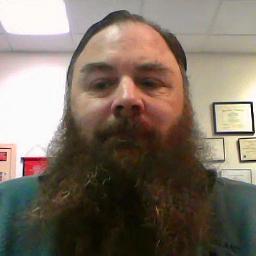
Gregory Page, LCSW
Connecticut
Licensed clinical social worker - Stress and relationships
Continue with GregoryCredentials check
- Credentials
- LCSW
- Licensed in Connecticut
- LCSW, licence 008704
- NPI
- 1295134880
- Experience
- 16 years
- Languages
- English
- Location
- Connecticut
These details come from information Gregory supplied to BetterHelp. A licence can be checked with the social work board of the state that issued it, and an NPI with the national registry.
AAbout
- Stress and anxiety
- Addiction support
- Mindfulness and CBT
About Gregory
Gregory Page is a licensed clinical social worker (LCSW) in Connecticut with 16 years of clinical experience working with individuals. He helps people manage stress, anxiety, depression, addiction concerns, and relationship issues. He also addresses trauma and abuse, grief, intimacy-related problems, sleep and eating difficulties, and career or life-change struggles.
His work is straightforward and practical. Sessions often focus on identifying what is most disruptive in day-to-day life and creating step-by-step strategies to reduce those problems. He uses tools drawn from approaches such as cognitive behavioral work and mindfulness to help people notice patterns and try different responses.
Gregory pays attention to relationship dynamics and communication. He draws on methods from the Gottman Method alongside motivational interviewing to support clearer conversations and commitment decisions. For people who feel overwhelmed by emotion, he uses skills from dialectical behavior therapy to build stability and better coping skills.
He also brings experience supporting people with ADHD, autism spectrum differences, caregiver stress, chronic illness, and substance use concerns. That background informs a practical focus on routines, pacing, and realistic problem solving rather than abstract theory.
Sessions are aimed at helping someone make concrete changes they can carry into daily life. To begin, clients complete a short matching questionnaire and schedule an initial session where goals and next steps are discussed.
BHow sessions work
How Gregory integrates common approaches into online work
CBT, or cognitive behavioral therapy, focuses on identifying unhelpful thoughts and testing small behavioral changes to reduce symptoms like anxiety or low mood. It is practical and often goal-focused, useful for stress, sleep or eating problems and mood shifts. DBT, dialectical behavior therapy, teaches concrete skills for managing strong emotions, improving distress tolerance, and keeping relationships more stable. Those skills can help with anger, emotional overwhelm, and impulsive behaviors.Finding the right approach is part of the early work. He collaborates with each person to decide which methods fit their goals and daily life. That conversation shapes whether sessions emphasize skills practice, communication work, behavioral experiments, or a mix of approaches.
The biography does not specify session formats, so confirm current online options before booking. Online work can make scheduling easier and let people fit short check-ins into a break, reduce travel time, or use video when visual cues help practice conversations. Therapists generally adjust pacing and homework to fit how a person prefers to work and what their day looks like.
CAreas of focus
Areas of expertise
Primary focus
Also works with
Additional focus areas
Therapeutic approaches
Experience
16+ years
Listed in
Connecticut
Languages
English
DQuestions
Frequently asked questions
What kinds of problems does he help with?
He works with stress, anxiety, depression, addictions, trauma and relationship concerns among other issues listed in his profile.
What is his general approach in sessions?
He uses practical, skills-based methods such as cognitive behavioral techniques, mindfulness, DBT skills, motivational interviewing, and Gottman-informed work to address everyday problems.
How long has he been practicing?
He has 16 years of clinical experience working with individuals on a wide range of concerns.
Is he licensed and where does he practice?
He is a licensed clinical social worker (LCSW) in Connecticut as listed in his profile.
Does he offer sessions in other languages or internationally?
Sessions are offered in English and he is not accepting international clients at this time.
What session formats are available?
The original biography does not list specific session formats, so please confirm current session options before booking.
How are fees handled?
Cost varies with location and services; sessions use a subscription that can be canceled at any time according to the information provided.
How do I get started?
Select the See online therapy options button, complete a short matching questionnaire, and schedule a first session.
Online talk therapy is not emergency care. If you are in danger, call 911, or call or text 988. More crisis numbers