
Velma Jones
LCSWNew York · 29 yrs exp
Licensed Clinical Social Worker - Relationships and Mood
Stress, Anxiety · Relationship · Trauma and abuse · Depression · +10 more
Read profileTherapist listings are provided by BetterHelp. We will earn a commission at no additional cost to you if you use our links to purchase.
This directory page highlights licensed clinical social workers who include control issues among their practice areas. Browse the listings below to review each LCSW's focus areas, approaches, credentials, languages, and experience.
New York · 29 yrs exp
Licensed Clinical Social Worker - Relationships and Mood
Stress, Anxiety · Relationship · Trauma and abuse · Depression · +10 more
Read profile
Florida · 14 yrs exp
Florida LCSW - Stress and Relationship Support
Stress, Anxiety · Grief · Anger · Self esteem · +12 more
Read profile
Colorado · 19 yrs exp
Licensed Clinical Social Worker - Stress and Relationships
Stress, Anxiety · Relationship · Trauma and abuse · Grief · +12 more
Read profile
Texas · 13 yrs exp
Licensed Clinical Social Worker - Stress and Relationship support
Stress, Anxiety · Relationship · Trauma and abuse · Anger · +11 more
Read profile
New York · 24 yrs exp
Licensed Clinical Social Worker - Anxiety and Depression
Stress, Anxiety · Relationship · Anger · Self esteem · +12 more
Read profile
Illinois · 20 yrs exp
Licensed Clinical Social Worker - Stress and Relationships
Stress, Anxiety · Relationship · Parenting · Self esteem · +7 more
Read profile
North Carolina · 10 yrs exp
Licensed Clinical Social Worker - Anxiety and Relationships
Stress, Anxiety · Relationship · Family · Bipolar · +16 more
Read profile
North Carolina · 13 yrs exp
Licensed Clinical Social Worker - Stress and Relationships
Stress, Anxiety · Relationship · Family · Self esteem · +13 more
Read profile
New York · 25 yrs exp
Licensed Clinical Social Worker - stress and trauma
Stress, Anxiety · Trauma and abuse · Self esteem · Depression · +7 more
Read profile
Louisiana · 16 yrs exp
Licensed Clinical Social Worker - mood and relationships
Stress, Anxiety · Relationship · Trauma and abuse · Bipolar · +16 more
Read profile
Florida · 10 yrs exp
Licensed Clinical Social Worker - stress and family concerns
Stress, Anxiety · Addictions · Family · Grief · +8 more
Read profile
New York · 30 yrs exp
Licensed Clinical Social Worker - Relationships and Life Changes
Stress, Anxiety · Relationship · Parenting · Self esteem · +11 more
Read profile
Texas · 21 yrs exp
Licensed Clinical Social Worker - Life changes and relationships
Stress, Anxiety · Relationship · Trauma and abuse · Intimacy-related issues · +15 more
Read profile
Illinois · 25 yrs exp
Licensed clinical social worker - anxiety and life changes
Stress, Anxiety · Self esteem · Career · Coping with life changes · +10 more
Read profile
New Jersey · 8 yrs exp
Licensed clinical social worker - mood and trauma
Stress, Anxiety · Relationship · Trauma and abuse · Bipolar · +14 more
Read profile
Louisiana · 14 yrs exp
Licensed clinical social worker - Stress and trauma
Stress, Anxiety · Anger · Self esteem · Depression · +9 more
Read profile
Mississippi · 12 yrs exp
Licensed clinical social worker - stress and addiction
Stress, Anxiety · Addictions · Anger · Self esteem · +12 more
Read profile
Texas · 8 yrs exp
Licensed Clinical Social Worker - Stress and Relationships
Stress, Anxiety · Relationship · Self esteem · Depression · +8 more
Read profile
Tennessee · 35 yrs exp
Licensed Clinical Social Worker - Stress and Relationships
Stress, Anxiety · Grief · Self esteem · Depression · +8 more
Read profile
Georgia · 25 yrs exp
Licensed clinical social worker - mood and relationships
Stress, Anxiety · Parenting · Anger · Self esteem · +15 more
Read profile
Texas · 33 yrs exp
Licensed Clinical Social Worker - Relationships and Stress
Stress, Anxiety · Relationship · Family · Self esteem · +11 more
Read profile
Texas · 20 yrs exp
Licensed social worker - stress and addiction
Stress, Anxiety · Addictions · Family · Grief · +15 more
Read profile
Virginia · 47 yrs exp
Licensed Clinical Social Worker - stress and relationships
Stress, Anxiety · Relationship · Grief · Self esteem · +10 more
Read profile
Colorado · 9 yrs exp
Licensed Clinical Social Worker - stress and relationships
Stress, Anxiety · Relationship · Grief · Depression · +11 more
Read profile
Arkansas · 44 yrs exp
Licensed clinical social worker - stress and trauma
Stress, Anxiety · Trauma and abuse · Grief · Self esteem · +16 more
Read profile
Missouri · 35 yrs exp
LCSW - Stress and trauma-focused clinician
Stress, Anxiety · Trauma and abuse · Anger · Bipolar · +13 more
Read profile
New York · 15 yrs exp
Licensed Clinical Social Worker - Relationships and Addictions
Stress, Anxiety · Addictions · Relationship · Self esteem · +10 more
Read profile
Louisiana · 25 yrs exp
Licensed Clinical Social Worker - Stress and Anxiety
Stress, Anxiety · Family · Anger · Self esteem · +1 more
Read profile
Texas · 5 yrs exp
Licensed Clinical Social Worker - relationships and trauma
Stress, Anxiety · Relationship · Family · Trauma and abuse · +9 more
Read profile
Mississippi · 36 yrs exp
Licensed Clinical Social Worker - Family and Parenting
Family · Parenting · Anger · Self esteem · +11 more
Read profile
Florida · 28 yrs exp
Licensed clinical social worker - stress and trauma
Stress, Anxiety · Addictions · Trauma and abuse · Self esteem · +13 more
Read profile
North Carolina · 10 yrs exp
Licensed Clinical Social Worker - Mood and trauma concerns
Stress, Anxiety · Family · Parenting · Anger · +8 more
Read profile
Wyoming · 14 yrs exp
Licensed clinical social worker - mood and relationships
Addictions · Relationship · Depression · Coping with life changes · +11 more
Read profile
New York · 25 yrs exp
Licensed Clinical Social Worker - Stress and Anxiety
Stress, Anxiety · Grief · Anger · Self esteem · +6 more
Read profile
Connecticut · 24 yrs exp
Licensed clinical social worker - stress and mood concerns
Stress, Anxiety · Relationship · Grief · Self esteem · +11 more
Read profile
Indiana · 12 yrs exp
Licensed clinical social worker - mood and trauma
Stress, Anxiety · Trauma and abuse · Self esteem · Bipolar · +10 more
Read profile
New Jersey · 12 yrs exp
LCSW - Stress and relationship concerns
Stress, Anxiety · Relationship · Trauma and abuse · Self esteem · +1 more
Read profile
Florida · 40 yrs exp
Licensed Clinical Social Worker - Addictions and Relationships
Addictions · Relationship · Grief · Depression · +13 more
Read profile
Missouri · 13 yrs exp
Licensed Clinical Social Worker - Anxiety and Addictions
Stress, Anxiety · Addictions · Relationship · Family · +6 more
Read profile
Florida · 25 yrs exp
Licensed clinical social worker - mood and coping
Stress, Anxiety · Addictions · Grief · Bipolar · +5 more
Read profile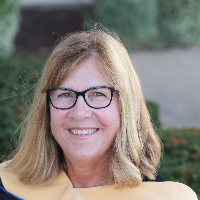
Illinois · 23 yrs exp
Licensed clinical social worker - mood and relationships
Stress, Anxiety · Trauma and abuse · Anger · Depression · +10 more
Read profile
Wisconsin · 18 yrs exp
Licensed Clinical Social Worker - Relationships and Stress
Stress, Anxiety · Parenting · Self esteem · Depression · +11 more
Read profile
Connecticut · 24 yrs exp
Licensed Clinical Social Worker - Anxiety and Addictions
Stress, Anxiety · Addictions · Family · Bipolar · +10 more
Read profile
California · 10 yrs exp
Licensed Clinical Social Worker - stress and trauma
Stress, Anxiety · Addictions · Parenting · Self esteem · +12 more
Read profile
Kentucky · 8 yrs exp
Licensed Clinical Social Worker - Stress and Relationships
Stress, Anxiety · Relationship · Family · Trauma and abuse · +5 more
Read profile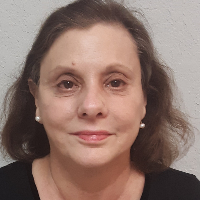
Florida · 32 yrs exp
Licensed Clinical Social Worker - Stress and Trauma
Stress, Anxiety · Trauma and abuse · Grief · Depression · +14 more
Read profile
Illinois · 39 yrs exp
Licensed Clinical Social Worker - stress and relationships
Stress, Anxiety · Relationship · Grief · Sleeping · +1 more
Read profile
Colorado · 22 yrs exp
Licensed Clinical Social Worker - adult mental health
Stress, Anxiety · Relationship · Trauma and abuse · Depression · +16 more
Read profile
New York · 25 yrs exp
Licensed Clinical Social Worker - Stress and Relationships
Stress, Anxiety · Relationship · Family · Trauma and abuse · +15 more
Read profile
Illinois · 3 yrs exp
Licensed Clinical Social Worker - Stress and Relationships
Stress, Anxiety · Addictions · LGBT · Relationship · +10 more
Read profile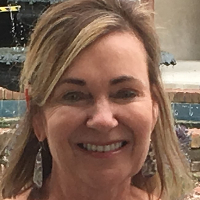
Kentucky · 15 yrs exp
Licensed Clinical Social Worker - relationships and mood
Stress, Anxiety · Relationship · Parenting · Anger · +13 more
Read profile
Florida · 20 yrs exp
Licensed Clinical Social Worker - Relationships and Stress
Stress, Anxiety · Relationship · Family · Trauma and abuse · +16 more
Read profile
Utah · 30 yrs exp
Licensed social worker - mood and dependency concerns
Stress, Anxiety · Trauma and abuse · Grief · Anger · +1 more
Read profile
Florida · 19 yrs exp
Licensed Clinical Social Worker - Stress and Trauma
Stress, Anxiety · Trauma and abuse · Grief · Depression · +9 more
Read profile
Indiana · 33 yrs exp
Licensed clinical social worker - mood and relationships
Stress, Anxiety · Parenting · Anger · Depression · +13 more
Read profile
Connecticut · 16 yrs exp
Licensed clinical social worker - Stress and relationships
Stress, Anxiety · Addictions · Family · Anger · +14 more
Read profile
Florida · 3 yrs exp
Licensed Clinical Social Worker - Relationships and Stress
Stress, Anxiety · Relationship · Trauma and abuse · Parenting · +11 more
Read profile
Idaho · 18 yrs exp
Licensed Clinical Social Worker - Anxiety and Trauma
Stress, Anxiety · Trauma and abuse · Grief · Self esteem · +10 more
Read profile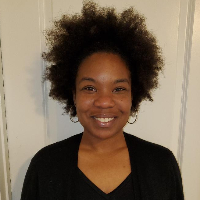
North Carolina · 15 yrs exp
Licensed Clinical Social Worker - Trauma and Relationships
LGBT · Relationship · Family · Parenting · +7 more
Read profile
Florida · 16 yrs exp
Dr. Amary Alcide - LCSW, stress and relationships
Stress, Anxiety · Relationship · Parenting · Self esteem · +8 more
Read profileControl issues can show up in many ways - a constant need to influence outcomes, difficulty tolerating uncertainty, rigid routines, or patterns of micromanaging relationships and work. For some people the urge to control is a coping response to anxiety or past instability. For others it is shaped by family roles, workplace demands, financial pressures, or community expectations. Because licensed clinical social workers bring a person-in-environment perspective, they look not only at your internal experience but also at living conditions that shape behavior. That means an LCSW will consider housing, employment, caregiving responsibilities, cultural background, and access to services when helping you understand how control behaviors developed and persist.
Control issues are not a single diagnosis. They can co-occur with anxiety, obsessive thoughts, trauma histories, or relational patterns that make it hard to trust others. You might notice control behaviors in how you plan, in how you handle setbacks, or in how you respond to loved ones. Addressing these patterns often means shifting both thinking and context - changing expectations, experimenting with new ways of delegating, and expanding what you tolerate without feeling overwhelmed. Because social work training emphasizes systems, an LCSW can help you see how outside factors - work schedules, financial strain, family roles - feed the need for control and what realistic adjustments might reduce pressure.
There are several indications that control issues are causing meaningful difficulty in your life. You may experience frequent conflict with partners, friends, or colleagues when others do not meet your standards. You may feel persistent anxiety when plans change or when responsibilities are shared. Control efforts can lead to exhaustion, a sense of isolation, or burnout because managing every detail is time-consuming and emotionally draining. Some people notice that their strict standards interfere with parenting, team leadership, or daily functioning. Others feel shame or frustration when they cannot relax or delegate without intrusive thoughts about outcomes.
If your control patterns affect your relationships, work performance, or wellbeing, working with an LCSW may help you identify underlying triggers and develop more flexible strategies. An LCSW can also help you address practical barriers that contribute to control - inadequate supports at work, caregiving burdens, or unstable housing can all intensify the need to control what you can. Choosing a clinician who understands both the personal and environmental contributors to control gives you options for change that extend beyond individual coping skills.
When you work with an LCSW for control issues, sessions usually begin with a careful assessment of your concerns and the life context around them. Expect conversations about how control shows up in everyday situations, which outcomes feel most important to you, and what you hope will change. Because social workers are trained to integrate social context into care, early sessions often explore stressors like job demands, caregiving roles, financial strain, or community pressures that may sustain controlling patterns.
Therapy is typically collaborative and goal-oriented. You and your LCSW will identify small, measurable steps to test new behaviors - for example, practicing delegation in a low-risk setting or tolerating minor schedule changes while observing your emotional response. Sessions may include skills practice, reflective discussion about beliefs that fuel control, and problem-solving around environmental adjustments that make change feasible. Progress can be uneven; learning to tolerate uncertainty takes time. Your LCSW will help you track how shifts in context - added support, boundary-setting, or resource navigation - interact with internal changes, and will adjust plans to fit your life circumstances.
Because licensed clinical social workers routinely address systems, they can also assist with referrals and resources when external factors contribute to control. If work overload or caregiving demands make controlling everything feel necessary, an LCSW can help you explore community supports, workplace accommodations, or public benefits that may reduce pressure. This dual attention to inner experience and lived circumstances sets the stage for sustainable change.
Therapists who list cognitive and behavioral approaches often focus on identifying the thoughts and beliefs that drive controlling behaviors and on practicing new responses. You may work on noticing perfectionistic thinking, testing alternative predictions about what will happen if you let go, and building tolerance for uncertainty through gradual exposure. Therapists who list relational or psychodynamic approaches may help you trace how early attachment patterns and family roles shaped your need for control and will explore emotional themes that surface in relationships.
Some LCSWs describe using skills-focused approaches that emphasize emotion regulation and distress tolerance when control is linked to intense anxiety. Others may integrate problem-solving strategies that address concrete life stressors - adjusting daily routines, changing role expectations, or negotiating boundaries with others. Because the directory records only what therapists list among their approaches, you will find clinicians who identify a range of strategies. When you read profiles, look for language about focus areas and experience that resonate with your priorities - whether that is reducing anxiety, improving relationships, or navigating workplace dynamics.
Online sessions make it possible to work with an LCSW from your home, office, or another place that fits your schedule. Remote sessions can be especially useful when control issues are tied to logistical stressors - lengthy commutes, childcare demands, or uneven local resources. Meeting online can reduce travel time and make it easier to coordinate therapy around a busy week. In a remote setting you may also use real-life moments as material for work - discussing how you attempted to delegate at work earlier in the day or how a family interaction unfolded that morning.
Working remotely does not change the substance of the work. You and an LCSW will still explore patterns, practice new behaviors, and address environmental factors. What differs is the convenience and the opportunity to bring real-world examples from your daily environment into sessions quickly. When reviewing profiles, consider language about approaches and experience that align with online work if remote sessions matter to you. Many LCSWs list whether they provide telehealth and note the populations they commonly work with. Use that information to find a clinician whose described focus areas and language feel relevant to your situation.
Selecting a therapist is a personal decision. Start by reading profiles to understand who lists control issues or related focus areas - anxiety, relationships, stress, or trauma. Pay attention to stated approaches and to descriptions of experience with life circumstances similar to yours. If your needs relate to workplace stress, look for mentions of work-related support. If caregiving or family roles contribute to your efforts to control, prioritize clinicians who explicitly reference family systems or caregiving contexts.
Consider practical elements that matter to you - whether you want sessions in person or online, whether language or cultural background is important, or whether you prefer a clinician with experience in certain life stages or communities. Because the directory lists licensed clinical social workers, you can be confident each clinician has completed graduate social work education, a state-set period of supervised post-graduate clinical experience, and a clinical licensing exam. Licensing requirements vary by state, so the scope of practice and exact title may differ where you live. Use profile details about focus areas, approaches, languages, and experience to narrow your options. If a profile’s language resonates with your situation, that match is a useful starting point for reaching out and learning more about whether the clinician is a fit for how you want to work.
Choosing to address control issues is a step toward greater flexibility and relief from constant oversight. Working with an LCSW gives you access to a clinician trained to connect inner experience with the conditions that shape it, helping you develop strategies that fit your real life. Take your time reviewing profiles and look for the combination of clinical focus and practical experience that feels most relevant to your goals.
Alabama
26 therapists
Alaska
18 therapists
Arizona
94 therapists
Arkansas
58 therapists
California
696 therapists
Colorado
143 therapists
Connecticut
115 therapists
Delaware
36 therapists
District of Columbia
7 therapists
Florida
827 therapists
Georgia
164 therapists
Hawaii
37 therapists
Idaho
41 therapists
Illinois
401 therapists
Indiana
195 therapists
Iowa
9 therapists
Kansas
27 therapists
Kentucky
142 therapists
Louisiana
134 therapists
Maine
50 therapists
Maryland
22 therapists
Massachusetts
14 therapists
Michigan
38 therapists
Minnesota
13 therapists
Mississippi
68 therapists
Missouri
151 therapists
Montana
57 therapists
Nebraska
2 therapists
Nevada
56 therapists
New Hampshire
16 therapists
New Jersey
227 therapists
New Mexico
50 therapists
New York
535 therapists
North Carolina
358 therapists
North Dakota
11 therapists
Ohio
31 therapists
Oklahoma
80 therapists
Oregon
65 therapists
Pennsylvania
225 therapists
Rhode Island
3 therapists
South Carolina
35 therapists
South Dakota
2 therapists
Tennessee
95 therapists
Texas
483 therapists
Utah
89 therapists
Vermont
3 therapists
Virginia
187 therapists
Washington
16 therapists
West Virginia
5 therapists
Wisconsin
122 therapists
Wyoming
19 therapists