Licensed clinical social worker recordFlorida
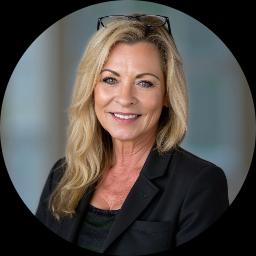
Caroline Brennan, LCSW
Florida
Licensed Clinical Social Worker - Relationships and Stress
Continue with CarolineCredentials check
- Credentials
- LCSW
- Licensed in Florida
- LCSW, licence SW13311
- NPI
- 1447994637
- Experience
- 3 years
- Languages
- English
- Location
- Florida
These details come from information Caroline supplied to BetterHelp. A licence can be checked with the social work board of the state that issued it, and an NPI with the national registry.
AAbout
- Attachment-based work
- Client-centered listening
- CBT tools
About Caroline
Caroline Brennan is a Licensed Clinical Social Worker (LCSW) licensed in Florida with three years of experience. She works with people facing stress, anxiety, relationship problems, trauma and abuse, parenting challenges, and self-esteem concerns. She also supports clients dealing with grief, anger, career pressures, and major life changes.
Caroline uses practical, relationship-focused methods in sessions. She draws on attachment-based ideas to look at how early patterns affect present relationships. She uses client-centered listening so people can name their goals and feel heard. Cognitive Behavioral Therapy tools are used to change unhelpful thoughts and behaviors when that fits the concern.
Her work includes attention to ADHD, compassion fatigue, and issues like abandonment, adoption and foster care, and blended family stress. She also addresses domestic violence, dissociation, and family-of-origin problems in ways that prioritize safety and pacing. Sessions can include coaching elements for career and coping skills when useful.
Caroline has practiced in a range of settings earlier in her career, including shelters, hospitals, schools, and family preservation programs. That background informs how she approaches practical problems and everyday stressors. She keeps sessions focused on clear steps and manageable goals.
People who want straightforward, relational work often choose her. She listens first, then helps people set realistic plans to reduce distress, improve communication, and manage change.
BHow sessions work
How her approaches translate to remote sessions
Attachment-based work looks at how early relationships affect how people connect now. In online sessions that can mean talking through patterns in close relationships and practicing different ways of responding in real time. Client-centered methods focus on careful listening and letting the client set the pace and priorities; this helps people identify immediate goals they want to work on during remote meetings. Cognitive Behavioral Therapy, or CBT, uses straightforward exercises to spot and change unhelpful thoughts and behaviors; those exercises can be discussed and practiced during a remote session and applied between meetings.Finding the right method is a collaborative process. The therapist will ask about the client's goals, preferences, and day-to-day constraints, then recommend approaches to try. If one method does not fit, adjustments are made together so the work stays practical and relevant to the client's life.
The biography does not list specific session formats, so confirm current options before scheduling. Many people choose remote sessions to fit therapy into work or family schedules, to have shorter check-ins on busy days, or to avoid travel time. These practical benefits help sessions become part of everyday life while keeping the focus on clear steps, improved communication, and manageable coping skills.
CAreas of focus
Areas of expertise
Primary focus
Also works with
Additional focus areas
Therapeutic approaches
Experience
3+ years
Listed in
Florida
Languages
English
DQuestions
Frequently asked questions
What kinds of problems does she help with?
She helps people with stress, anxiety, relationship difficulties, trauma and abuse, parenting challenges, self-esteem, grief, anger, career strain, depression, and coping with life changes.
How would you describe her therapy style?
Her style is relationship-focused and practical. She listens first, then uses attachment ideas, client-centered dialogue, and CBT techniques to address problems.
How much direct experience does she have?
She has three years of clinical experience. Her background includes work in shelters, hospitals, schools, and family programs.
Is she licensed and where does she practice?
She is a Licensed Clinical Social Worker (LCSW) licensed in Florida.
Can sessions be conducted in languages other than English?
Sessions are offered in English.
Does she accept international clients?
She does not accept international clients at this time.
What are the session formats?
The original biography does not specify session formats. Please confirm current session options before booking.
How are costs and subscriptions handled?
Cost varies with location and sessions use a subscription that can be canceled at any time.
Online talk therapy is not emergency care. If you are in danger, call 911, or call or text 988. More crisis numbers