
Velma Jones
LCSWNew York · 29 yrs exp
Licensed Clinical Social Worker - Relationships and Mood
Stress, Anxiety · Relationship · Trauma and abuse · Depression · +10 more
Read profileTherapist listings are provided by BetterHelp. We will earn a commission at no additional cost to you if you use our links to purchase.
On this page you will find licensed clinical social workers (LCSWs) who list young adult issues as a focus. These LCSWs take a person-in-environment view, looking at both your inner experience and life circumstances when addressing young adult concerns. Browse the listings below to review profiles and learn more about each professional.
New York · 29 yrs exp
Licensed Clinical Social Worker - Relationships and Mood
Stress, Anxiety · Relationship · Trauma and abuse · Depression · +10 more
Read profile
Illinois · 17 yrs exp
Licensed clinical social worker - trauma and life transitions
Trauma and abuse · Coping with life changes · Stress, Anxiety · Relationship · +9 more
Read profile
Colorado · 19 yrs exp
Licensed Clinical Social Worker - Stress and Relationships
Stress, Anxiety · Relationship · Trauma and abuse · Grief · +12 more
Read profile
Texas · 13 yrs exp
Licensed Clinical Social Worker - Stress and Relationship support
Stress, Anxiety · Relationship · Trauma and abuse · Anger · +11 more
Read profile
Florida · 23 yrs exp
Licensed clinical social worker - LGBT and intimacy issues
LGBT · Intimacy-related issues
Read profile
Missouri · 16 yrs exp
Licensed clinical social worker - mood and trauma support
Stress, Anxiety · Trauma and abuse · Self esteem · Bipolar · +12 more
Read profile
North Carolina · 10 yrs exp
Licensed Clinical Social Worker - Anxiety and Relationships
Stress, Anxiety · Relationship · Family · Bipolar · +16 more
Read profile
New York · 35 yrs exp
Licensed Clinical Social Worker - stress and relationships
Stress, Anxiety · Self esteem · Career · ADHD · +10 more
Read profile
North Carolina · 13 yrs exp
Licensed Clinical Social Worker - Stress and Relationships
Stress, Anxiety · Relationship · Family · Self esteem · +13 more
Read profile
California · 14 yrs exp
Licensed Clinical Social Worker - trauma and life transitions
Stress, Anxiety · Trauma and abuse · Grief · Self esteem · +8 more
Read profile
Louisiana · 16 yrs exp
Licensed Clinical Social Worker - mood and relationships
Stress, Anxiety · Relationship · Trauma and abuse · Bipolar · +16 more
Read profile
Florida · 10 yrs exp
Licensed Clinical Social Worker - stress and family concerns
Stress, Anxiety · Addictions · Family · Grief · +8 more
Read profile
New York · 30 yrs exp
Licensed Clinical Social Worker - Relationships and Life Changes
Stress, Anxiety · Relationship · Parenting · Self esteem · +11 more
Read profile
Texas · 21 yrs exp
Licensed Clinical Social Worker - Life changes and relationships
Stress, Anxiety · Relationship · Trauma and abuse · Intimacy-related issues · +15 more
Read profile
Illinois · 25 yrs exp
Licensed clinical social worker - anxiety and life changes
Stress, Anxiety · Self esteem · Career · Coping with life changes · +10 more
Read profile
Louisiana · 14 yrs exp
Licensed clinical social worker - Stress and trauma
Stress, Anxiety · Anger · Self esteem · Depression · +9 more
Read profile
Mississippi · 12 yrs exp
Licensed clinical social worker - stress and addiction
Stress, Anxiety · Addictions · Anger · Self esteem · +12 more
Read profile
Texas · 33 yrs exp
Licensed Clinical Social Worker - Relationships and Stress
Stress, Anxiety · Relationship · Family · Self esteem · +11 more
Read profile
Texas · 20 yrs exp
Licensed social worker - stress and addiction
Stress, Anxiety · Addictions · Family · Grief · +15 more
Read profile
Colorado · 9 yrs exp
Licensed Clinical Social Worker - stress and relationships
Stress, Anxiety · Relationship · Grief · Depression · +11 more
Read profile
New Mexico · 3 yrs exp
Licensed Clinical Social Worker - Trauma and Anxiety
Stress, Anxiety · Trauma and abuse · Depression · Compassion fatigue · +9 more
Read profile
Florida · 28 yrs exp
Licensed Clinical Social Worker - Anxiety and Addictions
Addictions · Trauma and abuse · Parenting · Bipolar · +15 more
Read profile
Arkansas · 44 yrs exp
Licensed clinical social worker - stress and trauma
Stress, Anxiety · Trauma and abuse · Grief · Self esteem · +16 more
Read profile
California · 20 yrs exp
Licensed Clinical Social Worker - Stress and Relationships
Stress, Anxiety · Relationship · Family · Parenting · +15 more
Read profile
Mississippi · 21 yrs exp
Licensed Clinical Social Worker - stress and family concerns
Stress, Anxiety · Family · Parenting · Anger · +9 more
Read profile
Tennessee · 15 yrs exp
Licensed Clinical Social Worker - Relationships and Stress
Stress, Anxiety · Relationship · Family · Self esteem · +9 more
Read profile
Missouri · 35 yrs exp
LCSW - Stress and trauma-focused clinician
Stress, Anxiety · Trauma and abuse · Anger · Bipolar · +13 more
Read profile
New York · 15 yrs exp
Licensed Clinical Social Worker - Relationships and Addictions
Stress, Anxiety · Addictions · Relationship · Self esteem · +10 more
Read profile
Texas · 5 yrs exp
Licensed Clinical Social Worker - relationships and trauma
Stress, Anxiety · Relationship · Family · Trauma and abuse · +9 more
Read profile
Mississippi · 36 yrs exp
Licensed Clinical Social Worker - Family and Parenting
Family · Parenting · Anger · Self esteem · +11 more
Read profile
Florida · 28 yrs exp
Licensed clinical social worker - stress and trauma
Stress, Anxiety · Addictions · Trauma and abuse · Self esteem · +13 more
Read profile
New York · 14 yrs exp
Licensed Clinical Social Worker - stress and relationships
Stress, Anxiety · Relationship · Trauma and abuse · Self esteem · +5 more
Read profile
Wyoming · 14 yrs exp
Licensed clinical social worker - mood and relationships
Addictions · Relationship · Depression · Coping with life changes · +11 more
Read profile
Connecticut · 24 yrs exp
Licensed clinical social worker - stress and mood concerns
Stress, Anxiety · Relationship · Grief · Self esteem · +11 more
Read profile
Texas · 6 yrs exp
Licensed Clinical Social Worker - Trauma and Relationships
Stress, Anxiety · Relationship · Trauma and abuse · Self esteem · +1 more
Read profile
Indiana · 12 yrs exp
Licensed clinical social worker - mood and trauma
Stress, Anxiety · Trauma and abuse · Self esteem · Bipolar · +10 more
Read profile
Texas · 11 yrs exp
Licensed Clinical Social Worker - relationships and stress
Stress, Anxiety · Relationship · Trauma and abuse · Self esteem · +5 more
Read profile
Florida · 25 yrs exp
Licensed clinical social worker - mood and coping
Stress, Anxiety · Addictions · Grief · Bipolar · +5 more
Read profile
Texas · 35 yrs exp
Licensed Clinical Social Worker - Stress and Trauma
Stress, Anxiety · Relationship · Family · Trauma and abuse · +14 more
Read profile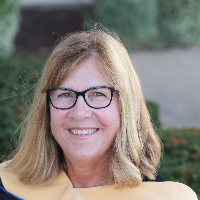
Illinois · 23 yrs exp
Licensed clinical social worker - mood and relationships
Stress, Anxiety · Trauma and abuse · Anger · Depression · +10 more
Read profile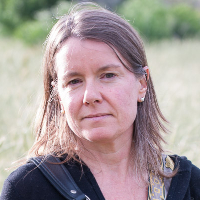
Colorado · 20 yrs exp
Licensed Clinical Social Worker - Stress and Trauma
Stress, Anxiety · Trauma and abuse · Grief · Depression · +15 more
Read profile
Wisconsin · 18 yrs exp
Licensed Clinical Social Worker - Relationships and Stress
Stress, Anxiety · Parenting · Self esteem · Depression · +11 more
Read profile
Kentucky · 8 yrs exp
Licensed Clinical Social Worker - Stress and Relationships
Stress, Anxiety · Relationship · Family · Trauma and abuse · +5 more
Read profile
North Carolina · 10 yrs exp
Licensed Clinical Social Worker - Stress and Trauma
Stress, Anxiety · Trauma and abuse · Self esteem · Depression · +1 more
Read profile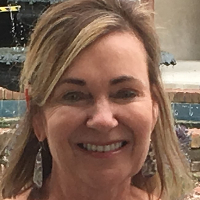
Kentucky · 15 yrs exp
Licensed Clinical Social Worker - relationships and mood
Stress, Anxiety · Relationship · Parenting · Anger · +13 more
Read profile
Florida · 20 yrs exp
Licensed Clinical Social Worker - Relationships and Stress
Stress, Anxiety · Relationship · Family · Trauma and abuse · +16 more
Read profile
Utah · 30 yrs exp
Licensed social worker - mood and dependency concerns
Stress, Anxiety · Trauma and abuse · Grief · Anger · +1 more
Read profile
Indiana · 33 yrs exp
Licensed clinical social worker - mood and relationships
Stress, Anxiety · Parenting · Anger · Depression · +13 more
Read profile
Connecticut · 16 yrs exp
Licensed clinical social worker - Stress and relationships
Stress, Anxiety · Addictions · Family · Anger · +14 more
Read profile
Florida · 3 yrs exp
Licensed Clinical Social Worker - Relationships and Stress
Stress, Anxiety · Relationship · Trauma and abuse · Parenting · +11 more
Read profile
Missouri · 39 yrs exp
Licensed clinical social worker - Trauma and mood concerns
Trauma and abuse · Grief · Anger · Self esteem · +9 more
Read profile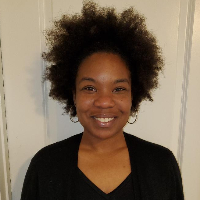
North Carolina · 15 yrs exp
Licensed Clinical Social Worker - Trauma and Relationships
LGBT · Relationship · Family · Parenting · +7 more
Read profile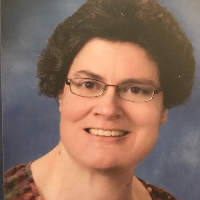
Indiana · 35 yrs exp
Licensed clinical social worker - stress and grief
Stress, Anxiety · Grief · Self esteem · Depression · +4 more
Read profile
New York · 8 yrs exp
Licensed Clinical Social Worker - anxiety and trauma
Stress, Anxiety · Addictions · Relationship · Trauma and abuse · +12 more
Read profile
Illinois · 12 yrs exp
Licensed clinical social worker - mood and coping support
Stress, Anxiety · Trauma and abuse · Bipolar · Depression · +12 more
Read profile
Florida · 13 yrs exp
Licensed Clinical Social Worker - Stress and Relationships
Stress, Anxiety · Relationship · Trauma and abuse · Self esteem · +4 more
Read profile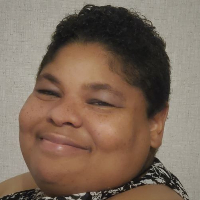
Texas · 3 yrs exp
Licensed Clinical Social Worker - mood and stress concerns
Stress, Anxiety · Anger · Depression · Addictions · +8 more
Read profile
Louisiana · 11 yrs exp
Licensed Clinical Social Worker - mood and trauma support
Stress, Anxiety · Addictions · LGBT · Trauma and abuse · +12 more
Read profile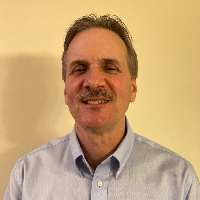
Virginia · 40 yrs exp
Licensed Clinical Social Worker - stress and addiction focus
Stress, Anxiety · Addictions · Trauma and abuse · Grief · +16 more
Read profile
Illinois · 11 yrs exp
Licensed Clinical Social Worker - Stress and Trauma
Stress, Anxiety · Trauma and abuse · Grief · Self esteem · +4 more
Read profileYoung adult issues cover the range of emotional and practical challenges that often arise during the transition from adolescence to full adult independence. You may be navigating choices about education, work, housing, financial independence, relationships, identity, or caregiving roles. For many people, these years also bring questions about mental health, such as anxiety, depression, impulse control, or difficulties following a traumatic event. Licensed clinical social workers bring a specific training background to these concerns. An LCSW has completed a master's degree in social work, a state-defined period of supervised clinical experience, and the state licensing exam. Because social work training emphasizes person-in-environment, an LCSW will routinely consider your living situation, employment or school pressures, family dynamics, access to community resources, and systemic barriers alongside your emotional experience.
This means an LCSW's work often blends conversation about feelings with practical problem solving and connections to community supports. You might talk about relationship patterns in one session, and then address housing paperwork, financial planning, or linkages to campus or community services in another. That broader lens is one reason someone might specifically choose a therapist who holds an LCSW credential when facing the multi-layered issues that show up during young adulthood.
It can be hard to know when to reach out for support. You might benefit from working with an LCSW if you notice persistent patterns that interfere with daily life - for example ongoing anxiety or low mood that makes it hard to attend classes or keep a job, repeated conflict in relationships, or difficulty making decisions about major life steps. Struggles with boundaries, frequent crises around housing or finances, or feeling unable to manage new responsibilities are also common reasons people seek help. If substance use, legal issues, or repeated panic attacks are present, an LCSW can help you map options and coordinate referrals as needed.
Because social workers routinely assess the environmental contributors to distress, you may also find value if the source of difficulty relates to external factors - unstable housing, work exploitation, lack of health care access, or immigration concerns. Even when the presenting problem feels strictly emotional, exploring the wider context often reveals practical levers for change. If you feel stuck despite trying on your own, or if problems are worsening, speaking with an LCSW can give you a structured way to identify goals and next steps.
The first few sessions with an LCSW often involve a conversational assessment - you and the clinician will talk about the difficulties that brought you to therapy, recent life events, and the ways your environment shapes your stressors and supports. An LCSW will typically ask about work or school, housing, relationships, finances, family history, and community connections as part of that assessment. You and the LCSW will then work together to set goals that may be clinical, practical, or both - for example reducing panic symptoms, improving communication with a partner, or developing a plan for independent living.
Therapy sessions frequently blend emotional processing with skills practice and problem solving. In one week you might explore how a pattern of self-criticism developed, and in the next you might rehearse a difficult conversation or create a checklist for applying to apartments. LCSWs often take a collaborative stance - asking you what matters most and adapting approaches to your pace and preferences. If you need help connecting with community services, benefits, or educational supports, an LCSW can often provide information or referrals and coordinate with other professionals while respecting your autonomy.
Licensed clinical social workers draw on many established approaches and will often describe the methods they use when listing specialties. You will see clinicians who list cognitive behavioral approaches, which focus on identifying and changing unhelpful thought and behavior patterns. Others may list interpersonal or psychodynamic approaches, which explore relationship patterns and deeper emotional themes. You may also find clinicians who list motivational strategies for supporting behavior change, trauma-informed practices to address past harm, acceptance-based approaches to increase psychological flexibility, or strengths-based and solution-focused orientations that emphasize practical steps and personal resources.
Because the LCSW credential is rooted in social work values, many professionals also mention case-management skills or advocacy as part of their practice. That can mean working with you to navigate systems such as student services, housing programs, employment supports, or public benefits while also attending to your emotional needs. When you review profiles, pay attention to the approaches a clinician lists and think about how those descriptions match the kinds of conversation and help you want. Remember that a listing of an approach indicates that a therapist uses or references it, not that a particular certification is implied.
Online sessions with an LCSW usually take place over video or phone and can be useful if travel, work, school, or geographic distance are barriers. Sessions mirror in-person ones in many ways - you still meet at an agreed time, talk about goals, and work on emotional and practical challenges - while technology simply provides a different medium. It helps to choose a quiet personal space where you can speak without interruption and to test your device and internet connection before meeting. Keep in mind that rules about licensure and telehealth vary by state. The LCSW license is issued and overseen by state boards, and those regulations influence where a clinician can legally practice; licensure also determines scope of practice, which can differ between states.
When you look through profiles, focus on a few consistent factors that affect fit. Notice whether a clinician lists young adult or transitional-age youth experience and whether they describe working with issues similar to yours - such as school-to-work transitions, relationship challenges, or housing concerns. Consider the approaches they list and imagine whether you prefer a conversation that is more skills-focused, insight-oriented, or practical and service-linked. Languages spoken, cultural background, and experience with communities like LGBTQ+ youth, first-generation students, or veterans can also be important when cultural understanding matters to you.
It can be helpful to read clinician biographies to see how they describe their work in plain language - look for statements about how they approach collaboration, what they prioritize in early sessions, and whether they mention linking clients to resources. Keep in mind that the LCSW credential indicates a particular educational and licensure pathway and a commitment to addressing environmental as well as psychological factors. Use those clues to choose clinicians whose profiles reflect the balance of emotional and practical help you want. Once you identify a few whose descriptions resonate, you can reach out using the contact paths provided on their profiles to learn more about their approach and whether it feels like a good match for your needs.
Choosing a therapist is a personal process and many people take time to find someone who feels right. A licensed clinical social worker can offer a blend of therapeutic conversation and practical assistance that often fits well with the complex, transitional nature of young adulthood. By focusing on credentials, focus areas, approaches, languages, and relevant experience, you can identify professionals whose profiles align with your goals and preferences.
Alabama
26 therapists
Alaska
18 therapists
Arizona
94 therapists
Arkansas
58 therapists
California
696 therapists
Colorado
143 therapists
Connecticut
115 therapists
Delaware
36 therapists
District of Columbia
7 therapists
Florida
827 therapists
Georgia
164 therapists
Hawaii
37 therapists
Idaho
41 therapists
Illinois
401 therapists
Indiana
195 therapists
Iowa
9 therapists
Kansas
27 therapists
Kentucky
142 therapists
Louisiana
134 therapists
Maine
50 therapists
Maryland
22 therapists
Massachusetts
14 therapists
Michigan
38 therapists
Minnesota
13 therapists
Mississippi
68 therapists
Missouri
151 therapists
Montana
57 therapists
Nebraska
2 therapists
Nevada
56 therapists
New Hampshire
16 therapists
New Jersey
227 therapists
New Mexico
50 therapists
New York
535 therapists
North Carolina
358 therapists
North Dakota
11 therapists
Ohio
31 therapists
Oklahoma
80 therapists
Oregon
65 therapists
Pennsylvania
225 therapists
Rhode Island
3 therapists
South Carolina
35 therapists
South Dakota
2 therapists
Tennessee
95 therapists
Texas
483 therapists
Utah
89 therapists
Vermont
3 therapists
Virginia
187 therapists
Washington
16 therapists
West Virginia
5 therapists
Wisconsin
122 therapists
Wyoming
19 therapists