
Velma Jones
LCSWNew York · 29 yrs exp
Licensed Clinical Social Worker - Relationships and Mood
Stress, Anxiety · Relationship · Trauma and abuse · Depression · +10 more
Read profileTherapist listings are provided by BetterHelp. We will earn a commission at no additional cost to you if you use our links to purchase.
Browse licensed clinical social workers (LCSWs) who work with survivors of trauma and abuse. Use the listings below to review each clinician's focus areas, approaches, languages, and experience.
Read the guidance on this page to learn what trauma-focused work can involve and how an LCSW might support you as you consider next steps.
New York · 29 yrs exp
Licensed Clinical Social Worker - Relationships and Mood
Stress, Anxiety · Relationship · Trauma and abuse · Depression · +10 more
Read profile
Florida · 14 yrs exp
Florida LCSW - Stress and Relationship Support
Stress, Anxiety · Grief · Anger · Self esteem · +12 more
Read profile
Illinois · 17 yrs exp
Licensed clinical social worker - trauma and life transitions
Trauma and abuse · Coping with life changes · Stress, Anxiety · Relationship · +9 more
Read profile
Colorado · 19 yrs exp
Licensed Clinical Social Worker - Stress and Relationships
Stress, Anxiety · Relationship · Trauma and abuse · Grief · +12 more
Read profile
Texas · 13 yrs exp
Licensed Clinical Social Worker - Stress and Relationship support
Stress, Anxiety · Relationship · Trauma and abuse · Anger · +11 more
Read profile
New Jersey · 15 yrs exp
Licensed Clinical Social Worker - Stress and Family
Stress, Anxiety · Family · Trauma and abuse · Parenting · +10 more
Read profile
New York · 24 yrs exp
Licensed Clinical Social Worker - Anxiety and Depression
Stress, Anxiety · Relationship · Anger · Self esteem · +12 more
Read profile
Missouri · 36 yrs exp
Licensed Clinical Social Worker - Mood and Trauma
Stress, Anxiety · Relationship · Trauma and abuse · Intimacy-related issues · +15 more
Read profile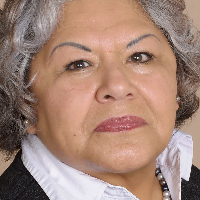
Nevada · 3 yrs exp
Licensed clinical social worker - anxiety and relationships
Stress, Anxiety · Relationship · Family · Trauma and abuse · +11 more
Read profile
Missouri · 16 yrs exp
Licensed clinical social worker - mood and trauma support
Stress, Anxiety · Trauma and abuse · Self esteem · Bipolar · +12 more
Read profile
North Carolina · 10 yrs exp
Licensed Clinical Social Worker - Anxiety and Relationships
Stress, Anxiety · Relationship · Family · Bipolar · +16 more
Read profile
New York · 35 yrs exp
Licensed Clinical Social Worker - stress and relationships
Stress, Anxiety · Self esteem · Career · ADHD · +10 more
Read profile
North Carolina · 13 yrs exp
Licensed Clinical Social Worker - Stress and Relationships
Stress, Anxiety · Relationship · Family · Self esteem · +13 more
Read profile
Florida · 11 yrs exp
Licensed Clinical Social Worker - addiction and mood concerns
Addictions · Relationship · Self esteem · Depression · +9 more
Read profile
New Jersey · 10 yrs exp
Licensed Clinical Social Worker - Anxiety and Trauma
Stress, Anxiety · Family · Trauma and abuse · Self esteem · +3 more
Read profile
California · 14 yrs exp
Licensed Clinical Social Worker - trauma and life transitions
Stress, Anxiety · Trauma and abuse · Grief · Self esteem · +8 more
Read profile
New York · 25 yrs exp
Licensed Clinical Social Worker - stress and trauma
Stress, Anxiety · Trauma and abuse · Self esteem · Depression · +7 more
Read profile
Louisiana · 16 yrs exp
Licensed Clinical Social Worker - mood and relationships
Stress, Anxiety · Relationship · Trauma and abuse · Bipolar · +16 more
Read profile
Florida · 10 yrs exp
Licensed Clinical Social Worker - stress and family concerns
Stress, Anxiety · Addictions · Family · Grief · +8 more
Read profile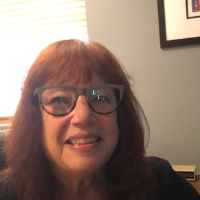
New York · 30 yrs exp
Licensed Clinical Social Worker - Relationships and Life Changes
Stress, Anxiety · Relationship · Parenting · Self esteem · +11 more
Read profile
Texas · 21 yrs exp
Licensed Clinical Social Worker - Life changes and relationships
Stress, Anxiety · Relationship · Trauma and abuse · Intimacy-related issues · +15 more
Read profile
New York · 10 yrs exp
Licensed Clinical Social Worker - Stress and Relationships
Stress, Anxiety · Relationship · Family · Grief · +12 more
Read profile
Indiana · 11 yrs exp
Licensed Clinical Social Worker - Relationships and Trauma
Stress, Anxiety · Grief · Depression · Coping with life changes · +8 more
Read profile
Florida · 22 yrs exp
Licensed Clinical Social Worker - stress and anxiety
Stress, Anxiety · Self esteem · Depression · Coping with life changes · +5 more
Read profile
New Jersey · 8 yrs exp
Licensed clinical social worker - mood and trauma
Stress, Anxiety · Relationship · Trauma and abuse · Bipolar · +14 more
Read profile
Louisiana · 14 yrs exp
Licensed clinical social worker - Stress and trauma
Stress, Anxiety · Anger · Self esteem · Depression · +9 more
Read profile
Mississippi · 12 yrs exp
Licensed clinical social worker - stress and addiction
Stress, Anxiety · Addictions · Anger · Self esteem · +12 more
Read profile
Texas · 8 yrs exp
Licensed Clinical Social Worker - Stress and Relationships
Stress, Anxiety · Relationship · Self esteem · Depression · +8 more
Read profile
Tennessee · 35 yrs exp
Licensed Clinical Social Worker - Stress and Relationships
Stress, Anxiety · Grief · Self esteem · Depression · +8 more
Read profile
Georgia · 25 yrs exp
Licensed clinical social worker - mood and relationships
Stress, Anxiety · Parenting · Anger · Self esteem · +15 more
Read profile
Texas · 33 yrs exp
Licensed Clinical Social Worker - Relationships and Stress
Stress, Anxiety · Relationship · Family · Self esteem · +11 more
Read profile
Texas · 20 yrs exp
Licensed social worker - stress and addiction
Stress, Anxiety · Addictions · Family · Grief · +15 more
Read profile
Pennsylvania · 38 yrs exp
Licensed Clinical Social Worker - Stress and Addiction
Stress, Anxiety · Grief · Depression · Addictions · +7 more
Read profile
Colorado · 9 yrs exp
Licensed Clinical Social Worker - stress and relationships
Stress, Anxiety · Relationship · Grief · Depression · +11 more
Read profile
New York · 14 yrs exp
Licensed Clinical Social Worker - Stress and Trauma
Stress, Anxiety · Trauma and abuse · Grief · Depression · +6 more
Read profile
New Mexico · 3 yrs exp
Licensed Clinical Social Worker - Trauma and Anxiety
Stress, Anxiety · Trauma and abuse · Depression · Compassion fatigue · +9 more
Read profile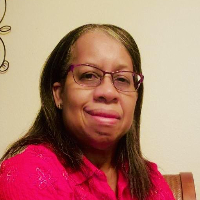
Florida · 28 yrs exp
Licensed Clinical Social Worker - Anxiety and Addictions
Addictions · Trauma and abuse · Parenting · Bipolar · +15 more
Read profile
Arkansas · 44 yrs exp
Licensed clinical social worker - stress and trauma
Stress, Anxiety · Trauma and abuse · Grief · Self esteem · +16 more
Read profile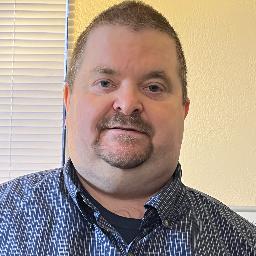
Florida · 20 yrs exp
Licensed clinical social worker - trauma and addictions
Stress, Anxiety · Addictions · Trauma and abuse · Grief · +14 more
Read profile
California · 20 yrs exp
Licensed Clinical Social Worker - Stress and Relationships
Stress, Anxiety · Relationship · Family · Parenting · +15 more
Read profile
Mississippi · 21 yrs exp
Licensed Clinical Social Worker - stress and family concerns
Stress, Anxiety · Family · Parenting · Anger · +9 more
Read profile
Tennessee · 15 yrs exp
Licensed Clinical Social Worker - Relationships and Stress
Stress, Anxiety · Relationship · Family · Self esteem · +9 more
Read profile
Missouri · 35 yrs exp
LCSW - Stress and trauma-focused clinician
Stress, Anxiety · Trauma and abuse · Anger · Bipolar · +13 more
Read profile
New York · 15 yrs exp
Licensed Clinical Social Worker - Relationships and Addictions
Stress, Anxiety · Addictions · Relationship · Self esteem · +10 more
Read profile
North Carolina · 16 yrs exp
Licensed Clinical Social Worker - Addiction and Trauma
Stress, Anxiety · Addictions · Trauma and abuse · Anger · +13 more
Read profile
Michigan · 11 yrs exp
Licensed Clinical Social Worker - Stress and Trauma
Stress, Anxiety · Relationship · Trauma and abuse · Grief · +1 more
Read profile
Texas · 5 yrs exp
Licensed Clinical Social Worker - relationships and trauma
Stress, Anxiety · Relationship · Family · Trauma and abuse · +9 more
Read profile
Mississippi · 36 yrs exp
Licensed Clinical Social Worker - Family and Parenting
Family · Parenting · Anger · Self esteem · +11 more
Read profile
Florida · 28 yrs exp
Licensed clinical social worker - stress and trauma
Stress, Anxiety · Addictions · Trauma and abuse · Self esteem · +13 more
Read profile
New York · 14 yrs exp
Licensed Clinical Social Worker - stress and relationships
Stress, Anxiety · Relationship · Trauma and abuse · Self esteem · +5 more
Read profile
Colorado · 15 yrs exp
Licensed clinical social worker - anxiety and life changes
Stress, Anxiety · Grief · Depression · Coping with life changes · +10 more
Read profile
North Carolina · 10 yrs exp
Licensed Clinical Social Worker - Mood and trauma concerns
Stress, Anxiety · Family · Parenting · Anger · +8 more
Read profile
Wyoming · 14 yrs exp
Licensed clinical social worker - mood and relationships
Addictions · Relationship · Depression · Coping with life changes · +11 more
Read profile
Connecticut · 24 yrs exp
Licensed clinical social worker - stress and mood concerns
Stress, Anxiety · Relationship · Grief · Self esteem · +11 more
Read profile
Texas · 6 yrs exp
Licensed Clinical Social Worker - Trauma and Relationships
Stress, Anxiety · Relationship · Trauma and abuse · Self esteem · +1 more
Read profile
Illinois · 10 yrs exp
Licensed Clinical Social Worker - Stress and Trauma
Stress, Anxiety · Trauma and abuse · Grief · Self esteem · +11 more
Read profile
Indiana · 12 yrs exp
Licensed clinical social worker - mood and trauma
Stress, Anxiety · Trauma and abuse · Self esteem · Bipolar · +10 more
Read profile
Texas · 11 yrs exp
Licensed Clinical Social Worker - relationships and stress
Stress, Anxiety · Relationship · Trauma and abuse · Self esteem · +5 more
Read profile
New Jersey · 12 yrs exp
LCSW - Stress and relationship concerns
Stress, Anxiety · Relationship · Trauma and abuse · Self esteem · +1 more
Read profile
Florida · 40 yrs exp
Licensed Clinical Social Worker - Addictions and Relationships
Addictions · Relationship · Grief · Depression · +13 more
Read profileTrauma and abuse cover a wide range of experiences that can shake your sense of safety, control, and connection. A single event such as an accident or assault can be traumatic, as can ongoing experiences like childhood abuse, intimate partner violence, or systematic neglect. Trauma can also be caused by events that happen to your community or workplace. Abuse refers to patterns of behavior that harm someone physically, emotionally, sexually, or financially. Both trauma and abuse influence how you feel in the moment and how you navigate relationships, work, and daily life.
Effects of trauma and abuse often show up across several areas at once. Emotionally you may notice anxiety, intense shame, or difficulty trusting others. Physically you may have sleep disruption, headaches, or changes in appetite. Cognitively you might experience intrusive memories, trouble concentrating, or a sense that the world is unpredictable. Relationally you may withdraw, react strongly to reminders, or struggle to maintain closeness. LCSWs bring a person-in-environment perspective that looks beyond symptoms to consider housing, work, family responsibilities, financial stress, and community supports alongside your internal experience. That combined lens can help identify practical barriers and resources that affect healing.
You may be considering therapy when distress from past or recent events starts to interfere with your daily life. Common signs include recurring intrusive thoughts or flashbacks that feel overwhelming, frequent nightmares, avoidance of places or people that remind you of the event, or strong physiological reactions to reminders. You might notice mood changes such as persistent low mood, irritability, or sudden anger outbursts. Some people cope by using substances, withdrawing socially, or taking on excessive caretaking roles to distract from painful memories. Difficulties in relationships, trouble concentrating at work or school, or a sense that emotions are unpredictable are also common signals that focused help could be helpful.
If your living situation, employment, or caregiving responsibilities are affected by the impact of trauma - for example increased housing instability or difficulties at work - an LCSW's attention to environmental factors can be especially useful. If you ever feel in immediate danger, or believe someone else is at immediate risk, contact emergency services or a local crisis line right away. Seeking help does not mean your experience will be labeled or reduced to a diagnosis; it means you are looking for practical and emotional ways to feel safer and more capable in daily life.
When you begin working with an LCSW you can expect an initial period of learning about your history, current concerns, strengths, and the social context that affects your wellbeing. Early meetings often focus on establishing goals together and creating a plan for safety and stability. That plan may include building coping skills for managing intense emotions, improving sleep, or reducing substance use. An LCSW will typically discuss how your information is handled and explain legal obligations such as mandatory reporting so you know what to expect about privacy and documentation.
Therapeutic work for trauma is often paced collaboratively to match your tolerance for processing difficult memories. Some people focus first on stabilization and skills to manage symptoms before moving into remembering and making sense of painful experiences. Sessions can also address the practical challenges that result from trauma - housing, employment, parenting, and access to resources. Depending on your needs, work might include individual sessions, and in some communities there are group or family options as well. You should expect a practitioner to discuss how they work, what a typical session is like, and what would be helpful given your circumstances so you can make an informed choice about how to proceed.
On profiles you will see a range of named approaches listed by therapists who hold an LCSW. You may encounter cognitive behavioral approaches, narrative work, somatic-oriented methods, eye movement approaches, attachment-focused work, or psychodynamic perspectives described among a clinician's approaches. Seeing an approach listed does not by itself establish the specifics of a therapist's training or certification. It is reasonable to ask a therapist how they describe using a particular approach and how it might be adapted to your needs.
Because social work training emphasizes the person-in-environment perspective, many LCSWs integrate attention to social, legal, and practical aspects of recovery into clinical work. That means a session may weave together emotional processing with problem-solving around housing, benefits, childcare, or safety planning. For many survivors of trauma and abuse addressing external stressors can be an important part of reducing symptom burden and increasing capacity for therapeutic processing. When you read profiles, consider both the named approaches and whether the clinician notes experience helping people navigate the real-world consequences of trauma.
Online sessions with a licensed clinical social worker can make access easier if you live far from clinicians who specialize in trauma, have mobility or transportation limits, or need flexible scheduling. In most cases online work follows the same clinical principles as in-person care - assessment, goal-setting, skills-building, and therapeutic processing - while relying on video or phone technology to connect. Before beginning, you can expect to talk about practical items such as what to do in a crisis, how sessions will be documented, and what forms of communication the clinician uses between sessions. Consider the space where you plan to participate; having a quiet, comfortable environment where you can talk without interruption helps you get the most from each meeting.
Choosing a therapist is a personal decision and it helps to focus on a few core match factors. Look at whether a clinician lists experience with the kinds of trauma or abuse you experienced - for example childhood trauma, intimate partner violence, medical trauma, or military-related events - as that experience shapes how a clinician frames their questions and supports you. Pay attention to languages spoken, cultural background, and experience with populations similar to yours, since these elements influence communication and comfort. Review the approaches listed on a profile and, if an approach interests you, plan to ask how the clinician typically uses it in practice.
Verify that the clinician holds an LCSW license in your state or the state where you will receive services, since scope of practice and licensure details vary across state boards. Ask about payment options, insurance participation, or sliding scale policies if cost is a consideration. When you reach out to a potential clinician, consider asking about their experience addressing both the emotional impacts of trauma and the practical problems that may accompany it. A good match is one where you feel heard and reasonably confident that the clinician understands both your emotional needs and the environmental challenges that affect your recovery.
Therapeutic work for trauma and abuse can be demanding but also deeply transformative. Taking time to understand how an LCSW approaches this work, and choosing someone whose focus areas and experience align with your needs, can help you find a collaborative path forward that addresses both emotional healing and the practical aspects of daily life.
Alabama
26 therapists
Alaska
18 therapists
Arizona
94 therapists
Arkansas
58 therapists
California
696 therapists
Colorado
143 therapists
Connecticut
115 therapists
Delaware
36 therapists
District of Columbia
7 therapists
Florida
827 therapists
Georgia
164 therapists
Hawaii
37 therapists
Idaho
41 therapists
Illinois
401 therapists
Indiana
195 therapists
Iowa
9 therapists
Kansas
27 therapists
Kentucky
142 therapists
Louisiana
134 therapists
Maine
50 therapists
Maryland
22 therapists
Massachusetts
14 therapists
Michigan
38 therapists
Minnesota
13 therapists
Mississippi
68 therapists
Missouri
151 therapists
Montana
57 therapists
Nebraska
2 therapists
Nevada
56 therapists
New Hampshire
16 therapists
New Jersey
227 therapists
New Mexico
50 therapists
New York
535 therapists
North Carolina
358 therapists
North Dakota
11 therapists
Ohio
31 therapists
Oklahoma
80 therapists
Oregon
65 therapists
Pennsylvania
225 therapists
Rhode Island
3 therapists
South Carolina
35 therapists
South Dakota
2 therapists
Tennessee
95 therapists
Texas
483 therapists
Utah
89 therapists
Vermont
3 therapists
Virginia
187 therapists
Washington
16 therapists
West Virginia
5 therapists
Wisconsin
122 therapists
Wyoming
19 therapists