
Velma Jones
LCSWNew York · 29 yrs exp
Licensed Clinical Social Worker - Relationships and Mood
Stress, Anxiety · Relationship · Trauma and abuse · Depression · +10 more
Read profileTherapist listings are provided by BetterHelp. We will earn a commission at no additional cost to you if you use our links to purchase.
This directory highlights Licensed Clinical Social Workers (LCSWs) who work with stress and anxiety. Below you can browse profiles to learn about each LCSW's focus areas, approaches, languages, and experience. Use the listings to explore clinicians whose background aligns with what you need.
New York · 29 yrs exp
Licensed Clinical Social Worker - Relationships and Mood
Stress, Anxiety · Relationship · Trauma and abuse · Depression · +10 more
Read profile
Florida · 14 yrs exp
Florida LCSW - Stress and Relationship Support
Stress, Anxiety · Grief · Anger · Self esteem · +12 more
Read profile
Illinois · 17 yrs exp
Licensed clinical social worker - trauma and life transitions
Trauma and abuse · Coping with life changes · Stress, Anxiety · Relationship · +9 more
Read profile
Colorado · 19 yrs exp
Licensed Clinical Social Worker - Stress and Relationships
Stress, Anxiety · Relationship · Trauma and abuse · Grief · +12 more
Read profile
Texas · 13 yrs exp
Licensed Clinical Social Worker - Stress and Relationship support
Stress, Anxiety · Relationship · Trauma and abuse · Anger · +11 more
Read profile
Hawaii · 16 yrs exp
Licensed clinical social worker - mood and stress support
Stress, Anxiety · Grief · Self esteem · Depression · +5 more
Read profile
New Jersey · 15 yrs exp
Licensed Clinical Social Worker - Stress and Family
Stress, Anxiety · Family · Trauma and abuse · Parenting · +10 more
Read profile
New York · 24 yrs exp
Licensed Clinical Social Worker - Anxiety and Depression
Stress, Anxiety · Relationship · Anger · Self esteem · +12 more
Read profile
Illinois · 20 yrs exp
Licensed Clinical Social Worker - Stress and Relationships
Stress, Anxiety · Relationship · Parenting · Self esteem · +7 more
Read profile
Missouri · 36 yrs exp
Licensed Clinical Social Worker - Mood and Trauma
Stress, Anxiety · Relationship · Trauma and abuse · Intimacy-related issues · +15 more
Read profile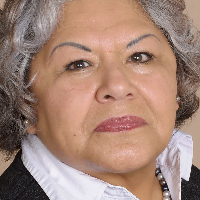
Nevada · 3 yrs exp
Licensed clinical social worker - anxiety and relationships
Stress, Anxiety · Relationship · Family · Trauma and abuse · +11 more
Read profile
Missouri · 16 yrs exp
Licensed clinical social worker - mood and trauma support
Stress, Anxiety · Trauma and abuse · Self esteem · Bipolar · +12 more
Read profile
North Carolina · 10 yrs exp
Licensed Clinical Social Worker - Anxiety and Relationships
Stress, Anxiety · Relationship · Family · Bipolar · +16 more
Read profile
Florida · 15 yrs exp
Licensed Clinical Social Worker - Relationships and Sexuality
Relationship · Family · Intimacy-related issues · Coaching · +4 more
Read profile
New York · 35 yrs exp
Licensed Clinical Social Worker - stress and relationships
Stress, Anxiety · Self esteem · Career · ADHD · +10 more
Read profile
North Carolina · 13 yrs exp
Licensed Clinical Social Worker - Stress and Relationships
Stress, Anxiety · Relationship · Family · Self esteem · +13 more
Read profile
Florida · 11 yrs exp
Licensed Clinical Social Worker - addiction and mood concerns
Addictions · Relationship · Self esteem · Depression · +9 more
Read profile
New Jersey · 10 yrs exp
Licensed Clinical Social Worker - Anxiety and Trauma
Stress, Anxiety · Family · Trauma and abuse · Self esteem · +3 more
Read profile
California · 14 yrs exp
Licensed Clinical Social Worker - trauma and life transitions
Stress, Anxiety · Trauma and abuse · Grief · Self esteem · +8 more
Read profile
New York · 25 yrs exp
Licensed Clinical Social Worker - stress and trauma
Stress, Anxiety · Trauma and abuse · Self esteem · Depression · +7 more
Read profile
Louisiana · 16 yrs exp
Licensed Clinical Social Worker - mood and relationships
Stress, Anxiety · Relationship · Trauma and abuse · Bipolar · +16 more
Read profile
Florida · 10 yrs exp
Licensed Clinical Social Worker - stress and family concerns
Stress, Anxiety · Addictions · Family · Grief · +8 more
Read profile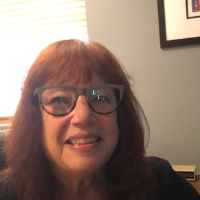
New York · 30 yrs exp
Licensed Clinical Social Worker - Relationships and Life Changes
Stress, Anxiety · Relationship · Parenting · Self esteem · +11 more
Read profile
Texas · 21 yrs exp
Licensed Clinical Social Worker - Life changes and relationships
Stress, Anxiety · Relationship · Trauma and abuse · Intimacy-related issues · +15 more
Read profile
New York · 10 yrs exp
Licensed Clinical Social Worker - Stress and Relationships
Stress, Anxiety · Relationship · Family · Grief · +12 more
Read profile
Indiana · 11 yrs exp
Licensed Clinical Social Worker - Relationships and Trauma
Stress, Anxiety · Grief · Depression · Coping with life changes · +8 more
Read profile
Florida · 22 yrs exp
Licensed Clinical Social Worker - stress and anxiety
Stress, Anxiety · Self esteem · Depression · Coping with life changes · +5 more
Read profile
Illinois · 25 yrs exp
Licensed clinical social worker - anxiety and life changes
Stress, Anxiety · Self esteem · Career · Coping with life changes · +10 more
Read profile
New Jersey · 8 yrs exp
Licensed clinical social worker - mood and trauma
Stress, Anxiety · Relationship · Trauma and abuse · Bipolar · +14 more
Read profile
Louisiana · 14 yrs exp
Licensed clinical social worker - Stress and trauma
Stress, Anxiety · Anger · Self esteem · Depression · +9 more
Read profile
Mississippi · 12 yrs exp
Licensed clinical social worker - stress and addiction
Stress, Anxiety · Addictions · Anger · Self esteem · +12 more
Read profile
Texas · 8 yrs exp
Licensed Clinical Social Worker - Stress and Relationships
Stress, Anxiety · Relationship · Self esteem · Depression · +8 more
Read profile
Tennessee · 35 yrs exp
Licensed Clinical Social Worker - Stress and Relationships
Stress, Anxiety · Grief · Self esteem · Depression · +8 more
Read profile
Georgia · 25 yrs exp
Licensed clinical social worker - mood and relationships
Stress, Anxiety · Parenting · Anger · Self esteem · +15 more
Read profile
Texas · 33 yrs exp
Licensed Clinical Social Worker - Relationships and Stress
Stress, Anxiety · Relationship · Family · Self esteem · +11 more
Read profile
Texas · 20 yrs exp
Licensed social worker - stress and addiction
Stress, Anxiety · Addictions · Family · Grief · +15 more
Read profile
Pennsylvania · 38 yrs exp
Licensed Clinical Social Worker - Stress and Addiction
Stress, Anxiety · Grief · Depression · Addictions · +7 more
Read profile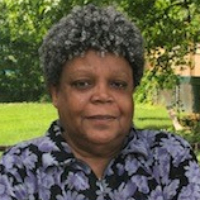
Virginia · 47 yrs exp
Licensed Clinical Social Worker - stress and relationships
Stress, Anxiety · Relationship · Grief · Self esteem · +10 more
Read profile
Colorado · 9 yrs exp
Licensed Clinical Social Worker - stress and relationships
Stress, Anxiety · Relationship · Grief · Depression · +11 more
Read profile
New York · 14 yrs exp
Licensed Clinical Social Worker - Stress and Trauma
Stress, Anxiety · Trauma and abuse · Grief · Depression · +6 more
Read profile
New Mexico · 3 yrs exp
Licensed Clinical Social Worker - Trauma and Anxiety
Stress, Anxiety · Trauma and abuse · Depression · Compassion fatigue · +9 more
Read profile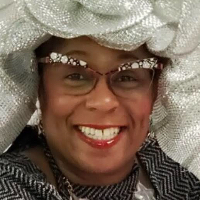
Michigan · 24 yrs exp
Licensed Clinical Social Worker - mood and addiction support
Stress, Anxiety · Addictions · Relationship · Family · +1 more
Read profile
Florida · 28 yrs exp
Licensed Clinical Social Worker - Anxiety and Addictions
Addictions · Trauma and abuse · Parenting · Bipolar · +15 more
Read profile
Arkansas · 44 yrs exp
Licensed clinical social worker - stress and trauma
Stress, Anxiety · Trauma and abuse · Grief · Self esteem · +16 more
Read profile
Florida · 20 yrs exp
Licensed clinical social worker - trauma and addictions
Stress, Anxiety · Addictions · Trauma and abuse · Grief · +14 more
Read profile
California · 20 yrs exp
Licensed Clinical Social Worker - Stress and Relationships
Stress, Anxiety · Relationship · Family · Parenting · +15 more
Read profile
Mississippi · 21 yrs exp
Licensed Clinical Social Worker - stress and family concerns
Stress, Anxiety · Family · Parenting · Anger · +9 more
Read profile
Tennessee · 15 yrs exp
Licensed Clinical Social Worker - Relationships and Stress
Stress, Anxiety · Relationship · Family · Self esteem · +9 more
Read profile
Missouri · 35 yrs exp
LCSW - Stress and trauma-focused clinician
Stress, Anxiety · Trauma and abuse · Anger · Bipolar · +13 more
Read profile
New York · 15 yrs exp
Licensed Clinical Social Worker - Relationships and Addictions
Stress, Anxiety · Addictions · Relationship · Self esteem · +10 more
Read profile
Louisiana · 25 yrs exp
Licensed Clinical Social Worker - Stress and Anxiety
Stress, Anxiety · Family · Anger · Self esteem · +1 more
Read profile
North Carolina · 16 yrs exp
Licensed Clinical Social Worker - Addiction and Trauma
Stress, Anxiety · Addictions · Trauma and abuse · Anger · +13 more
Read profile
Michigan · 11 yrs exp
Licensed Clinical Social Worker - Stress and Trauma
Stress, Anxiety · Relationship · Trauma and abuse · Grief · +1 more
Read profile
Texas · 5 yrs exp
Licensed Clinical Social Worker - relationships and trauma
Stress, Anxiety · Relationship · Family · Trauma and abuse · +9 more
Read profile
Mississippi · 36 yrs exp
Licensed Clinical Social Worker - Family and Parenting
Family · Parenting · Anger · Self esteem · +11 more
Read profile
Florida · 28 yrs exp
Licensed clinical social worker - stress and trauma
Stress, Anxiety · Addictions · Trauma and abuse · Self esteem · +13 more
Read profile
New York · 14 yrs exp
Licensed Clinical Social Worker - stress and relationships
Stress, Anxiety · Relationship · Trauma and abuse · Self esteem · +5 more
Read profile
Colorado · 15 yrs exp
Licensed clinical social worker - anxiety and life changes
Stress, Anxiety · Grief · Depression · Coping with life changes · +10 more
Read profile
North Carolina · 10 yrs exp
Licensed Clinical Social Worker - Mood and trauma concerns
Stress, Anxiety · Family · Parenting · Anger · +8 more
Read profile
Nevada · 12 yrs exp
Licensed Clinical Social Worker - stress and anxiety
Stress, Anxiety · Relationship · Anger · Self esteem · +1 more
Read profileStress and anxiety exist on a spectrum, and you may notice them as moments of worry or as ongoing tension that affects your day-to-day functioning. For some people anxiety appears as persistent worry about future events, intrusive thoughts that are hard to quiet, or physical sensations such as a racing heart, muscle tension, headaches, or difficulty sleeping. Stress often shows up as feeling overwhelmed by responsibilities - work, caregiving, finances, or housing - and can reduce your ability to concentrate, make decisions, or enjoy activities you used to like. Because anxiety and stress affect both mind and body, you might see changes in appetite, energy level, or motivation in addition to emotional symptoms.
Stress and anxiety are shaped by context as much as by internal responses. Situational pressures like a job change, relationship strain, grief, or caring for a family member can trigger or worsen symptoms. Longer-term factors such as chronic health problems, unstable housing, limited access to resources, or discrimination also influence how stress and anxiety take root and persist. Understanding these overlaps can help you think about where to focus support.
You might consider connecting with a licensed clinical social worker if stress or anxiety is causing persistent difficulty at work, school, or in relationships, or if it is getting in the way of basic daily tasks. You may notice that managing everyday responsibilities takes more effort, that you have trouble sleeping or concentrating, or that avoidance behaviors - skipping social events, delaying tasks, or withdrawing from people - have increased. If your emotional reactions feel more intense than they used to, or if you are relying on unhealthy coping patterns more often, these are signs that additional support could be useful.
LCSWs are trained to look beyond symptoms to the life circumstances that contribute to stress and anxiety. If practical concerns - such as unstable housing, financial strain, caregiving burdens, or barriers to healthcare - are part of your experience, an LCSW can help by addressing those contextual issues alongside your emotional symptoms. You do not need a medical diagnosis to seek help; if your everyday quality of life has declined because of stress or anxiety, speaking with an LCSW can be a practical next step.
Your initial conversations with an LCSW will typically involve an intake or assessment where you describe your concerns, history, and current life circumstances. The assessment is an opportunity to map out how stress and anxiety are affecting you, to identify coping strategies you are already using, and to highlight practical barriers that might need attention. Sessions are collaborative - you and the LCSW work together to set goals that feel meaningful and manageable for you.
Because social work training emphasizes a person-in-environment perspective, expect attention to both internal experiences and external factors. An LCSW may ask about your work, family, housing, income, and community connections as part of understanding your situation. Over time, sessions may include space to develop skills for managing symptoms, to process emotional material, and to plan concrete steps that ease daily pressures. Many people find this mix of emotional and practical focus helpful when stress and anxiety are intertwined with life circumstances.
Licensed clinical social workers often draw on a range of approaches to support people with stress and anxiety. You will find therapists who list cognitive behavioral strategies among their approaches, which focus on identifying and changing unhelpful thought patterns and behaviors that maintain anxiety. Others may list mindfulness and stress-reduction techniques that help with grounding and physiological regulation. Some LCSWs describe psychodynamic or relational approaches that explore historical patterns and interpersonal dynamics contributing to present distress. You will also see therapists who list acceptance-based methods that emphasize noticing thoughts without aggressive struggle and redirecting energy toward valued action.
It is important to remember that the directory records only what a clinician lists among their approaches. A listing does not indicate a specific credential in a modality, nor does it guarantee any particular outcome. Many LCSWs combine clinical skills with case management and resource navigation - helping you access community supports, benefits, or medical care - because addressing social and environmental factors can be a key part of reducing stress and anxiety. If practical problems are a major part of your situation, the combination of clinical work and resource-focused support can be especially useful.
Online sessions with an LCSW typically use video calls, phone, or messaging platforms to create a therapeutic space when meeting in person is not possible or convenient. Remote sessions allow you to meet with an LCSW from home, from a workplace break room, or another setting where you feel comfortable. Many people find online sessions helpful when they live far from providers, have mobility or caregiving constraints, or prefer the convenience of connecting from their own environment.
Licensing rules vary by state because an LCSW’s license is issued and renewed by each state board, and those rules affect where a clinician can legally offer services. When you consider online sessions, it is useful to focus on what each clinician lists about their approach, languages spoken, clinical experience, and populations they commonly work with, so you can identify LCSWs whose backgrounds match your needs. In remote work, clinicians often rely on structured tools - symptom tracking, homework exercises, or guided relaxation practices - that you can use between sessions to manage stress and anxiety in your daily life.
When you browse profiles, consider factors that matter most to you. Look at whether an LCSW lists experience with anxiety, panic, trauma, life transitions, or related concerns that match your situation. Compare the therapeutic approaches they note - for example, whether they list cognitive behavioral strategies, mindfulness, or trauma-informed care - and think about which methods feel like a good fit for your preferences. Languages spoken, cultural background, and experience with specific communities can also shape your experience and sense of connection.
Think about the LCSW’s professional credentials and training pathway. An LCSW holds a master’s degree in social work, completed a state-set period of supervised post-graduate clinical experience - commonly around two to three years and several thousand hours - and passed a clinical licensing exam. Licenses are regulated by state boards, so scope of practice and title can vary by state. Finally, consider practical elements such as communication style described in the profile and whether the clinician emphasizes both symptom work and help with life circumstances. Comparing focus areas, listed approaches, credentials, languages, and experience is a useful way to narrow options and find an LCSW whose background aligns with what you hope to address.
Alabama
26 therapists
Alaska
18 therapists
Arizona
94 therapists
Arkansas
58 therapists
California
696 therapists
Colorado
143 therapists
Connecticut
115 therapists
Delaware
36 therapists
District of Columbia
7 therapists
Florida
827 therapists
Georgia
164 therapists
Hawaii
37 therapists
Idaho
41 therapists
Illinois
401 therapists
Indiana
195 therapists
Iowa
9 therapists
Kansas
27 therapists
Kentucky
142 therapists
Louisiana
134 therapists
Maine
50 therapists
Maryland
22 therapists
Massachusetts
14 therapists
Michigan
38 therapists
Minnesota
13 therapists
Mississippi
68 therapists
Missouri
151 therapists
Montana
57 therapists
Nebraska
2 therapists
Nevada
56 therapists
New Hampshire
16 therapists
New Jersey
227 therapists
New Mexico
50 therapists
New York
535 therapists
North Carolina
358 therapists
North Dakota
11 therapists
Ohio
31 therapists
Oklahoma
80 therapists
Oregon
65 therapists
Pennsylvania
225 therapists
Rhode Island
3 therapists
South Carolina
35 therapists
South Dakota
2 therapists
Tennessee
95 therapists
Texas
483 therapists
Utah
89 therapists
Vermont
3 therapists
Virginia
187 therapists
Washington
16 therapists
West Virginia
5 therapists
Wisconsin
122 therapists
Wyoming
19 therapists