
Paul Paladie
LICSW, LCSWMinnesota · 3 yrs exp
Licensed social worker - stress and addictions
Stress, Anxiety · Addictions · Trauma and abuse · Bipolar · +5 more
Read profileTherapist listings are provided by BetterHelp. We will earn a commission at no additional cost to you if you use our links to purchase.
Welcome to the Minnesota directory of online therapists who hold an LCSW license. Each clinician listed here is licensed to practice as a clinical social worker by their state board. Explore the profiles below to learn about focus areas, approaches, languages and experience as you decide who might be a good fit for you.
Minnesota · 3 yrs exp
Licensed social worker - stress and addictions
Stress, Anxiety · Addictions · Trauma and abuse · Bipolar · +5 more
Read profile
Minnesota · 25 yrs exp
Licensed social worker - stress and relationships
Stress, Anxiety · Relationship · Trauma and abuse · Grief · +16 more
Read profile
Minnesota · 8 yrs exp
Licensed social worker - Stress and anxiety support
Stress, Anxiety · Relationship · Self esteem · Depression · +10 more
Read profile
Minnesota · 10 yrs exp
Licensed clinical social worker - anxiety and relationships
Stress, Anxiety · Family · Trauma and abuse · Depression · +16 more
Read profile
Minnesota · 20 yrs exp
Licensed clinical social worker - mood and stress
Stress, Anxiety · Relationship · Family · Depression · +10 more
Read profile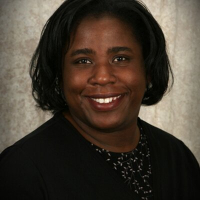
Minnesota · 15 yrs exp
Licensed Clinical Social Worker - Stress and Trauma
Stress, Anxiety · Grief · Anger · Self esteem · +9 more
Read profile
Minnesota · 18 yrs exp
Licensed Clinical Social Worker - Stress and Addiction
Stress, Anxiety · Addictions · Anger · Depression · +13 more
Read profile
Minnesota · 5 yrs exp
Licensed social worker - stress and life changes
Stress, Anxiety · Family · Depression · Coping with life changes · +2 more
Read profile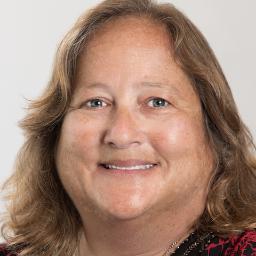
Minnesota · 30 yrs exp
Licensed clinical social worker - stress and trauma
Stress, Anxiety · Trauma and abuse · Parenting · Depression · +12 more
Read profile
Minnesota · 5 yrs exp
Licensed social worker - relationships and stress
Stress, Anxiety · Relationship · Family · Self esteem · +5 more
Read profile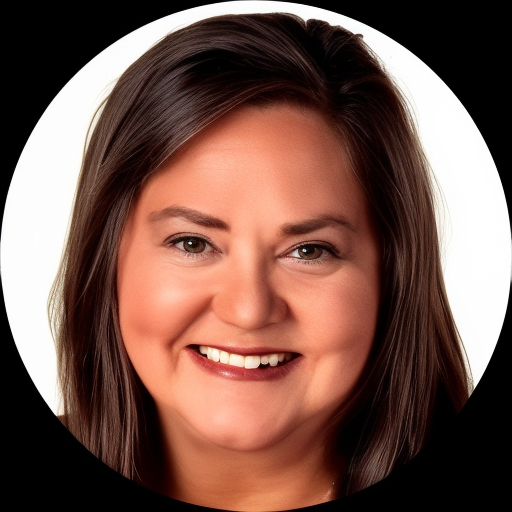
Minnesota · 12 yrs exp
Licensed Clinical Social Worker - Addictions and Trauma
Addictions · Trauma and abuse · Anger · Depression · +11 more
Read profile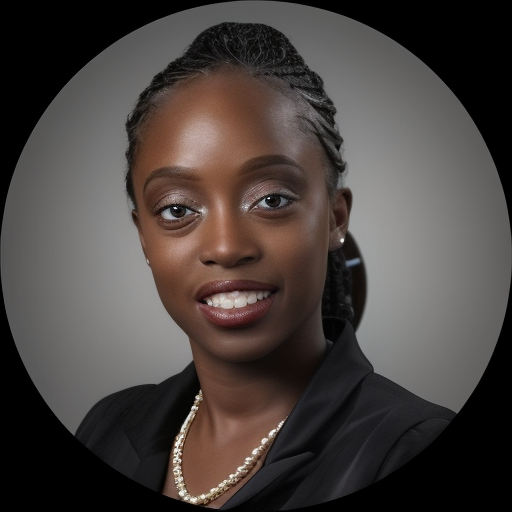
Minnesota · 6 yrs exp
Licensed Clinical Social Worker - Stress and Parenting
Stress, Anxiety · Parenting · Self esteem · Coping with life changes · +1 more
Read profile
Minnesota · 4 yrs exp
Licensed clinical social worker - stress and anxiety
Stress, Anxiety · Family · Eating · Self esteem · +5 more
Read profileAn LCSW is a licensed clinical social worker who has completed a graduate degree in social work, a state-required period of supervised post-graduate clinical experience and a clinical licensing examination. The license is issued and renewed by the state board, and the scope of practice can vary from one jurisdiction to another. On this site you will find profiles of clinicians who list an LCSW as their professional credential, which signals a particular level of education and supervised clinical experience rather than a single treatment method.
In Minnesota, many clinicians who hold an LCSW offer online therapy as a way to reach people across the state. Online sessions may be delivered by video or phone and seek to reproduce the core elements of in-person clinical work - a structured therapeutic relationship, assessment, and clinical planning - while making it easier for you to connect from home, work, or another suitable location. Because licensing is managed at the state level, practitioners who say they hold an LCSW have been licensed under the regulations that apply to their issuing board. That licensing framework helps you understand the professional requirements the clinician met to hold that title.
Minnesota’s geography and weather can make travel to appointments difficult for some people. Online sessions reduce travel time and the need to leave home during storms or when roads are hazardous. This can make it easier to maintain continuity of care through seasons when in-person visits might be impractical. You can expect to use common technology such as video platforms or phone calls to meet with a clinician from your own community or from another part of the state.
Online sessions can give you greater scheduling flexibility and the opportunity to work with clinicians who share language, cultural background or specific experience that matters to you. For example, if you want a therapist who lists expertise working with a particular population or speaks a particular language, online delivery may increase your options. An LCSW’s training often includes attention to social and environmental factors that affect well-being, so finding a clinician with that orientation who also understands how those factors play out in Minnesota communities may be especially useful.
Licensed clinical social workers often work with a wide range of concerns you might bring to therapy. Common issues include anxiety, depression, trauma-related distress, grief and loss, relationship or family challenges, stress related to work or school and major life transitions. LCSWs also frequently support people coping with caregiving burdens, chronic health conditions or the emotional impact of housing and employment instability. When you read clinician profiles, you will see descriptions of the populations and presenting problems they list as areas of focus.
A distinguishing feature of social work training is the person-in-environment perspective. This means that an LCSW pays attention to both individual experience and the surrounding circumstances - such as housing, finances, family systems, community resources and access to care - when assessing needs and planning clinical work. If your concerns are affected by social or environmental factors, you may find that clinicians who hold an LCSW emphasize supports and interventions that take those contexts into account, including connecting you to community services or advising on practical steps alongside therapeutic goals.
If you want to confirm a clinician’s LCSW credential, the Minnesota Board of Social Work maintains public records where you can look up licensure information. You can search by the clinician’s name to see whether an LCSW license has been issued by the state board, the current license status, and whether there are any public disciplinary actions on record. This is a routine step for anyone who wants to confirm that a clinician has the credentials they claim.
When reviewing a license entry, look for the exact license title and the issuing jurisdiction, the date of license issue and renewal, and any notes about board actions or limitations. Be mindful that other license titles exist in neighboring states and professions, such as LISW, LICSW or LMSW, which are distinct from an LCSW. This directory lists clinicians who indicate the LCSW credential; verifying the issuing board record confirms that the credential is on file with the state.
Your first step is to read clinician profiles to identify practitioners who describe experience with the concerns you want to address and whose approaches or languages match your needs. Profiles typically list areas of focus, populations served, and the approaches the clinician reports using. Because the credential indicates a level of education and supervised practice rather than a single method, consider whether the clinician’s stated interests and background align with your priorities.
Decide what matters most to you in a clinician - for example, experience with specific issues, shared cultural background, or language fluency. Reach out by the contact method provided in a profile and ask about logistical details such as session length, fees, whether the clinician accepts your form of payment or insurance, and what technology is used for online sessions. It is also reasonable to ask how they handle emergency situations and what steps you should take if you need immediate help in a crisis in your local area.
When choosing a clinician, compare focus areas, approaches, credentials, languages and experience. Pay attention to whether the clinician lists work with your primary concern and whether their biography communicates an understanding of the social and environmental factors that affect your life. Experience with a given population or life stage can be more relevant than the list of approaches alone, because the fit between you and the clinician matters for how comfortable you feel and how effectively you can work together.
Your first few sessions are a good time to assess fit. Bring questions about the clinician’s experience with similar concerns, how they typically structure sessions, and how they measure progress. Think about the setting where you will join sessions - choose an undisturbed environment where you can speak openly and focus. If technology is new to you, test your device and connection beforehand so the first meeting is not disrupted by preventable issues. Above all, choose a clinician whose communication style and professional orientation feel respectful and understandable to you; that working relationship is an important part of effective clinical work.
Online therapy with an LCSW can expand your options when you want a clinician who integrates clinical skills with attention to the broader contexts of your life. By verifying licensure, considering practical questions ahead of time and evaluating fit based on experience and approach, you can make an informed choice about who to connect with for support.
Addictions
2304 therapists
ADHD
1905 therapists
Anger
2772 therapists
Bipolar
1941 therapists
Chronic Illness
1303 therapists
Control Issues
2210 therapists
Depression
5181 therapists
Domestic Violence
1366 therapists
Grief
3610 therapists
Guilt and Shame
3705 therapists
Isolation / Loneliness
3581 therapists
Midlife Crisis
1808 therapists
Mood Disorders
2723 therapists
Panic Disorder and Panic Attacks
2261 therapists
Post-Traumatic Stress
2956 therapists
Self Esteem
4971 therapists
Social Anxiety and Phobia
3197 therapists
Stress & Anxiety
5847 therapists
Trauma and Abuse
4050 therapists
Abandonment
2048 therapists
Aging and Geriatric Issues
1666 therapists
Attachment Issues
2324 therapists
Blended Family Issues
1549 therapists
Career
2487 therapists
Caregiver Issues and Stress
2913 therapists
Codependency
1905 therapists
Communication Problems
4240 therapists
Compassion Fatigue
2340 therapists
Coping with Life Changes
4536 therapists
Divorce
2432 therapists
Family
3427 therapists
Family of Origin Issues
1530 therapists
Forgiveness
3312 therapists
Life Purpose
3795 therapists
Money and Financial Issues
1263 therapists
Parenting
2720 therapists
Relationship
4223 therapists
Self-Love
3931 therapists
Workplace Issues
2550 therapists