
Velma Jones
LCSWNew York · 29 yrs exp
Licensed Clinical Social Worker - Relationships and Mood
Stress, Anxiety · Relationship · Trauma and abuse · Depression · +10 more
Read profileTherapist listings are provided by BetterHelp. We will earn a commission at no additional cost to you if you use our links to purchase.
This page lists licensed clinical social workers (LCSWs) who identify anger as a focus area. You can review each listing to learn about therapists' focus areas, approaches, languages, and experience. Browse the listings below to begin finding an LCSW who may match what you need.
New York · 29 yrs exp
Licensed Clinical Social Worker - Relationships and Mood
Stress, Anxiety · Relationship · Trauma and abuse · Depression · +10 more
Read profile
Florida · 14 yrs exp
Florida LCSW - Stress and Relationship Support
Stress, Anxiety · Grief · Anger · Self esteem · +12 more
Read profile
Colorado · 19 yrs exp
Licensed Clinical Social Worker - Stress and Relationships
Stress, Anxiety · Relationship · Trauma and abuse · Grief · +12 more
Read profile
Texas · 13 yrs exp
Licensed Clinical Social Worker - Stress and Relationship support
Stress, Anxiety · Relationship · Trauma and abuse · Anger · +11 more
Read profile
Hawaii · 16 yrs exp
Licensed clinical social worker - mood and stress support
Stress, Anxiety · Grief · Self esteem · Depression · +5 more
Read profile
New Jersey · 15 yrs exp
Licensed Clinical Social Worker - Stress and Family
Stress, Anxiety · Family · Trauma and abuse · Parenting · +10 more
Read profile
New York · 24 yrs exp
Licensed Clinical Social Worker - Anxiety and Depression
Stress, Anxiety · Relationship · Anger · Self esteem · +12 more
Read profile
Missouri · 36 yrs exp
Licensed Clinical Social Worker - Mood and Trauma
Stress, Anxiety · Relationship · Trauma and abuse · Intimacy-related issues · +15 more
Read profile
Nevada · 3 yrs exp
Licensed clinical social worker - anxiety and relationships
Stress, Anxiety · Relationship · Family · Trauma and abuse · +11 more
Read profile
Missouri · 16 yrs exp
Licensed clinical social worker - mood and trauma support
Stress, Anxiety · Trauma and abuse · Self esteem · Bipolar · +12 more
Read profile
North Carolina · 10 yrs exp
Licensed Clinical Social Worker - Anxiety and Relationships
Stress, Anxiety · Relationship · Family · Bipolar · +16 more
Read profile
New York · 35 yrs exp
Licensed Clinical Social Worker - stress and relationships
Stress, Anxiety · Self esteem · Career · ADHD · +10 more
Read profile
North Carolina · 13 yrs exp
Licensed Clinical Social Worker - Stress and Relationships
Stress, Anxiety · Relationship · Family · Self esteem · +13 more
Read profile
Florida · 11 yrs exp
Licensed Clinical Social Worker - addiction and mood concerns
Addictions · Relationship · Self esteem · Depression · +9 more
Read profile
New York · 25 yrs exp
Licensed Clinical Social Worker - stress and trauma
Stress, Anxiety · Trauma and abuse · Self esteem · Depression · +7 more
Read profile
Louisiana · 16 yrs exp
Licensed Clinical Social Worker - mood and relationships
Stress, Anxiety · Relationship · Trauma and abuse · Bipolar · +16 more
Read profile
Florida · 10 yrs exp
Licensed Clinical Social Worker - stress and family concerns
Stress, Anxiety · Addictions · Family · Grief · +8 more
Read profile
New York · 30 yrs exp
Licensed Clinical Social Worker - Relationships and Life Changes
Stress, Anxiety · Relationship · Parenting · Self esteem · +11 more
Read profile
Texas · 21 yrs exp
Licensed Clinical Social Worker - Life changes and relationships
Stress, Anxiety · Relationship · Trauma and abuse · Intimacy-related issues · +15 more
Read profile
New York · 10 yrs exp
Licensed Clinical Social Worker - Stress and Relationships
Stress, Anxiety · Relationship · Family · Grief · +12 more
Read profile
Florida · 22 yrs exp
Licensed Clinical Social Worker - stress and anxiety
Stress, Anxiety · Self esteem · Depression · Coping with life changes · +5 more
Read profile
Illinois · 25 yrs exp
Licensed clinical social worker - anxiety and life changes
Stress, Anxiety · Self esteem · Career · Coping with life changes · +10 more
Read profile
New Jersey · 8 yrs exp
Licensed clinical social worker - mood and trauma
Stress, Anxiety · Relationship · Trauma and abuse · Bipolar · +14 more
Read profile
Louisiana · 14 yrs exp
Licensed clinical social worker - Stress and trauma
Stress, Anxiety · Anger · Self esteem · Depression · +9 more
Read profile
Mississippi · 12 yrs exp
Licensed clinical social worker - stress and addiction
Stress, Anxiety · Addictions · Anger · Self esteem · +12 more
Read profile
Texas · 8 yrs exp
Licensed Clinical Social Worker - Stress and Relationships
Stress, Anxiety · Relationship · Self esteem · Depression · +8 more
Read profile
Georgia · 25 yrs exp
Licensed clinical social worker - mood and relationships
Stress, Anxiety · Parenting · Anger · Self esteem · +15 more
Read profile
Texas · 33 yrs exp
Licensed Clinical Social Worker - Relationships and Stress
Stress, Anxiety · Relationship · Family · Self esteem · +11 more
Read profile
Texas · 20 yrs exp
Licensed social worker - stress and addiction
Stress, Anxiety · Addictions · Family · Grief · +15 more
Read profile
Pennsylvania · 38 yrs exp
Licensed Clinical Social Worker - Stress and Addiction
Stress, Anxiety · Grief · Depression · Addictions · +7 more
Read profile
Virginia · 47 yrs exp
Licensed Clinical Social Worker - stress and relationships
Stress, Anxiety · Relationship · Grief · Self esteem · +10 more
Read profile
Colorado · 9 yrs exp
Licensed Clinical Social Worker - stress and relationships
Stress, Anxiety · Relationship · Grief · Depression · +11 more
Read profile
New Mexico · 3 yrs exp
Licensed Clinical Social Worker - Trauma and Anxiety
Stress, Anxiety · Trauma and abuse · Depression · Compassion fatigue · +9 more
Read profile
Florida · 28 yrs exp
Licensed Clinical Social Worker - Anxiety and Addictions
Addictions · Trauma and abuse · Parenting · Bipolar · +15 more
Read profile
Arkansas · 44 yrs exp
Licensed clinical social worker - stress and trauma
Stress, Anxiety · Trauma and abuse · Grief · Self esteem · +16 more
Read profile
Florida · 20 yrs exp
Licensed clinical social worker - trauma and addictions
Stress, Anxiety · Addictions · Trauma and abuse · Grief · +14 more
Read profile
California · 20 yrs exp
Licensed Clinical Social Worker - Stress and Relationships
Stress, Anxiety · Relationship · Family · Parenting · +15 more
Read profile
Mississippi · 21 yrs exp
Licensed Clinical Social Worker - stress and family concerns
Stress, Anxiety · Family · Parenting · Anger · +9 more
Read profile
Tennessee · 15 yrs exp
Licensed Clinical Social Worker - Relationships and Stress
Stress, Anxiety · Relationship · Family · Self esteem · +9 more
Read profile
Missouri · 35 yrs exp
LCSW - Stress and trauma-focused clinician
Stress, Anxiety · Trauma and abuse · Anger · Bipolar · +13 more
Read profile
New York · 15 yrs exp
Licensed Clinical Social Worker - Relationships and Addictions
Stress, Anxiety · Addictions · Relationship · Self esteem · +10 more
Read profile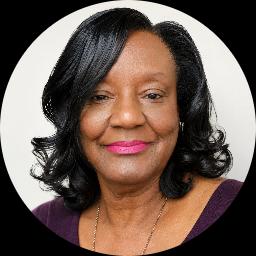
Louisiana · 25 yrs exp
Licensed Clinical Social Worker - Stress and Anxiety
Stress, Anxiety · Family · Anger · Self esteem · +1 more
Read profile
North Carolina · 16 yrs exp
Licensed Clinical Social Worker - Addiction and Trauma
Stress, Anxiety · Addictions · Trauma and abuse · Anger · +13 more
Read profile
Texas · 5 yrs exp
Licensed Clinical Social Worker - relationships and trauma
Stress, Anxiety · Relationship · Family · Trauma and abuse · +9 more
Read profile
Mississippi · 36 yrs exp
Licensed Clinical Social Worker - Family and Parenting
Family · Parenting · Anger · Self esteem · +11 more
Read profile
Florida · 28 yrs exp
Licensed clinical social worker - stress and trauma
Stress, Anxiety · Addictions · Trauma and abuse · Self esteem · +13 more
Read profile
Colorado · 15 yrs exp
Licensed clinical social worker - anxiety and life changes
Stress, Anxiety · Grief · Depression · Coping with life changes · +10 more
Read profile
North Carolina · 10 yrs exp
Licensed Clinical Social Worker - Mood and trauma concerns
Stress, Anxiety · Family · Parenting · Anger · +8 more
Read profile
Nevada · 12 yrs exp
Licensed Clinical Social Worker - stress and anxiety
Stress, Anxiety · Relationship · Anger · Self esteem · +1 more
Read profile
Wyoming · 14 yrs exp
Licensed clinical social worker - mood and relationships
Addictions · Relationship · Depression · Coping with life changes · +11 more
Read profile
New York · 25 yrs exp
Licensed Clinical Social Worker - Stress and Anxiety
Stress, Anxiety · Grief · Anger · Self esteem · +6 more
Read profile
Connecticut · 24 yrs exp
Licensed clinical social worker - stress and mood concerns
Stress, Anxiety · Relationship · Grief · Self esteem · +11 more
Read profile
Illinois · 10 yrs exp
Licensed Clinical Social Worker - Stress and Trauma
Stress, Anxiety · Trauma and abuse · Grief · Self esteem · +11 more
Read profile
Indiana · 12 yrs exp
Licensed clinical social worker - mood and trauma
Stress, Anxiety · Trauma and abuse · Self esteem · Bipolar · +10 more
Read profile
Florida · 40 yrs exp
Licensed Clinical Social Worker - Addictions and Relationships
Addictions · Relationship · Grief · Depression · +13 more
Read profile
Texas · 35 yrs exp
Licensed Clinical Social Worker - Stress and Trauma
Stress, Anxiety · Relationship · Family · Trauma and abuse · +14 more
Read profile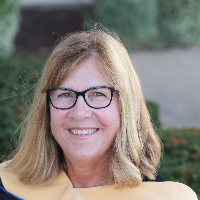
Illinois · 23 yrs exp
Licensed clinical social worker - mood and relationships
Stress, Anxiety · Trauma and abuse · Anger · Depression · +10 more
Read profile
Colorado · 20 yrs exp
Licensed Clinical Social Worker - Stress and Trauma
Stress, Anxiety · Trauma and abuse · Grief · Depression · +15 more
Read profile
Wisconsin · 18 yrs exp
Licensed Clinical Social Worker - Relationships and Stress
Stress, Anxiety · Parenting · Self esteem · Depression · +11 more
Read profile
Connecticut · 24 yrs exp
Licensed Clinical Social Worker - Anxiety and Addictions
Stress, Anxiety · Addictions · Family · Bipolar · +10 more
Read profileAnger is a natural emotion that signals when something in your life feels wrong, threatened, or unfair. It can range from irritation to intense rage, and it plays a role in protecting boundaries and motivating change. Still, when anger is frequent, intense, or hard to manage, it can affect your relationships, work, and day-to-day functioning. You may notice arguments, avoidant patterns, or repeated conflicts that leave you feeling exhausted, misunderstood, or stuck.
Anger does not happen in a vacuum. It is shaped by your history, current circumstances, and the systems around you. Housing stress, workplace pressure, caregiving responsibilities, and community context can all contribute to how anger shows up. That person-in-environment perspective is a central part of social work training, and it helps an LCSW look beyond symptoms to the practical and social factors that influence your mood and behavior. Understanding those connections can help you find more sustainable ways to respond to triggers and reduce the frequency or intensity of reactive episodes.
You might consider seeking help when anger starts creating repeated negative outcomes in your life. That can include strained relationships, job difficulties, legal issues, or physical reactions such as trouble sleeping or feeling constantly keyed up. If you find yourself losing control more often than you would like, thinking about harming someone or yourself when angry, or using substances to cope with anger, these are strong signals that professional support could be useful. Likewise, if you feel stuck in patterns of blame, chronic resentment, or recurring arguments that you cannot resolve on your own, a therapeutic relationship can provide tools, perspective, and structure for change.
An LCSW brings training in assessing both emotional and environmental factors. They can help you explore how stressors like financial strain, family roles, cultural expectations, or community safety influence angry reactions. If your anger is connected to a history of trauma, grief, or ongoing stress, an LCSW can work with you to identify safer ways to process those experiences while addressing the daily challenges that maintain reactivity. Seeking help does not mean you are failing; it means you are choosing to invest in practical strategies that fit your life.
When you begin meeting with an LCSW about anger, the early sessions typically focus on understanding the context and creating shared goals. Expect a conversation about what triggers your anger, how it looks in your behavior and body, and what consequences it is creating. An LCSW will often ask about your living situation, work, relationships, and access to supports because those factors shape both the problem and the possible solutions. This assessment helps make the plan realistic and relevant to your day-to-day life.
Therapeutic work tends to combine insight and practical skills. You may spend time learning to identify early warning signs of escalation, experimenting with different ways to respond in triggering situations, and practicing communication techniques that reduce conflict. An LCSW may also help you address underlying issues that fuel anger, such as unresolved hurt, grief, or ongoing stressors. Progress is usually gradual. You will likely work on small behavioral changes, reflect on how new choices feel, and adjust the plan as you learn what helps in your particular circumstances.
Different clinicians describe a range of approaches they use when working with anger. Many therapists who list cognitive-behavioral approaches focus on how thoughts and beliefs shape emotional reactions and on building concrete skills to interrupt cycles of escalation. You may see therapists who include dialectical behavior principles, which emphasize emotion regulation, distress tolerance, and interpersonal effectiveness. Mindfulness-based strategies are commonly mentioned as tools to increase awareness of bodily sensations and to create space before reacting.
Some LCSWs note trauma-informed or psychodynamic approaches among their ways of working. In those frameworks, the goal is often to understand how past experiences and attachment patterns shape current responses. Family systems language may appear in listings, reflecting attention to how patterns circulate in relationships and household dynamics. It is appropriate to think of these as styles or lenses rather than guarantees of a particular outcome. Because all of the clinicians listed hold an LCSW, many also integrate practical social work interventions - connecting you to community resources, assisting with advocacy, or addressing environmental stressors - so that emotional work is paired with tangible supports.
Online sessions with an LCSW generally use videoconferencing or phone-based meetings to create a standing place for conversation. You can expect to discuss the same topics you would address in person - triggers, goals, skill practice, and environmental supports. For many people, online sessions offer convenience when travel or scheduling are barriers, and they can make it easier to involve household members or to practice new skills in your real-life settings. When you plan online work, it is helpful to choose a quiet spot where you can talk without interruptions and to agree on a plan with your clinician for what to do if a session becomes highly distressing.
Online work does not change the purpose of therapy - it remains a space for reflection, practice, and problem solving. An LCSW will still attend to the broader context of your life, including housing, employment, and care networks, and will help you translate insights from sessions into meaningful changes at home and in your community. If you prefer in-person work for certain tasks, such as complex family meetings, ask about options in the clinician's listing and descriptions.
Begin by reading listings to identify LCSWs who explicitly mention anger, emotional regulation, or related focus areas. Look at the approaches they list to get a sense of their style - whether they emphasize skills training, trauma-aware work, family systems, or a combination. Pay attention to language abilities, years of experience, and notes about populations they work with, such as adolescents, parents, veterans, or people navigating legal or workplace stress. Those details help you imagine how the clinician's background might fit your situation.
Because the social work perspective values the person-in-environment view, consider whether the clinician describes attention to practical needs like housing, employment, or community resources. If these are part of your stress, an LCSW who mentions systems-level supports may be especially helpful. Think about the tone that feels right for you - some clinicians emphasize structured skill practice while others focus on exploration of past experiences - and look for language that aligns with your preference. Finally, trust your sense of whether the clinician's stated focus areas and approach feel relevant to the problems you want to solve. Finding a good match can make the difference in turning difficult patterns into manageable change.
Working with an LCSW can help you learn to recognize what drives your anger and develop practical strategies to respond differently. By combining attention to inner experience with a clear view of your life circumstances, social workers help you create plans that fit real-world constraints and supports. Whether your goal is to reduce reactive episodes, repair relationships, or navigate stressful systems more effectively, an LCSW can partner with you to set achievable goals and to build the skills and supports that make progress possible.
Use the listings above to explore clinicians who note anger as a focus, paying attention to the approaches, experience, and populations they describe. That information will help you identify candidates who match your needs and preferences so you can begin the work of managing anger in ways that improve your daily life and relationships.
Alabama
26 therapists
Alaska
18 therapists
Arizona
94 therapists
Arkansas
58 therapists
California
696 therapists
Colorado
143 therapists
Connecticut
115 therapists
Delaware
36 therapists
District of Columbia
7 therapists
Florida
827 therapists
Georgia
164 therapists
Hawaii
37 therapists
Idaho
41 therapists
Illinois
401 therapists
Indiana
195 therapists
Iowa
9 therapists
Kansas
27 therapists
Kentucky
142 therapists
Louisiana
134 therapists
Maine
50 therapists
Maryland
22 therapists
Massachusetts
14 therapists
Michigan
38 therapists
Minnesota
13 therapists
Mississippi
68 therapists
Missouri
151 therapists
Montana
57 therapists
Nebraska
2 therapists
Nevada
56 therapists
New Hampshire
16 therapists
New Jersey
227 therapists
New Mexico
50 therapists
New York
535 therapists
North Carolina
358 therapists
North Dakota
11 therapists
Ohio
31 therapists
Oklahoma
80 therapists
Oregon
65 therapists
Pennsylvania
225 therapists
Rhode Island
3 therapists
South Carolina
35 therapists
South Dakota
2 therapists
Tennessee
95 therapists
Texas
483 therapists
Utah
89 therapists
Vermont
3 therapists
Virginia
187 therapists
Washington
16 therapists
West Virginia
5 therapists
Wisconsin
122 therapists
Wyoming
19 therapists