
Marsha Oxamendi
LCSWFlorida · 14 yrs exp
Florida LCSW - Stress and Relationship Support
Stress, Anxiety · Grief · Anger · Self esteem · +12 more
Read profileTherapist listings are provided by BetterHelp. We will earn a commission at no additional cost to you if you use our links to purchase.
Browse listings of Licensed Clinical Social Workers (LCSWs) who focus on grief and bereavement. Each profile shows professional credentials, focus areas, and approaches to help you find a match for support.
Scroll the therapist listings below to review clinicians who work with grief and related challenges, then read more about what grief work with an LCSW can involve.
Florida · 14 yrs exp
Florida LCSW - Stress and Relationship Support
Stress, Anxiety · Grief · Anger · Self esteem · +12 more
Read profile
Illinois · 17 yrs exp
Licensed clinical social worker - trauma and life transitions
Trauma and abuse · Coping with life changes · Stress, Anxiety · Relationship · +9 more
Read profile
Colorado · 19 yrs exp
Licensed Clinical Social Worker - Stress and Relationships
Stress, Anxiety · Relationship · Trauma and abuse · Grief · +12 more
Read profile
Texas · 13 yrs exp
Licensed Clinical Social Worker - Stress and Relationship support
Stress, Anxiety · Relationship · Trauma and abuse · Anger · +11 more
Read profile
Hawaii · 16 yrs exp
Licensed clinical social worker - mood and stress support
Stress, Anxiety · Grief · Self esteem · Depression · +5 more
Read profile
New Jersey · 15 yrs exp
Licensed Clinical Social Worker - Stress and Family
Stress, Anxiety · Family · Trauma and abuse · Parenting · +10 more
Read profile
New York · 24 yrs exp
Licensed Clinical Social Worker - Anxiety and Depression
Stress, Anxiety · Relationship · Anger · Self esteem · +12 more
Read profile
Illinois · 20 yrs exp
Licensed Clinical Social Worker - Stress and Relationships
Stress, Anxiety · Relationship · Parenting · Self esteem · +7 more
Read profile
Missouri · 36 yrs exp
Licensed Clinical Social Worker - Mood and Trauma
Stress, Anxiety · Relationship · Trauma and abuse · Intimacy-related issues · +15 more
Read profile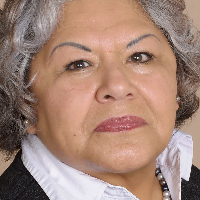
Nevada · 3 yrs exp
Licensed clinical social worker - anxiety and relationships
Stress, Anxiety · Relationship · Family · Trauma and abuse · +11 more
Read profile
Missouri · 16 yrs exp
Licensed clinical social worker - mood and trauma support
Stress, Anxiety · Trauma and abuse · Self esteem · Bipolar · +12 more
Read profile
North Carolina · 10 yrs exp
Licensed Clinical Social Worker - Anxiety and Relationships
Stress, Anxiety · Relationship · Family · Bipolar · +16 more
Read profile
New York · 35 yrs exp
Licensed Clinical Social Worker - stress and relationships
Stress, Anxiety · Self esteem · Career · ADHD · +10 more
Read profile
North Carolina · 13 yrs exp
Licensed Clinical Social Worker - Stress and Relationships
Stress, Anxiety · Relationship · Family · Self esteem · +13 more
Read profile
Florida · 11 yrs exp
Licensed Clinical Social Worker - addiction and mood concerns
Addictions · Relationship · Self esteem · Depression · +9 more
Read profile
California · 14 yrs exp
Licensed Clinical Social Worker - trauma and life transitions
Stress, Anxiety · Trauma and abuse · Grief · Self esteem · +8 more
Read profile
New York · 25 yrs exp
Licensed Clinical Social Worker - stress and trauma
Stress, Anxiety · Trauma and abuse · Self esteem · Depression · +7 more
Read profile
Louisiana · 16 yrs exp
Licensed Clinical Social Worker - mood and relationships
Stress, Anxiety · Relationship · Trauma and abuse · Bipolar · +16 more
Read profile
Florida · 10 yrs exp
Licensed Clinical Social Worker - stress and family concerns
Stress, Anxiety · Addictions · Family · Grief · +8 more
Read profile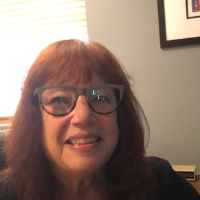
New York · 30 yrs exp
Licensed Clinical Social Worker - Relationships and Life Changes
Stress, Anxiety · Relationship · Parenting · Self esteem · +11 more
Read profile
Texas · 21 yrs exp
Licensed Clinical Social Worker - Life changes and relationships
Stress, Anxiety · Relationship · Trauma and abuse · Intimacy-related issues · +15 more
Read profile
New York · 10 yrs exp
Licensed Clinical Social Worker - Stress and Relationships
Stress, Anxiety · Relationship · Family · Grief · +12 more
Read profile
Indiana · 11 yrs exp
Licensed Clinical Social Worker - Relationships and Trauma
Stress, Anxiety · Grief · Depression · Coping with life changes · +8 more
Read profile
Florida · 22 yrs exp
Licensed Clinical Social Worker - stress and anxiety
Stress, Anxiety · Self esteem · Depression · Coping with life changes · +5 more
Read profile
Illinois · 25 yrs exp
Licensed clinical social worker - anxiety and life changes
Stress, Anxiety · Self esteem · Career · Coping with life changes · +10 more
Read profile
New Jersey · 8 yrs exp
Licensed clinical social worker - mood and trauma
Stress, Anxiety · Relationship · Trauma and abuse · Bipolar · +14 more
Read profile
Louisiana · 14 yrs exp
Licensed clinical social worker - Stress and trauma
Stress, Anxiety · Anger · Self esteem · Depression · +9 more
Read profile
Mississippi · 12 yrs exp
Licensed clinical social worker - stress and addiction
Stress, Anxiety · Addictions · Anger · Self esteem · +12 more
Read profile
Texas · 8 yrs exp
Licensed Clinical Social Worker - Stress and Relationships
Stress, Anxiety · Relationship · Self esteem · Depression · +8 more
Read profile
Tennessee · 35 yrs exp
Licensed Clinical Social Worker - Stress and Relationships
Stress, Anxiety · Grief · Self esteem · Depression · +8 more
Read profile
Georgia · 25 yrs exp
Licensed clinical social worker - mood and relationships
Stress, Anxiety · Parenting · Anger · Self esteem · +15 more
Read profile
Texas · 33 yrs exp
Licensed Clinical Social Worker - Relationships and Stress
Stress, Anxiety · Relationship · Family · Self esteem · +11 more
Read profile
Texas · 20 yrs exp
Licensed social worker - stress and addiction
Stress, Anxiety · Addictions · Family · Grief · +15 more
Read profile
Pennsylvania · 38 yrs exp
Licensed Clinical Social Worker - Stress and Addiction
Stress, Anxiety · Grief · Depression · Addictions · +7 more
Read profile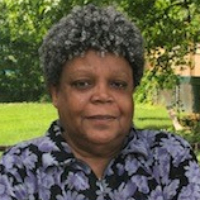
Virginia · 47 yrs exp
Licensed Clinical Social Worker - stress and relationships
Stress, Anxiety · Relationship · Grief · Self esteem · +10 more
Read profile
Colorado · 9 yrs exp
Licensed Clinical Social Worker - stress and relationships
Stress, Anxiety · Relationship · Grief · Depression · +11 more
Read profile
New York · 14 yrs exp
Licensed Clinical Social Worker - Stress and Trauma
Stress, Anxiety · Trauma and abuse · Grief · Depression · +6 more
Read profile
New Mexico · 3 yrs exp
Licensed Clinical Social Worker - Trauma and Anxiety
Stress, Anxiety · Trauma and abuse · Depression · Compassion fatigue · +9 more
Read profile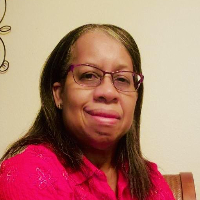
Florida · 28 yrs exp
Licensed Clinical Social Worker - Anxiety and Addictions
Addictions · Trauma and abuse · Parenting · Bipolar · +15 more
Read profile
Arkansas · 44 yrs exp
Licensed clinical social worker - stress and trauma
Stress, Anxiety · Trauma and abuse · Grief · Self esteem · +16 more
Read profile
Florida · 20 yrs exp
Licensed clinical social worker - trauma and addictions
Stress, Anxiety · Addictions · Trauma and abuse · Grief · +14 more
Read profile
California · 20 yrs exp
Licensed Clinical Social Worker - Stress and Relationships
Stress, Anxiety · Relationship · Family · Parenting · +15 more
Read profile
Mississippi · 21 yrs exp
Licensed Clinical Social Worker - stress and family concerns
Stress, Anxiety · Family · Parenting · Anger · +9 more
Read profile
Tennessee · 15 yrs exp
Licensed Clinical Social Worker - Relationships and Stress
Stress, Anxiety · Relationship · Family · Self esteem · +9 more
Read profile
Missouri · 35 yrs exp
LCSW - Stress and trauma-focused clinician
Stress, Anxiety · Trauma and abuse · Anger · Bipolar · +13 more
Read profile
New York · 15 yrs exp
Licensed Clinical Social Worker - Relationships and Addictions
Stress, Anxiety · Addictions · Relationship · Self esteem · +10 more
Read profile
North Carolina · 16 yrs exp
Licensed Clinical Social Worker - Addiction and Trauma
Stress, Anxiety · Addictions · Trauma and abuse · Anger · +13 more
Read profile
Michigan · 11 yrs exp
Licensed Clinical Social Worker - Stress and Trauma
Stress, Anxiety · Relationship · Trauma and abuse · Grief · +1 more
Read profile
Mississippi · 36 yrs exp
Licensed Clinical Social Worker - Family and Parenting
Family · Parenting · Anger · Self esteem · +11 more
Read profile
Florida · 28 yrs exp
Licensed clinical social worker - stress and trauma
Stress, Anxiety · Addictions · Trauma and abuse · Self esteem · +13 more
Read profile
Colorado · 15 yrs exp
Licensed clinical social worker - anxiety and life changes
Stress, Anxiety · Grief · Depression · Coping with life changes · +10 more
Read profile
Wyoming · 14 yrs exp
Licensed clinical social worker - mood and relationships
Addictions · Relationship · Depression · Coping with life changes · +11 more
Read profile
New York · 25 yrs exp
Licensed Clinical Social Worker - Stress and Anxiety
Stress, Anxiety · Grief · Anger · Self esteem · +6 more
Read profile
Connecticut · 24 yrs exp
Licensed clinical social worker - stress and mood concerns
Stress, Anxiety · Relationship · Grief · Self esteem · +11 more
Read profile
Illinois · 10 yrs exp
Licensed Clinical Social Worker - Stress and Trauma
Stress, Anxiety · Trauma and abuse · Grief · Self esteem · +11 more
Read profile
Indiana · 12 yrs exp
Licensed clinical social worker - mood and trauma
Stress, Anxiety · Trauma and abuse · Self esteem · Bipolar · +10 more
Read profile
Texas · 11 yrs exp
Licensed Clinical Social Worker - relationships and stress
Stress, Anxiety · Relationship · Trauma and abuse · Self esteem · +5 more
Read profile
Florida · 40 yrs exp
Licensed Clinical Social Worker - Addictions and Relationships
Addictions · Relationship · Grief · Depression · +13 more
Read profile
Missouri · 13 yrs exp
Licensed Clinical Social Worker - Anxiety and Addictions
Stress, Anxiety · Addictions · Relationship · Family · +6 more
Read profile
Florida · 25 yrs exp
Licensed clinical social worker - mood and coping
Stress, Anxiety · Addictions · Grief · Bipolar · +5 more
Read profileGrief is a natural response to loss that touches many areas of your life - emotional, physical, social, and practical. While people often associate grief with the death of a loved one, it can also follow other losses such as the end of a relationship, major health changes, loss of a job, or significant life transitions. The intensity, duration, and expression of grief vary widely. Some people experience waves of sadness, exhaustion, and trouble concentrating. Others notice changes in appetite or sleep, shifts in daily routines, or feeling disconnected from people and activities that once mattered.
You may find that grief changes how you relate to the world around you. It can alter your sense of identity, your role in family or work, and your plans for the future. The person-in-environment perspective that social work emphasizes means an LCSW will look at these wider circumstances - your housing, employment, family responsibilities, and community resources - alongside your internal experience. That broader lens helps you and your clinician consider not just feelings but the practical supports and systems that matter to recovery and adjustment.
Not everyone who grieves will want or need therapy, but there are common signs that talking with a licensed clinical social worker could help. If your grief is interfering with daily functioning - making it hard to manage work, family obligations, or self-care - an LCSW can work with you to identify practical steps and coping strategies. If you find yourself stuck in prolonged numbness or intense reactivity, or if you have recurring intrusive thoughts about the loss that do not ease over time, that may be a signal to seek additional support.
You might also consider grief-focused sessions if your relationships are strained because of your response to loss, if you are using substances to manage pain, or if you have strong anxieties or fears that developed after the loss. An LCSW brings clinical training and a regulatory credential that reflects graduate education, a period of supervised post-graduate clinical experience, and passage of a licensing exam. Since licensure is issued by state boards, scope and title can vary across states. That professional foundation means an LCSW can address both emotional adjustment and the practical consequences of grief.
When you begin meeting with an LCSW for grief, you can expect an initial conversation that explores both your inner experience and the context you live in. The clinician will typically ask about the loss itself, how it has affected your daily life, your support network, any existing health or legal concerns, and what goals you want to address in therapy. Because social work training emphasises person-in-environment assessment, you and the LCSW will likely discuss practical matters such as housing, benefits, caregiving responsibilities, and access to community supports as part of planning care.
Sessions are often a mix of processing emotions and identifying manageable steps for the immediate and longer term. You may talk through memories, rituals, and meanings attached to the loss, and together design ways to integrate those changes into daily life. An LCSW can help you build coping skills for distressing moments, figure out how to navigate strained relationships, and connect you to community resources when needed. Progress is usually gradual and tailored to your pace and goals; regular reviews of those goals help ensure the work remains relevant to your situation.
Licensed clinical social workers often draw on a range of approaches to support people coping with grief. Some clinicians describe using narrative work to help you make sense of the story of the loss, while others focus on emotion-focused techniques that help you tolerate and process strong feelings. Cognitive-oriented strategies may be used to identify and reframe unhelpful thoughts that make grief more painful or pervasive. Because the directory records approaches that therapists list rather than formal credentials in specific models, you will find profiles indicating a variety of methods - described as approaches that therapists list among their tools.
In social work practice, those clinical approaches are typically integrated with attention to resources and systems that affect recovery. That means an LCSW might combine therapeutic conversation with referrals to community supports, coordination with medical or legal services, or guidance on navigating workplace or family dynamics. If you are interested in particular methods you have read about, you can use profile details to identify clinicians who list those approaches. Keep in mind that a listing indicates the approach is part of what a clinician uses, and it is appropriate to ask about how an LCSW applies a given approach in session.
Online sessions can make it easier to connect with an LCSW who has experience with grief, especially if transportation, caregiving duties, or geographic distance limit in-person options. When you choose online sessions, you'll typically meet through a video platform or by phone, and the basic therapeutic tasks remain the same - exploring emotions, discussing context, and planning concrete supports. The convenience of remote work can help you maintain continuity over time, but you and the clinician will also consider practical matters like technology access, a quiet place to talk, and what to do in moments of crisis or intense distress.
Different LCSWs describe a range of ways to incorporate rituals, memory work, and supportive exercises into virtual sessions. Because social work pays attention to environment, an LCSW working remotely will still consider your local resources and supports, and may help coordinate referrals in your area as needed. If you are looking for clinicians who work online, review profile details for indications that a therapist lists telehealth or online sessions among their approaches. Remember that licensure is state-based, so online practice rules can vary by state and an LCSW’s profile will reflect their licensure status.
Finding the right clinician is about fit. Look at profiles to learn how an LCSW describes their focus areas, the populations they work with, languages they speak, and the approaches they list. Consider whether you want someone experienced with particular kinds of loss, such as perinatal grief, bereavement after traumatic deaths, or loss linked to chronic illness. Think about practical dimensions too - whether you prefer online or in-person work, whether you want structured skills-based sessions or a space for open-ended processing, and what kind of cultural or identity considerations are important for you.
When you review profiles, focus on comparators that the directory can support: credentials, experience, focus areas, approaches, and languages. Prepare questions that matter to you - about how a clinician integrates practical systems into grief work or how they support families in transition - and use those questions to judge fit. A good match often comes from clear expectations and a shared sense of what the work will involve. The listings on this page are a starting place to learn about Licensed Clinical Social Workers who list grief and bereavement among their areas of practice, so you can choose someone whose background and approach align with your needs.
Alabama
26 therapists
Alaska
18 therapists
Arizona
94 therapists
Arkansas
58 therapists
California
696 therapists
Colorado
143 therapists
Connecticut
115 therapists
Delaware
36 therapists
District of Columbia
7 therapists
Florida
827 therapists
Georgia
164 therapists
Hawaii
37 therapists
Idaho
41 therapists
Illinois
401 therapists
Indiana
195 therapists
Iowa
9 therapists
Kansas
27 therapists
Kentucky
142 therapists
Louisiana
134 therapists
Maine
50 therapists
Maryland
22 therapists
Massachusetts
14 therapists
Michigan
38 therapists
Minnesota
13 therapists
Mississippi
68 therapists
Missouri
151 therapists
Montana
57 therapists
Nebraska
2 therapists
Nevada
56 therapists
New Hampshire
16 therapists
New Jersey
227 therapists
New Mexico
50 therapists
New York
535 therapists
North Carolina
358 therapists
North Dakota
11 therapists
Ohio
31 therapists
Oklahoma
80 therapists
Oregon
65 therapists
Pennsylvania
225 therapists
Rhode Island
3 therapists
South Carolina
35 therapists
South Dakota
2 therapists
Tennessee
95 therapists
Texas
483 therapists
Utah
89 therapists
Vermont
3 therapists
Virginia
187 therapists
Washington
16 therapists
West Virginia
5 therapists
Wisconsin
122 therapists
Wyoming
19 therapists