
Velma Jones
LCSWNew York · 29 yrs exp
Licensed Clinical Social Worker - Relationships and Mood
Stress, Anxiety · Relationship · Trauma and abuse · Depression · +10 more
Read profileTherapist listings are provided by BetterHelp. We will earn a commission at no additional cost to you if you use our links to purchase.
This page lists licensed clinical social workers (LCSWs) who focus on depression across the United States. Browse the profiles below to compare practitioners' focus areas, approaches, languages and experience.
New York · 29 yrs exp
Licensed Clinical Social Worker - Relationships and Mood
Stress, Anxiety · Relationship · Trauma and abuse · Depression · +10 more
Read profile
Florida · 14 yrs exp
Florida LCSW - Stress and Relationship Support
Stress, Anxiety · Grief · Anger · Self esteem · +12 more
Read profile
Illinois · 17 yrs exp
Licensed clinical social worker - trauma and life transitions
Trauma and abuse · Coping with life changes · Stress, Anxiety · Relationship · +9 more
Read profile
Colorado · 19 yrs exp
Licensed Clinical Social Worker - Stress and Relationships
Stress, Anxiety · Relationship · Trauma and abuse · Grief · +12 more
Read profile
Texas · 13 yrs exp
Licensed Clinical Social Worker - Stress and Relationship support
Stress, Anxiety · Relationship · Trauma and abuse · Anger · +11 more
Read profile
Hawaii · 16 yrs exp
Licensed clinical social worker - mood and stress support
Stress, Anxiety · Grief · Self esteem · Depression · +5 more
Read profile
New York · 24 yrs exp
Licensed Clinical Social Worker - Anxiety and Depression
Stress, Anxiety · Relationship · Anger · Self esteem · +12 more
Read profile
Illinois · 20 yrs exp
Licensed Clinical Social Worker - Stress and Relationships
Stress, Anxiety · Relationship · Parenting · Self esteem · +7 more
Read profile
Missouri · 36 yrs exp
Licensed Clinical Social Worker - Mood and Trauma
Stress, Anxiety · Relationship · Trauma and abuse · Intimacy-related issues · +15 more
Read profile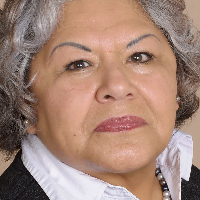
Nevada · 3 yrs exp
Licensed clinical social worker - anxiety and relationships
Stress, Anxiety · Relationship · Family · Trauma and abuse · +11 more
Read profile
Missouri · 16 yrs exp
Licensed clinical social worker - mood and trauma support
Stress, Anxiety · Trauma and abuse · Self esteem · Bipolar · +12 more
Read profile
North Carolina · 10 yrs exp
Licensed Clinical Social Worker - Anxiety and Relationships
Stress, Anxiety · Relationship · Family · Bipolar · +16 more
Read profile
Florida · 15 yrs exp
Licensed Clinical Social Worker - Relationships and Sexuality
Relationship · Family · Intimacy-related issues · Coaching · +4 more
Read profile
New York · 35 yrs exp
Licensed Clinical Social Worker - stress and relationships
Stress, Anxiety · Self esteem · Career · ADHD · +10 more
Read profile
North Carolina · 13 yrs exp
Licensed Clinical Social Worker - Stress and Relationships
Stress, Anxiety · Relationship · Family · Self esteem · +13 more
Read profile
Florida · 11 yrs exp
Licensed Clinical Social Worker - addiction and mood concerns
Addictions · Relationship · Self esteem · Depression · +9 more
Read profile
New Jersey · 10 yrs exp
Licensed Clinical Social Worker - Anxiety and Trauma
Stress, Anxiety · Family · Trauma and abuse · Self esteem · +3 more
Read profile
California · 14 yrs exp
Licensed Clinical Social Worker - trauma and life transitions
Stress, Anxiety · Trauma and abuse · Grief · Self esteem · +8 more
Read profile
New York · 25 yrs exp
Licensed Clinical Social Worker - stress and trauma
Stress, Anxiety · Trauma and abuse · Self esteem · Depression · +7 more
Read profile
Louisiana · 16 yrs exp
Licensed Clinical Social Worker - mood and relationships
Stress, Anxiety · Relationship · Trauma and abuse · Bipolar · +16 more
Read profile
Florida · 10 yrs exp
Licensed Clinical Social Worker - stress and family concerns
Stress, Anxiety · Addictions · Family · Grief · +8 more
Read profile
New York · 30 yrs exp
Licensed Clinical Social Worker - Relationships and Life Changes
Stress, Anxiety · Relationship · Parenting · Self esteem · +11 more
Read profile
Texas · 21 yrs exp
Licensed Clinical Social Worker - Life changes and relationships
Stress, Anxiety · Relationship · Trauma and abuse · Intimacy-related issues · +15 more
Read profile
New York · 10 yrs exp
Licensed Clinical Social Worker - Stress and Relationships
Stress, Anxiety · Relationship · Family · Grief · +12 more
Read profile
Indiana · 11 yrs exp
Licensed Clinical Social Worker - Relationships and Trauma
Stress, Anxiety · Grief · Depression · Coping with life changes · +8 more
Read profile
Florida · 22 yrs exp
Licensed Clinical Social Worker - stress and anxiety
Stress, Anxiety · Self esteem · Depression · Coping with life changes · +5 more
Read profile
Illinois · 25 yrs exp
Licensed clinical social worker - anxiety and life changes
Stress, Anxiety · Self esteem · Career · Coping with life changes · +10 more
Read profile
New Jersey · 8 yrs exp
Licensed clinical social worker - mood and trauma
Stress, Anxiety · Relationship · Trauma and abuse · Bipolar · +14 more
Read profile
Louisiana · 14 yrs exp
Licensed clinical social worker - Stress and trauma
Stress, Anxiety · Anger · Self esteem · Depression · +9 more
Read profile
Mississippi · 12 yrs exp
Licensed clinical social worker - stress and addiction
Stress, Anxiety · Addictions · Anger · Self esteem · +12 more
Read profile
Texas · 8 yrs exp
Licensed Clinical Social Worker - Stress and Relationships
Stress, Anxiety · Relationship · Self esteem · Depression · +8 more
Read profile
Tennessee · 35 yrs exp
Licensed Clinical Social Worker - Stress and Relationships
Stress, Anxiety · Grief · Self esteem · Depression · +8 more
Read profile
Georgia · 25 yrs exp
Licensed clinical social worker - mood and relationships
Stress, Anxiety · Parenting · Anger · Self esteem · +15 more
Read profile
Texas · 33 yrs exp
Licensed Clinical Social Worker - Relationships and Stress
Stress, Anxiety · Relationship · Family · Self esteem · +11 more
Read profile
Texas · 20 yrs exp
Licensed social worker - stress and addiction
Stress, Anxiety · Addictions · Family · Grief · +15 more
Read profile
Pennsylvania · 38 yrs exp
Licensed Clinical Social Worker - Stress and Addiction
Stress, Anxiety · Grief · Depression · Addictions · +7 more
Read profile
Virginia · 47 yrs exp
Licensed Clinical Social Worker - stress and relationships
Stress, Anxiety · Relationship · Grief · Self esteem · +10 more
Read profile
Colorado · 9 yrs exp
Licensed Clinical Social Worker - stress and relationships
Stress, Anxiety · Relationship · Grief · Depression · +11 more
Read profile
New York · 14 yrs exp
Licensed Clinical Social Worker - Stress and Trauma
Stress, Anxiety · Trauma and abuse · Grief · Depression · +6 more
Read profile
New Mexico · 3 yrs exp
Licensed Clinical Social Worker - Trauma and Anxiety
Stress, Anxiety · Trauma and abuse · Depression · Compassion fatigue · +9 more
Read profile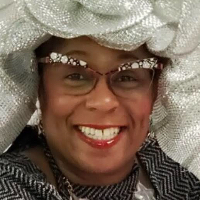
Michigan · 24 yrs exp
Licensed Clinical Social Worker - mood and addiction support
Stress, Anxiety · Addictions · Relationship · Family · +1 more
Read profile
Florida · 28 yrs exp
Licensed Clinical Social Worker - Anxiety and Addictions
Addictions · Trauma and abuse · Parenting · Bipolar · +15 more
Read profile
Arkansas · 44 yrs exp
Licensed clinical social worker - stress and trauma
Stress, Anxiety · Trauma and abuse · Grief · Self esteem · +16 more
Read profile
Florida · 20 yrs exp
Licensed clinical social worker - trauma and addictions
Stress, Anxiety · Addictions · Trauma and abuse · Grief · +14 more
Read profile
California · 20 yrs exp
Licensed Clinical Social Worker - Stress and Relationships
Stress, Anxiety · Relationship · Family · Parenting · +15 more
Read profile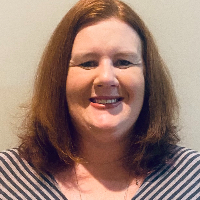
Mississippi · 21 yrs exp
Licensed Clinical Social Worker - stress and family concerns
Stress, Anxiety · Family · Parenting · Anger · +9 more
Read profile
Missouri · 35 yrs exp
LCSW - Stress and trauma-focused clinician
Stress, Anxiety · Trauma and abuse · Anger · Bipolar · +13 more
Read profile
New York · 15 yrs exp
Licensed Clinical Social Worker - Relationships and Addictions
Stress, Anxiety · Addictions · Relationship · Self esteem · +10 more
Read profile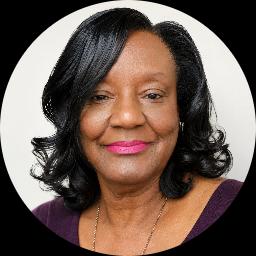
Louisiana · 25 yrs exp
Licensed Clinical Social Worker - Stress and Anxiety
Stress, Anxiety · Family · Anger · Self esteem · +1 more
Read profile
North Carolina · 16 yrs exp
Licensed Clinical Social Worker - Addiction and Trauma
Stress, Anxiety · Addictions · Trauma and abuse · Anger · +13 more
Read profile
Texas · 5 yrs exp
Licensed Clinical Social Worker - relationships and trauma
Stress, Anxiety · Relationship · Family · Trauma and abuse · +9 more
Read profile
Mississippi · 36 yrs exp
Licensed Clinical Social Worker - Family and Parenting
Family · Parenting · Anger · Self esteem · +11 more
Read profile
Florida · 28 yrs exp
Licensed clinical social worker - stress and trauma
Stress, Anxiety · Addictions · Trauma and abuse · Self esteem · +13 more
Read profile
Colorado · 15 yrs exp
Licensed clinical social worker - anxiety and life changes
Stress, Anxiety · Grief · Depression · Coping with life changes · +10 more
Read profile
North Carolina · 10 yrs exp
Licensed Clinical Social Worker - Mood and trauma concerns
Stress, Anxiety · Family · Parenting · Anger · +8 more
Read profile
Wyoming · 14 yrs exp
Licensed clinical social worker - mood and relationships
Addictions · Relationship · Depression · Coping with life changes · +11 more
Read profile
New York · 25 yrs exp
Licensed Clinical Social Worker - Stress and Anxiety
Stress, Anxiety · Grief · Anger · Self esteem · +6 more
Read profile
Connecticut · 24 yrs exp
Licensed clinical social worker - stress and mood concerns
Stress, Anxiety · Relationship · Grief · Self esteem · +11 more
Read profile
Texas · 6 yrs exp
Licensed Clinical Social Worker - Trauma and Relationships
Stress, Anxiety · Relationship · Trauma and abuse · Self esteem · +1 more
Read profile
Illinois · 10 yrs exp
Licensed Clinical Social Worker - Stress and Trauma
Stress, Anxiety · Trauma and abuse · Grief · Self esteem · +11 more
Read profileDepression is a broad term that covers a range of experiences from persistent low mood and loss of interest to more severe changes in thinking, energy and daily functioning. It often shows up as difficulty getting started in the morning, trouble concentrating, changes in sleep or appetite, feelings of worthlessness or excessive guilt, and a shrinking of social activity. You may notice that tasks that once felt manageable now feel overwhelming, or that pleasures you used to enjoy no longer register. For many people depression is episodic - periods of more intense symptoms alternate with times of relative stability - but for others the pattern can be more chronic.
Because mood is linked to the context of your life, social workers pay attention not only to inner experience but to the circumstances that shape it. Money problems, housing instability, workplace pressures, strained family relationships and limited access to medical care can all interact with mood. That person-in-environment perspective means a clinician who holds an LCSW will typically explore both your internal state and the external factors in your life that may be contributing to how you feel.
You might consider reaching out for professional support if depressive symptoms are interfering with your ability to work, maintain relationships, manage daily tasks or care for yourself. If you find that low mood has lasted for several weeks, that it is accompanied by increasing withdrawal from your usual activities, or that it is linked to sleep or appetite changes, talking with a licensed clinician can help you sort what is happening and make a plan. You do not need to wait until a crisis to seek help - many people begin therapy when they notice a trend of worsening mood or when stressors pile up.
An LCSW will also look for practical signs that life circumstances are affecting your mood. If you are experiencing housing difficulties, financial strain, work stress, caregiving burden or isolation, these factors can be addressed alongside mood symptoms. Some people are unsure whether their experience qualifies as depression; if your daily functioning has shifted or your distress is starting to feel unmanageable, an initial assessment with an LCSW can clarify next steps and help you weigh options.
When you first meet an LCSW, you can expect an assessment that asks about your current symptoms, personal history, relationships, living situation and other life circumstances. The clinician will typically ask about what has helped or not helped in the past and about your priorities for change. This initial conversation forms the basis of a collaborative plan that may include short-term goals, practical strategies and ways to track progress.
Subsequent sessions are often a mix of exploring thoughts and feelings and addressing concrete problems that affect mood. You may work on identifying unhelpful thinking patterns, developing coping skills to manage distress, improving sleep and activity patterns, or addressing relationship or work-related challenges. Because LCSWs integrate attention to social and community resources, you may also discuss referrals or supports outside therapy - for example, benefits, housing resources, support groups or care coordination. Sessions can include skill-building, processing difficult experiences and revisiting goals, with the pace and focus shaped by what you say is most important.
Therapists on this directory may list a range of approaches they use when supporting people with depression. It is helpful to understand what those names can signify. Cognitive-behavioral approaches typically focus on the connections between thoughts, feelings and behaviors and often include practical exercises you can carry out between sessions. Interpersonal approaches explore how relationships and life transitions influence mood and emphasize improving communication and social support. Behavioral activation focuses on increasing engagement in meaningful activities to counter low motivation and withdrawal. Mindfulness-informed approaches work with present-moment awareness to reduce reactivity to negative thoughts and emotions.
Because the directory records only what a clinician lists among their approaches, you should view those labels as signals of focus rather than guarantees of specific training. You may also find clinicians who describe a broader social work perspective - for example, integrating assessment of environmental stressors, advocacy and connection to community resources. If medication is part of the conversation, an LCSW will typically coordinate with a prescriber rather than prescribe medications themselves in most states. When you review profiles, look for the approaches that resonate with you and for language that indicates attention to both mood and life circumstances.
Online sessions with a licensed clinical social worker are a common option that can make it easier to fit care into a busy life or to access clinicians outside your immediate area. Online care usually takes place via video or phone sessions and follows the same basic structure as in-person work - assessment, collaborative planning and follow-up sessions - while making it possible to meet from your home or other comfortable setting. If you choose online sessions, you can expect discussion of how to create a reliable time and place for sessions, how to handle interruptions, and what to do if a technology issue arises.
There are practical things to consider when using online care. You may want to identify a comfortable, personal spot where you can speak openly and where you will not be interrupted. Ask about the clinician's policies on communication between sessions and how they handle emergencies or contacts outside of scheduled hours. Keep in mind that licensure rules vary by state, and that clinicians can provide services according to the regulations where they hold a license. If you have limited internet access or prefer phone-only sessions, many LCSWs offer those formats as well. Thinking through your preferences for format, scheduling and communication will help you get the most from online sessions.
Finding a good match with a licensed clinical social worker is about fit as much as credentials. Think about the aspects of care that matter most to you - whether you want a clinician who emphasizes practical problem solving, someone who explores relationships and life history, or a clinician with experience addressing specific stressors like caregiving, workplace difficulties or grief. Look for profiles that describe focus areas and approaches that align with your priorities and that mention languages or cultural perspectives that matter to you.
When comparing profiles, consider practical questions such as the clinician's experience working with depression and related life circumstances, how they describe their approach, and whether their stated focus matches your needs. You may also want to ask about session length, typical goals, and how progress is tracked in sessions. Because scope of practice and title can vary by state, it is reasonable to note the clinician's licensure state if that is relevant to you. Above all, choose someone whose description feels understandable and respectful of your situation and who communicates a clear plan for addressing the problems you brought to therapy.
Use the listings on this page to read profiles and compare focus areas, approaches and languages. An initial conversation with a clinician can help you determine whether their style and emphasis are a good match for what you want to address. With a licensed clinical social worker, you can expect a practice that attends both to mood and to the life circumstances that shape it, and that aims to help you build practical tools and supports for change.
Alabama
26 therapists
Alaska
18 therapists
Arizona
94 therapists
Arkansas
58 therapists
California
696 therapists
Colorado
143 therapists
Connecticut
115 therapists
Delaware
36 therapists
District of Columbia
7 therapists
Florida
827 therapists
Georgia
164 therapists
Hawaii
37 therapists
Idaho
41 therapists
Illinois
401 therapists
Indiana
195 therapists
Iowa
9 therapists
Kansas
27 therapists
Kentucky
142 therapists
Louisiana
134 therapists
Maine
50 therapists
Maryland
22 therapists
Massachusetts
14 therapists
Michigan
38 therapists
Minnesota
13 therapists
Mississippi
68 therapists
Missouri
151 therapists
Montana
57 therapists
Nebraska
2 therapists
Nevada
56 therapists
New Hampshire
16 therapists
New Jersey
227 therapists
New Mexico
50 therapists
New York
535 therapists
North Carolina
358 therapists
North Dakota
11 therapists
Ohio
31 therapists
Oklahoma
80 therapists
Oregon
65 therapists
Pennsylvania
225 therapists
Rhode Island
3 therapists
South Carolina
35 therapists
South Dakota
2 therapists
Tennessee
95 therapists
Texas
483 therapists
Utah
89 therapists
Vermont
3 therapists
Virginia
187 therapists
Washington
16 therapists
West Virginia
5 therapists
Wisconsin
122 therapists
Wyoming
19 therapists