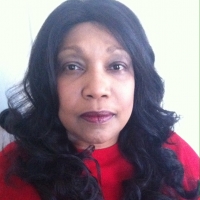
Velma Jones
LCSWNew York · 29 yrs exp
Licensed Clinical Social Worker - Relationships and Mood
Stress, Anxiety · Relationship · Trauma and abuse · Depression · +10 more
Read profileTherapist listings are provided by BetterHelp. We will earn a commission at no additional cost to you if you use our links to purchase.
Welcome if you are looking for online therapy in New York. All therapists listed here hold a licensed clinical social worker (LCSW) credential issued by state authorities. Browse profiles to learn about each clinician's focus areas, approaches, languages, and experience.
New York · 29 yrs exp
Licensed Clinical Social Worker - Relationships and Mood
Stress, Anxiety · Relationship · Trauma and abuse · Depression · +10 more
Read profile
New York · 24 yrs exp
Licensed Clinical Social Worker - Anxiety and Depression
Stress, Anxiety · Relationship · Anger · Self esteem · +12 more
Read profile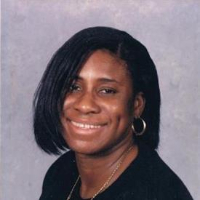
New York · 35 yrs exp
Licensed Clinical Social Worker - stress and relationships
Stress, Anxiety · Self esteem · Career · ADHD · +10 more
Read profile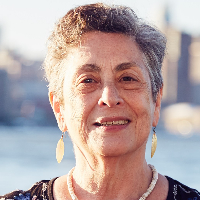
New York · 25 yrs exp
Licensed Clinical Social Worker - stress and trauma
Stress, Anxiety · Trauma and abuse · Self esteem · Depression · +7 more
Read profile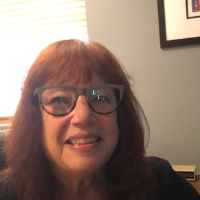
New York · 30 yrs exp
Licensed Clinical Social Worker - Relationships and Life Changes
Stress, Anxiety · Relationship · Parenting · Self esteem · +11 more
Read profile
New York · 10 yrs exp
Licensed Clinical Social Worker - Stress and Relationships
Stress, Anxiety · Relationship · Family · Grief · +12 more
Read profile
New York · 14 yrs exp
Licensed Clinical Social Worker - Stress and Trauma
Stress, Anxiety · Trauma and abuse · Grief · Depression · +6 more
Read profile
New York · 15 yrs exp
Licensed Clinical Social Worker - Relationships and Addictions
Stress, Anxiety · Addictions · Relationship · Self esteem · +10 more
Read profile
New York · 14 yrs exp
Licensed Clinical Social Worker - stress and relationships
Stress, Anxiety · Relationship · Trauma and abuse · Self esteem · +5 more
Read profile
New York · 25 yrs exp
Licensed Clinical Social Worker - Stress and Anxiety
Stress, Anxiety · Grief · Anger · Self esteem · +6 more
Read profile
New York · 25 yrs exp
Licensed Clinical Social Worker - Stress and Relationships
Stress, Anxiety · Relationship · Family · Trauma and abuse · +15 more
Read profile
New York · 8 yrs exp
Licensed Clinical Social Worker - anxiety and trauma
Stress, Anxiety · Addictions · Relationship · Trauma and abuse · +12 more
Read profile
New York · 25 yrs exp
Laura Varriale LCSW - Stress and Anxiety
Stress, Anxiety · Relationship · Trauma and abuse · Self esteem · +1 more
Read profile
New York · 20 yrs exp
Licensed Clinical Social Worker - stress and relationship support
Stress, Anxiety · Addictions · Relationship · Self esteem · +9 more
Read profile
New York · 20 yrs exp
Licensed Clinical Social Worker - Relationships and Stress
Stress, Anxiety · Addictions · Relationship · Career · +5 more
Read profile
New York · 30 yrs exp
Licensed clinical social worker - addiction and anxiety focus
Stress, Anxiety · Addictions · Relationship · Trauma and abuse · +12 more
Read profile
New York · 27 yrs exp
Licensed Clinical Social Worker - stress and mood concerns
Stress, Anxiety · Family · Trauma and abuse · Bipolar · +10 more
Read profile
New York · 8 yrs exp
Licensed social worker - Anxiety and addictions
Stress, Anxiety · Addictions · Trauma and abuse · Anger · +1 more
Read profile
New York · 30 yrs exp
Licensed clinical social worker - grief and recovery
Stress, Anxiety · Grief · Self esteem · Depression · +13 more
Read profile
New York · 9 yrs exp
Licensed clinical social worker - stress and family issues
Stress, Anxiety · Relationship · Family · Trauma and abuse · +1 more
Read profile
New York · 12 yrs exp
Licensed clinical social worker - Addictions and mood concerns
Addictions · Trauma and abuse · Anger · Self esteem · +10 more
Read profile
New York · 22 yrs exp
Licensed clinical social worker - relationships and anxiety
Stress, Anxiety · Relationship · Parenting · Bipolar · +14 more
Read profile
New York · 8 yrs exp
Licensed clinical social worker - anxiety and trauma
Stress, Anxiety · Relationship · Anger · Self esteem · +12 more
Read profile
New York · 25 yrs exp
Licensed clinical social worker - relationships and stress
Stress, Anxiety · Relationship · Family · Grief · +12 more
Read profile
New York · 10 yrs exp
Licensed Clinical Social Worker - stress and mood concerns
Stress, Anxiety · Addictions · Anger · Coping with life changes · +6 more
Read profile
New York · 25 yrs exp
Licensed Clinical Social Worker - Stress and Trauma
Stress, Anxiety · Relationship · Trauma and abuse · Grief · +1 more
Read profile
New York · 36 yrs exp
Licensed Clinical Social Worker - Addiction and Trauma
Stress, Anxiety · Addictions · Trauma and abuse · Career · +1 more
Read profile
New York · 12 yrs exp
Licensed clinical social worker - career and life transitions
Addictions · Career · Coping with life changes · Coaching · +4 more
Read profile
New York · 9 yrs exp
Licensed clinical social worker - stress and relationships
Stress, Anxiety · Relationship · Parenting · Self esteem · +3 more
Read profile
New York · 14 yrs exp
Licensed Clinical Social Worker - stress and relationships
Stress, Anxiety · Addictions · Relationship · Bipolar · +15 more
Read profile
New York · 11 yrs exp
Licensed Clinical Social Worker - Stress and Relationships
Stress, Anxiety · Relationship · Trauma and abuse · Parenting · +5 more
Read profile
New York · 7 yrs exp
Licensed Clinical Social Worker - stress and relationships
Stress, Anxiety · Relationship · Family · Self esteem · +1 more
Read profile
New York · 4 yrs exp
Licensed clinical social worker - stress and trauma
Stress, Anxiety · Trauma and abuse · Self esteem · Depression · +1 more
Read profile
New York · 8 yrs exp
Licensed clinical social worker - Stress and family concerns
Stress, Anxiety · Family · Self esteem · Depression · +1 more
Read profile
New York · 12 yrs exp
Licensed clinical social worker - relationships and parenting
Relationship · Family · Parenting · Coping with life changes
Read profile
New York · 31 yrs exp
Licensed Clinical Social Worker - Stress and Relationship Support
Stress, Anxiety · Relationship · Trauma and abuse · Self esteem · +1 more
Read profile
New York · 9 yrs exp
Licensed Clinical Social Worker - Anxiety and Trauma
Stress, Anxiety · Relationship · Anger · Compassion fatigue · +9 more
Read profile
New York · 6 yrs exp
Licensed Clinical Social Worker - Stress and Depression
Stress, Anxiety · Self esteem · Depression · Coping with life changes
Read profile
New York · 15 yrs exp
Licensed Clinical Social Worker - Relationships and Life Changes
Stress, Anxiety · Relationship · Grief · Depression · +3 more
Read profile
New York · 7 yrs exp
Licensed Clinical Social Worker - Stress and Anxiety
Stress, Anxiety · Self esteem · Career · Depression · +1 more
Read profile
New York · 20 yrs exp
Licensed clinical social worker - stress and anxiety
Stress, Anxiety · Relationship · Self esteem · Depression
Read profile
New York · 6 yrs exp
Licensed clinical social worker - stress and relationships
Stress, Anxiety · Relationship · Trauma and abuse · Depression · +1 more
Read profile
New York · 20 yrs exp
Licensed Clinical Social Worker - Addiction and Trauma
Addictions · LGBT · Relationship · Trauma and abuse · +1 more
Read profile
New York · 20 yrs exp
Licensed Clinical Social Worker - anxiety and grief
Stress, Anxiety · Relationship · Grief · Depression · +1 more
Read profile
New York · 6 yrs exp
Licensed clinical social worker - mood and stress
Stress, Anxiety · Addictions · Self esteem · Bipolar · +1 more
Read profile
New York · 11 yrs exp
Licensed Clinical Social Worker - stress and trauma
Stress, Anxiety · Trauma and abuse · Career · Depression · +1 more
Read profile
New York · 13 yrs exp
Licensed Clinical Social Worker - LGBT and Relationships
LGBT · Relationship · Trauma and abuse · Self esteem · +1 more
Read profile
New York · 4 yrs exp
Licensed clinical social worker - stress and health
Stress, Anxiety · Self esteem · Depression · Coping with life changes · +11 more
Read profile
New York · 11 yrs exp
Licensed Clinical Social Worker - stress and anxiety
Stress, Anxiety · Grief · Self esteem · Depression · +1 more
Read profile
New York · 20 yrs exp
Licensed clinical social worker - Stress and anxiety
Stress, Anxiety · Relationship · Grief · Self esteem · +1 more
Read profile
New York · 13 yrs exp
Licensed Clinical Social Worker - Stress and Relationships
Stress, Anxiety · Relationship · Family · Self esteem · +1 more
Read profile
New York · 25 yrs exp
Licensed social worker - Anxiety and Trauma
Stress, Anxiety · Trauma and abuse · Self esteem · Depression
Read profile
New York · 40 yrs exp
Licensed clinical social worker - stress and relationships
Stress, Anxiety · Relationship · Parenting · Self esteem · +1 more
Read profile
New York · 8 yrs exp
Licensed clinical social worker - relationships and trauma
Relationship · Trauma and abuse · Grief · Intimacy-related issues · +9 more
Read profile
New York · 11 yrs exp
Licensed Clinical Social Worker - trauma and family concerns
Stress, Anxiety · Family · Trauma and abuse · Grief · +1 more
Read profile
New York · 22 yrs exp
Licensed Clinical Social Worker - Stress and Trauma
Stress, Anxiety · Family · Trauma and abuse · Anger · +8 more
Read profile
New York · 36 yrs exp
Licensed Clinical Social Worker - Relationships and LGBT issues
LGBT · Relationship · Family · Career · +1 more
Read profile
New York · 6 yrs exp
Licensed clinical social worker - anxiety and mood
Stress, Anxiety · Grief · Self esteem · Bipolar · +1 more
Read profile
New York · 26 yrs exp
Licensed Clinical Social Worker - Stress and Relationships
Stress, Anxiety · Relationship · Grief · Depression · +1 more
Read profile
New York · 8 yrs exp
Licensed Clinical Social Worker - Stress and Family concerns
Stress, Anxiety · Family · Trauma and abuse · Parenting · +1 more
Read profileIf you are considering online sessions with an LCSW in New York, you will find that licensed clinical social workers practice across urban, suburban, and rural communities using telehealth platforms and video conferencing. Licensing for LCSWs in New York is managed at the state level, which defines who may use the LCSW title and the scope of clinical practice. Because the license is state-issued, an LCSW who lists New York as their jurisdiction has met New York's education, supervised clinical experience, and examination requirements. When you read clinician profiles you will see that social work training emphasizes a person-in-environment perspective. That means an LCSW typically considers your housing, work, family, finances, and community connections alongside your internal experiences. For many people that broader lens is a key reason to seek a clinician who holds an LCSW.
Online sessions can be offered in different formats depending on the clinician's practice and the technology they use. Some LCSWs mention the platforms or formats they offer on their profiles, while others describe the populations they work with and the issues they focus on. Profiles often include language offerings, years of experience, and the professional credential itself. Use those details to identify clinicians whose background and stated interests align with what matters to you.
Online therapy with an LCSW can make it easier for you to fit care into a busy life. New York is a state of varied geography and commuting patterns, so meeting virtually can reduce travel time and help you access a clinician who shares your language or cultural background even if they are not physically nearby. For people balancing work, caregiving, school, or mobility limitations, online sessions can provide continuity and a predictable way to stay connected with a clinician without frequent travel.
The person-in-environment approach that informs social work practice means an LCSW may help you address practical barriers and link you to community resources in addition to talking through emotional or relational concerns. For example, an LCSW may discuss how housing, employment, or benefits are affecting your well-being and can help you plan next steps or referrals. Online sessions also make it simpler to involve family members who live in other parts of the state or to arrange shorter check-ins between more comprehensive appointments when that is clinically appropriate.
When you look through profiles of clinicians who hold an LCSW, you will see a range of common focus areas. Many LCSWs work with mood and anxiety concerns, stress related to work or caregiving, relationship and family issues, grief and loss, life transitions, and trauma-related concerns. Social workers often pay attention to how external circumstances - housing, employment, access to services, and community supports - interact with symptoms you may be experiencing. That perspective can be particularly useful if you want help that addresses both internal and external contributors to the challenges you face.
In addition to emotional and relational work, LCSWs frequently help people navigate systems. If you need assistance connecting with community programs, understanding benefit options, or coordinating care with medical providers, an LCSW can often support those steps as part of their practice. Profiles will typically list the populations a clinician has experience with, such as working with adolescents, older adults, veterans, or specific cultural communities. Look for statements about focus areas and populations when you are trying to determine whether a clinician's background resonates with your needs.
Confirming that a clinician holds an active New York LCSW license is an important part of your research. The New York State Education Department Office of the Professions maintains an online license verification tool where you can search by name or license number. When you view a license record you will usually see the license status, expiration date, and any public disciplinary information the state board has posted. That record may also include the date the license was issued and the title under which the clinician is licensed.
When you search, use the exact name the clinician lists on their profile to reduce mismatches. If a clinician lists additional professional credentials or practice locations, you can look for corresponding entries on the state site. If anything in the record is unclear to you, the state office provides contact information for further questions. Verifying licensing helps you confirm that the person holds the credential they list and that they are authorized to practice in New York under that title.
On the official license page, check that the title is LCSW and that the license is active. Note the expiration date and whether the record shows any public disciplinary actions or restrictions. Some records include education details and the board that issued the license. Keep in mind that an LCSW license reflects completion of a master's degree in social work, a prescribed period of supervised post-graduate clinical experience, and passing a clinical exam, all of which are part of the licensing process in New York.
Getting started with online sessions often begins with clarifying what you want from care. Think about your primary concerns, what a successful outcome might look like, and any practical constraints such as budget, language, or scheduling needs. When you review clinician profiles, focus on the features you can compare reliably: whether the clinician holds an LCSW, the populations they list, languages spoken, stated focus areas, and the approaches they list. Remember that listed approaches indicate what a clinician mentions, not a certification or guarantee of outcomes.
Practical preparation helps your first session go smoothly. Choose a device with a camera and microphone, test your internet connection, and pick a quiet, comfortable environment or a private space if possible. Consider how long you want each session to be and whether you need a clinician who works with families, adolescents, or a specific cultural group. Check profile notes about language offerings if you prefer a clinician who speaks a language other than English.
When you reach out to a clinician, you may want to ask about their experience with the issues you came for, the populations they work with, the length of a typical session, fee structure and whether they accept your insurance, and how they handle emergency contacts or urgent concerns between sessions. These questions help you determine fit based on professional background and logistical factors that matter to you. You can also ask how they describe their clinical approach in plain language and whether they have experience working with people from your cultural or linguistic background.
Choosing a clinician is a personal decision and you should look for someone whose profile and responses feel like a good match for your needs. You do not need to make a permanent commitment on day one. Many people treat an initial session as an opportunity to assess whether a clinician's style and perspective align with their own goals. If you do decide to continue, ongoing communication about progress and goals helps ensure the work stays focused on what matters to you.
Online therapy with an LCSW in New York offers a route to clinicians who combine clinical skills with attention to social and environmental factors that affect well-being. By verifying licensure, reviewing profiles for focus areas and language, preparing practically for sessions, and asking direct questions about experience and logistics, you can make an informed choice about which clinician is likely to fit your preferences and needs. Use the listings as a place to gather information, then reach out to the clinicians whose profiles most closely match what you are seeking.
Addictions
2304 therapists
ADHD
1905 therapists
Anger
2772 therapists
Bipolar
1941 therapists
Chronic Illness
1303 therapists
Control Issues
2210 therapists
Depression
5181 therapists
Domestic Violence
1366 therapists
Grief
3610 therapists
Guilt and Shame
3705 therapists
Isolation / Loneliness
3581 therapists
Midlife Crisis
1808 therapists
Mood Disorders
2723 therapists
Panic Disorder and Panic Attacks
2261 therapists
Post-Traumatic Stress
2956 therapists
Self Esteem
4971 therapists
Social Anxiety and Phobia
3197 therapists
Stress & Anxiety
5847 therapists
Trauma and Abuse
4050 therapists
Abandonment
2048 therapists
Aging and Geriatric Issues
1666 therapists
Attachment Issues
2324 therapists
Blended Family Issues
1549 therapists
Career
2487 therapists
Caregiver Issues and Stress
2913 therapists
Codependency
1905 therapists
Communication Problems
4240 therapists
Compassion Fatigue
2340 therapists
Coping with Life Changes
4536 therapists
Divorce
2432 therapists
Family
3427 therapists
Family of Origin Issues
1530 therapists
Forgiveness
3312 therapists
Life Purpose
3795 therapists
Money and Financial Issues
1263 therapists
Parenting
2720 therapists
Relationship
4223 therapists
Self-Love
3931 therapists
Workplace Issues
2550 therapists