
Velma Jones
LCSWNew York · 29 yrs exp
Licensed Clinical Social Worker - Relationships and Mood
Stress, Anxiety · Relationship · Trauma and abuse · Depression · +10 more
Read profileTherapist listings are provided by BetterHelp. We will earn a commission at no additional cost to you if you use our links to purchase.
This page lists licensed clinical social workers who focus on life purpose and meaning. Explore profiles below to read about their approaches, languages, and experience before you reach out.
New York · 29 yrs exp
Licensed Clinical Social Worker - Relationships and Mood
Stress, Anxiety · Relationship · Trauma and abuse · Depression · +10 more
Read profile
Florida · 14 yrs exp
Florida LCSW - Stress and Relationship Support
Stress, Anxiety · Grief · Anger · Self esteem · +12 more
Read profile
Illinois · 17 yrs exp
Licensed clinical social worker - trauma and life transitions
Trauma and abuse · Coping with life changes · Stress, Anxiety · Relationship · +9 more
Read profile
Colorado · 19 yrs exp
Licensed Clinical Social Worker - Stress and Relationships
Stress, Anxiety · Relationship · Trauma and abuse · Grief · +12 more
Read profile
Texas · 13 yrs exp
Licensed Clinical Social Worker - Stress and Relationship support
Stress, Anxiety · Relationship · Trauma and abuse · Anger · +11 more
Read profile
Florida · 23 yrs exp
Licensed clinical social worker - LGBT and intimacy issues
LGBT · Intimacy-related issues
Read profile
New York · 24 yrs exp
Licensed Clinical Social Worker - Anxiety and Depression
Stress, Anxiety · Relationship · Anger · Self esteem · +12 more
Read profile
Missouri · 36 yrs exp
Licensed Clinical Social Worker - Mood and Trauma
Stress, Anxiety · Relationship · Trauma and abuse · Intimacy-related issues · +15 more
Read profile
Missouri · 16 yrs exp
Licensed clinical social worker - mood and trauma support
Stress, Anxiety · Trauma and abuse · Self esteem · Bipolar · +12 more
Read profile
North Carolina · 10 yrs exp
Licensed Clinical Social Worker - Anxiety and Relationships
Stress, Anxiety · Relationship · Family · Bipolar · +16 more
Read profile
North Carolina · 13 yrs exp
Licensed Clinical Social Worker - Stress and Relationships
Stress, Anxiety · Relationship · Family · Self esteem · +13 more
Read profile
California · 14 yrs exp
Licensed Clinical Social Worker - trauma and life transitions
Stress, Anxiety · Trauma and abuse · Grief · Self esteem · +8 more
Read profile
Louisiana · 16 yrs exp
Licensed Clinical Social Worker - mood and relationships
Stress, Anxiety · Relationship · Trauma and abuse · Bipolar · +16 more
Read profile
Florida · 10 yrs exp
Licensed Clinical Social Worker - stress and family concerns
Stress, Anxiety · Addictions · Family · Grief · +8 more
Read profile
New York · 30 yrs exp
Licensed Clinical Social Worker - Relationships and Life Changes
Stress, Anxiety · Relationship · Parenting · Self esteem · +11 more
Read profile
Texas · 21 yrs exp
Licensed Clinical Social Worker - Life changes and relationships
Stress, Anxiety · Relationship · Trauma and abuse · Intimacy-related issues · +15 more
Read profile
Indiana · 11 yrs exp
Licensed Clinical Social Worker - Relationships and Trauma
Stress, Anxiety · Grief · Depression · Coping with life changes · +8 more
Read profile
Illinois · 25 yrs exp
Licensed clinical social worker - anxiety and life changes
Stress, Anxiety · Self esteem · Career · Coping with life changes · +10 more
Read profile
New Jersey · 8 yrs exp
Licensed clinical social worker - mood and trauma
Stress, Anxiety · Relationship · Trauma and abuse · Bipolar · +14 more
Read profile
Louisiana · 14 yrs exp
Licensed clinical social worker - Stress and trauma
Stress, Anxiety · Anger · Self esteem · Depression · +9 more
Read profile
Mississippi · 12 yrs exp
Licensed clinical social worker - stress and addiction
Stress, Anxiety · Addictions · Anger · Self esteem · +12 more
Read profile
Tennessee · 35 yrs exp
Licensed Clinical Social Worker - Stress and Relationships
Stress, Anxiety · Grief · Self esteem · Depression · +8 more
Read profile
Georgia · 25 yrs exp
Licensed clinical social worker - mood and relationships
Stress, Anxiety · Parenting · Anger · Self esteem · +15 more
Read profile
Texas · 33 yrs exp
Licensed Clinical Social Worker - Relationships and Stress
Stress, Anxiety · Relationship · Family · Self esteem · +11 more
Read profile
Texas · 20 yrs exp
Licensed social worker - stress and addiction
Stress, Anxiety · Addictions · Family · Grief · +15 more
Read profile
Colorado · 9 yrs exp
Licensed Clinical Social Worker - stress and relationships
Stress, Anxiety · Relationship · Grief · Depression · +11 more
Read profile
New York · 14 yrs exp
Licensed Clinical Social Worker - Stress and Trauma
Stress, Anxiety · Trauma and abuse · Grief · Depression · +6 more
Read profile
Michigan · 24 yrs exp
Licensed Clinical Social Worker - mood and addiction support
Stress, Anxiety · Addictions · Relationship · Family · +1 more
Read profile
Arkansas · 44 yrs exp
Licensed clinical social worker - stress and trauma
Stress, Anxiety · Trauma and abuse · Grief · Self esteem · +16 more
Read profile
Mississippi · 21 yrs exp
Licensed Clinical Social Worker - stress and family concerns
Stress, Anxiety · Family · Parenting · Anger · +9 more
Read profile
Tennessee · 15 yrs exp
Licensed Clinical Social Worker - Relationships and Stress
Stress, Anxiety · Relationship · Family · Self esteem · +9 more
Read profile
Missouri · 35 yrs exp
LCSW - Stress and trauma-focused clinician
Stress, Anxiety · Trauma and abuse · Anger · Bipolar · +13 more
Read profile
New York · 15 yrs exp
Licensed Clinical Social Worker - Relationships and Addictions
Stress, Anxiety · Addictions · Relationship · Self esteem · +10 more
Read profile
Louisiana · 25 yrs exp
Licensed Clinical Social Worker - Stress and Anxiety
Stress, Anxiety · Family · Anger · Self esteem · +1 more
Read profile
North Carolina · 16 yrs exp
Licensed Clinical Social Worker - Addiction and Trauma
Stress, Anxiety · Addictions · Trauma and abuse · Anger · +13 more
Read profile
Texas · 5 yrs exp
Licensed Clinical Social Worker - relationships and trauma
Stress, Anxiety · Relationship · Family · Trauma and abuse · +9 more
Read profile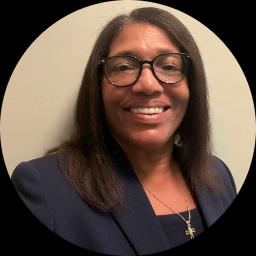
Mississippi · 36 yrs exp
Licensed Clinical Social Worker - Family and Parenting
Family · Parenting · Anger · Self esteem · +11 more
Read profile
Florida · 28 yrs exp
Licensed clinical social worker - stress and trauma
Stress, Anxiety · Addictions · Trauma and abuse · Self esteem · +13 more
Read profile
Nevada · 12 yrs exp
Licensed Clinical Social Worker - stress and anxiety
Stress, Anxiety · Relationship · Anger · Self esteem · +1 more
Read profile
Wyoming · 14 yrs exp
Licensed clinical social worker - mood and relationships
Addictions · Relationship · Depression · Coping with life changes · +11 more
Read profile
Connecticut · 24 yrs exp
Licensed clinical social worker - stress and mood concerns
Stress, Anxiety · Relationship · Grief · Self esteem · +11 more
Read profile
Texas · 6 yrs exp
Licensed Clinical Social Worker - Trauma and Relationships
Stress, Anxiety · Relationship · Trauma and abuse · Self esteem · +1 more
Read profile
Illinois · 10 yrs exp
Licensed Clinical Social Worker - Stress and Trauma
Stress, Anxiety · Trauma and abuse · Grief · Self esteem · +11 more
Read profile
Indiana · 12 yrs exp
Licensed clinical social worker - mood and trauma
Stress, Anxiety · Trauma and abuse · Self esteem · Bipolar · +10 more
Read profile
New Jersey · 12 yrs exp
LCSW - Stress and relationship concerns
Stress, Anxiety · Relationship · Trauma and abuse · Self esteem · +1 more
Read profile
Texas · 35 yrs exp
Licensed Clinical Social Worker - Stress and Trauma
Stress, Anxiety · Relationship · Family · Trauma and abuse · +14 more
Read profile
Colorado · 20 yrs exp
Licensed Clinical Social Worker - Stress and Trauma
Stress, Anxiety · Trauma and abuse · Grief · Depression · +15 more
Read profile
Wisconsin · 18 yrs exp
Licensed Clinical Social Worker - Relationships and Stress
Stress, Anxiety · Parenting · Self esteem · Depression · +11 more
Read profile
Virginia · 10 yrs exp
Licensed clinical social worker - trauma and relationships
Relationship · Trauma and abuse · Self esteem · Depression · +5 more
Read profile
North Carolina · 7 yrs exp
Licensed Clinical Social Worker - Stress and Relationships
Stress, Anxiety · LGBT · Relationship · Trauma and abuse · +1 more
Read profile
Pennsylvania · 17 yrs exp
Licensed clinical social worker - Anxiety and trauma
Stress, Anxiety · Trauma and abuse · Self esteem · Depression · +1 more
Read profile
Florida · 13 yrs exp
Licensed clinical social worker - Stress and Addictions
Stress, Anxiety · Addictions · Relationship · Trauma and abuse · +1 more
Read profile
Illinois · 39 yrs exp
Licensed Clinical Social Worker - stress and relationships
Stress, Anxiety · Relationship · Grief · Sleeping · +1 more
Read profile
Florida · 20 yrs exp
Licensed Clinical Social Worker - Stress and Trauma
Stress, Anxiety · Trauma and abuse · Grief · Career · +15 more
Read profile
New York · 25 yrs exp
Licensed Clinical Social Worker - Stress and Relationships
Stress, Anxiety · Relationship · Family · Trauma and abuse · +15 more
Read profile
Illinois · 3 yrs exp
Licensed Clinical Social Worker - Stress and Relationships
Stress, Anxiety · Addictions · LGBT · Relationship · +10 more
Read profile
Virginia · 4 yrs exp
Licensed Clinical Social Worker - Stress and Life Change
Stress, Anxiety · Grief · Anger · Self esteem · +10 more
Read profile
Kentucky · 15 yrs exp
Licensed Clinical Social Worker - relationships and mood
Stress, Anxiety · Relationship · Parenting · Anger · +13 more
Read profile
Florida · 20 yrs exp
Licensed Clinical Social Worker - Relationships and Stress
Stress, Anxiety · Relationship · Family · Trauma and abuse · +16 more
Read profile
Florida · 19 yrs exp
Licensed Clinical Social Worker - Stress and Trauma
Stress, Anxiety · Trauma and abuse · Grief · Depression · +9 more
Read profileLife purpose is not a single destination. For many people it is a shifting sense of what matters most - the combination of values, roles, and goals that give daily choices a sense of direction. You may think of purpose as career meaning, parenting identity, spiritual direction, creative calling, or civic engagement. Often these elements overlap and change across seasons of life. When purpose feels clear you may notice more energy, focus, and resilience. When it feels absent or muddled you may experience restlessness, anxiety, or a sense of drifting.
Working with a licensed clinical social worker can help you examine purpose in the context of your whole life. LCSWs bring a clinical license that follows graduate social work education, a period of supervised post-graduate clinical experience, and a state-administered licensing exam. Because the social work perspective intentionally situates individual experience within social, economic, and environmental circumstances, an LCSW is likely to explore how housing, work, family, finances, and community shape what purpose looks like for you. That broader view can be especially helpful when life purpose questions intersect with practical challenges or systemic barriers.
You may begin to question purpose during specific transitions - finishing school, changing careers, becoming a parent, retirement, or after a health event or relationship change. You might notice persistent dissatisfaction even when external markers of success are present. Feeling chronically uninspired, lacking motivation, or experiencing frequent mood dips tied to meaninglessness are common prompts to seek help. Sometimes purpose questions appear as recurring thoughts about whether your current path aligns with your values or as difficulty committing to long-term plans.
If your search for meaning is entangled with stressors like job loss, caregiving burden, financial strain, or relocation, a clinician who holds an LCSW can attend to those practical constraints as part of the work. You might also seek help if you find yourself comparing your life to others and feeling stuck, or if spiritual or existential questions are disrupting daily functioning. Therapy focused on purpose is not about prescribing a single answer. It is about clarifying what matters to you, exploring barriers, and developing ways to act on what you discover.
Initial sessions with an LCSW typically involve getting a clear picture of your life context. You will talk about your history, relationships, work, finances, and community ties because these areas often influence what you see as meaningful. An LCSW will ask about your values, strengths, and existing routines to identify places where small changes could create more alignment. Together you and the clinician set goals that may include exploring identity questions, finding a new direction, or building habits that reflect your priorities.
Expect a mix of reflective conversation and practical tasks. Many people find that taking manageable steps - experimenting with hobbies, volunteering, informational interviews, or short-term projects - helps translate abstract intentions into lived experience. Your clinician may help you design these steps, process what you learn, and adjust plans in response to obstacles. The pace is collaborative and grounded in your priorities rather than driven by a rigid agenda.
Because LCSWs are trained to consider environmental and systemic factors, sessions often include problem solving around real-world barriers - for example time constraints, caregiving responsibilities, financial limits, or community resources. Addressing these constraints is part of making purpose feel attainable rather than merely aspirational.
Therapists who hold an LCSW may draw on a range of approaches when people bring life purpose concerns. You will encounter clinicians who list existential or meaning-centered approaches that focus directly on questions of meaning and mortality, as well as clinicians who include narrative work that helps you reframe life stories to reveal underlying values. Acceptance and commitment approaches emphasize clarifying values and committing to actions that align with them, while cognitive-behavioral methods can help you identify thought patterns that undermine motivation.
Other clinicians may list mindfulness-based strategies to increase awareness of moment-to-moment values, motivational interviewing to address ambivalence about change, or psychodynamic ideas that look at repeated patterns across relationships. It is important to remember that a listed approach does not guarantee specific training; it signals an orientation or interest that you can explore in a profile. An LCSW’s person-in-environment training means treatment planning often weaves psychological exploration with attention to social supports, community resources, and practical problem solving.
Online sessions can make deep reflective work more accessible by removing travel time and allowing you to participate from a comfortable setting. When you meet remotely you can still engage in meaningful exploration, set practical experiments, and process outcomes with your clinician. Many clients appreciate how virtual sessions make it easier to try new behaviors between meetings, since those behaviors often occur in day-to-day settings and can be discussed soon after they happen.
Technology also affects logistics - session formats vary by clinician and may include video, phone, or a combination. In an online context you should expect clear discussion about how sessions will be scheduled, how notes are kept, and what to do in times of increased distress. Because licensing is state-based, your clinician’s LCSW license indicates the jurisdiction in which they practice; if you plan to use a clinician across state lines, the clinician’s profile should clarify where they are licensed. Online work can be effective for exploring purpose because it allows consistent contact even when life is busy or geographically dispersed.
When selecting a clinician for life purpose work, focus on how well their stated experience and interests align with your needs. Read profiles for language about values exploration, transitions, identity, or the life stage you are navigating. Look for clinicians who list approaches that resonate with you, while remembering that a listed approach is an orientation rather than a guarantee of specific training credentials. Consider language offerings, cultural background, and experience with systems that matter to you - for example work with caregivers, veterans, young adults, or older adults.
Because social work emphasizes the person-in-environment perspective, you may find an LCSW especially helpful if your search for purpose intersects with practical issues like housing, employment, or access to community resources. Compare focus areas, approaches, credentials, languages, and years of clinical experience to determine who might be a good match for your goals. Plan to use an initial conversation to get a feel for their style, how they integrate practical problem solving with meaning-focused work, and whether their approach helps you move from insight to action.
Your path to greater clarity often unfolds through a combination of thoughtful reflection and small, consistent steps. A licensed clinical social worker can support that process by helping you clarify what matters, navigate obstacles, and develop practical habits that express your values. If you decide to reach out to someone listed on this page, use their profile information to learn about their focus and methods so you can choose a clinician whose approach aligns with your life purpose goals.
Alabama
26 therapists
Alaska
18 therapists
Arizona
94 therapists
Arkansas
58 therapists
California
696 therapists
Colorado
143 therapists
Connecticut
115 therapists
Delaware
36 therapists
District of Columbia
7 therapists
Florida
827 therapists
Georgia
164 therapists
Hawaii
37 therapists
Idaho
41 therapists
Illinois
401 therapists
Indiana
195 therapists
Iowa
9 therapists
Kansas
27 therapists
Kentucky
142 therapists
Louisiana
134 therapists
Maine
50 therapists
Maryland
22 therapists
Massachusetts
14 therapists
Michigan
38 therapists
Minnesota
13 therapists
Mississippi
68 therapists
Missouri
151 therapists
Montana
57 therapists
Nebraska
2 therapists
Nevada
56 therapists
New Hampshire
16 therapists
New Jersey
227 therapists
New Mexico
50 therapists
New York
535 therapists
North Carolina
358 therapists
North Dakota
11 therapists
Ohio
31 therapists
Oklahoma
80 therapists
Oregon
65 therapists
Pennsylvania
225 therapists
Rhode Island
3 therapists
South Carolina
35 therapists
South Dakota
2 therapists
Tennessee
95 therapists
Texas
483 therapists
Utah
89 therapists
Vermont
3 therapists
Virginia
187 therapists
Washington
16 therapists
West Virginia
5 therapists
Wisconsin
122 therapists
Wyoming
19 therapists