
Velma Jones
LCSWNew York · 29 yrs exp
Licensed Clinical Social Worker - Relationships and Mood
Stress, Anxiety · Relationship · Trauma and abuse · Depression · +10 more
Read profileTherapist listings are provided by BetterHelp. We will earn a commission at no additional cost to you if you use our links to purchase.
This page lists Licensed Clinical Social Workers (LCSWs) who work with workplace issues, including stress, burnout, conflict, and career transitions. Browse the listings below to review each LCSW's focus areas, approaches, languages, and experience.
New York · 29 yrs exp
Licensed Clinical Social Worker - Relationships and Mood
Stress, Anxiety · Relationship · Trauma and abuse · Depression · +10 more
Read profile
Florida · 14 yrs exp
Florida LCSW - Stress and Relationship Support
Stress, Anxiety · Grief · Anger · Self esteem · +12 more
Read profile
Illinois · 17 yrs exp
Licensed clinical social worker - trauma and life transitions
Trauma and abuse · Coping with life changes · Stress, Anxiety · Relationship · +9 more
Read profile
Colorado · 19 yrs exp
Licensed Clinical Social Worker - Stress and Relationships
Stress, Anxiety · Relationship · Trauma and abuse · Grief · +12 more
Read profile
Texas · 13 yrs exp
Licensed Clinical Social Worker - Stress and Relationship support
Stress, Anxiety · Relationship · Trauma and abuse · Anger · +11 more
Read profile
Florida · 23 yrs exp
Licensed clinical social worker - LGBT and intimacy issues
LGBT · Intimacy-related issues
Read profile
New York · 24 yrs exp
Licensed Clinical Social Worker - Anxiety and Depression
Stress, Anxiety · Relationship · Anger · Self esteem · +12 more
Read profile
Missouri · 16 yrs exp
Licensed clinical social worker - mood and trauma support
Stress, Anxiety · Trauma and abuse · Self esteem · Bipolar · +12 more
Read profile
North Carolina · 10 yrs exp
Licensed Clinical Social Worker - Anxiety and Relationships
Stress, Anxiety · Relationship · Family · Bipolar · +16 more
Read profile
New York · 35 yrs exp
Licensed Clinical Social Worker - stress and relationships
Stress, Anxiety · Self esteem · Career · ADHD · +10 more
Read profile
California · 14 yrs exp
Licensed Clinical Social Worker - trauma and life transitions
Stress, Anxiety · Trauma and abuse · Grief · Self esteem · +8 more
Read profile
Louisiana · 16 yrs exp
Licensed Clinical Social Worker - mood and relationships
Stress, Anxiety · Relationship · Trauma and abuse · Bipolar · +16 more
Read profile
Florida · 10 yrs exp
Licensed Clinical Social Worker - stress and family concerns
Stress, Anxiety · Addictions · Family · Grief · +8 more
Read profile
New York · 30 yrs exp
Licensed Clinical Social Worker - Relationships and Life Changes
Stress, Anxiety · Relationship · Parenting · Self esteem · +11 more
Read profile
Texas · 21 yrs exp
Licensed Clinical Social Worker - Life changes and relationships
Stress, Anxiety · Relationship · Trauma and abuse · Intimacy-related issues · +15 more
Read profile
Illinois · 25 yrs exp
Licensed clinical social worker - anxiety and life changes
Stress, Anxiety · Self esteem · Career · Coping with life changes · +10 more
Read profile
Louisiana · 14 yrs exp
Licensed clinical social worker - Stress and trauma
Stress, Anxiety · Anger · Self esteem · Depression · +9 more
Read profile
Mississippi · 12 yrs exp
Licensed clinical social worker - stress and addiction
Stress, Anxiety · Addictions · Anger · Self esteem · +12 more
Read profile
Tennessee · 35 yrs exp
Licensed Clinical Social Worker - Stress and Relationships
Stress, Anxiety · Grief · Self esteem · Depression · +8 more
Read profile
Texas · 33 yrs exp
Licensed Clinical Social Worker - Relationships and Stress
Stress, Anxiety · Relationship · Family · Self esteem · +11 more
Read profile
Texas · 20 yrs exp
Licensed social worker - stress and addiction
Stress, Anxiety · Addictions · Family · Grief · +15 more
Read profile
Colorado · 9 yrs exp
Licensed Clinical Social Worker - stress and relationships
Stress, Anxiety · Relationship · Grief · Depression · +11 more
Read profile
New York · 14 yrs exp
Licensed Clinical Social Worker - Stress and Trauma
Stress, Anxiety · Trauma and abuse · Grief · Depression · +6 more
Read profile
Michigan · 24 yrs exp
Licensed Clinical Social Worker - mood and addiction support
Stress, Anxiety · Addictions · Relationship · Family · +1 more
Read profile
Arkansas · 44 yrs exp
Licensed clinical social worker - stress and trauma
Stress, Anxiety · Trauma and abuse · Grief · Self esteem · +16 more
Read profile
Mississippi · 21 yrs exp
Licensed Clinical Social Worker - stress and family concerns
Stress, Anxiety · Family · Parenting · Anger · +9 more
Read profile
Tennessee · 15 yrs exp
Licensed Clinical Social Worker - Relationships and Stress
Stress, Anxiety · Relationship · Family · Self esteem · +9 more
Read profile
Missouri · 35 yrs exp
LCSW - Stress and trauma-focused clinician
Stress, Anxiety · Trauma and abuse · Anger · Bipolar · +13 more
Read profile
New York · 15 yrs exp
Licensed Clinical Social Worker - Relationships and Addictions
Stress, Anxiety · Addictions · Relationship · Self esteem · +10 more
Read profile
Texas · 5 yrs exp
Licensed Clinical Social Worker - relationships and trauma
Stress, Anxiety · Relationship · Family · Trauma and abuse · +9 more
Read profile
Mississippi · 36 yrs exp
Licensed Clinical Social Worker - Family and Parenting
Family · Parenting · Anger · Self esteem · +11 more
Read profile
New York · 14 yrs exp
Licensed Clinical Social Worker - stress and relationships
Stress, Anxiety · Relationship · Trauma and abuse · Self esteem · +5 more
Read profile
Colorado · 15 yrs exp
Licensed clinical social worker - anxiety and life changes
Stress, Anxiety · Grief · Depression · Coping with life changes · +10 more
Read profile
Wyoming · 14 yrs exp
Licensed clinical social worker - mood and relationships
Addictions · Relationship · Depression · Coping with life changes · +11 more
Read profile
New York · 25 yrs exp
Licensed Clinical Social Worker - Stress and Anxiety
Stress, Anxiety · Grief · Anger · Self esteem · +6 more
Read profile
Connecticut · 24 yrs exp
Licensed clinical social worker - stress and mood concerns
Stress, Anxiety · Relationship · Grief · Self esteem · +11 more
Read profile
Indiana · 12 yrs exp
Licensed clinical social worker - mood and trauma
Stress, Anxiety · Trauma and abuse · Self esteem · Bipolar · +10 more
Read profile
New Jersey · 12 yrs exp
LCSW - Stress and relationship concerns
Stress, Anxiety · Relationship · Trauma and abuse · Self esteem · +1 more
Read profile
Florida · 40 yrs exp
Licensed Clinical Social Worker - Addictions and Relationships
Addictions · Relationship · Grief · Depression · +13 more
Read profile
Missouri · 13 yrs exp
Licensed Clinical Social Worker - Anxiety and Addictions
Stress, Anxiety · Addictions · Relationship · Family · +6 more
Read profile
Florida · 25 yrs exp
Licensed clinical social worker - mood and coping
Stress, Anxiety · Addictions · Grief · Bipolar · +5 more
Read profile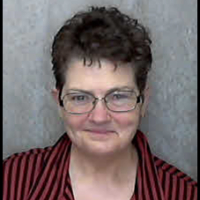
Texas · 35 yrs exp
Licensed Clinical Social Worker - Stress and Trauma
Stress, Anxiety · Relationship · Family · Trauma and abuse · +14 more
Read profile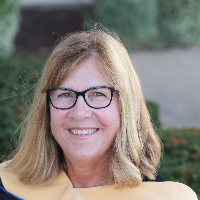
Illinois · 23 yrs exp
Licensed clinical social worker - mood and relationships
Stress, Anxiety · Trauma and abuse · Anger · Depression · +10 more
Read profile
Wisconsin · 18 yrs exp
Licensed Clinical Social Worker - Relationships and Stress
Stress, Anxiety · Parenting · Self esteem · Depression · +11 more
Read profile
Kentucky · 8 yrs exp
Licensed Clinical Social Worker - Stress and Relationships
Stress, Anxiety · Relationship · Family · Trauma and abuse · +5 more
Read profile
North Carolina · 10 yrs exp
Licensed Clinical Social Worker - Stress and Trauma
Stress, Anxiety · Trauma and abuse · Self esteem · Depression · +1 more
Read profile
Illinois · 39 yrs exp
Licensed Clinical Social Worker - stress and relationships
Stress, Anxiety · Relationship · Grief · Sleeping · +1 more
Read profile
Florida · 20 yrs exp
Licensed Clinical Social Worker - Stress and Trauma
Stress, Anxiety · Trauma and abuse · Grief · Career · +15 more
Read profile
New York · 25 yrs exp
Licensed Clinical Social Worker - Stress and Relationships
Stress, Anxiety · Relationship · Family · Trauma and abuse · +15 more
Read profile
Illinois · 3 yrs exp
Licensed Clinical Social Worker - Stress and Relationships
Stress, Anxiety · Addictions · LGBT · Relationship · +10 more
Read profile
Virginia · 4 yrs exp
Licensed Clinical Social Worker - Stress and Life Change
Stress, Anxiety · Grief · Anger · Self esteem · +10 more
Read profile
Kentucky · 15 yrs exp
Licensed Clinical Social Worker - relationships and mood
Stress, Anxiety · Relationship · Parenting · Anger · +13 more
Read profile
Florida · 20 yrs exp
Licensed Clinical Social Worker - Relationships and Stress
Stress, Anxiety · Relationship · Family · Trauma and abuse · +16 more
Read profile
Florida · 19 yrs exp
Licensed Clinical Social Worker - Stress and Trauma
Stress, Anxiety · Trauma and abuse · Grief · Depression · +9 more
Read profile
Connecticut · 16 yrs exp
Licensed clinical social worker - Stress and relationships
Stress, Anxiety · Addictions · Family · Anger · +14 more
Read profile
Florida · 3 yrs exp
Licensed Clinical Social Worker - Relationships and Stress
Stress, Anxiety · Relationship · Trauma and abuse · Parenting · +11 more
Read profile
Arizona · 40 yrs exp
Licensed Clinical Social Worker - Relationships and Mood
Stress, Anxiety · LGBT · Relationship · Grief · +10 more
Read profile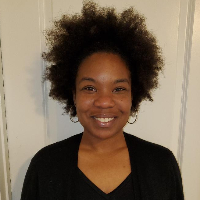
North Carolina · 15 yrs exp
Licensed Clinical Social Worker - Trauma and Relationships
LGBT · Relationship · Family · Parenting · +7 more
Read profile
Florida · 16 yrs exp
Dr. Amary Alcide - LCSW, stress and relationships
Stress, Anxiety · Relationship · Parenting · Self esteem · +8 more
Read profile
Indiana · 35 yrs exp
Licensed clinical social worker - stress and grief
Stress, Anxiety · Grief · Self esteem · Depression · +4 more
Read profileWorkplace issues cover a wide range of experiences that interfere with your day-to-day functioning, well-being, or career goals. You might think of them as problems that originate at work but spill over into your life - chronic stress from workload, emotional exhaustion that looks like burnout, harassment or discrimination that affects your sense of safety, conflict with supervisors or colleagues, uncertainty about career direction, or the strain of major transitions such as promotions, demotions, layoffs, or returning to work after leave. For many people, the line between personal and professional life is blurred, and problems at work can impact sleep, relationships, concentration, and overall mental health. Conversely, personal circumstances - housing, caregiving responsibilities, financial pressure, or community supports - shape how you cope with work demands. That person-in-environment perspective is a central reason people seek an LCSW: social work training explicitly looks at those broader factors alongside your internal experience so that you get a practical, context-aware plan of support.
An LCSW holds a master's degree in social work, has completed a state-set period of supervised post-graduate clinical experience, and has passed a licensing exam administered by a state board. Scope of practice and title can vary by state, so LCSWs bring a mix of clinical skills and an emphasis on environmental and systemic factors. When workplace issues are persistent or interfere with daily life, connecting with a licensed clinical social worker can help you explore immediate coping strategies and longer-term changes within the context of your whole life.
It is normal to experience stress at work from time to time, but there are signs that the problem may be more than situational and could benefit from professional support. You may find that worry or frustration about work is present most days, that you have trouble concentrating, or that sleep and appetite are affected. You might notice emotional changes such as increased irritability, feeling numb, or frequent tearfulness. Physical symptoms such as headaches, muscle tension, or ongoing fatigue can accompany these changes. In other cases, workplace problems show up in relationships - you withdraw from friends and family, or tensions at work bleed into your interactions at home. If work-related issues are prompting thoughts about leaving your job, changing careers, or avoiding work altogether, those are signals that additional support could be useful.
Beyond personal symptoms, consider the patterns at work. Are you exposed to repeated unfair treatment, bullying, or microaggressions that affect your dignity and performance? Is the workload or role expectation mismatched with what you can sustainably manage? Are systemic barriers - such as lack of accommodations for disability, caregiving demands, or financial constraints - shaping your ability to do your job? An LCSW can help you clarify whether the issue is best addressed through changes at work, personal coping and resilience strategies, advocacy, or a combination of approaches that account for your environment as well as your individual needs.
When you begin sessions with a licensed clinical social worker for workplace concerns, the first meetings typically involve learning about your history, your current work situation, and the broader context of your life. An LCSW will ask about your role, responsibilities, relationships at work, and any incidents that have contributed to stress or harm. They will also explore personal factors such as family, housing, finances, health, and access to supports because these elements shape options and priorities for change. This person-in-environment approach helps ensure that recommendations are practical and realistic for your circumstances.
After assessment, you and the LCSW set goals together. Goals might include managing acute stress, improving communication with a supervisor, developing a plan for a role change, addressing burnout, navigating return-to-work after leave, or addressing the impact of workplace mistreatment. Expect sessions to balance emotional processing with actionable planning. An LCSW often helps you build skills in setting boundaries, assertive communication, problem solving, and emotional regulation, and may support you in developing steps to address external issues such as requesting accommodations or documenting incidents. The focus is on strategies you can try between sessions and on adapting plans to your real-world constraints.
Licensed Clinical Social Workers draw on a variety of therapeutic approaches and community resources; the specific methods vary by clinician. Some LCSWs use approaches that emphasize understanding relationships and patterns in thinking and behavior, while others focus on skills training for managing stress and improving workplace interactions. When reading profiles you may see therapists who list cognitive-behavioral methods among their approaches - in that context those methods are used to identify unhelpful thinking patterns and develop coping strategies. You may also find LCSWs who list narrative-oriented or strengths-based approaches that help you reframe career narratives and highlight resilience. Other LCSWs may list interpersonal or trauma-informed approaches to address the emotional impact of harassment or cumulative workplace harm. Because profiles reflect what an LCSW chooses to highlight, they can be a helpful starting point to understand a clinician's orientation, but they do not indicate a standardized certification or outcome.
Beyond clinical approaches, LCSWs often bring knowledge of systems and resources. They can help you identify employee assistance programs, legal or advocacy options, vocational supports, and community services that relate to your practical needs. That combination of attention to internal experience and external systems is why many people choose an LCSW for workplace issues - you get support that considers both how you feel and the structural factors that influence possible solutions.
Online sessions with an LCSW can be a flexible way to work through workplace issues, especially if your schedule, commute, or caregiving responsibilities make in-person visits difficult. Remote sessions typically use video or phone and allow you to have appointments from a location that feels convenient. When you consider online care, think about the technology you prefer and whether you have a quiet place to talk during sessions. For some people, remote sessions make it easier to schedule follow-up meetings after a difficult workday and to practice skills in real time. Keep in mind that licensing is regulated by state boards, so the scope of what a particular LCSW can do may vary depending on where they are licensed and where you are located.
When choosing a clinician from the directory, look at the focus areas they list and whether workplace issues, occupational stress, burnout, conflict resolution, or career transitions appear. Review the descriptions for mentions of populations they work with, such as managers, remote workers, healthcare staff, or caregivers, and note languages and cultural background if those factors matter to you. Consider the therapeutic approaches a clinician lists - for example, some profiles will say they list cognitive-behavioral methods, interpersonal approaches, or trauma-informed care among their approaches - and use that information to think about fit, recognizing that listing an approach does not imply a standardized certification. Also pay attention to professional experience and any specializations in workplace-related concerns like grief after job loss, accommodation planning, or return-to-work support.
Finally, trust your instincts when you read a profile. The right match often comes down to feeling that a clinician understands your context and priorities. You may want someone who emphasizes practical problem solving, someone who helps you process emotional impact, or someone who combines both approaches while attending to systemic factors. Comparing focus areas, stated approaches, languages, and experience across listings can help you find an LCSW whose profile aligns with what you most need as you address workplace issues.
Alabama
26 therapists
Alaska
18 therapists
Arizona
94 therapists
Arkansas
58 therapists
California
696 therapists
Colorado
143 therapists
Connecticut
115 therapists
Delaware
36 therapists
District of Columbia
7 therapists
Florida
827 therapists
Georgia
164 therapists
Hawaii
37 therapists
Idaho
41 therapists
Illinois
401 therapists
Indiana
195 therapists
Iowa
9 therapists
Kansas
27 therapists
Kentucky
142 therapists
Louisiana
134 therapists
Maine
50 therapists
Maryland
22 therapists
Massachusetts
14 therapists
Michigan
38 therapists
Minnesota
13 therapists
Mississippi
68 therapists
Missouri
151 therapists
Montana
57 therapists
Nebraska
2 therapists
Nevada
56 therapists
New Hampshire
16 therapists
New Jersey
227 therapists
New Mexico
50 therapists
New York
535 therapists
North Carolina
358 therapists
North Dakota
11 therapists
Ohio
31 therapists
Oklahoma
80 therapists
Oregon
65 therapists
Pennsylvania
225 therapists
Rhode Island
3 therapists
South Carolina
35 therapists
South Dakota
2 therapists
Tennessee
95 therapists
Texas
483 therapists
Utah
89 therapists
Vermont
3 therapists
Virginia
187 therapists
Washington
16 therapists
West Virginia
5 therapists
Wisconsin
122 therapists
Wyoming
19 therapists