
Velma Jones
LCSWNew York · 29 yrs exp
Licensed Clinical Social Worker - Relationships and Mood
Stress, Anxiety · Relationship · Trauma and abuse · Depression · +10 more
Read profileTherapist listings are provided by BetterHelp. We will earn a commission at no additional cost to you if you use our links to purchase.
This page gathers profiles of licensed clinical social workers (LCSWs) who list bipolar among their focus areas. Use the listings below to explore each clinician's focus, languages, and experience to help guide your search.
New York · 29 yrs exp
Licensed Clinical Social Worker - Relationships and Mood
Stress, Anxiety · Relationship · Trauma and abuse · Depression · +10 more
Read profile
Florida · 14 yrs exp
Florida LCSW - Stress and Relationship Support
Stress, Anxiety · Grief · Anger · Self esteem · +12 more
Read profile
Illinois · 17 yrs exp
Licensed clinical social worker - trauma and life transitions
Trauma and abuse · Coping with life changes · Stress, Anxiety · Relationship · +9 more
Read profile
Colorado · 19 yrs exp
Licensed Clinical Social Worker - Stress and Relationships
Stress, Anxiety · Relationship · Trauma and abuse · Grief · +12 more
Read profile
Hawaii · 16 yrs exp
Licensed clinical social worker - mood and stress support
Stress, Anxiety · Grief · Self esteem · Depression · +5 more
Read profile
New Jersey · 15 yrs exp
Licensed Clinical Social Worker - Stress and Family
Stress, Anxiety · Family · Trauma and abuse · Parenting · +10 more
Read profile
Missouri · 36 yrs exp
Licensed Clinical Social Worker - Mood and Trauma
Stress, Anxiety · Relationship · Trauma and abuse · Intimacy-related issues · +15 more
Read profile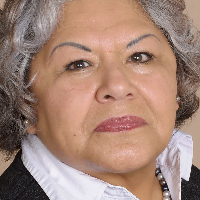
Nevada · 3 yrs exp
Licensed clinical social worker - anxiety and relationships
Stress, Anxiety · Relationship · Family · Trauma and abuse · +11 more
Read profile
Missouri · 16 yrs exp
Licensed clinical social worker - mood and trauma support
Stress, Anxiety · Trauma and abuse · Self esteem · Bipolar · +12 more
Read profile
North Carolina · 10 yrs exp
Licensed Clinical Social Worker - Anxiety and Relationships
Stress, Anxiety · Relationship · Family · Bipolar · +16 more
Read profile
North Carolina · 13 yrs exp
Licensed Clinical Social Worker - Stress and Relationships
Stress, Anxiety · Relationship · Family · Self esteem · +13 more
Read profile
Florida · 11 yrs exp
Licensed Clinical Social Worker - addiction and mood concerns
Addictions · Relationship · Self esteem · Depression · +9 more
Read profile
Louisiana · 16 yrs exp
Licensed Clinical Social Worker - mood and relationships
Stress, Anxiety · Relationship · Trauma and abuse · Bipolar · +16 more
Read profile
Texas · 21 yrs exp
Licensed Clinical Social Worker - Life changes and relationships
Stress, Anxiety · Relationship · Trauma and abuse · Intimacy-related issues · +15 more
Read profile
New York · 10 yrs exp
Licensed Clinical Social Worker - Stress and Relationships
Stress, Anxiety · Relationship · Family · Grief · +12 more
Read profile
Illinois · 25 yrs exp
Licensed clinical social worker - anxiety and life changes
Stress, Anxiety · Self esteem · Career · Coping with life changes · +10 more
Read profile
New Jersey · 8 yrs exp
Licensed clinical social worker - mood and trauma
Stress, Anxiety · Relationship · Trauma and abuse · Bipolar · +14 more
Read profile
Mississippi · 12 yrs exp
Licensed clinical social worker - stress and addiction
Stress, Anxiety · Addictions · Anger · Self esteem · +12 more
Read profile
Georgia · 25 yrs exp
Licensed clinical social worker - mood and relationships
Stress, Anxiety · Parenting · Anger · Self esteem · +15 more
Read profile
Texas · 20 yrs exp
Licensed social worker - stress and addiction
Stress, Anxiety · Addictions · Family · Grief · +15 more
Read profile
New York · 14 yrs exp
Licensed Clinical Social Worker - Stress and Trauma
Stress, Anxiety · Trauma and abuse · Grief · Depression · +6 more
Read profile
New Mexico · 3 yrs exp
Licensed Clinical Social Worker - Trauma and Anxiety
Stress, Anxiety · Trauma and abuse · Depression · Compassion fatigue · +9 more
Read profile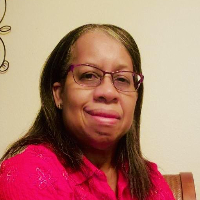
Florida · 28 yrs exp
Licensed Clinical Social Worker - Anxiety and Addictions
Addictions · Trauma and abuse · Parenting · Bipolar · +15 more
Read profile
Arkansas · 44 yrs exp
Licensed clinical social worker - stress and trauma
Stress, Anxiety · Trauma and abuse · Grief · Self esteem · +16 more
Read profile
Florida · 20 yrs exp
Licensed clinical social worker - trauma and addictions
Stress, Anxiety · Addictions · Trauma and abuse · Grief · +14 more
Read profile
California · 20 yrs exp
Licensed Clinical Social Worker - Stress and Relationships
Stress, Anxiety · Relationship · Family · Parenting · +15 more
Read profile
Mississippi · 21 yrs exp
Licensed Clinical Social Worker - stress and family concerns
Stress, Anxiety · Family · Parenting · Anger · +9 more
Read profile
Missouri · 35 yrs exp
LCSW - Stress and trauma-focused clinician
Stress, Anxiety · Trauma and abuse · Anger · Bipolar · +13 more
Read profile
North Carolina · 16 yrs exp
Licensed Clinical Social Worker - Addiction and Trauma
Stress, Anxiety · Addictions · Trauma and abuse · Anger · +13 more
Read profile
Texas · 5 yrs exp
Licensed Clinical Social Worker - relationships and trauma
Stress, Anxiety · Relationship · Family · Trauma and abuse · +9 more
Read profile
Florida · 28 yrs exp
Licensed clinical social worker - stress and trauma
Stress, Anxiety · Addictions · Trauma and abuse · Self esteem · +13 more
Read profile
Colorado · 15 yrs exp
Licensed clinical social worker - anxiety and life changes
Stress, Anxiety · Grief · Depression · Coping with life changes · +10 more
Read profile
North Carolina · 10 yrs exp
Licensed Clinical Social Worker - Mood and trauma concerns
Stress, Anxiety · Family · Parenting · Anger · +8 more
Read profile
Wyoming · 14 yrs exp
Licensed clinical social worker - mood and relationships
Addictions · Relationship · Depression · Coping with life changes · +11 more
Read profile
Connecticut · 24 yrs exp
Licensed clinical social worker - stress and mood concerns
Stress, Anxiety · Relationship · Grief · Self esteem · +11 more
Read profile
Illinois · 10 yrs exp
Licensed Clinical Social Worker - Stress and Trauma
Stress, Anxiety · Trauma and abuse · Grief · Self esteem · +11 more
Read profile
Indiana · 12 yrs exp
Licensed clinical social worker - mood and trauma
Stress, Anxiety · Trauma and abuse · Self esteem · Bipolar · +10 more
Read profile
Florida · 40 yrs exp
Licensed Clinical Social Worker - Addictions and Relationships
Addictions · Relationship · Grief · Depression · +13 more
Read profile
Florida · 25 yrs exp
Licensed clinical social worker - mood and coping
Stress, Anxiety · Addictions · Grief · Bipolar · +5 more
Read profile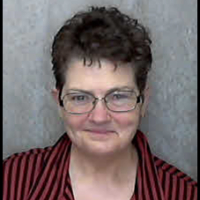
Texas · 35 yrs exp
Licensed Clinical Social Worker - Stress and Trauma
Stress, Anxiety · Relationship · Family · Trauma and abuse · +14 more
Read profile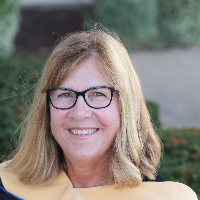
Illinois · 23 yrs exp
Licensed clinical social worker - mood and relationships
Stress, Anxiety · Trauma and abuse · Anger · Depression · +10 more
Read profile
Colorado · 20 yrs exp
Licensed Clinical Social Worker - Stress and Trauma
Stress, Anxiety · Trauma and abuse · Grief · Depression · +15 more
Read profile
Connecticut · 24 yrs exp
Licensed Clinical Social Worker - Anxiety and Addictions
Stress, Anxiety · Addictions · Family · Bipolar · +10 more
Read profile
California · 10 yrs exp
Licensed Clinical Social Worker - stress and trauma
Stress, Anxiety · Addictions · Parenting · Self esteem · +12 more
Read profile
Oregon · 15 yrs exp
Licensed Clinical Social Worker - Stress and Trauma
Stress, Anxiety · Trauma and abuse · Grief · Self esteem · +15 more
Read profile
Florida · 32 yrs exp
Licensed Clinical Social Worker - Stress and Trauma
Stress, Anxiety · Trauma and abuse · Grief · Depression · +14 more
Read profile
Indiana · 25 yrs exp
Licensed Clinical Social Worker - stress and relationships
Stress, Anxiety · Relationship · Grief · Self esteem · +12 more
Read profile
New Jersey · 17 yrs exp
Licensed Clinical Social Worker - Stress and Addiction
Stress, Anxiety · Addictions · Grief · Self esteem · +7 more
Read profile
Colorado · 22 yrs exp
Licensed Clinical Social Worker - adult mental health
Stress, Anxiety · Relationship · Trauma and abuse · Depression · +16 more
Read profile
Florida · 20 yrs exp
Licensed Clinical Social Worker - Stress and Trauma
Stress, Anxiety · Trauma and abuse · Grief · Career · +15 more
Read profile
New York · 25 yrs exp
Licensed Clinical Social Worker - Stress and Relationships
Stress, Anxiety · Relationship · Family · Trauma and abuse · +15 more
Read profile
Kentucky · 15 yrs exp
Licensed Clinical Social Worker - relationships and mood
Stress, Anxiety · Relationship · Parenting · Anger · +13 more
Read profile
Florida · 20 yrs exp
Licensed Clinical Social Worker - Relationships and Stress
Stress, Anxiety · Relationship · Family · Trauma and abuse · +16 more
Read profile
Florida · 19 yrs exp
Licensed Clinical Social Worker - Stress and Trauma
Stress, Anxiety · Trauma and abuse · Grief · Depression · +9 more
Read profile
Indiana · 33 yrs exp
Licensed clinical social worker - mood and relationships
Stress, Anxiety · Parenting · Anger · Depression · +13 more
Read profile
Connecticut · 16 yrs exp
Licensed clinical social worker - Stress and relationships
Stress, Anxiety · Addictions · Family · Anger · +14 more
Read profile
Arizona · 40 yrs exp
Licensed Clinical Social Worker - Relationships and Mood
Stress, Anxiety · LGBT · Relationship · Grief · +10 more
Read profile
Idaho · 18 yrs exp
Licensed Clinical Social Worker - Anxiety and Trauma
Stress, Anxiety · Trauma and abuse · Grief · Self esteem · +10 more
Read profile
Washington · 13 yrs exp
Licensed clinical social worker - stress and trauma
Stress, Anxiety · LGBT · Self esteem · Depression · +16 more
Read profile
Missouri · 39 yrs exp
Licensed clinical social worker - Trauma and mood concerns
Trauma and abuse · Grief · Anger · Self esteem · +9 more
Read profileIf you are learning about bipolar, you may already know it involves shifts in mood, energy, and activity that affect daily life. Bipolar conditions typically include periods of elevated mood or increased energy that can range from mild hypomania to more intense manic states, and periods of low mood that resemble major depression. The timing, intensity, and pattern of these episodes vary widely from person to person, and your own experience may not match another person's.
Because bipolar affects thinking, sleep, appetite, relationships, work and decision making, it is often experienced as both an internal mood challenge and a series of practical life disruptions. Social workers trained at the clinical level consider not only symptoms but also the environment you live in - housing, employment, family dynamics, finances and community supports - because those factors shape how mood changes show up and how manageable they feel. This person-in-environment perspective can be especially helpful when you need strategies that fit the realities of your life.
You might look for professional support if mood swings interfere with your relationships, work or school, if your sleep or appetite patterns change significantly, or if you find it harder to complete daily tasks during high or low periods. You may also consider seeking help if mood changes lead to risky behaviors, legal or financial problems, or repeated conflict with loved ones. Therapy can be a space to make sense of those patterns and to develop skills for reducing harm and increasing stability.
If you are newly diagnosed, you may be navigating decisions about treatment and wondering how to balance medication, therapy and life adjustments. If you have lived with bipolar for some time, you may want help with relapse prevention planning, coping with side effects of medications, or addressing the social consequences of mood episodes. An LCSW can help you weigh options, set realistic goals, and build supports that respond to both symptoms and life circumstances.
When you begin sessions with an LCSW, you can expect an initial period of assessment where the clinician asks about your mood history, current symptoms, life stressors, relationships and resources. They will typically want to understand how bipolar affects your day-to-day functioning and what goals you hope to accomplish. Sessions often blend discussion of immediate concerns with planning for longer term strategies to manage mood and reduce disruption.
You will work collaboratively with the LCSW to set goals that matter to you, whether that means reducing the frequency of mood swings, improving sleep, repairing relationships, managing work demands or building a crisis plan. Because LCSW training emphasizes the person-in-environment approach, your sessions are likely to include problem solving around concrete issues - for example negotiating workplace accommodations, stabilizing housing, or coordinating family communication - alongside direct work on mood regulation techniques and coping skills.
Therapists who hold an LCSW list a range of approaches among their practices. You may find clinicians who list cognitive behavioral strategies as part of their approach, which can help you identify and modify thought patterns that influence mood and behavior. Others may list interpersonal approaches, which focus on relationships, role changes and social rhythms that affect mood stability. Dialectical behavioral techniques are sometimes listed and can provide skills for emotion regulation and distress tolerance that are useful during intense mood shifts.
It is important to remember that a listing of an approach on a profile is not a certification in that method but an indication of the clinician's stated orientation. In addition to psychotherapy approaches, many LCSWs emphasize psychoeducation about bipolar - helping you and your support network understand warning signs and triggers - and practical planning. Because social workers are trained to look at social supports and systems, they often integrate case management tasks such as connecting you with community resources, housing supports, benefits navigation or peer groups when those factors are relevant to your stability.
Medication management often plays a central role in bipolar care, but medication is usually overseen by a psychiatrist or other medical prescriber. If you work with an LCSW, they can help you communicate concerns or observations that matter to medication decisions, and they can collaborate with prescribers when you consent to coordinated care. That collaboration typically involves sharing functional information about how symptoms affect your life so medication decisions can be informed by daily realities.
A licensed clinical social worker can also support you in building a broader support plan that includes sleep routines, stress reduction, family education, and connections to social services. If you face barriers to care such as transportation, insurance issues or housing instability, an LCSW's training in systems and resources can help you navigate those barriers while you work on symptom management. Your choices about medication, therapy and other supports remain personal, and an LCSW's role is to help you make decisions that fit your goals and circumstances.
Online sessions with a licensed clinical social worker function much like in-person work but take place through video, phone or other remote formats. You should expect a similar assessment process, goal setting and therapeutic work, with attention to how to manage safety and privacy in your setting. Make sure you have a stable internet connection and a location where you can speak without interruption. If you are experiencing a crisis, an LCSW will help you plan for immediate supports and local emergency resources because they work across state lines differently depending on licensing rules.
When choosing an LCSW for bipolar support, consider the clinician's stated focus areas, experience with mood disorders, and the populations they list by age, culture or language. Look for notes on whether they mention crisis planning, relapse prevention, or coordination with prescribers. Because social work emphasizes context, you may prefer an LCSW who highlights community resources or life-skill supports if those areas are important to your stability. Think about the practical questions you want help with and prioritize profiles that reflect that practical experience.
It can help to prepare a few questions before you contact a clinician, such as asking about their experience working with bipolar, how they typically structure sessions, and how they coordinate care with other providers. You may also want to ask about the clinician's approach to measuring progress and how they incorporate family or support people when appropriate. Comparing focus areas, approaches, languages, credentials and years of clinical experience will give you concrete information to guide your choice.
Finding the right match may take time, and it is reasonable to try different clinicians until you find someone who fits your needs and communication style. An LCSW can offer a mix of therapeutic support, practical problem solving and systems navigation to help you manage bipolar in the context of your life. Use the listings above to explore clinician profiles and identify the professionals whose focus and experience align with your goals.
Alabama
26 therapists
Alaska
18 therapists
Arizona
94 therapists
Arkansas
58 therapists
California
696 therapists
Colorado
143 therapists
Connecticut
115 therapists
Delaware
36 therapists
District of Columbia
7 therapists
Florida
827 therapists
Georgia
164 therapists
Hawaii
37 therapists
Idaho
41 therapists
Illinois
401 therapists
Indiana
195 therapists
Iowa
9 therapists
Kansas
27 therapists
Kentucky
142 therapists
Louisiana
134 therapists
Maine
50 therapists
Maryland
22 therapists
Massachusetts
14 therapists
Michigan
38 therapists
Minnesota
13 therapists
Mississippi
68 therapists
Missouri
151 therapists
Montana
57 therapists
Nebraska
2 therapists
Nevada
56 therapists
New Hampshire
16 therapists
New Jersey
227 therapists
New Mexico
50 therapists
New York
535 therapists
North Carolina
358 therapists
North Dakota
11 therapists
Ohio
31 therapists
Oklahoma
80 therapists
Oregon
65 therapists
Pennsylvania
225 therapists
Rhode Island
3 therapists
South Carolina
35 therapists
South Dakota
2 therapists
Tennessee
95 therapists
Texas
483 therapists
Utah
89 therapists
Vermont
3 therapists
Virginia
187 therapists
Washington
16 therapists
West Virginia
5 therapists
Wisconsin
122 therapists
Wyoming
19 therapists