
Marsha Oxamendi
LCSWFlorida · 14 yrs exp
Florida LCSW - Stress and Relationship Support
Stress, Anxiety · Grief · Anger · Self esteem · +12 more
Read profileTherapist listings are provided by BetterHelp. We will earn a commission at no additional cost to you if you use our links to purchase.
This directory lists licensed clinical social workers (LCSWs) who identify chronic illness as a focus area. Browse the profiles below to review credentials, areas of emphasis, languages, and practice details to help guide your search.
Florida · 14 yrs exp
Florida LCSW - Stress and Relationship Support
Stress, Anxiety · Grief · Anger · Self esteem · +12 more
Read profile
Colorado · 19 yrs exp
Licensed Clinical Social Worker - Stress and Relationships
Stress, Anxiety · Relationship · Trauma and abuse · Grief · +12 more
Read profile
New York · 24 yrs exp
Licensed Clinical Social Worker - Anxiety and Depression
Stress, Anxiety · Relationship · Anger · Self esteem · +12 more
Read profile
Missouri · 16 yrs exp
Licensed clinical social worker - mood and trauma support
Stress, Anxiety · Trauma and abuse · Self esteem · Bipolar · +12 more
Read profile
New York · 35 yrs exp
Licensed Clinical Social Worker - stress and relationships
Stress, Anxiety · Self esteem · Career · ADHD · +10 more
Read profile
California · 14 yrs exp
Licensed Clinical Social Worker - trauma and life transitions
Stress, Anxiety · Trauma and abuse · Grief · Self esteem · +8 more
Read profile
New York · 25 yrs exp
Licensed Clinical Social Worker - stress and trauma
Stress, Anxiety · Trauma and abuse · Self esteem · Depression · +7 more
Read profile
Illinois · 25 yrs exp
Licensed clinical social worker - anxiety and life changes
Stress, Anxiety · Self esteem · Career · Coping with life changes · +10 more
Read profile
Mississippi · 12 yrs exp
Licensed clinical social worker - stress and addiction
Stress, Anxiety · Addictions · Anger · Self esteem · +12 more
Read profile
Texas · 33 yrs exp
Licensed Clinical Social Worker - Relationships and Stress
Stress, Anxiety · Relationship · Family · Self esteem · +11 more
Read profile
Texas · 20 yrs exp
Licensed social worker - stress and addiction
Stress, Anxiety · Addictions · Family · Grief · +15 more
Read profile
Colorado · 9 yrs exp
Licensed Clinical Social Worker - stress and relationships
Stress, Anxiety · Relationship · Grief · Depression · +11 more
Read profile
New York · 14 yrs exp
Licensed Clinical Social Worker - Stress and Trauma
Stress, Anxiety · Trauma and abuse · Grief · Depression · +6 more
Read profile
Arkansas · 44 yrs exp
Licensed clinical social worker - stress and trauma
Stress, Anxiety · Trauma and abuse · Grief · Self esteem · +16 more
Read profile
Michigan · 11 yrs exp
Licensed Clinical Social Worker - Stress and Trauma
Stress, Anxiety · Relationship · Trauma and abuse · Grief · +1 more
Read profile
Colorado · 15 yrs exp
Licensed clinical social worker - anxiety and life changes
Stress, Anxiety · Grief · Depression · Coping with life changes · +10 more
Read profile
New York · 25 yrs exp
Licensed Clinical Social Worker - Stress and Anxiety
Stress, Anxiety · Grief · Anger · Self esteem · +6 more
Read profile
Connecticut · 24 yrs exp
Licensed clinical social worker - stress and mood concerns
Stress, Anxiety · Relationship · Grief · Self esteem · +11 more
Read profile
Florida · 25 yrs exp
Licensed clinical social worker - mood and coping
Stress, Anxiety · Addictions · Grief · Bipolar · +5 more
Read profile
Colorado · 20 yrs exp
Licensed Clinical Social Worker - Stress and Trauma
Stress, Anxiety · Trauma and abuse · Grief · Depression · +15 more
Read profile
Wisconsin · 18 yrs exp
Licensed Clinical Social Worker - Relationships and Stress
Stress, Anxiety · Parenting · Self esteem · Depression · +11 more
Read profile
North Carolina · 7 yrs exp
Licensed Clinical Social Worker - Stress and Relationships
Stress, Anxiety · LGBT · Relationship · Trauma and abuse · +1 more
Read profile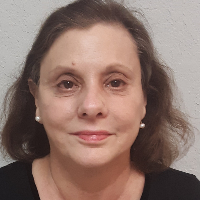
Florida · 32 yrs exp
Licensed Clinical Social Worker - Stress and Trauma
Stress, Anxiety · Trauma and abuse · Grief · Depression · +14 more
Read profile
Indiana · 25 yrs exp
Licensed Clinical Social Worker - stress and relationships
Stress, Anxiety · Relationship · Grief · Self esteem · +12 more
Read profile
Illinois · 39 yrs exp
Licensed Clinical Social Worker - stress and relationships
Stress, Anxiety · Relationship · Grief · Sleeping · +1 more
Read profile
Colorado · 22 yrs exp
Licensed Clinical Social Worker - adult mental health
Stress, Anxiety · Relationship · Trauma and abuse · Depression · +16 more
Read profile
Florida · 20 yrs exp
Licensed Clinical Social Worker - Stress and Trauma
Stress, Anxiety · Trauma and abuse · Grief · Career · +15 more
Read profile
New York · 25 yrs exp
Licensed Clinical Social Worker - Stress and Relationships
Stress, Anxiety · Relationship · Family · Trauma and abuse · +15 more
Read profile
Illinois · 3 yrs exp
Licensed Clinical Social Worker - Stress and Relationships
Stress, Anxiety · Addictions · LGBT · Relationship · +10 more
Read profile
Virginia · 4 yrs exp
Licensed Clinical Social Worker - Stress and Life Change
Stress, Anxiety · Grief · Anger · Self esteem · +10 more
Read profile
Florida · 19 yrs exp
Licensed Clinical Social Worker - Stress and Trauma
Stress, Anxiety · Trauma and abuse · Grief · Depression · +9 more
Read profile
Connecticut · 16 yrs exp
Licensed clinical social worker - Stress and relationships
Stress, Anxiety · Addictions · Family · Anger · +14 more
Read profile
Florida · 16 yrs exp
Dr. Amary Alcide - LCSW, stress and relationships
Stress, Anxiety · Relationship · Parenting · Self esteem · +8 more
Read profile
Indiana · 35 yrs exp
Licensed clinical social worker - stress and grief
Stress, Anxiety · Grief · Self esteem · Depression · +4 more
Read profile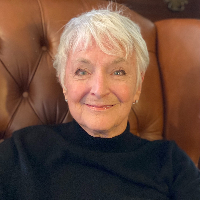
Arizona · 10 yrs exp
Licensed clinical social worker - Mood and life transitions
Stress, Anxiety · Self esteem · Bipolar · Depression · +10 more
Read profile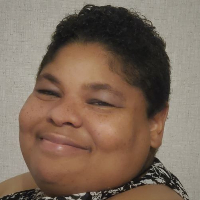
Texas · 3 yrs exp
Licensed Clinical Social Worker - mood and stress concerns
Stress, Anxiety · Anger · Depression · Addictions · +8 more
Read profile
North Carolina · 24 yrs exp
Licensed clinical social worker - Trauma and life stress
Stress, Anxiety · Relationship · Family · Trauma and abuse · +14 more
Read profile
Louisiana · 11 yrs exp
Licensed Clinical Social Worker - mood and trauma support
Stress, Anxiety · Addictions · LGBT · Trauma and abuse · +12 more
Read profile
Connecticut · 12 yrs exp
Licensed clinical social worker - life changes and mood concerns
Stress, Anxiety · Addictions · Family · Grief · +13 more
Read profile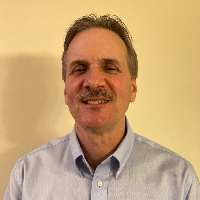
Virginia · 40 yrs exp
Licensed Clinical Social Worker - stress and addiction focus
Stress, Anxiety · Addictions · Trauma and abuse · Grief · +16 more
Read profile
Illinois · 11 yrs exp
Licensed Clinical Social Worker - Stress and Trauma
Stress, Anxiety · Trauma and abuse · Grief · Self esteem · +4 more
Read profile
Florida · 20 yrs exp
Licensed Clinical Social Worker - Stress and Grief
Stress, Anxiety · Grief · Self esteem · Depression
Read profile
Alaska · 20 yrs exp
Licensed Clinical Social Worker - Stress and Relationships
Stress, Anxiety · Relationship · Trauma and abuse · Parenting · +1 more
Read profile
Florida · 30 yrs exp
Licensed Clinical Social Worker - stress and trauma
Stress, Anxiety · Trauma and abuse · Self esteem · Depression · +11 more
Read profile
Virginia · 30 yrs exp
Licensed clinical social worker - relationships and stress
Stress, Anxiety · Relationship · Grief · Depression · +16 more
Read profile
Florida · 20 yrs exp
Licensed Clinical Social Worker - anxiety and grief
Stress, Anxiety · Family · Grief · Career · +1 more
Read profile
Florida · 42 yrs exp
Licensed Clinical Social Worker - Relationships and Stress
Stress, Anxiety · Addictions · Relationship · Trauma and abuse · +15 more
Read profile
Indiana · 29 yrs exp
Licensed Clinical Social Worker - Trauma and Anxiety
Stress, Anxiety · Trauma and abuse · Grief · Sleeping · +9 more
Read profile
Oklahoma · 20 yrs exp
Licensed Clinical Social Worker - Stress and Relationships
Stress, Anxiety · Relationship · Family · Self esteem · +1 more
Read profile
Colorado · 9 yrs exp
Licensed Clinical Social Worker - stress and addiction
Stress, Anxiety · Addictions · Relationship · Family · +14 more
Read profile
New York · 27 yrs exp
Licensed Clinical Social Worker - stress and mood concerns
Stress, Anxiety · Family · Trauma and abuse · Bipolar · +10 more
Read profile
Illinois · 40 yrs exp
Licensed clinical social worker - life transitions and mood
Stress, Anxiety · Grief · Self esteem · Depression · +13 more
Read profile
Florida · 40 yrs exp
LCSW - Mood and addiction support
Stress, Anxiety · Addictions · Trauma and abuse · Grief · +16 more
Read profile
Montana · 18 yrs exp
Licensed clinical social worker - mood and stress support
Stress, Anxiety · Trauma and abuse · Self esteem · Coping with life changes · +6 more
Read profile
Texas · 28 yrs exp
Licensed Clinical Social Worker - Relationships and Trauma
Stress, Anxiety · Relationship · Trauma and abuse · Depression · +7 more
Read profile
Illinois · 8 yrs exp
Licensed Clinical Social Worker - Stress and Grief
Stress, Anxiety · Trauma and abuse · Depression · Addictions · +11 more
Read profile
Kentucky · 17 yrs exp
Licensed Clinical Social Worker - mood and addiction support
Stress, Anxiety · Addictions · LGBT · Relationship · +16 more
Read profile
Mississippi · 23 yrs exp
Licensed clinical social worker - addictions and family issues
Addictions · LGBT · Family · Grief · +10 more
Read profile
California · 12 yrs exp
Licensed Clinical Social Worker - Stress and Relationships
Stress, Anxiety · Relationship · Grief · Depression · +13 more
Read profile
Florida · 25 yrs exp
Licensed clinical social worker - stress and mood
Stress, Anxiety · Grief · Sleeping · Self esteem · +15 more
Read profileChronic illness refers to health conditions that last months or years and often require ongoing management. Examples include autoimmune conditions, diabetes, chronic pain, neurological disorders, and long-term post-viral symptoms. Living with a chronic condition can affect many parts of your life beyond physical symptoms - your work, relationships, finances, housing, and access to healthcare can all shift as you adapt to new limitations or fluctuating needs. An LCSW has a graduate degree in social work, completed the supervised clinical hours required in their state, and passed a licensing exam to hold the LCSW credential. Their training emphasizes a person-in-environment perspective. That means when you work with an LCSW they will not treat symptoms in isolation. Instead they will explore how your symptoms interact with daily life, community resources, caregiving responsibilities, employment, and barriers you face in getting the supports you need.
An LCSW’s orientation toward practical systems-level issues often makes them a good fit if you want help that addresses both emotional coping and the logistics that make living with illness more or less manageable. While the work you do in sessions can include emotional processing and skill-building, LCSWs frequently bring attention to matters like accessing benefits, coordinating with other providers, and navigating workplace accommodations. Understanding these professional boundaries and strengths can help you set realistic goals for therapy and find a clinician whose background aligns with what you want to address.
If your condition has begun to shape daily routines, relationships, or how you see the future, talking with an LCSW can be helpful. You might notice persistent anxiety around symptom flares, sleep disruption, or difficulty concentrating that interferes with work or caregiving. Feelings of grief, anger, or loss of identity are common when an illness changes what you can do or how you participate in life. You may struggle with adherence to medical plans because of low motivation, side effects, mood changes, or practical barriers such as transportation and cost. In other situations, family dynamics shift as roles change and caregivers take on new responsibilities, and you may need support in setting boundaries or communicating needs.
Another sign that therapy could help is if you are encountering repeated setbacks when trying to access services or benefits, or if you feel overwhelmed by the administrative tasks that come with managing long-term care. An LCSW can help you prioritize concerns and identify actionable steps while also addressing emotional responses. You do not need to be in crisis to benefit from this work; many people seek support preemptively to strengthen coping strategies, explore pacing and activity planning, and improve problem-solving for day-to-day challenges.
Your first few sessions with an LCSW will typically involve a careful assessment of how the illness affects your life, the support systems around you, and immediate concerns you want to address. You can expect a discussion of your medical history as it relates to psychosocial functioning, questions about work and family roles, and an exploration of practical barriers like transportation, financial strain, or caregiving responsibilities. Based on that assessment you and the clinician will set collaborative goals. Those goals may include managing mood and stress, improving daily routines, communicating needs to providers or employers, or connecting with community resources.
In ongoing sessions you will often blend emotional exploration with concrete problem-solving. An LCSW may help you develop strategies for pacing activities to reduce symptom flare-ups, practice communication skills for discussing accommodations, or map out steps to access benefits and community supports. Therapy may also include helping you reframe expectations, process feelings of loss or frustration, and strengthen coping skills for unpredictable symptom patterns. Progress is frequently measured in functional terms - small changes in routines, increased ability to participate in valued activities, or clearer plans for navigating healthcare systems - rather than a single symptom disappearing.
Therapists who hold an LCSW may draw on a range of clinical approaches to support people with chronic illness. You will find clinicians who list cognitive-behavioral approaches among their methods, which focus on identifying thought patterns that contribute to distress and developing practical skills to manage symptoms and activities. Some therapists list acceptance and commitment therapy among their approaches, which emphasizes values-guided action and learning to live with persistent symptoms in ways that align with what matters to you. Mindfulness-based strategies are commonly listed and can help with pain management, stress reduction, and improving attention to the present moment.
Other clinicians list narrative or psychodynamic approaches that give space to the meaning of illness in your life story, helping you process identity shifts and relational impacts. Because the directory records only what a therapist lists, it is appropriate to look for descriptions where clinicians explain how they apply these approaches to chronic health concerns. Beyond clinical styles, you will also encounter LCSWs who emphasize coordination with medical teams and community resources - an aspect of practice that reflects the social work training in assessing environmental factors that shape health and access.
Online sessions with a licensed clinical social worker can be a practical option when travel, fatigue, or mobility concerns make in-person visits difficult. Telehealth allows you to meet from home or another comfortable setting and can make it easier to include family members or caregivers in an appointment when that is helpful. Many clinicians adapt session length, pacing, and homework to account for fluctuating energy and symptoms. If you rely on multiple providers, a clinician who is experienced in care coordination may be able to help you organize communication across your health team in ways that reduce duplication and confusion.
When reviewing profiles, focus on the elements that are most relevant to your situation. Look for mention of chronic illness or long-term medical conditions as a focus area, and read how the clinician describes their work with people who face physical health challenges. Consider language skills and cultural background if those factors matter for communicating about sensitive health topics. Pay attention to descriptions that reference the person-in-environment perspective - this indicates that the clinician is likely to attend to social, financial, and practical barriers as well as emotional experiences.
It is useful to note the approaches a clinician lists, because that gives a sense of whether they emphasize skill-building, acceptance-based work, narrative exploration, or systems-level problem-solving. Also consider the types of issues they mention, such as pain management, fatigue, caregiving support, or return-to-work planning, and whether those match the practical priorities you want to address. Finally, think about logistical preferences such as session format and language. You can use those factors to narrow choices and select clinicians whose profiles align with the blend of emotional and practical support that you want as you manage a chronic condition.
Working with an LCSW can help you navigate the emotional impact of long-term illness while also addressing the real-world factors that influence daily functioning. By focusing on both feeling and doing, an LCSW can support changes that make life with chronic illness more manageable and more consistent with your goals.
Alabama
26 therapists
Alaska
18 therapists
Arizona
94 therapists
Arkansas
58 therapists
California
696 therapists
Colorado
143 therapists
Connecticut
115 therapists
Delaware
36 therapists
District of Columbia
7 therapists
Florida
827 therapists
Georgia
164 therapists
Hawaii
37 therapists
Idaho
41 therapists
Illinois
401 therapists
Indiana
195 therapists
Iowa
9 therapists
Kansas
27 therapists
Kentucky
142 therapists
Louisiana
134 therapists
Maine
50 therapists
Maryland
22 therapists
Massachusetts
14 therapists
Michigan
38 therapists
Minnesota
13 therapists
Mississippi
68 therapists
Missouri
151 therapists
Montana
57 therapists
Nebraska
2 therapists
Nevada
56 therapists
New Hampshire
16 therapists
New Jersey
227 therapists
New Mexico
50 therapists
New York
535 therapists
North Carolina
358 therapists
North Dakota
11 therapists
Ohio
31 therapists
Oklahoma
80 therapists
Oregon
65 therapists
Pennsylvania
225 therapists
Rhode Island
3 therapists
South Carolina
35 therapists
South Dakota
2 therapists
Tennessee
95 therapists
Texas
483 therapists
Utah
89 therapists
Vermont
3 therapists
Virginia
187 therapists
Washington
16 therapists
West Virginia
5 therapists
Wisconsin
122 therapists
Wyoming
19 therapists