
Marsha Oxamendi
LCSWFlorida · 14 yrs exp
Florida LCSW - Stress and Relationship Support
Stress, Anxiety · Grief · Anger · Self esteem · +12 more
Read profileTherapist listings are provided by BetterHelp. We will earn a commission at no additional cost to you if you use our links to purchase.
Browse listings of licensed clinical social workers who focus on helping people adapt to major life changes, from career shifts and caregiving to relocation and bereavement. Each profile highlights focus areas, languages, and experience so you can compare background and approaches. Scroll the listings below to explore LCSWs who work with life transitions.
Florida · 14 yrs exp
Florida LCSW - Stress and Relationship Support
Stress, Anxiety · Grief · Anger · Self esteem · +12 more
Read profile
Illinois · 17 yrs exp
Licensed clinical social worker - trauma and life transitions
Trauma and abuse · Coping with life changes · Stress, Anxiety · Relationship · +9 more
Read profile
Texas · 13 yrs exp
Licensed Clinical Social Worker - Stress and Relationship support
Stress, Anxiety · Relationship · Trauma and abuse · Anger · +11 more
Read profile
New Jersey · 15 yrs exp
Licensed Clinical Social Worker - Stress and Family
Stress, Anxiety · Family · Trauma and abuse · Parenting · +10 more
Read profile
New York · 24 yrs exp
Licensed Clinical Social Worker - Anxiety and Depression
Stress, Anxiety · Relationship · Anger · Self esteem · +12 more
Read profile
Illinois · 20 yrs exp
Licensed Clinical Social Worker - Stress and Relationships
Stress, Anxiety · Relationship · Parenting · Self esteem · +7 more
Read profile
Missouri · 36 yrs exp
Licensed Clinical Social Worker - Mood and Trauma
Stress, Anxiety · Relationship · Trauma and abuse · Intimacy-related issues · +15 more
Read profile
Nevada · 3 yrs exp
Licensed clinical social worker - anxiety and relationships
Stress, Anxiety · Relationship · Family · Trauma and abuse · +11 more
Read profile
Missouri · 16 yrs exp
Licensed clinical social worker - mood and trauma support
Stress, Anxiety · Trauma and abuse · Self esteem · Bipolar · +12 more
Read profile
North Carolina · 10 yrs exp
Licensed Clinical Social Worker - Anxiety and Relationships
Stress, Anxiety · Relationship · Family · Bipolar · +16 more
Read profile
Florida · 15 yrs exp
Licensed Clinical Social Worker - Relationships and Sexuality
Relationship · Family · Intimacy-related issues · Coaching · +4 more
Read profile
New York · 35 yrs exp
Licensed Clinical Social Worker - stress and relationships
Stress, Anxiety · Self esteem · Career · ADHD · +10 more
Read profile
North Carolina · 13 yrs exp
Licensed Clinical Social Worker - Stress and Relationships
Stress, Anxiety · Relationship · Family · Self esteem · +13 more
Read profile
Florida · 11 yrs exp
Licensed Clinical Social Worker - addiction and mood concerns
Addictions · Relationship · Self esteem · Depression · +9 more
Read profile
California · 14 yrs exp
Licensed Clinical Social Worker - trauma and life transitions
Stress, Anxiety · Trauma and abuse · Grief · Self esteem · +8 more
Read profile
New York · 25 yrs exp
Licensed Clinical Social Worker - stress and trauma
Stress, Anxiety · Trauma and abuse · Self esteem · Depression · +7 more
Read profile
Louisiana · 16 yrs exp
Licensed Clinical Social Worker - mood and relationships
Stress, Anxiety · Relationship · Trauma and abuse · Bipolar · +16 more
Read profile
Florida · 10 yrs exp
Licensed Clinical Social Worker - stress and family concerns
Stress, Anxiety · Addictions · Family · Grief · +8 more
Read profile
New York · 30 yrs exp
Licensed Clinical Social Worker - Relationships and Life Changes
Stress, Anxiety · Relationship · Parenting · Self esteem · +11 more
Read profile
Texas · 21 yrs exp
Licensed Clinical Social Worker - Life changes and relationships
Stress, Anxiety · Relationship · Trauma and abuse · Intimacy-related issues · +15 more
Read profile
New York · 10 yrs exp
Licensed Clinical Social Worker - Stress and Relationships
Stress, Anxiety · Relationship · Family · Grief · +12 more
Read profile
Indiana · 11 yrs exp
Licensed Clinical Social Worker - Relationships and Trauma
Stress, Anxiety · Grief · Depression · Coping with life changes · +8 more
Read profile
Florida · 22 yrs exp
Licensed Clinical Social Worker - stress and anxiety
Stress, Anxiety · Self esteem · Depression · Coping with life changes · +5 more
Read profile
Illinois · 25 yrs exp
Licensed clinical social worker - anxiety and life changes
Stress, Anxiety · Self esteem · Career · Coping with life changes · +10 more
Read profile
New Jersey · 8 yrs exp
Licensed clinical social worker - mood and trauma
Stress, Anxiety · Relationship · Trauma and abuse · Bipolar · +14 more
Read profile
Louisiana · 14 yrs exp
Licensed clinical social worker - Stress and trauma
Stress, Anxiety · Anger · Self esteem · Depression · +9 more
Read profile
Mississippi · 12 yrs exp
Licensed clinical social worker - stress and addiction
Stress, Anxiety · Addictions · Anger · Self esteem · +12 more
Read profile
Tennessee · 35 yrs exp
Licensed Clinical Social Worker - Stress and Relationships
Stress, Anxiety · Grief · Self esteem · Depression · +8 more
Read profile
Georgia · 25 yrs exp
Licensed clinical social worker - mood and relationships
Stress, Anxiety · Parenting · Anger · Self esteem · +15 more
Read profile
Texas · 33 yrs exp
Licensed Clinical Social Worker - Relationships and Stress
Stress, Anxiety · Relationship · Family · Self esteem · +11 more
Read profile
Texas · 20 yrs exp
Licensed social worker - stress and addiction
Stress, Anxiety · Addictions · Family · Grief · +15 more
Read profile
Pennsylvania · 38 yrs exp
Licensed Clinical Social Worker - Stress and Addiction
Stress, Anxiety · Grief · Depression · Addictions · +7 more
Read profile
Virginia · 47 yrs exp
Licensed Clinical Social Worker - stress and relationships
Stress, Anxiety · Relationship · Grief · Self esteem · +10 more
Read profile
Colorado · 9 yrs exp
Licensed Clinical Social Worker - stress and relationships
Stress, Anxiety · Relationship · Grief · Depression · +11 more
Read profile
New York · 14 yrs exp
Licensed Clinical Social Worker - Stress and Trauma
Stress, Anxiety · Trauma and abuse · Grief · Depression · +6 more
Read profile
New Mexico · 3 yrs exp
Licensed Clinical Social Worker - Trauma and Anxiety
Stress, Anxiety · Trauma and abuse · Depression · Compassion fatigue · +9 more
Read profile
Florida · 28 yrs exp
Licensed Clinical Social Worker - Anxiety and Addictions
Addictions · Trauma and abuse · Parenting · Bipolar · +15 more
Read profile
Arkansas · 44 yrs exp
Licensed clinical social worker - stress and trauma
Stress, Anxiety · Trauma and abuse · Grief · Self esteem · +16 more
Read profile
Florida · 20 yrs exp
Licensed clinical social worker - trauma and addictions
Stress, Anxiety · Addictions · Trauma and abuse · Grief · +14 more
Read profile
California · 20 yrs exp
Licensed Clinical Social Worker - Stress and Relationships
Stress, Anxiety · Relationship · Family · Parenting · +15 more
Read profile
Mississippi · 21 yrs exp
Licensed Clinical Social Worker - stress and family concerns
Stress, Anxiety · Family · Parenting · Anger · +9 more
Read profile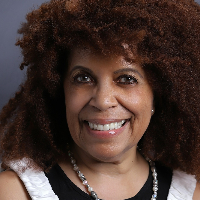
Tennessee · 15 yrs exp
Licensed Clinical Social Worker - Relationships and Stress
Stress, Anxiety · Relationship · Family · Self esteem · +9 more
Read profile
Missouri · 35 yrs exp
LCSW - Stress and trauma-focused clinician
Stress, Anxiety · Trauma and abuse · Anger · Bipolar · +13 more
Read profile
New York · 15 yrs exp
Licensed Clinical Social Worker - Relationships and Addictions
Stress, Anxiety · Addictions · Relationship · Self esteem · +10 more
Read profile
North Carolina · 16 yrs exp
Licensed Clinical Social Worker - Addiction and Trauma
Stress, Anxiety · Addictions · Trauma and abuse · Anger · +13 more
Read profile
Michigan · 11 yrs exp
Licensed Clinical Social Worker - Stress and Trauma
Stress, Anxiety · Relationship · Trauma and abuse · Grief · +1 more
Read profile
Texas · 5 yrs exp
Licensed Clinical Social Worker - relationships and trauma
Stress, Anxiety · Relationship · Family · Trauma and abuse · +9 more
Read profile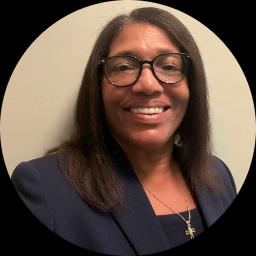
Mississippi · 36 yrs exp
Licensed Clinical Social Worker - Family and Parenting
Family · Parenting · Anger · Self esteem · +11 more
Read profile
Florida · 28 yrs exp
Licensed clinical social worker - stress and trauma
Stress, Anxiety · Addictions · Trauma and abuse · Self esteem · +13 more
Read profile
New York · 14 yrs exp
Licensed Clinical Social Worker - stress and relationships
Stress, Anxiety · Relationship · Trauma and abuse · Self esteem · +5 more
Read profile
Colorado · 15 yrs exp
Licensed clinical social worker - anxiety and life changes
Stress, Anxiety · Grief · Depression · Coping with life changes · +10 more
Read profile
North Carolina · 10 yrs exp
Licensed Clinical Social Worker - Mood and trauma concerns
Stress, Anxiety · Family · Parenting · Anger · +8 more
Read profile
Nevada · 12 yrs exp
Licensed Clinical Social Worker - stress and anxiety
Stress, Anxiety · Relationship · Anger · Self esteem · +1 more
Read profile
Wyoming · 14 yrs exp
Licensed clinical social worker - mood and relationships
Addictions · Relationship · Depression · Coping with life changes · +11 more
Read profile
Connecticut · 24 yrs exp
Licensed clinical social worker - stress and mood concerns
Stress, Anxiety · Relationship · Grief · Self esteem · +11 more
Read profile
Illinois · 10 yrs exp
Licensed Clinical Social Worker - Stress and Trauma
Stress, Anxiety · Trauma and abuse · Grief · Self esteem · +11 more
Read profile
Indiana · 12 yrs exp
Licensed clinical social worker - mood and trauma
Stress, Anxiety · Trauma and abuse · Self esteem · Bipolar · +10 more
Read profile
Texas · 11 yrs exp
Licensed Clinical Social Worker - relationships and stress
Stress, Anxiety · Relationship · Trauma and abuse · Self esteem · +5 more
Read profile
Florida · 40 yrs exp
Licensed Clinical Social Worker - Addictions and Relationships
Addictions · Relationship · Grief · Depression · +13 more
Read profile
Florida · 25 yrs exp
Licensed clinical social worker - mood and coping
Stress, Anxiety · Addictions · Grief · Bipolar · +5 more
Read profileMajor life changes - such as job loss, retirement, becoming a parent, separation, the death of a loved one, health changes, or a move to a new town - can reshape daily routines, relationships, finances and identity. Even when change is desired, the adjustment can bring stress, uncertainty and moments of grief. When you face a transition, your thoughts and emotions may shift unpredictably and tasks that were once simple can feel overwhelming.
Working with a licensed clinical social worker can help you map the practical and emotional dimensions of change. Social work training emphasizes a person-in-environment perspective, which means your living situation, work, family, finances and community are considered alongside your inner experience. That can be particularly useful when a change impacts both feelings and concrete life circumstances, because it encourages solutions that connect emotional coping with real-world adjustments.
It is common after a big change to feel sad, anxious or uncertain for a time. You might consider seeking help from an LCSW if those reactions interfere with daily functioning for an extended period, if you find it hard to manage work or family responsibilities, or if you notice changes in sleep, appetite, concentration or motivation that persist. Another signal is when practical problems related to the transition - such as housing, finances, caregiving arrangements or employment challenges - feel impossible to resolve on your own.
Sometimes the need for help is less about symptoms and more about wanting perspective or practical planning. You might seek an LCSW to talk through decisions, to learn coping strategies that fit your situation, or to get help coordinating community resources. Because LCSWs are licensed clinicians who combine clinical skills with attention to social determinants of well-being, they may be a good match when you want both emotional support and help connecting to services or systems.
In early meetings with an LCSW, you can expect a collaborative conversation about what brought you to seek help, how the change has affected your life, and what you hope to accomplish. The clinician will typically ask about your daily routines, relationships, work situation and any practical barriers you face. This is an opportunity to build a clear picture of your circumstances so that emotional support and practical planning can be aligned.
As sessions progress, you will often work on goals that mix emotional tasks and actionable steps. That might include exploring feelings of loss or uncertainty, practicing strategies to manage anxiety or low mood, planning concrete steps to handle housing or employment issues, or identifying community resources. Progress can look different for everyone: sometimes you will feel relief after a few sessions when specific problems are resolved, and sometimes the work is slower, focusing on building new patterns and resilience over months. The pace and focus should be tailored to your needs.
LCSWs often draw on a variety of therapeutic approaches and practical skills to help people navigate life changes. You will find clinicians who list cognitive behavioral methods aimed at shifting unhelpful thinking patterns and building coping strategies. Others may list solution-focused approaches that prioritize short-term goals and action plans. Some may list narrative approaches that help you reframe the story you tell about the transition, and others may list interpersonal frameworks that focus on relationships and communication during change.
When you review profiles, look for language that describes how an LCSW balances emotional work with problem solving. You may also see clinicians who list trauma-informed care as an orientation, or who list expressive therapies or mindfulness-based practices among their approaches. Keep in mind that the directory records what an LCSW lists as their approaches. It does not certify training in any particular modality. If a specific method matters to you, consider asking about how that approach is used and how it might apply to your situation during an initial conversation with the clinician.
Online sessions with a licensed clinical social worker often mirror in-person meetings in structure and purpose. You can meet by video, phone or messaging depending on what the clinician lists, and sessions usually include a combination of talk-based processing, skills practice and practical planning. Because LCSW licensing is state-based, cross-state practice rules vary. That means an LCSW licensed in one state may have different permissions about offering remote sessions to someone in another state. When considering online work, pay attention to the clinician's listed locations and any notes about the states in which they are licensed to practice.
When you look through profiles, consider several practical criteria that matter for coping with life changes. Review the focus areas and experience to see whether an LCSW has worked with situations similar to yours, and note any languages offered if language access is important. Think about the approaches the clinician lists and whether those approaches align with how you like to work - for example, whether you prefer a practical, problem-solving style or a reflective, narrative-focused style. Also check credentials and licensure details to confirm the clinician holds an LCSW credential and that their license is issued by a state board.
It can be helpful to prioritize what matters most to you in the relationship and the work. If you need help navigating systems such as housing, employment, or community services, emphasize the person-in-environment perspective in your search. If emotional processing is the priority, look for profiles that describe supporting grief, identity shifts or role changes. Finally, trust your sense of connection: the rapport you feel in an initial conversation can indicate whether a clinician's style will fit your needs as you work through this period of transition.
Alabama
26 therapists
Alaska
18 therapists
Arizona
94 therapists
Arkansas
58 therapists
California
696 therapists
Colorado
143 therapists
Connecticut
115 therapists
Delaware
36 therapists
District of Columbia
7 therapists
Florida
827 therapists
Georgia
164 therapists
Hawaii
37 therapists
Idaho
41 therapists
Illinois
401 therapists
Indiana
195 therapists
Iowa
9 therapists
Kansas
27 therapists
Kentucky
142 therapists
Louisiana
134 therapists
Maine
50 therapists
Maryland
22 therapists
Massachusetts
14 therapists
Michigan
38 therapists
Minnesota
13 therapists
Mississippi
68 therapists
Missouri
151 therapists
Montana
57 therapists
Nebraska
2 therapists
Nevada
56 therapists
New Hampshire
16 therapists
New Jersey
227 therapists
New Mexico
50 therapists
New York
535 therapists
North Carolina
358 therapists
North Dakota
11 therapists
Ohio
31 therapists
Oklahoma
80 therapists
Oregon
65 therapists
Pennsylvania
225 therapists
Rhode Island
3 therapists
South Carolina
35 therapists
South Dakota
2 therapists
Tennessee
95 therapists
Texas
483 therapists
Utah
89 therapists
Vermont
3 therapists
Virginia
187 therapists
Washington
16 therapists
West Virginia
5 therapists
Wisconsin
122 therapists
Wyoming
19 therapists