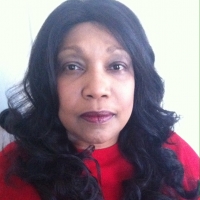
Velma Jones
LCSWNew York · 29 yrs exp
Licensed Clinical Social Worker - Relationships and Mood
Stress, Anxiety · Relationship · Trauma and abuse · Depression · +10 more
Read profileTherapist listings are provided by BetterHelp. We will earn a commission at no additional cost to you if you use our links to purchase.
On this page you can review profiles of licensed clinical social workers (LCSWs) who list family of origin issues among their focus areas. Browse the listings below to learn about practitioners' stated approaches, languages, credentials and experience to help guide your next step.
New York · 29 yrs exp
Licensed Clinical Social Worker - Relationships and Mood
Stress, Anxiety · Relationship · Trauma and abuse · Depression · +10 more
Read profile
Illinois · 17 yrs exp
Licensed clinical social worker - trauma and life transitions
Trauma and abuse · Coping with life changes · Stress, Anxiety · Relationship · +9 more
Read profile
Colorado · 19 yrs exp
Licensed Clinical Social Worker - Stress and Relationships
Stress, Anxiety · Relationship · Trauma and abuse · Grief · +12 more
Read profile
Texas · 13 yrs exp
Licensed Clinical Social Worker - Stress and Relationship support
Stress, Anxiety · Relationship · Trauma and abuse · Anger · +11 more
Read profile
Florida · 23 yrs exp
Licensed clinical social worker - LGBT and intimacy issues
LGBT · Intimacy-related issues
Read profile
North Carolina · 10 yrs exp
Licensed Clinical Social Worker - Anxiety and Relationships
Stress, Anxiety · Relationship · Family · Bipolar · +16 more
Read profile
New York · 35 yrs exp
Licensed Clinical Social Worker - stress and relationships
Stress, Anxiety · Self esteem · Career · ADHD · +10 more
Read profile
North Carolina · 13 yrs exp
Licensed Clinical Social Worker - Stress and Relationships
Stress, Anxiety · Relationship · Family · Self esteem · +13 more
Read profile
Louisiana · 16 yrs exp
Licensed Clinical Social Worker - mood and relationships
Stress, Anxiety · Relationship · Trauma and abuse · Bipolar · +16 more
Read profile
Florida · 10 yrs exp
Licensed Clinical Social Worker - stress and family concerns
Stress, Anxiety · Addictions · Family · Grief · +8 more
Read profile
Texas · 21 yrs exp
Licensed Clinical Social Worker - Life changes and relationships
Stress, Anxiety · Relationship · Trauma and abuse · Intimacy-related issues · +15 more
Read profile
Indiana · 11 yrs exp
Licensed Clinical Social Worker - Relationships and Trauma
Stress, Anxiety · Grief · Depression · Coping with life changes · +8 more
Read profile
Texas · 33 yrs exp
Licensed Clinical Social Worker - Relationships and Stress
Stress, Anxiety · Relationship · Family · Self esteem · +11 more
Read profile
Texas · 20 yrs exp
Licensed social worker - stress and addiction
Stress, Anxiety · Addictions · Family · Grief · +15 more
Read profile
Colorado · 9 yrs exp
Licensed Clinical Social Worker - stress and relationships
Stress, Anxiety · Relationship · Grief · Depression · +11 more
Read profile
New York · 14 yrs exp
Licensed Clinical Social Worker - Stress and Trauma
Stress, Anxiety · Trauma and abuse · Grief · Depression · +6 more
Read profile
Arkansas · 44 yrs exp
Licensed clinical social worker - stress and trauma
Stress, Anxiety · Trauma and abuse · Grief · Self esteem · +16 more
Read profile
California · 20 yrs exp
Licensed Clinical Social Worker - Stress and Relationships
Stress, Anxiety · Relationship · Family · Parenting · +15 more
Read profile
Mississippi · 21 yrs exp
Licensed Clinical Social Worker - stress and family concerns
Stress, Anxiety · Family · Parenting · Anger · +9 more
Read profile
Missouri · 35 yrs exp
LCSW - Stress and trauma-focused clinician
Stress, Anxiety · Trauma and abuse · Anger · Bipolar · +13 more
Read profile
New York · 15 yrs exp
Licensed Clinical Social Worker - Relationships and Addictions
Stress, Anxiety · Addictions · Relationship · Self esteem · +10 more
Read profile
Texas · 5 yrs exp
Licensed Clinical Social Worker - relationships and trauma
Stress, Anxiety · Relationship · Family · Trauma and abuse · +9 more
Read profile
Mississippi · 36 yrs exp
Licensed Clinical Social Worker - Family and Parenting
Family · Parenting · Anger · Self esteem · +11 more
Read profile
New York · 14 yrs exp
Licensed Clinical Social Worker - stress and relationships
Stress, Anxiety · Relationship · Trauma and abuse · Self esteem · +5 more
Read profile
Colorado · 15 yrs exp
Licensed clinical social worker - anxiety and life changes
Stress, Anxiety · Grief · Depression · Coping with life changes · +10 more
Read profile
Wyoming · 14 yrs exp
Licensed clinical social worker - mood and relationships
Addictions · Relationship · Depression · Coping with life changes · +11 more
Read profile
New York · 25 yrs exp
Licensed Clinical Social Worker - Stress and Anxiety
Stress, Anxiety · Grief · Anger · Self esteem · +6 more
Read profile
Connecticut · 24 yrs exp
Licensed clinical social worker - stress and mood concerns
Stress, Anxiety · Relationship · Grief · Self esteem · +11 more
Read profile
Texas · 35 yrs exp
Licensed Clinical Social Worker - Stress and Trauma
Stress, Anxiety · Relationship · Family · Trauma and abuse · +14 more
Read profile
Connecticut · 24 yrs exp
Licensed Clinical Social Worker - Anxiety and Addictions
Stress, Anxiety · Addictions · Family · Bipolar · +10 more
Read profile
Kentucky · 8 yrs exp
Licensed Clinical Social Worker - Stress and Relationships
Stress, Anxiety · Relationship · Family · Trauma and abuse · +5 more
Read profile
New York · 25 yrs exp
Licensed Clinical Social Worker - Stress and Relationships
Stress, Anxiety · Relationship · Family · Trauma and abuse · +15 more
Read profile
Utah · 30 yrs exp
Licensed social worker - mood and dependency concerns
Stress, Anxiety · Trauma and abuse · Grief · Anger · +1 more
Read profile
Florida · 19 yrs exp
Licensed Clinical Social Worker - Stress and Trauma
Stress, Anxiety · Trauma and abuse · Grief · Depression · +9 more
Read profile
Indiana · 33 yrs exp
Licensed clinical social worker - mood and relationships
Stress, Anxiety · Parenting · Anger · Depression · +13 more
Read profile
Connecticut · 16 yrs exp
Licensed clinical social worker - Stress and relationships
Stress, Anxiety · Addictions · Family · Anger · +14 more
Read profile
Florida · 3 yrs exp
Licensed Clinical Social Worker - Relationships and Stress
Stress, Anxiety · Relationship · Trauma and abuse · Parenting · +11 more
Read profile
Idaho · 18 yrs exp
Licensed Clinical Social Worker - Anxiety and Trauma
Stress, Anxiety · Trauma and abuse · Grief · Self esteem · +10 more
Read profile
North Carolina · 15 yrs exp
Licensed Clinical Social Worker - Trauma and Relationships
LGBT · Relationship · Family · Parenting · +7 more
Read profile
Florida · 16 yrs exp
Dr. Amary Alcide - LCSW, stress and relationships
Stress, Anxiety · Relationship · Parenting · Self esteem · +8 more
Read profile
Indiana · 35 yrs exp
Licensed clinical social worker - stress and grief
Stress, Anxiety · Grief · Self esteem · Depression · +4 more
Read profile
New York · 8 yrs exp
Licensed Clinical Social Worker - anxiety and trauma
Stress, Anxiety · Addictions · Relationship · Trauma and abuse · +12 more
Read profile
California · 23 yrs exp
Licensed Clinical Social Worker - Self esteem and relationships
Stress, Anxiety · Relationship · Self esteem · Depression · +8 more
Read profile
Florida · 16 yrs exp
Licensed clinical social worker - stress and trauma
Stress, Anxiety · Trauma and abuse · Grief · Self esteem · +10 more
Read profile
Montana · 6 yrs exp
Licensed Clinical Social Worker - Depression and Anxiety
Depression · Coping with life changes · Compassion fatigue · Stress, Anxiety · +9 more
Read profile
New Jersey · 25 yrs exp
Licensed Clinical Social Worker - Stress and Addictions
Stress, Anxiety · Addictions · Relationship · Family · +14 more
Read profile
Illinois · 40 yrs exp
Licensed Clinical Social Worker - Stress and Family Concerns
Stress, Anxiety · Family · Parenting · Self esteem · +9 more
Read profile
North Carolina · 24 yrs exp
Licensed clinical social worker - Trauma and life stress
Stress, Anxiety · Relationship · Family · Trauma and abuse · +14 more
Read profile
Louisiana · 11 yrs exp
Licensed Clinical Social Worker - mood and trauma support
Stress, Anxiety · Addictions · LGBT · Trauma and abuse · +12 more
Read profile
New York · 20 yrs exp
Licensed Clinical Social Worker - stress and relationship support
Stress, Anxiety · Addictions · Relationship · Self esteem · +9 more
Read profile
Texas · 13 yrs exp
Licensed Clinical Social Worker - Stress and Relationships
Stress, Anxiety · Relationship · Anger · Self esteem · +12 more
Read profile
Mississippi · 51 yrs exp
Dr. Ricardo Gillispie LCSW - Stress and Relationship work
Stress, Anxiety · Relationship · Self esteem · Depression · +15 more
Read profile
Alaska · 20 yrs exp
Licensed Clinical Social Worker - Stress and Relationships
Stress, Anxiety · Relationship · Trauma and abuse · Parenting · +1 more
Read profile
New Mexico · 33 yrs exp
Licensed clinical social worker - relationships and transitions
Relationship · Trauma and abuse · Grief · Self esteem · +11 more
Read profile
Florida · 30 yrs exp
Licensed Clinical Social Worker - stress and trauma
Stress, Anxiety · Trauma and abuse · Self esteem · Depression · +11 more
Read profile
Virginia · 30 yrs exp
Licensed clinical social worker - relationships and stress
Stress, Anxiety · Relationship · Grief · Depression · +16 more
Read profile
Louisiana · 30 yrs exp
Licensed clinical social worker - Mood and relationships
Stress, Anxiety · Relationship · Family · Trauma and abuse · +14 more
Read profile
Florida · 20 yrs exp
Licensed Clinical Social Worker - anxiety and grief
Stress, Anxiety · Family · Grief · Career · +1 more
Read profile
Florida · 42 yrs exp
Licensed Clinical Social Worker - Relationships and Stress
Stress, Anxiety · Addictions · Relationship · Trauma and abuse · +15 more
Read profile
Indiana · 29 yrs exp
Licensed Clinical Social Worker - Trauma and Anxiety
Stress, Anxiety · Trauma and abuse · Grief · Sleeping · +9 more
Read profileFamily of origin issues describe patterns, expectations and relational dynamics that begin in the family where you grew up and continue to affect you into adulthood. These may include patterns around emotional expression, conflict and communication, caretaking roles, boundaries, roles around money and work, intergenerational trauma, patterns of addiction, or repeated cycles of criticism and shame. Because these dynamics often shape how you relate to others and how you understand yourself, they can influence relationships, work life and emotional well-being in ways that are sometimes hard to identify without outside perspective.
When you work with a licensed clinical social worker you are engaging a professional whose graduate education, post-graduate supervised clinical hours and licensing exam focus them on clinical practice within the social context of a person's life. Social work training emphasizes a person-in-environment perspective, which means an LCSW will look at your internal experiences alongside practical factors such as family roles, work, housing and community. That orientation can be especially useful when family origins are part of the issue, because the work often needs to consider systems and real-world constraints as much as feelings and thoughts.
You may notice recurring patterns that trace back to your upbringing, even if they are not immediately obvious. These can show up as repeated cycles in romantic relationships, difficulty setting and maintaining boundaries with relatives, feeling responsible for others' emotions, chronic people-pleasing, high reactivity to criticism, or persistent low self-worth linked to messages you received as a child. You might also find that certain family events - holidays, reunions or caregiving tasks - consistently trigger stress or intense reactions.
Family of origin issues also surface in how you parent, how you handle stress, and how you make decisions about work and money. If you feel stuck repeating the same mistakes, if family interactions undermine your well-being, or if you want to make different choices but cannot break old patterns, work with an LCSW can help bring those dynamics into view and create practical strategies for change. An LCSW’s training to consider both individual experience and the broader context helps you explore relational histories without isolating symptoms from life circumstances.
In sessions focused on family of origin issues, you will likely spend time mapping relationships and exploring formative events that shaped your beliefs and emotional responses. Your LCSW may invite you to tell stories from childhood, describe family roles, and reflect on recurring interactions that still affect you. The pace of this work is typically collaborative: you and the LCSW identify patterns together, set goals that matter to you, and test small changes in how you relate to family members and in your day-to-day life.
Because social work emphasizes the person in context, sessions often blend emotional processing with practical problem-solving. That might mean addressing paperwork and systems when family circumstances involve caregiving, housing, or financial responsibilities, alongside exploring attachment patterns or unresolved grief. Your LCSW can help you develop communication strategies, boundary-setting skills, and ways to cope with triggers. The therapist may also support planning for family interactions you anticipate attending and help you evaluate whether and how to maintain certain relationships in a way that aligns with your values.
You and your LCSW will typically set goals together, and those goals can range from symptom relief to long-term relational change. Some clients aim to reduce anxiety around family contact, others want to parent differently than they were parented, and some seek to understand and rewrite family narratives that limit their sense of possibility. Progress is often incremental; you may begin with safety and stabilization, move toward insight about patterns, and then practice new behaviors that change daily interactions.
Licensed clinical social workers use a range of approaches when working with family of origin issues. You will encounter LCSWs who list psychodynamic or attachment-informed approaches among their methods for exploring early relational patterns. Others may list family systems or structural family frameworks to map how roles and boundaries function within the family unit. Some LCSWs include cognitive-behavioral techniques to address patterns of thinking and behavior that perpetuate distress, while others emphasize emotion-focused work to help you process and regulate intense feelings connected to family history.
Many LCSWs note trauma-informed practice as part of their approach when family histories include abuse, neglect or persistent instability. You may also find practitioners who list narrative methods to help you reframe and reauthor family stories, or experiential approaches that emphasize new ways of relating in the therapy room. Remember that a listing of an approach on a profile indicates a therapist has chosen to highlight that method among their offerings; it does not appear on this directory as proof of specific certifications. When exploring profiles, look for descriptions that resonate with how you want to work - whether that is deep reflection on family stories, practical boundary skills training, or a blend of both.
Online sessions with a licensed clinical social worker can be an accessible way to address family of origin issues from your own community or during a transition. Video sessions tend to approximate in-person conversation and allow you to keep working even if family responsibilities or geography make travel difficult. Telephone or text-based messaging options may be offered by some LCSWs for check-ins or when video is not feasible. Whatever the format, you will want to choose a quiet, private space where you can speak freely and focus on the material that comes up.
When you begin online work, the LCSW will explain practical matters such as session length, frequency and how they handle clinical documentation and referrals if you need additional services. Because family of origin work sometimes surfaces strong emotions or practical complications, you and your LCSW can plan for how to manage intense sessions and how to integrate new strategies into real-life family interactions between appointments. Online work can also make it easier to schedule sessions around family obligations and to continue therapy when you move or travel within the same state, though licensure rules vary by state and might affect where a therapist can practice from and to.
Picking a therapist is a personal decision, and it helps to focus on factors that matter most to you. Start by reviewing profiles to see which LCSWs list family of origin issues or related focus areas, and take note of the approaches, languages and populations they highlight. Consider whether you want someone who emphasizes relational history and attachment, someone who blends insight work with concrete skills, or someone experienced with specific family situations, such as caregiving, blended families, or intergenerational trauma.
Think about identity factors that may affect fit, such as cultural background, race, gender identity, sexual orientation and familiarity with your community context. Because social work foregrounds life circumstances, many LCSWs describe experience working with practical systems - for example, navigating school, housing or healthcare needs alongside therapeutic work - which can be an important consideration depending on your situation. You can also look for clear descriptions of what a therapist emphasizes in sessions and what goals they typically help clients pursue. Comparing credentials and language options can point you toward clinicians who are well matched to your needs and preferences.
Finally, trust your sense of whether a profile communicates an approach and tone that feel compatible with you. Early sessions are a chance to see how the LCSW frames family history, listens to your story and suggests next steps. It is reasonable to prioritize a clinician who explains their process and how they will balance exploring your past with practical strategies for change. Use the directory listings below to gather these details and identify several LCSWs whose profiles align with the work you want to do.
Alabama
26 therapists
Alaska
18 therapists
Arizona
94 therapists
Arkansas
58 therapists
California
696 therapists
Colorado
143 therapists
Connecticut
115 therapists
Delaware
36 therapists
District of Columbia
7 therapists
Florida
827 therapists
Georgia
164 therapists
Hawaii
37 therapists
Idaho
41 therapists
Illinois
401 therapists
Indiana
195 therapists
Iowa
9 therapists
Kansas
27 therapists
Kentucky
142 therapists
Louisiana
134 therapists
Maine
50 therapists
Maryland
22 therapists
Massachusetts
14 therapists
Michigan
38 therapists
Minnesota
13 therapists
Mississippi
68 therapists
Missouri
151 therapists
Montana
57 therapists
Nebraska
2 therapists
Nevada
56 therapists
New Hampshire
16 therapists
New Jersey
227 therapists
New Mexico
50 therapists
New York
535 therapists
North Carolina
358 therapists
North Dakota
11 therapists
Ohio
31 therapists
Oklahoma
80 therapists
Oregon
65 therapists
Pennsylvania
225 therapists
Rhode Island
3 therapists
South Carolina
35 therapists
South Dakota
2 therapists
Tennessee
95 therapists
Texas
483 therapists
Utah
89 therapists
Vermont
3 therapists
Virginia
187 therapists
Washington
16 therapists
West Virginia
5 therapists
Wisconsin
122 therapists
Wyoming
19 therapists