
Velma Jones
LCSWNew York · 29 yrs exp
Licensed Clinical Social Worker - Relationships and Mood
Stress, Anxiety · Relationship · Trauma and abuse · Depression · +10 more
Read profileTherapist listings are provided by BetterHelp. We will earn a commission at no additional cost to you if you use our links to purchase.
On this page you'll find licensed clinical social workers (LCSWs) who list social anxiety and phobia among their focus areas. Browse the listings below to compare approaches, experience, languages, and areas of focus to find an LCSW who seems like a good fit for your needs.
New York · 29 yrs exp
Licensed Clinical Social Worker - Relationships and Mood
Stress, Anxiety · Relationship · Trauma and abuse · Depression · +10 more
Read profile
Florida · 14 yrs exp
Florida LCSW - Stress and Relationship Support
Stress, Anxiety · Grief · Anger · Self esteem · +12 more
Read profile
Colorado · 19 yrs exp
Licensed Clinical Social Worker - Stress and Relationships
Stress, Anxiety · Relationship · Trauma and abuse · Grief · +12 more
Read profile
Texas · 13 yrs exp
Licensed Clinical Social Worker - Stress and Relationship support
Stress, Anxiety · Relationship · Trauma and abuse · Anger · +11 more
Read profile
Florida · 23 yrs exp
Licensed clinical social worker - LGBT and intimacy issues
LGBT · Intimacy-related issues
Read profile
New Jersey · 15 yrs exp
Licensed Clinical Social Worker - Stress and Family
Stress, Anxiety · Family · Trauma and abuse · Parenting · +10 more
Read profile
Missouri · 36 yrs exp
Licensed Clinical Social Worker - Mood and Trauma
Stress, Anxiety · Relationship · Trauma and abuse · Intimacy-related issues · +15 more
Read profile
Missouri · 16 yrs exp
Licensed clinical social worker - mood and trauma support
Stress, Anxiety · Trauma and abuse · Self esteem · Bipolar · +12 more
Read profile
North Carolina · 10 yrs exp
Licensed Clinical Social Worker - Anxiety and Relationships
Stress, Anxiety · Relationship · Family · Bipolar · +16 more
Read profile
New York · 35 yrs exp
Licensed Clinical Social Worker - stress and relationships
Stress, Anxiety · Self esteem · Career · ADHD · +10 more
Read profile
North Carolina · 13 yrs exp
Licensed Clinical Social Worker - Stress and Relationships
Stress, Anxiety · Relationship · Family · Self esteem · +13 more
Read profile
New York · 25 yrs exp
Licensed Clinical Social Worker - stress and trauma
Stress, Anxiety · Trauma and abuse · Self esteem · Depression · +7 more
Read profile
Louisiana · 16 yrs exp
Licensed Clinical Social Worker - mood and relationships
Stress, Anxiety · Relationship · Trauma and abuse · Bipolar · +16 more
Read profile
Florida · 10 yrs exp
Licensed Clinical Social Worker - stress and family concerns
Stress, Anxiety · Addictions · Family · Grief · +8 more
Read profile
New York · 30 yrs exp
Licensed Clinical Social Worker - Relationships and Life Changes
Stress, Anxiety · Relationship · Parenting · Self esteem · +11 more
Read profile
Texas · 21 yrs exp
Licensed Clinical Social Worker - Life changes and relationships
Stress, Anxiety · Relationship · Trauma and abuse · Intimacy-related issues · +15 more
Read profile
Florida · 22 yrs exp
Licensed Clinical Social Worker - stress and anxiety
Stress, Anxiety · Self esteem · Depression · Coping with life changes · +5 more
Read profile
Illinois · 25 yrs exp
Licensed clinical social worker - anxiety and life changes
Stress, Anxiety · Self esteem · Career · Coping with life changes · +10 more
Read profile
New Jersey · 8 yrs exp
Licensed clinical social worker - mood and trauma
Stress, Anxiety · Relationship · Trauma and abuse · Bipolar · +14 more
Read profile
Louisiana · 14 yrs exp
Licensed clinical social worker - Stress and trauma
Stress, Anxiety · Anger · Self esteem · Depression · +9 more
Read profile
Mississippi · 12 yrs exp
Licensed clinical social worker - stress and addiction
Stress, Anxiety · Addictions · Anger · Self esteem · +12 more
Read profile
Tennessee · 35 yrs exp
Licensed Clinical Social Worker - Stress and Relationships
Stress, Anxiety · Grief · Self esteem · Depression · +8 more
Read profile
Georgia · 25 yrs exp
Licensed clinical social worker - mood and relationships
Stress, Anxiety · Parenting · Anger · Self esteem · +15 more
Read profile
Texas · 33 yrs exp
Licensed Clinical Social Worker - Relationships and Stress
Stress, Anxiety · Relationship · Family · Self esteem · +11 more
Read profile
Texas · 20 yrs exp
Licensed social worker - stress and addiction
Stress, Anxiety · Addictions · Family · Grief · +15 more
Read profile
Colorado · 9 yrs exp
Licensed Clinical Social Worker - stress and relationships
Stress, Anxiety · Relationship · Grief · Depression · +11 more
Read profile
New York · 14 yrs exp
Licensed Clinical Social Worker - Stress and Trauma
Stress, Anxiety · Trauma and abuse · Grief · Depression · +6 more
Read profile
Michigan · 24 yrs exp
Licensed Clinical Social Worker - mood and addiction support
Stress, Anxiety · Addictions · Relationship · Family · +1 more
Read profile
Arkansas · 44 yrs exp
Licensed clinical social worker - stress and trauma
Stress, Anxiety · Trauma and abuse · Grief · Self esteem · +16 more
Read profile
Mississippi · 21 yrs exp
Licensed Clinical Social Worker - stress and family concerns
Stress, Anxiety · Family · Parenting · Anger · +9 more
Read profile
Tennessee · 15 yrs exp
Licensed Clinical Social Worker - Relationships and Stress
Stress, Anxiety · Relationship · Family · Self esteem · +9 more
Read profile
Missouri · 35 yrs exp
LCSW - Stress and trauma-focused clinician
Stress, Anxiety · Trauma and abuse · Anger · Bipolar · +13 more
Read profile
New York · 15 yrs exp
Licensed Clinical Social Worker - Relationships and Addictions
Stress, Anxiety · Addictions · Relationship · Self esteem · +10 more
Read profile
Louisiana · 25 yrs exp
Licensed Clinical Social Worker - Stress and Anxiety
Stress, Anxiety · Family · Anger · Self esteem · +1 more
Read profile
North Carolina · 16 yrs exp
Licensed Clinical Social Worker - Addiction and Trauma
Stress, Anxiety · Addictions · Trauma and abuse · Anger · +13 more
Read profile
Michigan · 11 yrs exp
Licensed Clinical Social Worker - Stress and Trauma
Stress, Anxiety · Relationship · Trauma and abuse · Grief · +1 more
Read profile
Texas · 5 yrs exp
Licensed Clinical Social Worker - relationships and trauma
Stress, Anxiety · Relationship · Family · Trauma and abuse · +9 more
Read profile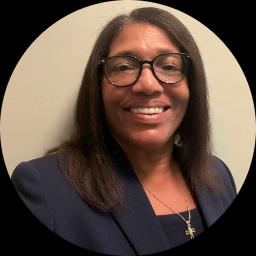
Mississippi · 36 yrs exp
Licensed Clinical Social Worker - Family and Parenting
Family · Parenting · Anger · Self esteem · +11 more
Read profile
Florida · 28 yrs exp
Licensed clinical social worker - stress and trauma
Stress, Anxiety · Addictions · Trauma and abuse · Self esteem · +13 more
Read profile
New York · 14 yrs exp
Licensed Clinical Social Worker - stress and relationships
Stress, Anxiety · Relationship · Trauma and abuse · Self esteem · +5 more
Read profile
Colorado · 15 yrs exp
Licensed clinical social worker - anxiety and life changes
Stress, Anxiety · Grief · Depression · Coping with life changes · +10 more
Read profile
North Carolina · 10 yrs exp
Licensed Clinical Social Worker - Mood and trauma concerns
Stress, Anxiety · Family · Parenting · Anger · +8 more
Read profile
Wyoming · 14 yrs exp
Licensed clinical social worker - mood and relationships
Addictions · Relationship · Depression · Coping with life changes · +11 more
Read profile
New York · 25 yrs exp
Licensed Clinical Social Worker - Stress and Anxiety
Stress, Anxiety · Grief · Anger · Self esteem · +6 more
Read profile
Connecticut · 24 yrs exp
Licensed clinical social worker - stress and mood concerns
Stress, Anxiety · Relationship · Grief · Self esteem · +11 more
Read profile
Illinois · 10 yrs exp
Licensed Clinical Social Worker - Stress and Trauma
Stress, Anxiety · Trauma and abuse · Grief · Self esteem · +11 more
Read profile
Indiana · 12 yrs exp
Licensed clinical social worker - mood and trauma
Stress, Anxiety · Trauma and abuse · Self esteem · Bipolar · +10 more
Read profile
Florida · 40 yrs exp
Licensed Clinical Social Worker - Addictions and Relationships
Addictions · Relationship · Grief · Depression · +13 more
Read profile
Missouri · 13 yrs exp
Licensed Clinical Social Worker - Anxiety and Addictions
Stress, Anxiety · Addictions · Relationship · Family · +6 more
Read profile
Florida · 25 yrs exp
Licensed clinical social worker - mood and coping
Stress, Anxiety · Addictions · Grief · Bipolar · +5 more
Read profile
Texas · 35 yrs exp
Licensed Clinical Social Worker - Stress and Trauma
Stress, Anxiety · Relationship · Family · Trauma and abuse · +14 more
Read profile
Illinois · 23 yrs exp
Licensed clinical social worker - mood and relationships
Stress, Anxiety · Trauma and abuse · Anger · Depression · +10 more
Read profile
Wisconsin · 18 yrs exp
Licensed Clinical Social Worker - Relationships and Stress
Stress, Anxiety · Parenting · Self esteem · Depression · +11 more
Read profile
Connecticut · 24 yrs exp
Licensed Clinical Social Worker - Anxiety and Addictions
Stress, Anxiety · Addictions · Family · Bipolar · +10 more
Read profile
Kentucky · 8 yrs exp
Licensed Clinical Social Worker - Stress and Relationships
Stress, Anxiety · Relationship · Family · Trauma and abuse · +5 more
Read profile
North Carolina · 7 yrs exp
Licensed Clinical Social Worker - Stress and Relationships
Stress, Anxiety · LGBT · Relationship · Trauma and abuse · +1 more
Read profile
Pennsylvania · 17 yrs exp
Licensed clinical social worker - Anxiety and trauma
Stress, Anxiety · Trauma and abuse · Self esteem · Depression · +1 more
Read profile
North Carolina · 10 yrs exp
Licensed Clinical Social Worker - Stress and Trauma
Stress, Anxiety · Trauma and abuse · Self esteem · Depression · +1 more
Read profile
Florida · 13 yrs exp
Licensed clinical social worker - Stress and Addictions
Stress, Anxiety · Addictions · Relationship · Trauma and abuse · +1 more
Read profile
Illinois · 39 yrs exp
Licensed Clinical Social Worker - stress and relationships
Stress, Anxiety · Relationship · Grief · Sleeping · +1 more
Read profileSocial anxiety and phobia often show up as an intense fear of social situations where you might be judged, observed, or required to perform. For some people this fear is broad and affects many areas of life - work, school, social outings, or family events. For others it is more specific, centered on public speaking, meeting new people, eating or drinking in front of others, or using public restrooms. The worry tends to be more than temporary nervousness; it can shape decisions about daily routines, relationships, and career paths.
When social anxiety is present, you may notice that you avoid situations that provoke fear, prepare excessively to prevent embarrassment, or experience physical symptoms such as shaking, sweating, racing heart, or a sense of dissociation in social moments. Over time avoidance and hypervigilance can reduce opportunities for connection and make it harder to gain confidence in social roles. Because social anxiety interacts with external circumstances - housing, work, finances, family obligations, and community supports - many people find that a treatment perspective addressing both internal experience and environmental factors feels most practical.
If social fears regularly limit your participation in life or cause distress that exceeds your ability to cope, working with a licensed clinical social worker may be helpful. Signs include consistent avoidance of events you want to attend, workplace or academic impacts, strained relationships because of social withdrawal, or a pattern of self-medication with substances to reduce anxiety. You might also struggle with low self-esteem rooted in social interactions or feel stuck despite trying self-help strategies.
LCSWs bring a specific professional credential that reflects graduate education in social work, a state-defined period of supervised post-graduate clinical experience, and passage of a clinical licensing examination. That background equips them to look at your social anxiety in the context of your environment - the person-in-environment lens social work emphasizes. If housing, work stress, family roles, financial strain, or access to community resources are part of what keeps anxiety active for you, an LCSW will typically attend to those dimensions alongside symptom-focused work.
The first sessions with an LCSW are often about building rapport and clarifying what you want to change. You can expect questions about how social anxiety shows up for you, recent and past functioning, and factors in your environment that influence your experience. An LCSW will typically discuss the scope of practice and licensing, and explain how their clinical work fits with your goals. This early phase is a chance for you to notice whether the clinician's style and areas of focus feel like a good interpersonal fit.
Ongoing sessions usually blend skill-building, practice, and mutual review of what helps or gets in the way for you. Some sessions may focus on emotion regulation and managing physical anxiety symptoms, while others practice exposure to feared social situations in a gradual way. You can expect regular reflection on how environmental factors - such as work schedules, family responsibilities, or community supports - interact with anxiety, and collaborative planning to address barriers. Check-ins about progress are common, and goals are often refined as you learn more about what works.
Therapists who list cognitive-behavioral strategies among their approaches often focus on identifying unhelpful thought patterns, testing beliefs in real-world situations, and using behavioral experiments to reduce avoidance. You may also find clinicians who include exposure-based techniques, which involve gradual, repeated contact with feared social situations to reduce anxiety over time. Some LCSWs incorporate skills for emotion regulation, mindfulness practices, or interpersonal work that targets social skills and relationship patterns. Group-based approaches can provide opportunities to practice social situations in a supported setting.
On a directory you will see profile details that list approaches a therapist uses; these listings are prompts for questions to ask rather than endorsements. If a profile notes cognitive-behavioral or exposure-focused approaches, that indicates the therapist cites those methods among what they offer. During a conversation with a potential LCSW you can ask how they typically apply those approaches for people with social anxiety, and how they adapt work to match your life circumstances and preferences.
Online sessions with an LCSW can make it easier to access care from a location that feels comfortable to you. Video or phone work allows many people to begin practicing social skills and exposures in a familiar setting, and an LCSW can guide in-session role plays and homework between visits. Because licensure is state-specific, online care is regulated by state boards - so therapists will indicate where they are licensed and the populations they can serve. Online work can also reduce travel barriers and help coordinate care when your anxiety is tied to work or geographic constraints.
When you review profiles, focus on the LCSW's described experience with social anxiety and phobia, the approaches they list, languages offered, and any stated special populations they work with. Think about whether you prefer a clinician who emphasizes skill practice, environmental problem-solving, or relational work. Consider practical details like session format and whether the therapist mentions work with issues that intersect with social anxiety such as workplace stress, trauma, or life transitions. A good fit often comes down to clinical focus and interpersonal style rather than specific labels, so look for profiles and descriptions that resonate with how you prefer to work.
Social anxiety and phobia are common and treatable concerns, and an LCSW brings a perspective that considers both internal experience and the external circumstances that shape it. Take time to read profiles, note the approaches and areas of focus that feel relevant to your situation, and choose an LCSW whose stated skills and perspective match what you want to work on. With an approach that attends to your environment as well as your internal experience, you can build practical strategies to navigate social situations with more confidence over time.
Alabama
26 therapists
Alaska
18 therapists
Arizona
94 therapists
Arkansas
58 therapists
California
696 therapists
Colorado
143 therapists
Connecticut
115 therapists
Delaware
36 therapists
District of Columbia
7 therapists
Florida
827 therapists
Georgia
164 therapists
Hawaii
37 therapists
Idaho
41 therapists
Illinois
401 therapists
Indiana
195 therapists
Iowa
9 therapists
Kansas
27 therapists
Kentucky
142 therapists
Louisiana
134 therapists
Maine
50 therapists
Maryland
22 therapists
Massachusetts
14 therapists
Michigan
38 therapists
Minnesota
13 therapists
Mississippi
68 therapists
Missouri
151 therapists
Montana
57 therapists
Nebraska
2 therapists
Nevada
56 therapists
New Hampshire
16 therapists
New Jersey
227 therapists
New Mexico
50 therapists
New York
535 therapists
North Carolina
358 therapists
North Dakota
11 therapists
Ohio
31 therapists
Oklahoma
80 therapists
Oregon
65 therapists
Pennsylvania
225 therapists
Rhode Island
3 therapists
South Carolina
35 therapists
South Dakota
2 therapists
Tennessee
95 therapists
Texas
483 therapists
Utah
89 therapists
Vermont
3 therapists
Virginia
187 therapists
Washington
16 therapists
West Virginia
5 therapists
Wisconsin
122 therapists
Wyoming
19 therapists