
Marsha Oxamendi
LCSWFlorida · 14 yrs exp
Florida LCSW - Stress and Relationship Support
Stress, Anxiety · Grief · Anger · Self esteem · +12 more
Read profileTherapist listings are provided by BetterHelp. We will earn a commission at no additional cost to you if you use our links to purchase.
This page lists licensed clinical social workers (LCSWs) who focus on isolation and loneliness. Use the listings below to review practitioners' focus areas, approaches, credentials, languages, and experience.
Florida · 14 yrs exp
Florida LCSW - Stress and Relationship Support
Stress, Anxiety · Grief · Anger · Self esteem · +12 more
Read profile
Colorado · 19 yrs exp
Licensed Clinical Social Worker - Stress and Relationships
Stress, Anxiety · Relationship · Trauma and abuse · Grief · +12 more
Read profile
Texas · 13 yrs exp
Licensed Clinical Social Worker - Stress and Relationship support
Stress, Anxiety · Relationship · Trauma and abuse · Anger · +11 more
Read profile
Florida · 23 yrs exp
Licensed clinical social worker - LGBT and intimacy issues
LGBT · Intimacy-related issues
Read profile
New Jersey · 15 yrs exp
Licensed Clinical Social Worker - Stress and Family
Stress, Anxiety · Family · Trauma and abuse · Parenting · +10 more
Read profile
New York · 24 yrs exp
Licensed Clinical Social Worker - Anxiety and Depression
Stress, Anxiety · Relationship · Anger · Self esteem · +12 more
Read profile
Missouri · 36 yrs exp
Licensed Clinical Social Worker - Mood and Trauma
Stress, Anxiety · Relationship · Trauma and abuse · Intimacy-related issues · +15 more
Read profile
Missouri · 16 yrs exp
Licensed clinical social worker - mood and trauma support
Stress, Anxiety · Trauma and abuse · Self esteem · Bipolar · +12 more
Read profile
North Carolina · 10 yrs exp
Licensed Clinical Social Worker - Anxiety and Relationships
Stress, Anxiety · Relationship · Family · Bipolar · +16 more
Read profile
New York · 35 yrs exp
Licensed Clinical Social Worker - stress and relationships
Stress, Anxiety · Self esteem · Career · ADHD · +10 more
Read profile
North Carolina · 13 yrs exp
Licensed Clinical Social Worker - Stress and Relationships
Stress, Anxiety · Relationship · Family · Self esteem · +13 more
Read profile
California · 14 yrs exp
Licensed Clinical Social Worker - trauma and life transitions
Stress, Anxiety · Trauma and abuse · Grief · Self esteem · +8 more
Read profile
Louisiana · 16 yrs exp
Licensed Clinical Social Worker - mood and relationships
Stress, Anxiety · Relationship · Trauma and abuse · Bipolar · +16 more
Read profile
Florida · 10 yrs exp
Licensed Clinical Social Worker - stress and family concerns
Stress, Anxiety · Addictions · Family · Grief · +8 more
Read profile
New York · 30 yrs exp
Licensed Clinical Social Worker - Relationships and Life Changes
Stress, Anxiety · Relationship · Parenting · Self esteem · +11 more
Read profile
Texas · 21 yrs exp
Licensed Clinical Social Worker - Life changes and relationships
Stress, Anxiety · Relationship · Trauma and abuse · Intimacy-related issues · +15 more
Read profile
Florida · 22 yrs exp
Licensed Clinical Social Worker - stress and anxiety
Stress, Anxiety · Self esteem · Depression · Coping with life changes · +5 more
Read profile
Illinois · 25 yrs exp
Licensed clinical social worker - anxiety and life changes
Stress, Anxiety · Self esteem · Career · Coping with life changes · +10 more
Read profile
Louisiana · 14 yrs exp
Licensed clinical social worker - Stress and trauma
Stress, Anxiety · Anger · Self esteem · Depression · +9 more
Read profile
Mississippi · 12 yrs exp
Licensed clinical social worker - stress and addiction
Stress, Anxiety · Addictions · Anger · Self esteem · +12 more
Read profile
Tennessee · 35 yrs exp
Licensed Clinical Social Worker - Stress and Relationships
Stress, Anxiety · Grief · Self esteem · Depression · +8 more
Read profile
Georgia · 25 yrs exp
Licensed clinical social worker - mood and relationships
Stress, Anxiety · Parenting · Anger · Self esteem · +15 more
Read profile
Texas · 33 yrs exp
Licensed Clinical Social Worker - Relationships and Stress
Stress, Anxiety · Relationship · Family · Self esteem · +11 more
Read profile
Texas · 20 yrs exp
Licensed social worker - stress and addiction
Stress, Anxiety · Addictions · Family · Grief · +15 more
Read profile
Colorado · 9 yrs exp
Licensed Clinical Social Worker - stress and relationships
Stress, Anxiety · Relationship · Grief · Depression · +11 more
Read profile
New York · 14 yrs exp
Licensed Clinical Social Worker - Stress and Trauma
Stress, Anxiety · Trauma and abuse · Grief · Depression · +6 more
Read profile
Michigan · 24 yrs exp
Licensed Clinical Social Worker - mood and addiction support
Stress, Anxiety · Addictions · Relationship · Family · +1 more
Read profile
Arkansas · 44 yrs exp
Licensed clinical social worker - stress and trauma
Stress, Anxiety · Trauma and abuse · Grief · Self esteem · +16 more
Read profile
Mississippi · 21 yrs exp
Licensed Clinical Social Worker - stress and family concerns
Stress, Anxiety · Family · Parenting · Anger · +9 more
Read profile
Tennessee · 15 yrs exp
Licensed Clinical Social Worker - Relationships and Stress
Stress, Anxiety · Relationship · Family · Self esteem · +9 more
Read profile
Missouri · 35 yrs exp
LCSW - Stress and trauma-focused clinician
Stress, Anxiety · Trauma and abuse · Anger · Bipolar · +13 more
Read profile
New York · 15 yrs exp
Licensed Clinical Social Worker - Relationships and Addictions
Stress, Anxiety · Addictions · Relationship · Self esteem · +10 more
Read profile
Louisiana · 25 yrs exp
Licensed Clinical Social Worker - Stress and Anxiety
Stress, Anxiety · Family · Anger · Self esteem · +1 more
Read profile
North Carolina · 16 yrs exp
Licensed Clinical Social Worker - Addiction and Trauma
Stress, Anxiety · Addictions · Trauma and abuse · Anger · +13 more
Read profile
Michigan · 11 yrs exp
Licensed Clinical Social Worker - Stress and Trauma
Stress, Anxiety · Relationship · Trauma and abuse · Grief · +1 more
Read profile
Texas · 5 yrs exp
Licensed Clinical Social Worker - relationships and trauma
Stress, Anxiety · Relationship · Family · Trauma and abuse · +9 more
Read profile
Mississippi · 36 yrs exp
Licensed Clinical Social Worker - Family and Parenting
Family · Parenting · Anger · Self esteem · +11 more
Read profile
Florida · 28 yrs exp
Licensed clinical social worker - stress and trauma
Stress, Anxiety · Addictions · Trauma and abuse · Self esteem · +13 more
Read profile
New York · 14 yrs exp
Licensed Clinical Social Worker - stress and relationships
Stress, Anxiety · Relationship · Trauma and abuse · Self esteem · +5 more
Read profile
Colorado · 15 yrs exp
Licensed clinical social worker - anxiety and life changes
Stress, Anxiety · Grief · Depression · Coping with life changes · +10 more
Read profile
Wyoming · 14 yrs exp
Licensed clinical social worker - mood and relationships
Addictions · Relationship · Depression · Coping with life changes · +11 more
Read profile
New York · 25 yrs exp
Licensed Clinical Social Worker - Stress and Anxiety
Stress, Anxiety · Grief · Anger · Self esteem · +6 more
Read profile
Texas · 6 yrs exp
Licensed Clinical Social Worker - Trauma and Relationships
Stress, Anxiety · Relationship · Trauma and abuse · Self esteem · +1 more
Read profile
Illinois · 10 yrs exp
Licensed Clinical Social Worker - Stress and Trauma
Stress, Anxiety · Trauma and abuse · Grief · Self esteem · +11 more
Read profile
Indiana · 12 yrs exp
Licensed clinical social worker - mood and trauma
Stress, Anxiety · Trauma and abuse · Self esteem · Bipolar · +10 more
Read profile
New Jersey · 12 yrs exp
LCSW - Stress and relationship concerns
Stress, Anxiety · Relationship · Trauma and abuse · Self esteem · +1 more
Read profile
Florida · 40 yrs exp
Licensed Clinical Social Worker - Addictions and Relationships
Addictions · Relationship · Grief · Depression · +13 more
Read profile
Missouri · 13 yrs exp
Licensed Clinical Social Worker - Anxiety and Addictions
Stress, Anxiety · Addictions · Relationship · Family · +6 more
Read profile
Florida · 25 yrs exp
Licensed clinical social worker - mood and coping
Stress, Anxiety · Addictions · Grief · Bipolar · +5 more
Read profile
Texas · 35 yrs exp
Licensed Clinical Social Worker - Stress and Trauma
Stress, Anxiety · Relationship · Family · Trauma and abuse · +14 more
Read profile
Illinois · 23 yrs exp
Licensed clinical social worker - mood and relationships
Stress, Anxiety · Trauma and abuse · Anger · Depression · +10 more
Read profile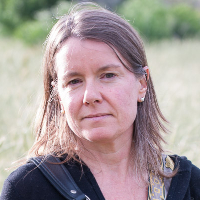
Colorado · 20 yrs exp
Licensed Clinical Social Worker - Stress and Trauma
Stress, Anxiety · Trauma and abuse · Grief · Depression · +15 more
Read profile
Wisconsin · 18 yrs exp
Licensed Clinical Social Worker - Relationships and Stress
Stress, Anxiety · Parenting · Self esteem · Depression · +11 more
Read profile
Virginia · 10 yrs exp
Licensed clinical social worker - trauma and relationships
Relationship · Trauma and abuse · Self esteem · Depression · +5 more
Read profile
North Carolina · 7 yrs exp
Licensed Clinical Social Worker - Stress and Relationships
Stress, Anxiety · LGBT · Relationship · Trauma and abuse · +1 more
Read profile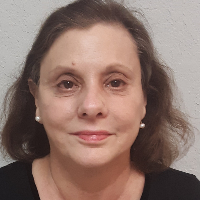
Florida · 32 yrs exp
Licensed Clinical Social Worker - Stress and Trauma
Stress, Anxiety · Trauma and abuse · Grief · Depression · +14 more
Read profile
Pennsylvania · 17 yrs exp
Licensed clinical social worker - Anxiety and trauma
Stress, Anxiety · Trauma and abuse · Self esteem · Depression · +1 more
Read profile
North Carolina · 10 yrs exp
Licensed Clinical Social Worker - Stress and Trauma
Stress, Anxiety · Trauma and abuse · Self esteem · Depression · +1 more
Read profile
Florida · 13 yrs exp
Licensed clinical social worker - Stress and Addictions
Stress, Anxiety · Addictions · Relationship · Trauma and abuse · +1 more
Read profile
Illinois · 39 yrs exp
Licensed Clinical Social Worker - stress and relationships
Stress, Anxiety · Relationship · Grief · Sleeping · +1 more
Read profileLoneliness and social isolation are related but distinct experiences. Loneliness is the subjective feeling that your social connections are not meeting your emotional needs. Isolation is more about the objective quantity or frequency of contact with others. You can feel lonely in a crowd or feel content with limited social contact - the difference lies in whether your relationships provide the emotional connection you need.
Both loneliness and isolation can influence many parts of daily life. You may notice changes in your mood, energy, or motivation, or shifts in how you manage work, family, and daily tasks. Because social workers are trained to consider a person's circumstances as well as the internal experience, an LCSW will often look at the wider context that contributes to feeling alone - housing, work demands, caregiving responsibilities, transportation, financial strain, and access to community resources. Understanding these factors helps you and the clinician identify realistic ways to rebuild connection or adapt routines so your social needs are addressed in ways that fit your life.
You might be considering professional support if you find yourself withdrawing from activities you once enjoyed or if everyday social interactions feel exhausting or overwhelming. Loneliness can show up as persistent sadness, increased irritability, trouble sleeping, or difficulty concentrating. If you are avoiding social situations due to anxiety or fear of rejection, that pattern can deepen isolation over time. You may also notice practical consequences, like skipping medical appointments or struggling to maintain work responsibilities because social contact is limited.
An LCSW can help you explore both the inner experience and the external barriers to connection. If you are unsure whether therapy would help, think about whether your patterns of relating to others or your living circumstances are causing distress or impairing daily functioning. Social workers who hold an LCSW are trained to assess risks and supports in the environment and to coordinate with community services when addressing housing, transportation, or financial barriers is part of rebuilding social life.
When you begin working with an LCSW for loneliness or isolation, the initial sessions usually focus on understanding your story and current circumstances. Expect questions about your relationships, daily routines, work and home life, and past attempts to address loneliness. The goal in early work is to build a shared picture of what contributes to feeling alone and what kinds of change would be meaningful to you. You and the LCSW will identify practical goals that reflect your priorities, whether that means developing new social skills, resolving conflicts in existing relationships, or accessing community resources that increase opportunities for connection.
As you move forward, sessions often combine emotional exploration with concrete planning. You might practice ways to start conversations, handle rejection, or restructure your week to increase contact with others. If practical barriers are present - for example unreliable transportation or caregiving responsibilities - a social worker can discuss strategies and community supports that may reduce those obstacles. Progress can look different for everyone; sometimes small changes in routine or one new social activity can shift how you feel, and other times it requires gradual work on expectations, coping skills, and rebuilding trust in relationships.
Licensed clinical social workers draw on a range of approaches and often adapt them to your situation. Many therapists list cognitive-behavioral techniques among their approaches to help you identify and shift unhelpful thought patterns that contribute to withdrawal or avoidance. Others emphasize interpersonal methods that focus on improving the quality of your relationships and communication patterns. Some clinicians note using mindfulness-based or acceptance-oriented approaches to help you tolerate uncomfortable emotions that arise when you take social risks.
Because social work training emphasizes the person-in-environment perspective, many LCSWs combine counseling with practical problem solving. You may work on concrete steps like locating social groups, volunteering opportunities, or community centers that match your interests. Some therapists list group work among their approaches, which can provide practice in social connection within a structured setting. You may also find references to approaches like behavioral activation for increasing engagement in meaningful activities, or to therapists who list family systems work when relationships with relatives are central to your concerns. When reviewing profiles, you will see that clinicians list different approaches; that listing signals the kinds of strategies they use in practice rather than a guarantee of outcomes.
Online sessions have become a common way to meet with an LCSW, and they can make it easier to access care from home or while balancing other responsibilities. Online sessions typically take place over video or phone calls, and some clinicians also communicate through practice portals for messages or brief check-ins between appointments. If you want to pursue online work, consider how you would handle technology, whether you have a quiet place to talk, and whether you prefer face-to-face interaction. If you need assistance with logistics related to transportation or local resources, a licensed clinical social worker can often integrate that planning into your sessions regardless of whether meetings are in person or online.
When choosing an LCSW for isolation and loneliness, focus on factors that matter most to you. Look at clinicians' descriptions of their focus areas and the approaches they list, and consider language skills and cultural or community experience that match your background. Pay attention to whether they mention working with life stages or circumstances similar to yours - for example caregiving transitions, workplace isolation, or life changes that often affect social networks. Also consider whether you prefer a more skills-based focus or a deeper relational exploration. Comparing profiles by focus areas, approaches, credentials, languages, and experience can help you identify LCSWs whose work style and perspective are likely to align with your needs.
Choosing someone you feel comfortable with is important because the work of addressing loneliness often involves trying new behaviors and discussing vulnerable topics. It is reasonable to review several profiles and to look for descriptions that resonate with your situation. An LCSW's training in assessing both personal experience and environmental factors can make them a helpful partner in rebuilding connection in ways that fit your life and values.
Alabama
26 therapists
Alaska
18 therapists
Arizona
94 therapists
Arkansas
58 therapists
California
696 therapists
Colorado
143 therapists
Connecticut
115 therapists
Delaware
36 therapists
District of Columbia
7 therapists
Florida
827 therapists
Georgia
164 therapists
Hawaii
37 therapists
Idaho
41 therapists
Illinois
401 therapists
Indiana
195 therapists
Iowa
9 therapists
Kansas
27 therapists
Kentucky
142 therapists
Louisiana
134 therapists
Maine
50 therapists
Maryland
22 therapists
Massachusetts
14 therapists
Michigan
38 therapists
Minnesota
13 therapists
Mississippi
68 therapists
Missouri
151 therapists
Montana
57 therapists
Nebraska
2 therapists
Nevada
56 therapists
New Hampshire
16 therapists
New Jersey
227 therapists
New Mexico
50 therapists
New York
535 therapists
North Carolina
358 therapists
North Dakota
11 therapists
Ohio
31 therapists
Oklahoma
80 therapists
Oregon
65 therapists
Pennsylvania
225 therapists
Rhode Island
3 therapists
South Carolina
35 therapists
South Dakota
2 therapists
Tennessee
95 therapists
Texas
483 therapists
Utah
89 therapists
Vermont
3 therapists
Virginia
187 therapists
Washington
16 therapists
West Virginia
5 therapists
Wisconsin
122 therapists
Wyoming
19 therapists