
Velma Jones
LCSWNew York · 29 yrs exp
Licensed Clinical Social Worker - Relationships and Mood
Stress, Anxiety · Relationship · Trauma and abuse · Depression · +10 more
Read profileTherapist listings are provided by BetterHelp. We will earn a commission at no additional cost to you if you use our links to purchase.
This page lists licensed clinical social workers (LCSWs) who include codependency among their focus areas. Browse the profiles below to compare focus areas, approaches, languages, and experience among LCSWs.
New York · 29 yrs exp
Licensed Clinical Social Worker - Relationships and Mood
Stress, Anxiety · Relationship · Trauma and abuse · Depression · +10 more
Read profile
Illinois · 17 yrs exp
Licensed clinical social worker - trauma and life transitions
Trauma and abuse · Coping with life changes · Stress, Anxiety · Relationship · +9 more
Read profile
Colorado · 19 yrs exp
Licensed Clinical Social Worker - Stress and Relationships
Stress, Anxiety · Relationship · Trauma and abuse · Grief · +12 more
Read profile
Texas · 13 yrs exp
Licensed Clinical Social Worker - Stress and Relationship support
Stress, Anxiety · Relationship · Trauma and abuse · Anger · +11 more
Read profile
Missouri · 36 yrs exp
Licensed Clinical Social Worker - Mood and Trauma
Stress, Anxiety · Relationship · Trauma and abuse · Intimacy-related issues · +15 more
Read profile
North Carolina · 10 yrs exp
Licensed Clinical Social Worker - Anxiety and Relationships
Stress, Anxiety · Relationship · Family · Bipolar · +16 more
Read profile
Florida · 15 yrs exp
Licensed Clinical Social Worker - Relationships and Sexuality
Relationship · Family · Intimacy-related issues · Coaching · +4 more
Read profile
North Carolina · 13 yrs exp
Licensed Clinical Social Worker - Stress and Relationships
Stress, Anxiety · Relationship · Family · Self esteem · +13 more
Read profile
Louisiana · 16 yrs exp
Licensed Clinical Social Worker - mood and relationships
Stress, Anxiety · Relationship · Trauma and abuse · Bipolar · +16 more
Read profile
Florida · 10 yrs exp
Licensed Clinical Social Worker - stress and family concerns
Stress, Anxiety · Addictions · Family · Grief · +8 more
Read profile
Texas · 21 yrs exp
Licensed Clinical Social Worker - Life changes and relationships
Stress, Anxiety · Relationship · Trauma and abuse · Intimacy-related issues · +15 more
Read profile
New Jersey · 8 yrs exp
Licensed clinical social worker - mood and trauma
Stress, Anxiety · Relationship · Trauma and abuse · Bipolar · +14 more
Read profile
Mississippi · 12 yrs exp
Licensed clinical social worker - stress and addiction
Stress, Anxiety · Addictions · Anger · Self esteem · +12 more
Read profile
Texas · 8 yrs exp
Licensed Clinical Social Worker - Stress and Relationships
Stress, Anxiety · Relationship · Self esteem · Depression · +8 more
Read profile
Tennessee · 35 yrs exp
Licensed Clinical Social Worker - Stress and Relationships
Stress, Anxiety · Grief · Self esteem · Depression · +8 more
Read profile
Georgia · 25 yrs exp
Licensed clinical social worker - mood and relationships
Stress, Anxiety · Parenting · Anger · Self esteem · +15 more
Read profile
Texas · 33 yrs exp
Licensed Clinical Social Worker - Relationships and Stress
Stress, Anxiety · Relationship · Family · Self esteem · +11 more
Read profile
Texas · 20 yrs exp
Licensed social worker - stress and addiction
Stress, Anxiety · Addictions · Family · Grief · +15 more
Read profile
Colorado · 9 yrs exp
Licensed Clinical Social Worker - stress and relationships
Stress, Anxiety · Relationship · Grief · Depression · +11 more
Read profile
New York · 14 yrs exp
Licensed Clinical Social Worker - Stress and Trauma
Stress, Anxiety · Trauma and abuse · Grief · Depression · +6 more
Read profile
Michigan · 24 yrs exp
Licensed Clinical Social Worker - mood and addiction support
Stress, Anxiety · Addictions · Relationship · Family · +1 more
Read profile
Florida · 28 yrs exp
Licensed Clinical Social Worker - Anxiety and Addictions
Addictions · Trauma and abuse · Parenting · Bipolar · +15 more
Read profile
Arkansas · 44 yrs exp
Licensed clinical social worker - stress and trauma
Stress, Anxiety · Trauma and abuse · Grief · Self esteem · +16 more
Read profile
Florida · 20 yrs exp
Licensed clinical social worker - trauma and addictions
Stress, Anxiety · Addictions · Trauma and abuse · Grief · +14 more
Read profile
Missouri · 35 yrs exp
LCSW - Stress and trauma-focused clinician
Stress, Anxiety · Trauma and abuse · Anger · Bipolar · +13 more
Read profile
New York · 15 yrs exp
Licensed Clinical Social Worker - Relationships and Addictions
Stress, Anxiety · Addictions · Relationship · Self esteem · +10 more
Read profile
Mississippi · 36 yrs exp
Licensed Clinical Social Worker - Family and Parenting
Family · Parenting · Anger · Self esteem · +11 more
Read profile
Florida · 28 yrs exp
Licensed clinical social worker - stress and trauma
Stress, Anxiety · Addictions · Trauma and abuse · Self esteem · +13 more
Read profile
Colorado · 15 yrs exp
Licensed clinical social worker - anxiety and life changes
Stress, Anxiety · Grief · Depression · Coping with life changes · +10 more
Read profile
Wyoming · 14 yrs exp
Licensed clinical social worker - mood and relationships
Addictions · Relationship · Depression · Coping with life changes · +11 more
Read profile
New York · 25 yrs exp
Licensed Clinical Social Worker - Stress and Anxiety
Stress, Anxiety · Grief · Anger · Self esteem · +6 more
Read profile
Connecticut · 24 yrs exp
Licensed clinical social worker - stress and mood concerns
Stress, Anxiety · Relationship · Grief · Self esteem · +11 more
Read profile
Indiana · 12 yrs exp
Licensed clinical social worker - mood and trauma
Stress, Anxiety · Trauma and abuse · Self esteem · Bipolar · +10 more
Read profile
Florida · 25 yrs exp
Licensed clinical social worker - mood and coping
Stress, Anxiety · Addictions · Grief · Bipolar · +5 more
Read profile
Texas · 35 yrs exp
Licensed Clinical Social Worker - Stress and Trauma
Stress, Anxiety · Relationship · Family · Trauma and abuse · +14 more
Read profile
Colorado · 20 yrs exp
Licensed Clinical Social Worker - Stress and Trauma
Stress, Anxiety · Trauma and abuse · Grief · Depression · +15 more
Read profile
Connecticut · 24 yrs exp
Licensed Clinical Social Worker - Anxiety and Addictions
Stress, Anxiety · Addictions · Family · Bipolar · +10 more
Read profile
California · 10 yrs exp
Licensed Clinical Social Worker - stress and trauma
Stress, Anxiety · Addictions · Parenting · Self esteem · +12 more
Read profile
Kentucky · 8 yrs exp
Licensed Clinical Social Worker - Stress and Relationships
Stress, Anxiety · Relationship · Family · Trauma and abuse · +5 more
Read profile
Indiana · 25 yrs exp
Licensed Clinical Social Worker - stress and relationships
Stress, Anxiety · Relationship · Grief · Self esteem · +12 more
Read profile
North Carolina · 10 yrs exp
Licensed Clinical Social Worker - Stress and Trauma
Stress, Anxiety · Trauma and abuse · Self esteem · Depression · +1 more
Read profile
Colorado · 22 yrs exp
Licensed Clinical Social Worker - adult mental health
Stress, Anxiety · Relationship · Trauma and abuse · Depression · +16 more
Read profile
New York · 25 yrs exp
Licensed Clinical Social Worker - Stress and Relationships
Stress, Anxiety · Relationship · Family · Trauma and abuse · +15 more
Read profile
Kentucky · 15 yrs exp
Licensed Clinical Social Worker - relationships and mood
Stress, Anxiety · Relationship · Parenting · Anger · +13 more
Read profile
Florida · 20 yrs exp
Licensed Clinical Social Worker - Relationships and Stress
Stress, Anxiety · Relationship · Family · Trauma and abuse · +16 more
Read profile
Utah · 30 yrs exp
Licensed social worker - mood and dependency concerns
Stress, Anxiety · Trauma and abuse · Grief · Anger · +1 more
Read profile
Indiana · 33 yrs exp
Licensed clinical social worker - mood and relationships
Stress, Anxiety · Parenting · Anger · Depression · +13 more
Read profile
Connecticut · 16 yrs exp
Licensed clinical social worker - Stress and relationships
Stress, Anxiety · Addictions · Family · Anger · +14 more
Read profile
Florida · 3 yrs exp
Licensed Clinical Social Worker - Relationships and Stress
Stress, Anxiety · Relationship · Trauma and abuse · Parenting · +11 more
Read profile
Arizona · 40 yrs exp
Licensed Clinical Social Worker - Relationships and Mood
Stress, Anxiety · LGBT · Relationship · Grief · +10 more
Read profile
Idaho · 18 yrs exp
Licensed Clinical Social Worker - Anxiety and Trauma
Stress, Anxiety · Trauma and abuse · Grief · Self esteem · +10 more
Read profile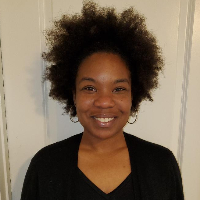
North Carolina · 15 yrs exp
Licensed Clinical Social Worker - Trauma and Relationships
LGBT · Relationship · Family · Parenting · +7 more
Read profile
Florida · 16 yrs exp
Dr. Amary Alcide - LCSW, stress and relationships
Stress, Anxiety · Relationship · Parenting · Self esteem · +8 more
Read profile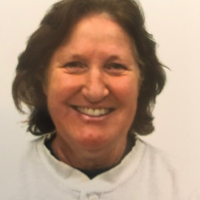
California · 30 yrs exp
Licensed clinical social worker - family and trauma
Family · Trauma and abuse · Grief · Parenting · +9 more
Read profile
Illinois · 12 yrs exp
Licensed clinical social worker - mood and coping support
Stress, Anxiety · Trauma and abuse · Bipolar · Depression · +12 more
Read profile
California · 23 yrs exp
Licensed Clinical Social Worker - Self esteem and relationships
Stress, Anxiety · Relationship · Self esteem · Depression · +8 more
Read profile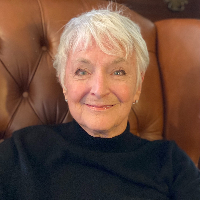
Arizona · 10 yrs exp
Licensed clinical social worker - Mood and life transitions
Stress, Anxiety · Self esteem · Bipolar · Depression · +10 more
Read profile
Montana · 6 yrs exp
Licensed Clinical Social Worker - Depression and Anxiety
Depression · Coping with life changes · Compassion fatigue · Stress, Anxiety · +9 more
Read profile
New Jersey · 25 yrs exp
Licensed Clinical Social Worker - Stress and Addictions
Stress, Anxiety · Addictions · Relationship · Family · +14 more
Read profile
Illinois · 40 yrs exp
Licensed Clinical Social Worker - Stress and Family Concerns
Stress, Anxiety · Family · Parenting · Self esteem · +9 more
Read profileCodependency is a pattern of relating where your sense of self and well-being is closely tied to the needs, moods, or actions of another person. It can occur in romantic relationships, family dynamics, friendships, and caregiving roles. Rather than being a medical label, codependency describes a cluster of behaviors and feelings that can leave you feeling exhausted, resentful, overly responsible, or unable to set boundaries. For some people codependency develops in response to chronic stress at home, early family roles where you were expected to caretake, or living with someone who struggles with substance use or untreated mental health challenges. Over time, these patterns can affect your emotional health, work, finances, and the quality of your relationships.
When you look for help, it may be useful to keep in mind the perspective social work brings. Licensed clinical social workers are trained to view individual experience in the context of your broader circumstances - housing, work, family, money, and community resources - so the focus is on how your environment contributes to and sustains patterns like codependency. That person-in-environment lens helps uncover practical obstacles and supports that affect change, in addition to exploring emotions and relationship patterns.
You may consider seeking support for codependency when you notice that your self-worth depends heavily on other people, or when you regularly put others first at the expense of your own needs. You might feel responsible for solving someone else’s emotions or behavior, habitually apologize to keep peace, or find it difficult to say no because you fear rejection. Persistent worry about being abandoned, frequent people-pleasing, or staying in relationships that feel one-sided are also common indicators. Some people notice trouble with boundaries - for example, feeling compelled to fix a partner’s problems or allowing another person to make choices that undermine your goals.
Practical consequences can include strained finances due to taking on others’ debts, burnout from caregiving roles, or difficulty maintaining steady work because relationship crises intervene. If you recognize these patterns in your life, therapy with an LCSW who lists codependency among their focus areas can help you explore the sources of those behaviors and develop more balanced ways of relating.
When you begin working with a licensed clinical social worker on codependency, the early sessions tend to be a combination of listening and assessment. The LCSW will likely ask about your relationship history, roles you've played in families or with partners, stressors in your life, and practical needs like housing, employment, and social supports. Because social work training emphasizes person-in-environment, an early part of the work often looks at how external circumstances maintain or trigger codependent patterns.
Therapy then moves into building insight and skills. You can expect conversations about boundary setting, communication strategies, identifying and naming emotions, and challenging automatic thoughts that lead to over-responsibility. The pace varies based on your goals. Some people focus on improving one relationship, others on building assertiveness across relationships, and others on reducing anxiety that comes from caregiving roles. Progress is often measured in concrete changes - for example, saying no in situations where you previously felt compelled to say yes, or negotiating more balanced roles with family members.
Licensed clinical social workers draw on a range of approaches to address codependency, though this directory only confirms their credential and not specific training in any modality. Many therapists who list particular approaches combine relational, skills-based, and context-focused work. You may find LCSWs who list cognitive-behavioral techniques among their approaches to help you reframe patterns of thinking that lead to people-pleasing. Others will highlight psychodynamic perspectives to explore how early attachment and family roles shaped your current responses.
Some LCSWs emphasize skills-building - learning clear boundary-setting language, practicing assertive communication, and developing self-care routines. Others focus on relationship patterns directly, using dyadic or family-focused methods when appropriate. Because social workers routinely consider practical needs, you might also work on concrete supports such as connecting with community resources, addressing financial stressors, or planning safer living arrangements when relationships are harmful. When you review profiles, you can compare listed approaches and descriptions to find therapists whose blend of relational and practical work matches what you are seeking.
Online sessions with an LCSW can make this kind of work more accessible if travel, caregiving responsibilities, or geographic barriers make in-person care difficult. You will typically meet via video or phone, and sessions follow a similar structure to in-person work - check-in, review of goals, skill practice, and planning for the week. Many people appreciate the convenience of meeting from home or a familiar setting because it can lower logistical barriers and make it easier to practice new behaviors between sessions. If you choose video sessions, you and your LCSW can role-play boundary conversations or practice tone and language in ways that carry directly into your real-world interactions.
Because regulations and licensing are state-based, online practice with an LCSW may be governed by the state where the clinician is licensed. This affects scope of practice and how cross-state care is arranged. When evaluating profiles, look for language about states where the clinician is licensed and any notes about the geographic areas they serve. Online work also allows some LCSWs to integrate community resource referrals more quickly since they often have experience connecting clients to local supports. Carefully consider how a remote model would fit your day-to-day needs and whether you prefer video, phone, or a blended approach.
When you search profiles, pay attention to how each clinician describes their focus and experience with relationship patterns and codependency. Since the directory confirms only that listed clinicians hold an LCSW, use profile details to compare focus areas, the approaches the clinician lists, languages spoken, years of experience, and any populations they highlight. Consider whether you want someone who emphasizes skills and practical planning, someone who explores family history and attachment, or a clinician who blends both perspectives. Think about cultural or identity factors that matter to you and look for clinicians who mention relevant experience or languages.
It can help to prepare a short list of outcomes you want - clearer boundaries, reduced caretaking burden, improved communication, or better emotional regulation - and look for clinicians who describe similar goals in their profiles. During an initial conversation, discuss how they integrate attention to your environment - work, housing, finances - since those factors often influence codependent patterns. Finally, trust your own reaction to a clinician’s description; a good therapeutic relationship often begins with feeling understood and respected. Use the profile information to narrow your options and find LCSWs whose focus areas and approaches align with the changes you want to make.
Alabama
26 therapists
Alaska
18 therapists
Arizona
94 therapists
Arkansas
58 therapists
California
696 therapists
Colorado
143 therapists
Connecticut
115 therapists
Delaware
36 therapists
District of Columbia
7 therapists
Florida
827 therapists
Georgia
164 therapists
Hawaii
37 therapists
Idaho
41 therapists
Illinois
401 therapists
Indiana
195 therapists
Iowa
9 therapists
Kansas
27 therapists
Kentucky
142 therapists
Louisiana
134 therapists
Maine
50 therapists
Maryland
22 therapists
Massachusetts
14 therapists
Michigan
38 therapists
Minnesota
13 therapists
Mississippi
68 therapists
Missouri
151 therapists
Montana
57 therapists
Nebraska
2 therapists
Nevada
56 therapists
New Hampshire
16 therapists
New Jersey
227 therapists
New Mexico
50 therapists
New York
535 therapists
North Carolina
358 therapists
North Dakota
11 therapists
Ohio
31 therapists
Oklahoma
80 therapists
Oregon
65 therapists
Pennsylvania
225 therapists
Rhode Island
3 therapists
South Carolina
35 therapists
South Dakota
2 therapists
Tennessee
95 therapists
Texas
483 therapists
Utah
89 therapists
Vermont
3 therapists
Virginia
187 therapists
Washington
16 therapists
West Virginia
5 therapists
Wisconsin
122 therapists
Wyoming
19 therapists