
Velma Jones
LCSWNew York · 29 yrs exp
Licensed Clinical Social Worker - Relationships and Mood
Stress, Anxiety · Relationship · Trauma and abuse · Depression · +10 more
Read profileTherapist listings are provided by BetterHelp. We will earn a commission at no additional cost to you if you use our links to purchase.
Find licensed clinical social workers (LCSWs) who list panic disorder and panic attacks among their clinical focuses. Below are profiles of clinicians who work with panic-related concerns; browse the listings to review credentials, approaches, languages, and experience.
Use the information below to understand what working with an LCSW for panic might look like and to help you narrow your search among the clinicians listed.
New York · 29 yrs exp
Licensed Clinical Social Worker - Relationships and Mood
Stress, Anxiety · Relationship · Trauma and abuse · Depression · +10 more
Read profile
Colorado · 19 yrs exp
Licensed Clinical Social Worker - Stress and Relationships
Stress, Anxiety · Relationship · Trauma and abuse · Grief · +12 more
Read profile
Texas · 13 yrs exp
Licensed Clinical Social Worker - Stress and Relationship support
Stress, Anxiety · Relationship · Trauma and abuse · Anger · +11 more
Read profile
New York · 24 yrs exp
Licensed Clinical Social Worker - Anxiety and Depression
Stress, Anxiety · Relationship · Anger · Self esteem · +12 more
Read profile
Missouri · 36 yrs exp
Licensed Clinical Social Worker - Mood and Trauma
Stress, Anxiety · Relationship · Trauma and abuse · Intimacy-related issues · +15 more
Read profile
Missouri · 16 yrs exp
Licensed clinical social worker - mood and trauma support
Stress, Anxiety · Trauma and abuse · Self esteem · Bipolar · +12 more
Read profile
North Carolina · 10 yrs exp
Licensed Clinical Social Worker - Anxiety and Relationships
Stress, Anxiety · Relationship · Family · Bipolar · +16 more
Read profile
North Carolina · 13 yrs exp
Licensed Clinical Social Worker - Stress and Relationships
Stress, Anxiety · Relationship · Family · Self esteem · +13 more
Read profile
New York · 25 yrs exp
Licensed Clinical Social Worker - stress and trauma
Stress, Anxiety · Trauma and abuse · Self esteem · Depression · +7 more
Read profile
Louisiana · 16 yrs exp
Licensed Clinical Social Worker - mood and relationships
Stress, Anxiety · Relationship · Trauma and abuse · Bipolar · +16 more
Read profile
Florida · 10 yrs exp
Licensed Clinical Social Worker - stress and family concerns
Stress, Anxiety · Addictions · Family · Grief · +8 more
Read profile
Texas · 21 yrs exp
Licensed Clinical Social Worker - Life changes and relationships
Stress, Anxiety · Relationship · Trauma and abuse · Intimacy-related issues · +15 more
Read profile
Florida · 22 yrs exp
Licensed Clinical Social Worker - stress and anxiety
Stress, Anxiety · Self esteem · Depression · Coping with life changes · +5 more
Read profile
Illinois · 25 yrs exp
Licensed clinical social worker - anxiety and life changes
Stress, Anxiety · Self esteem · Career · Coping with life changes · +10 more
Read profile
New Jersey · 8 yrs exp
Licensed clinical social worker - mood and trauma
Stress, Anxiety · Relationship · Trauma and abuse · Bipolar · +14 more
Read profile
Louisiana · 14 yrs exp
Licensed clinical social worker - Stress and trauma
Stress, Anxiety · Anger · Self esteem · Depression · +9 more
Read profile
Mississippi · 12 yrs exp
Licensed clinical social worker - stress and addiction
Stress, Anxiety · Addictions · Anger · Self esteem · +12 more
Read profile
Tennessee · 35 yrs exp
Licensed Clinical Social Worker - Stress and Relationships
Stress, Anxiety · Grief · Self esteem · Depression · +8 more
Read profile
Georgia · 25 yrs exp
Licensed clinical social worker - mood and relationships
Stress, Anxiety · Parenting · Anger · Self esteem · +15 more
Read profile
Texas · 33 yrs exp
Licensed Clinical Social Worker - Relationships and Stress
Stress, Anxiety · Relationship · Family · Self esteem · +11 more
Read profile
Colorado · 9 yrs exp
Licensed Clinical Social Worker - stress and relationships
Stress, Anxiety · Relationship · Grief · Depression · +11 more
Read profile
New York · 14 yrs exp
Licensed Clinical Social Worker - Stress and Trauma
Stress, Anxiety · Trauma and abuse · Grief · Depression · +6 more
Read profile
Michigan · 24 yrs exp
Licensed Clinical Social Worker - mood and addiction support
Stress, Anxiety · Addictions · Relationship · Family · +1 more
Read profile
Arkansas · 44 yrs exp
Licensed clinical social worker - stress and trauma
Stress, Anxiety · Trauma and abuse · Grief · Self esteem · +16 more
Read profile
Mississippi · 21 yrs exp
Licensed Clinical Social Worker - stress and family concerns
Stress, Anxiety · Family · Parenting · Anger · +9 more
Read profile
Missouri · 35 yrs exp
LCSW - Stress and trauma-focused clinician
Stress, Anxiety · Trauma and abuse · Anger · Bipolar · +13 more
Read profile
Louisiana · 25 yrs exp
Licensed Clinical Social Worker - Stress and Anxiety
Stress, Anxiety · Family · Anger · Self esteem · +1 more
Read profile
Colorado · 15 yrs exp
Licensed clinical social worker - anxiety and life changes
Stress, Anxiety · Grief · Depression · Coping with life changes · +10 more
Read profile
North Carolina · 10 yrs exp
Licensed Clinical Social Worker - Mood and trauma concerns
Stress, Anxiety · Family · Parenting · Anger · +8 more
Read profile
New York · 25 yrs exp
Licensed Clinical Social Worker - Stress and Anxiety
Stress, Anxiety · Grief · Anger · Self esteem · +6 more
Read profile
Connecticut · 24 yrs exp
Licensed clinical social worker - stress and mood concerns
Stress, Anxiety · Relationship · Grief · Self esteem · +11 more
Read profile
Texas · 6 yrs exp
Licensed Clinical Social Worker - Trauma and Relationships
Stress, Anxiety · Relationship · Trauma and abuse · Self esteem · +1 more
Read profile
Indiana · 12 yrs exp
Licensed clinical social worker - mood and trauma
Stress, Anxiety · Trauma and abuse · Self esteem · Bipolar · +10 more
Read profile
Florida · 40 yrs exp
Licensed Clinical Social Worker - Addictions and Relationships
Addictions · Relationship · Grief · Depression · +13 more
Read profile
Texas · 35 yrs exp
Licensed Clinical Social Worker - Stress and Trauma
Stress, Anxiety · Relationship · Family · Trauma and abuse · +14 more
Read profile
Wisconsin · 18 yrs exp
Licensed Clinical Social Worker - Relationships and Stress
Stress, Anxiety · Parenting · Self esteem · Depression · +11 more
Read profile
Connecticut · 24 yrs exp
Licensed Clinical Social Worker - Anxiety and Addictions
Stress, Anxiety · Addictions · Family · Bipolar · +10 more
Read profile
Kentucky · 8 yrs exp
Licensed Clinical Social Worker - Stress and Relationships
Stress, Anxiety · Relationship · Family · Trauma and abuse · +5 more
Read profile
North Carolina · 7 yrs exp
Licensed Clinical Social Worker - Stress and Relationships
Stress, Anxiety · LGBT · Relationship · Trauma and abuse · +1 more
Read profile
North Carolina · 10 yrs exp
Licensed Clinical Social Worker - Stress and Trauma
Stress, Anxiety · Trauma and abuse · Self esteem · Depression · +1 more
Read profile
Illinois · 39 yrs exp
Licensed Clinical Social Worker - stress and relationships
Stress, Anxiety · Relationship · Grief · Sleeping · +1 more
Read profile
Florida · 20 yrs exp
Licensed Clinical Social Worker - Stress and Trauma
Stress, Anxiety · Trauma and abuse · Grief · Career · +15 more
Read profile
New York · 25 yrs exp
Licensed Clinical Social Worker - Stress and Relationships
Stress, Anxiety · Relationship · Family · Trauma and abuse · +15 more
Read profile
Kentucky · 15 yrs exp
Licensed Clinical Social Worker - relationships and mood
Stress, Anxiety · Relationship · Parenting · Anger · +13 more
Read profile
Utah · 30 yrs exp
Licensed social worker - mood and dependency concerns
Stress, Anxiety · Trauma and abuse · Grief · Anger · +1 more
Read profile
Florida · 19 yrs exp
Licensed Clinical Social Worker - Stress and Trauma
Stress, Anxiety · Trauma and abuse · Grief · Depression · +9 more
Read profile
Indiana · 33 yrs exp
Licensed clinical social worker - mood and relationships
Stress, Anxiety · Parenting · Anger · Depression · +13 more
Read profile
Arizona · 40 yrs exp
Licensed Clinical Social Worker - Relationships and Mood
Stress, Anxiety · LGBT · Relationship · Grief · +10 more
Read profile
Idaho · 18 yrs exp
Licensed Clinical Social Worker - Anxiety and Trauma
Stress, Anxiety · Trauma and abuse · Grief · Self esteem · +10 more
Read profile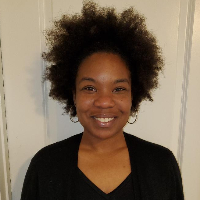
North Carolina · 15 yrs exp
Licensed Clinical Social Worker - Trauma and Relationships
LGBT · Relationship · Family · Parenting · +7 more
Read profile
Florida · 16 yrs exp
Dr. Amary Alcide - LCSW, stress and relationships
Stress, Anxiety · Relationship · Parenting · Self esteem · +8 more
Read profile
New York · 8 yrs exp
Licensed Clinical Social Worker - anxiety and trauma
Stress, Anxiety · Addictions · Relationship · Trauma and abuse · +12 more
Read profile
Illinois · 12 yrs exp
Licensed clinical social worker - mood and coping support
Stress, Anxiety · Trauma and abuse · Bipolar · Depression · +12 more
Read profile
Florida · 16 yrs exp
Licensed clinical social worker - stress and trauma
Stress, Anxiety · Trauma and abuse · Grief · Self esteem · +10 more
Read profile
Florida · 13 yrs exp
Licensed Clinical Social Worker - Stress and Relationships
Stress, Anxiety · Relationship · Trauma and abuse · Self esteem · +4 more
Read profile
Utah · 23 yrs exp
Licensed Clinical Social Worker - Stress and Anxiety
Stress, Anxiety · Anger · Self esteem · Career · +1 more
Read profile
Montana · 6 yrs exp
Licensed Clinical Social Worker - Depression and Anxiety
Depression · Coping with life changes · Compassion fatigue · Stress, Anxiety · +9 more
Read profile
Texas · 29 yrs exp
Licensed Clinical Social Worker - relationships and trauma
Stress, Anxiety · Relationship · Trauma and abuse · Grief · +10 more
Read profile
North Carolina · 24 yrs exp
Licensed clinical social worker - Trauma and life stress
Stress, Anxiety · Relationship · Family · Trauma and abuse · +14 more
Read profile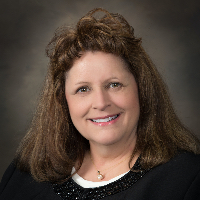
Louisiana · 28 yrs exp
Licensed Clinical Social Worker - Stress and Grief
Stress, Anxiety · Grief · Self esteem · Career · +12 more
Read profilePanic attacks are sudden episodes of intense fear or discomfort that can peak within minutes and include a mixture of physical sensations and thoughts. People often describe racing heart, shortness of breath, trembling, dizziness, or a sense of detachment from reality. When these episodes occur repeatedly and are paired with ongoing worry about more attacks or significant changes in behavior to avoid them, clinicians may use the term panic disorder. You might notice that attacks appear to come out of the blue, or that they are triggered by specific situations, sensations, or thoughts. Panic can affect daily routines, work performance, relationships, and your sense of safety in everyday places.
Panic experiences do not happen in isolation. Social workers trained at the clinical level bring a person-in-environment lens, meaning they look at how housing, work stress, family responsibilities, financial pressures, and community factors interact with the symptoms you are experiencing. That perspective can be especially useful when panic symptoms are entangled with life stressors such as shift work, caregiving roles, transportation challenges, or isolation. Recognizing those connections can shape practical strategies as well as symptom-focused work.
You may consider seeking an LCSW if panic attacks are frequent enough to interfere with things you value, such as your ability to leave home, perform at work, maintain relationships, or participate in social activities. If you find yourself avoiding places or situations for fear of an attack, or if you spend a lot of time worrying about when an attack might happen, those are common reasons people look for clinical help. You might also turn to an LCSW if panic symptoms accompany significant life changes, such as a move, job loss, or bereavement, because a social work perspective can address both symptoms and the life circumstances that contribute to stress.
Another sign that therapy could help is if you have tried self-help strategies but the panic persists or worsens. If physical symptoms lead you to frequent medical visits without relief, collaborating with an LCSW can complement medical care by focusing on patterns of thinking, avoidance behaviors, and coping skills. It is reasonable to seek support when panic limits your choices, increases dependence on others, or creates intense anxiety around otherwise manageable situations.
When you begin working with an LCSW, the early sessions typically involve a thorough clinical assessment that explores the history of panic symptoms, current stressors, medical background, and your goals for care. An LCSW will ask about how symptoms affect your home life, work, relationships, and daily routines in order to develop a plan that connects symptom relief with practical changes in your environment. Goal-setting is collaborative; you and the clinician will prioritize what matters most to you, whether that is reducing attack frequency, improving functioning at work, or regaining confidence in public settings.
Ongoing sessions usually blend skill-building and problem-solving. You can expect work on identifying thoughts and behaviors that maintain panic, practicing breathing and grounding strategies to manage intense moments, and rehearsing gradual approaches to situations you may be avoiding. Progress is often incremental. An LCSW may help you monitor symptoms, refine coping tools, and adjust strategies as your life context changes. Because social workers consider environment and systems, sessions often include attention to resources - such as workplace accommodations, community supports, or linkages to medical care - that can reduce stressors that aggravate panic.
Licensed clinical social workers frequently combine clinically oriented interventions with an emphasis on context. You will find clinicians who list cognitive behavioral therapy (CBT) among their approaches, which focuses on recognizing patterns of thought and behavior that feed panic and on practicing alternative responses. Some LCSWs list exposure-based practices, which involve gradual, supervised exercises to reduce fear of bodily sensations or feared situations. Others highlight skills-based work that targets relaxation, breathing regulation, and tolerating uncomfortable sensations.
Because social work training emphasizes the whole person in relation to their environment, many LCSWs also list approaches that address stressors outside the therapy room - for example, case management, advocacy, or assistance in navigating community resources. You may encounter clinicians who emphasize culturally responsive practice, trauma-informed care, or approaches tailored to specific life stages. When reviewing listings, note which clinicians mention relevant focus areas or populations, and pay attention to languages and experience that match your needs. Remember that a listing indicates the clinician includes that approach in their practice profile; it does not mean the directory verifies specific certifications or training beyond the credential of LCSW.
Online sessions with a licensed clinical social worker can be conducted by video or phone and are often used by people seeking more flexible scheduling or who find in-person visits stressful. In a video session you can practice anxiety management strategies in a familiar environment, which some people find helpful when pairing exposure exercises with therapist support. Phone sessions may feel less intrusive for others, and both formats allow you to receive continuity of care when travel, caregiving responsibilities, or work hours make in-person visits challenging.
When you choose online work, consider practical factors such as whether the clinician lists experience with telehealth, the technology you prefer, and whether you have a quiet, comfortable environment where you can speak freely. Since LCSW licenses are issued by individual state boards, therapy across state lines is governed by licensing rules; clinicians typically note the states in which they are licensed. If you rely on insurance, check whether the clinician lists participation with your plan or indicates how they handle billing and paperwork. Online care can broaden your options while still allowing the person-in-environment focus that LCSWs bring to treatment planning.
Begin by clarifying what you want from therapy - symptom reduction, improved daily functioning, strategies for managing panic in specific settings, or help with related life issues. Look for LCSWs who mention panic disorder, anxiety, or related focus areas in their profiles, and compare their descriptions of approaches, populations served, and languages. Pay attention to whether they describe work with life context factors - housing, employment, family roles - if those areas matter to you, because that signals the person-in-environment orientation social work emphasizes.
Consider practical match points such as session format preferences, cultural competence, and clinical focus. If you prefer a clinician who mentions cognitive and behavioral strategies, look for profiles that list those approaches; if you want help connecting to community resources, look for mention of case management or systems-focused work. Think about the clinician's stated experience with age groups or life stages relevant to you. Finally, trust your sense of fit when you contact a clinician - the way they describe their approach and listening style can help you decide who might be a good match. Choosing a clinician is a personal decision, and taking time to review profiles with attention to both clinical methods and life-context experience can help you find an LCSW whose work aligns with your goals.
Alabama
26 therapists
Alaska
18 therapists
Arizona
94 therapists
Arkansas
58 therapists
California
696 therapists
Colorado
143 therapists
Connecticut
115 therapists
Delaware
36 therapists
District of Columbia
7 therapists
Florida
827 therapists
Georgia
164 therapists
Hawaii
37 therapists
Idaho
41 therapists
Illinois
401 therapists
Indiana
195 therapists
Iowa
9 therapists
Kansas
27 therapists
Kentucky
142 therapists
Louisiana
134 therapists
Maine
50 therapists
Maryland
22 therapists
Massachusetts
14 therapists
Michigan
38 therapists
Minnesota
13 therapists
Mississippi
68 therapists
Missouri
151 therapists
Montana
57 therapists
Nebraska
2 therapists
Nevada
56 therapists
New Hampshire
16 therapists
New Jersey
227 therapists
New Mexico
50 therapists
New York
535 therapists
North Carolina
358 therapists
North Dakota
11 therapists
Ohio
31 therapists
Oklahoma
80 therapists
Oregon
65 therapists
Pennsylvania
225 therapists
Rhode Island
3 therapists
South Carolina
35 therapists
South Dakota
2 therapists
Tennessee
95 therapists
Texas
483 therapists
Utah
89 therapists
Vermont
3 therapists
Virginia
187 therapists
Washington
16 therapists
West Virginia
5 therapists
Wisconsin
122 therapists
Wyoming
19 therapists