
Velma Jones
LCSWNew York · 29 yrs exp
Licensed Clinical Social Worker - Relationships and Mood
Stress, Anxiety · Relationship · Trauma and abuse · Depression · +10 more
Read profileTherapist listings are provided by BetterHelp. We will earn a commission at no additional cost to you if you use our links to purchase.
This page lists licensed clinical social workers (LCSWs) who focus on relationship concerns, including couples, family dynamics, and long-term partnership patterns. Browse the listings below to review each professional's background, areas of focus, approaches, and languages to find a better match for your needs.
New York · 29 yrs exp
Licensed Clinical Social Worker - Relationships and Mood
Stress, Anxiety · Relationship · Trauma and abuse · Depression · +10 more
Read profile
Florida · 14 yrs exp
Florida LCSW - Stress and Relationship Support
Stress, Anxiety · Grief · Anger · Self esteem · +12 more
Read profile
Illinois · 17 yrs exp
Licensed clinical social worker - trauma and life transitions
Trauma and abuse · Coping with life changes · Stress, Anxiety · Relationship · +9 more
Read profile
Colorado · 19 yrs exp
Licensed Clinical Social Worker - Stress and Relationships
Stress, Anxiety · Relationship · Trauma and abuse · Grief · +12 more
Read profile
Texas · 13 yrs exp
Licensed Clinical Social Worker - Stress and Relationship support
Stress, Anxiety · Relationship · Trauma and abuse · Anger · +11 more
Read profile
Hawaii · 16 yrs exp
Licensed clinical social worker - mood and stress support
Stress, Anxiety · Grief · Self esteem · Depression · +5 more
Read profile
New Jersey · 15 yrs exp
Licensed Clinical Social Worker - Stress and Family
Stress, Anxiety · Family · Trauma and abuse · Parenting · +10 more
Read profile
New York · 24 yrs exp
Licensed Clinical Social Worker - Anxiety and Depression
Stress, Anxiety · Relationship · Anger · Self esteem · +12 more
Read profile
Illinois · 20 yrs exp
Licensed Clinical Social Worker - Stress and Relationships
Stress, Anxiety · Relationship · Parenting · Self esteem · +7 more
Read profile
Missouri · 36 yrs exp
Licensed Clinical Social Worker - Mood and Trauma
Stress, Anxiety · Relationship · Trauma and abuse · Intimacy-related issues · +15 more
Read profile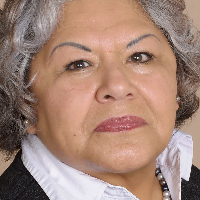
Nevada · 3 yrs exp
Licensed clinical social worker - anxiety and relationships
Stress, Anxiety · Relationship · Family · Trauma and abuse · +11 more
Read profile
Missouri · 16 yrs exp
Licensed clinical social worker - mood and trauma support
Stress, Anxiety · Trauma and abuse · Self esteem · Bipolar · +12 more
Read profile
North Carolina · 10 yrs exp
Licensed Clinical Social Worker - Anxiety and Relationships
Stress, Anxiety · Relationship · Family · Bipolar · +16 more
Read profile
Florida · 15 yrs exp
Licensed Clinical Social Worker - Relationships and Sexuality
Relationship · Family · Intimacy-related issues · Coaching · +4 more
Read profile
New York · 35 yrs exp
Licensed Clinical Social Worker - stress and relationships
Stress, Anxiety · Self esteem · Career · ADHD · +10 more
Read profile
North Carolina · 13 yrs exp
Licensed Clinical Social Worker - Stress and Relationships
Stress, Anxiety · Relationship · Family · Self esteem · +13 more
Read profile
Florida · 11 yrs exp
Licensed Clinical Social Worker - addiction and mood concerns
Addictions · Relationship · Self esteem · Depression · +9 more
Read profile
New Jersey · 10 yrs exp
Licensed Clinical Social Worker - Anxiety and Trauma
Stress, Anxiety · Family · Trauma and abuse · Self esteem · +3 more
Read profile
California · 14 yrs exp
Licensed Clinical Social Worker - trauma and life transitions
Stress, Anxiety · Trauma and abuse · Grief · Self esteem · +8 more
Read profile
New York · 25 yrs exp
Licensed Clinical Social Worker - stress and trauma
Stress, Anxiety · Trauma and abuse · Self esteem · Depression · +7 more
Read profile
Louisiana · 16 yrs exp
Licensed Clinical Social Worker - mood and relationships
Stress, Anxiety · Relationship · Trauma and abuse · Bipolar · +16 more
Read profile
Florida · 10 yrs exp
Licensed Clinical Social Worker - stress and family concerns
Stress, Anxiety · Addictions · Family · Grief · +8 more
Read profile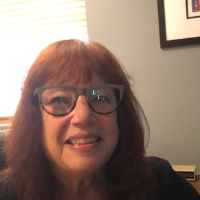
New York · 30 yrs exp
Licensed Clinical Social Worker - Relationships and Life Changes
Stress, Anxiety · Relationship · Parenting · Self esteem · +11 more
Read profile
Texas · 21 yrs exp
Licensed Clinical Social Worker - Life changes and relationships
Stress, Anxiety · Relationship · Trauma and abuse · Intimacy-related issues · +15 more
Read profile
New York · 10 yrs exp
Licensed Clinical Social Worker - Stress and Relationships
Stress, Anxiety · Relationship · Family · Grief · +12 more
Read profile
Indiana · 11 yrs exp
Licensed Clinical Social Worker - Relationships and Trauma
Stress, Anxiety · Grief · Depression · Coping with life changes · +8 more
Read profile
Florida · 22 yrs exp
Licensed Clinical Social Worker - stress and anxiety
Stress, Anxiety · Self esteem · Depression · Coping with life changes · +5 more
Read profile
Illinois · 25 yrs exp
Licensed clinical social worker - anxiety and life changes
Stress, Anxiety · Self esteem · Career · Coping with life changes · +10 more
Read profile
New Jersey · 8 yrs exp
Licensed clinical social worker - mood and trauma
Stress, Anxiety · Relationship · Trauma and abuse · Bipolar · +14 more
Read profile
Mississippi · 12 yrs exp
Licensed clinical social worker - stress and addiction
Stress, Anxiety · Addictions · Anger · Self esteem · +12 more
Read profile
Texas · 8 yrs exp
Licensed Clinical Social Worker - Stress and Relationships
Stress, Anxiety · Relationship · Self esteem · Depression · +8 more
Read profile
Tennessee · 35 yrs exp
Licensed Clinical Social Worker - Stress and Relationships
Stress, Anxiety · Grief · Self esteem · Depression · +8 more
Read profile
Georgia · 25 yrs exp
Licensed clinical social worker - mood and relationships
Stress, Anxiety · Parenting · Anger · Self esteem · +15 more
Read profile
Texas · 33 yrs exp
Licensed Clinical Social Worker - Relationships and Stress
Stress, Anxiety · Relationship · Family · Self esteem · +11 more
Read profile
Texas · 20 yrs exp
Licensed social worker - stress and addiction
Stress, Anxiety · Addictions · Family · Grief · +15 more
Read profile
Pennsylvania · 38 yrs exp
Licensed Clinical Social Worker - Stress and Addiction
Stress, Anxiety · Grief · Depression · Addictions · +7 more
Read profile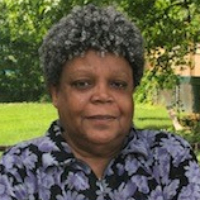
Virginia · 47 yrs exp
Licensed Clinical Social Worker - stress and relationships
Stress, Anxiety · Relationship · Grief · Self esteem · +10 more
Read profile
Colorado · 9 yrs exp
Licensed Clinical Social Worker - stress and relationships
Stress, Anxiety · Relationship · Grief · Depression · +11 more
Read profile
New York · 14 yrs exp
Licensed Clinical Social Worker - Stress and Trauma
Stress, Anxiety · Trauma and abuse · Grief · Depression · +6 more
Read profile
New Mexico · 3 yrs exp
Licensed Clinical Social Worker - Trauma and Anxiety
Stress, Anxiety · Trauma and abuse · Depression · Compassion fatigue · +9 more
Read profile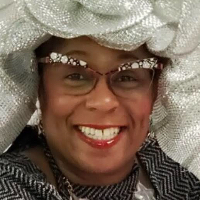
Michigan · 24 yrs exp
Licensed Clinical Social Worker - mood and addiction support
Stress, Anxiety · Addictions · Relationship · Family · +1 more
Read profile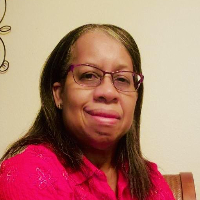
Florida · 28 yrs exp
Licensed Clinical Social Worker - Anxiety and Addictions
Addictions · Trauma and abuse · Parenting · Bipolar · +15 more
Read profile
Arkansas · 44 yrs exp
Licensed clinical social worker - stress and trauma
Stress, Anxiety · Trauma and abuse · Grief · Self esteem · +16 more
Read profile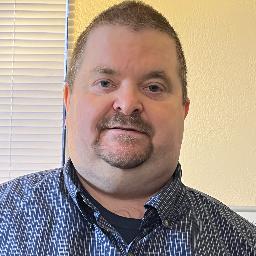
Florida · 20 yrs exp
Licensed clinical social worker - trauma and addictions
Stress, Anxiety · Addictions · Trauma and abuse · Grief · +14 more
Read profile
California · 20 yrs exp
Licensed Clinical Social Worker - Stress and Relationships
Stress, Anxiety · Relationship · Family · Parenting · +15 more
Read profile
Mississippi · 21 yrs exp
Licensed Clinical Social Worker - stress and family concerns
Stress, Anxiety · Family · Parenting · Anger · +9 more
Read profile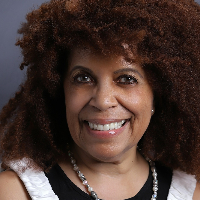
Tennessee · 15 yrs exp
Licensed Clinical Social Worker - Relationships and Stress
Stress, Anxiety · Relationship · Family · Self esteem · +9 more
Read profile
Missouri · 35 yrs exp
LCSW - Stress and trauma-focused clinician
Stress, Anxiety · Trauma and abuse · Anger · Bipolar · +13 more
Read profile
New York · 15 yrs exp
Licensed Clinical Social Worker - Relationships and Addictions
Stress, Anxiety · Addictions · Relationship · Self esteem · +10 more
Read profile
North Carolina · 16 yrs exp
Licensed Clinical Social Worker - Addiction and Trauma
Stress, Anxiety · Addictions · Trauma and abuse · Anger · +13 more
Read profile
Michigan · 11 yrs exp
Licensed Clinical Social Worker - Stress and Trauma
Stress, Anxiety · Relationship · Trauma and abuse · Grief · +1 more
Read profile
Texas · 5 yrs exp
Licensed Clinical Social Worker - relationships and trauma
Stress, Anxiety · Relationship · Family · Trauma and abuse · +9 more
Read profile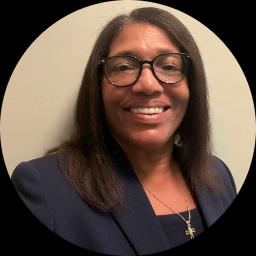
Mississippi · 36 yrs exp
Licensed Clinical Social Worker - Family and Parenting
Family · Parenting · Anger · Self esteem · +11 more
Read profile
Florida · 28 yrs exp
Licensed clinical social worker - stress and trauma
Stress, Anxiety · Addictions · Trauma and abuse · Self esteem · +13 more
Read profile
New York · 14 yrs exp
Licensed Clinical Social Worker - stress and relationships
Stress, Anxiety · Relationship · Trauma and abuse · Self esteem · +5 more
Read profile
Colorado · 15 yrs exp
Licensed clinical social worker - anxiety and life changes
Stress, Anxiety · Grief · Depression · Coping with life changes · +10 more
Read profile
North Carolina · 10 yrs exp
Licensed Clinical Social Worker - Mood and trauma concerns
Stress, Anxiety · Family · Parenting · Anger · +8 more
Read profile
Nevada · 12 yrs exp
Licensed Clinical Social Worker - stress and anxiety
Stress, Anxiety · Relationship · Anger · Self esteem · +1 more
Read profile
Wyoming · 14 yrs exp
Licensed clinical social worker - mood and relationships
Addictions · Relationship · Depression · Coping with life changes · +11 more
Read profile
Connecticut · 24 yrs exp
Licensed clinical social worker - stress and mood concerns
Stress, Anxiety · Relationship · Grief · Self esteem · +11 more
Read profileWhen people talk about relationship issues they often mean more than a single argument or a rough patch. You may be dealing with recurring patterns that shape how you communicate, cope with stress, or make decisions together. Relationship concerns can be about romantic partnerships, parent-child dynamics, blended families, or even patterns that follow you from one relationship to the next. These issues influence mood, daily routines, finances, living arrangements, and your broader sense of belonging. Because relationships intersect with many areas of life, addressing them can lead to meaningful change beyond the partnership itself.
If you choose to work with a licensed clinical social worker - an LCSW - you will be engaging someone whose training emphasizes the person-in-environment perspective. That means an LCSW looks at your interactions as part of a larger context: your housing situation, work, community supports, financial pressures, and cultural background as well as the internal experiences you bring to relationships. That broader lens can be especially useful when relationship struggles are linked to life stressors or practical barriers to change.
You might start thinking about seeking relationship-focused help when disagreements feel repetitive, when attempts to talk lead to shutting down or escalating conflict, or when trust has been damaged and you are unsure how to rebuild it. You may notice withdrawal, persistent resentment, or cycles of blame that leave one or both partners feeling unheard. Relationship strain can also show up as physical symptoms - sleep disruption, appetite changes, or chronic stress - or as difficulties in other areas, such as parenting disagreements that affect children or job performance that suffers because of ongoing conflict at home.
Sometimes the signs are subtler. You may feel lonelier inside your relationship than when you were single, or you may be thinking about major decisions - separation, a new living arrangement, or parenting plans - without feeling confident about how to proceed. An LCSW can help you and the people involved explore those turning points in a way that recognizes practical constraints, cultural expectations, and emotional needs. If everyday functioning, safety, or the welfare of children is at issue, it is reasonable to seek professional input to weigh options and supports.
When you begin sessions with an LCSW for relationship concerns, the first meetings typically involve assessment and listening. An LCSW will want to understand the history of the relationship, the patterns that have developed, and the external factors affecting your situation. You can expect questions about communication habits, conflict triggers, roles and responsibilities, and how each person experiences the problem. If children, finances, work schedules, or housing are relevant, those will be part of the conversation because they shape what change can look like in practice.
Treatment-focused sessions vary depending on whether you meet together, separately, or in a combination of both. Joint meetings are often used to practice new ways of talking, to clarify expectations, and to negotiate agreements. Individual sessions provide space to process personal reactions, past experiences that shape current behavior, and practical planning for change. An LCSW may also help you identify community resources, parenting supports, or legal and housing services when those elements affect relationship outcomes. Throughout this process you and the LCSW will set goals that feel realistic for your situation and monitor progress over time.
Because the listings on this site reflect individual practitioners, you will find therapists who list a range of approaches among their methods. Some describe work oriented toward improving communication and conflict resolution, which often includes learning how to listen, express needs without blame, and set boundaries. Other practitioners highlight approaches that explore how past experiences shape current relationship patterns, helping you understand emotional triggers and attachment styles that influence trust and intimacy.
You'll also see descriptions of methods aimed at strengthening practical skills for co-parenting, managing household responsibilities, and negotiating role changes after life events. Some LCSWs emphasize emotion-focused work that helps you identify core feelings and foster emotional responsiveness between partners. Others mention systemic perspectives that consider the family or community systems around you and the ripple effects of change. Because this site lists only the approaches therapists report, you should read those descriptions as indicators of focus areas rather than formal certification claims. Many people benefit from combining strategies - skills training, emotional processing, and practical problem solving - in a way that fits their circumstances.
Online sessions can be conducted by LCSWs via video, phone, or text-based messaging, depending on the practitioner. When you pursue relationship-focused work remotely, video meetings allow you to meet together from different locations and still observe nonverbal cues that support communication practice. Online formats can increase access when travel, work schedules, or caregiving responsibilities make in-person meetings difficult. An LCSW will discuss how sessions are structured, whether you will meet jointly, separately, or in alternating formats, and how to handle session logistics so you can focus on the therapeutic work.
Because licensure is regulated by individual state boards, rules about where an LCSW may provide remote services vary. That means licensing can influence whether a particular practitioner is able to offer services across state lines. When you consider online work for relationship concerns, think about practicalities that affect the process - whether both partners can be in a setting that allows focused conversation, how you will handle interruptions, and what technology works best for you. Online sessions also invite creative interventions, such as in-the-moment coaching during a conversation, or use of digital tools to track progress between meetings.
When you are looking for an LCSW to address relationship issues, start by clarifying what you want to change and what constraints matter most - for example, whether scheduling, language, cultural understanding, or insurance are important. Read the profiles to compare focus areas, years of clinical experience, and the approaches therapists list. If cultural competence or experience with specific family structures is important to you, look for language about those experiences in a professional's description.
Consider the mix of joint and individual work you think will help, and look for descriptions that align with that preference. Pay attention to practical details on profiles such as session length, fee structure, and whether a therapist lists experience with related concerns like parenting coordination or co-parenting negotiation. If you need services in a language other than English, search for practitioners who indicate that language. Finally, trust your sense of fit when you read a profile - the right match often depends as much on approach and perspective as on credentials. An LCSW's person-in-environment orientation can be especially helpful when you want relational work that takes life context seriously and connects emotional change with practical steps.
Relationship challenges are rarely isolated to emotions alone. They tie into daily rhythms, obligations, cultural expectations, and material realities. Working with a licensed clinical social worker can help you address the patterns inside the relationship while also attending to outside factors that shape what is possible. Use the listings below to explore practitioners who list relationship work among their focuses, read about their approaches and backgrounds, and consider logistical details that matter for your situation. Thoughtful selection of an LCSW can help you move toward clearer communication, fairer agreements, and a more sustainable way of relating.
Alabama
26 therapists
Alaska
18 therapists
Arizona
94 therapists
Arkansas
58 therapists
California
696 therapists
Colorado
143 therapists
Connecticut
115 therapists
Delaware
36 therapists
District of Columbia
7 therapists
Florida
827 therapists
Georgia
164 therapists
Hawaii
37 therapists
Idaho
41 therapists
Illinois
401 therapists
Indiana
195 therapists
Iowa
9 therapists
Kansas
27 therapists
Kentucky
142 therapists
Louisiana
134 therapists
Maine
50 therapists
Maryland
22 therapists
Massachusetts
14 therapists
Michigan
38 therapists
Minnesota
13 therapists
Mississippi
68 therapists
Missouri
151 therapists
Montana
57 therapists
Nebraska
2 therapists
Nevada
56 therapists
New Hampshire
16 therapists
New Jersey
227 therapists
New Mexico
50 therapists
New York
535 therapists
North Carolina
358 therapists
North Dakota
11 therapists
Ohio
31 therapists
Oklahoma
80 therapists
Oregon
65 therapists
Pennsylvania
225 therapists
Rhode Island
3 therapists
South Carolina
35 therapists
South Dakota
2 therapists
Tennessee
95 therapists
Texas
483 therapists
Utah
89 therapists
Vermont
3 therapists
Virginia
187 therapists
Washington
16 therapists
West Virginia
5 therapists
Wisconsin
122 therapists
Wyoming
19 therapists