
Velma Jones
LCSWNew York · 29 yrs exp
Licensed Clinical Social Worker - Relationships and Mood
Stress, Anxiety · Relationship · Trauma and abuse · Depression · +10 more
Read profileTherapist listings are provided by BetterHelp. We will earn a commission at no additional cost to you if you use our links to purchase.
This directory lists licensed clinical social workers (LCSWs) who work with money and financial issues, from budgeting stress to debt-related anxiety and money-related conflict. Browse the profiles below to compare focus areas, approaches, languages and professional experience.
New York · 29 yrs exp
Licensed Clinical Social Worker - Relationships and Mood
Stress, Anxiety · Relationship · Trauma and abuse · Depression · +10 more
Read profile
Florida · 14 yrs exp
Florida LCSW - Stress and Relationship Support
Stress, Anxiety · Grief · Anger · Self esteem · +12 more
Read profile
Colorado · 19 yrs exp
Licensed Clinical Social Worker - Stress and Relationships
Stress, Anxiety · Relationship · Trauma and abuse · Grief · +12 more
Read profile
Texas · 13 yrs exp
Licensed Clinical Social Worker - Stress and Relationship support
Stress, Anxiety · Relationship · Trauma and abuse · Anger · +11 more
Read profile
North Carolina · 10 yrs exp
Licensed Clinical Social Worker - Anxiety and Relationships
Stress, Anxiety · Relationship · Family · Bipolar · +16 more
Read profile
Florida · 15 yrs exp
Licensed Clinical Social Worker - Relationships and Sexuality
Relationship · Family · Intimacy-related issues · Coaching · +4 more
Read profile
California · 14 yrs exp
Licensed Clinical Social Worker - trauma and life transitions
Stress, Anxiety · Trauma and abuse · Grief · Self esteem · +8 more
Read profile
Indiana · 11 yrs exp
Licensed Clinical Social Worker - Relationships and Trauma
Stress, Anxiety · Grief · Depression · Coping with life changes · +8 more
Read profile
Florida · 22 yrs exp
Licensed Clinical Social Worker - stress and anxiety
Stress, Anxiety · Self esteem · Depression · Coping with life changes · +5 more
Read profile
Louisiana · 14 yrs exp
Licensed clinical social worker - Stress and trauma
Stress, Anxiety · Anger · Self esteem · Depression · +9 more
Read profile
Mississippi · 12 yrs exp
Licensed clinical social worker - stress and addiction
Stress, Anxiety · Addictions · Anger · Self esteem · +12 more
Read profile
Texas · 33 yrs exp
Licensed Clinical Social Worker - Relationships and Stress
Stress, Anxiety · Relationship · Family · Self esteem · +11 more
Read profile
Texas · 20 yrs exp
Licensed social worker - stress and addiction
Stress, Anxiety · Addictions · Family · Grief · +15 more
Read profile
New York · 14 yrs exp
Licensed Clinical Social Worker - Stress and Trauma
Stress, Anxiety · Trauma and abuse · Grief · Depression · +6 more
Read profile
Michigan · 24 yrs exp
Licensed Clinical Social Worker - mood and addiction support
Stress, Anxiety · Addictions · Relationship · Family · +1 more
Read profile
Arkansas · 44 yrs exp
Licensed clinical social worker - stress and trauma
Stress, Anxiety · Trauma and abuse · Grief · Self esteem · +16 more
Read profile
Tennessee · 15 yrs exp
Licensed Clinical Social Worker - Relationships and Stress
Stress, Anxiety · Relationship · Family · Self esteem · +9 more
Read profile
Texas · 5 yrs exp
Licensed Clinical Social Worker - relationships and trauma
Stress, Anxiety · Relationship · Family · Trauma and abuse · +9 more
Read profile
New York · 14 yrs exp
Licensed Clinical Social Worker - stress and relationships
Stress, Anxiety · Relationship · Trauma and abuse · Self esteem · +5 more
Read profile
Wyoming · 14 yrs exp
Licensed clinical social worker - mood and relationships
Addictions · Relationship · Depression · Coping with life changes · +11 more
Read profile
Connecticut · 24 yrs exp
Licensed clinical social worker - stress and mood concerns
Stress, Anxiety · Relationship · Grief · Self esteem · +11 more
Read profile
Indiana · 12 yrs exp
Licensed clinical social worker - mood and trauma
Stress, Anxiety · Trauma and abuse · Self esteem · Bipolar · +10 more
Read profile
New Jersey · 12 yrs exp
LCSW - Stress and relationship concerns
Stress, Anxiety · Relationship · Trauma and abuse · Self esteem · +1 more
Read profile
Wisconsin · 18 yrs exp
Licensed Clinical Social Worker - Relationships and Stress
Stress, Anxiety · Parenting · Self esteem · Depression · +11 more
Read profile
North Carolina · 7 yrs exp
Licensed Clinical Social Worker - Stress and Relationships
Stress, Anxiety · LGBT · Relationship · Trauma and abuse · +1 more
Read profile
Illinois · 39 yrs exp
Licensed Clinical Social Worker - stress and relationships
Stress, Anxiety · Relationship · Grief · Sleeping · +1 more
Read profile
New York · 25 yrs exp
Licensed Clinical Social Worker - Stress and Relationships
Stress, Anxiety · Relationship · Family · Trauma and abuse · +15 more
Read profile
Illinois · 3 yrs exp
Licensed Clinical Social Worker - Stress and Relationships
Stress, Anxiety · Addictions · LGBT · Relationship · +10 more
Read profile
Utah · 30 yrs exp
Licensed social worker - mood and dependency concerns
Stress, Anxiety · Trauma and abuse · Grief · Anger · +1 more
Read profile
Florida · 3 yrs exp
Licensed Clinical Social Worker - Relationships and Stress
Stress, Anxiety · Relationship · Trauma and abuse · Parenting · +11 more
Read profile
Arizona · 40 yrs exp
Licensed Clinical Social Worker - Relationships and Mood
Stress, Anxiety · LGBT · Relationship · Grief · +10 more
Read profile
Idaho · 18 yrs exp
Licensed Clinical Social Worker - Anxiety and Trauma
Stress, Anxiety · Trauma and abuse · Grief · Self esteem · +10 more
Read profile
North Carolina · 15 yrs exp
Licensed Clinical Social Worker - Trauma and Relationships
LGBT · Relationship · Family · Parenting · +7 more
Read profile
Florida · 16 yrs exp
Dr. Amary Alcide - LCSW, stress and relationships
Stress, Anxiety · Relationship · Parenting · Self esteem · +8 more
Read profile
Indiana · 35 yrs exp
Licensed clinical social worker - stress and grief
Stress, Anxiety · Grief · Self esteem · Depression · +4 more
Read profile
Tennessee · 12 yrs exp
Licensed Clinical Social Worker - Relationships and Life Change
Relationship · Grief · Intimacy-related issues · Depression · +3 more
Read profile
California · 23 yrs exp
Licensed Clinical Social Worker - Self esteem and relationships
Stress, Anxiety · Relationship · Self esteem · Depression · +8 more
Read profile
Montana · 6 yrs exp
Licensed Clinical Social Worker - Depression and Anxiety
Depression · Coping with life changes · Compassion fatigue · Stress, Anxiety · +9 more
Read profile
Georgia · 10 yrs exp
Licensed Clinical Social Worker - Stress and Relationships
Stress, Anxiety · Grief · Anger · Self esteem · +10 more
Read profile
North Carolina · 24 yrs exp
Licensed clinical social worker - Trauma and life stress
Stress, Anxiety · Relationship · Family · Trauma and abuse · +14 more
Read profile
Connecticut · 12 yrs exp
Licensed clinical social worker - life changes and mood concerns
Stress, Anxiety · Addictions · Family · Grief · +13 more
Read profile
New York · 20 yrs exp
Licensed Clinical Social Worker - stress and relationship support
Stress, Anxiety · Addictions · Relationship · Self esteem · +9 more
Read profile
Texas · 13 yrs exp
Licensed Clinical Social Worker - Stress and Relationships
Stress, Anxiety · Relationship · Anger · Self esteem · +12 more
Read profile
Florida · 20 yrs exp
Licensed Clinical Social Worker - anxiety and grief
Stress, Anxiety · Family · Grief · Career · +1 more
Read profile
Florida · 42 yrs exp
Licensed Clinical Social Worker - Relationships and Stress
Stress, Anxiety · Addictions · Relationship · Trauma and abuse · +15 more
Read profile
Colorado · 9 yrs exp
Licensed Clinical Social Worker - stress and addiction
Stress, Anxiety · Addictions · Relationship · Family · +14 more
Read profile
New York · 20 yrs exp
Licensed Clinical Social Worker - Relationships and Stress
Stress, Anxiety · Addictions · Relationship · Career · +5 more
Read profile
Georgia · 7 yrs exp
Licensed clinical social worker - stress and relationships
Stress, Anxiety · Trauma and abuse · Self esteem · Depression · +10 more
Read profile
Florida · 21 yrs exp
Licensed Clinical Social Worker - relationships and life changes
Stress, Anxiety · Relationship · Family · Eating · +16 more
Read profile
California · 30 yrs exp
Licensed Clinical Social Worker - Family and Life Concerns
Stress, Anxiety · Family · Grief · Career · +1 more
Read profile
New York · 27 yrs exp
Licensed Clinical Social Worker - stress and mood concerns
Stress, Anxiety · Family · Trauma and abuse · Bipolar · +10 more
Read profile
Wisconsin · 20 yrs exp
Licensed Clinical Social Worker - Relationships and Anxiety
Stress, Anxiety · Relationship · Trauma and abuse · Self esteem · +15 more
Read profile
Montana · 18 yrs exp
Licensed clinical social worker - mood and stress support
Stress, Anxiety · Trauma and abuse · Self esteem · Coping with life changes · +6 more
Read profile
Arizona · 11 yrs exp
Licensed Clinical Social Worker - Stress and Anxiety
Stress, Anxiety · Grief · Parenting · Self esteem · +7 more
Read profile
Florida · 18 yrs exp
Licensed Clinical Social Worker - Addiction and Mood
Stress, Anxiety · Addictions · Relationship · Trauma and abuse · +6 more
Read profile
Missouri · 44 yrs exp
Licensed clinical social worker - relationships and addiction
Relationship · Grief · Anger · Self esteem · +11 more
Read profile
California · 12 yrs exp
Licensed Clinical Social Worker - Stress and Relationships
Stress, Anxiety · Relationship · Grief · Depression · +13 more
Read profile
Florida · 25 yrs exp
Licensed clinical social worker - stress and mood
Stress, Anxiety · Grief · Sleeping · Self esteem · +15 more
Read profile
Michigan · 35 yrs exp
Licensed clinical social worker - stress and relationships
Stress, Anxiety · Addictions · LGBT · Relationship · +11 more
Read profile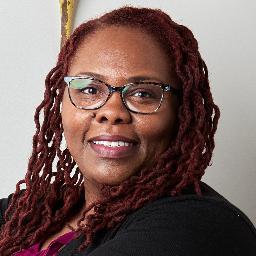
Kentucky · 14 yrs exp
Licensed clinical social worker - stress and trauma
Stress, Anxiety · Relationship · Trauma and abuse · Self esteem · +13 more
Read profileMoney and financial issues cover a wide range of concerns that touch many parts of life. For some people the strain comes from recurring anxiety about bills and budgeting. For others it can be the long tail of debt, unexpected medical expenses, job loss, or the emotional fallout of major financial decisions. Financial worries often overlap with housing stress, workplace concerns, family dynamics, and access to resources. Because these problems are entangled with living conditions, they rarely stay limited to numbers on a spreadsheet. You may notice changes in sleep, concentration, relationships or motivation when money worries are persistent. The social work lens used by LCSWs looks beyond individual symptoms to the full context - how work, family, community and systems such as benefits, credit, and employment intersect with your internal experience. That person-in-environment perspective is especially useful when practical supports and emotional coping need to be addressed together.
Deciding to seek help can feel like a big step. Common signs that someone might benefit from working with an LCSW on money and financial matters include recurrent worry that interferes with daily functioning, avoidance of financial tasks, frequent arguments about money with a partner or family members, or difficulty making decisions because of fear around resources. You might also find financial stress showing up as physical symptoms - headaches, sleep disruption, or appetite changes - or as worsened mental health symptoms such as depression or panic. Another sign is when financial problems feel insurmountable because of systemic barriers: limited access to affordable housing, inconsistent work schedules, caregiving responsibilities, or difficulties navigating public benefits. An LCSW can help you clarify which elements are practical and which are emotional, so you can address budgeting and paperwork alongside relationships and coping strategies.
When you meet with an LCSW about financial concerns, sessions typically blend practical problem solving with attention to feelings and patterns. Early meetings often focus on learning about your circumstances - income, debts, household responsibilities, work history and the systems that affect you. The conversation will likely include your financial goals and the short-term challenges standing in the way. Expect a collaborative process where you and the LCSW identify small, manageable steps as well as longer-term strategies. Sessions may examine how money relates to identity, values, and relationships, exploring beliefs about worth, safety, and control that influence behavior. You may also work on communication skills for conversations about money with partners or family members, and on stress-management techniques to reduce anxiety that blocks practical action. If paperwork, referrals, or community resources are relevant, an LCSW can help you navigate those systems and connect you to supports that match your needs. The focus is on improving functioning and well-being by addressing both external circumstances and internal responses.
LCSWs bring a range of therapeutic orientations to money-related work, and listings often indicate which approaches a clinician uses. You may find therapists who list cognitive-behavioral approaches among their methods, which can help you identify and shift unhelpful thoughts and habits around spending or avoidance. Others may list emotion-focused or psychodynamic approaches to explore how money relates to early experiences, shame, or family roles. Some LCSWs emphasize strengths-based, solution-focused work that centers practical planning, goal-setting and resource linkage. Because social work training emphasizes context, many LCSWs incorporate assessment of environmental and systems-level factors into their practice, helping you understand benefits eligibility, tenant rights, employer resources, or community programs as part of a therapeutic plan. If relational patterns are involved, you may work on communication strategies and boundary setting to reduce conflict and create shared expectations. When looking at directories, keep in mind that a clinician’s profile may list several approaches - that means these are among the ways they report working, not a guarantee of specific certification or a single method. You can look for clinicians who list the approaches that resonate with your preferences and the kinds of change you want to make.
Online sessions with a licensed clinical social worker can make it easier to access support from more locations and to fit appointments into a busy life. In remote sessions you can work through paperwork together, review documents on screen, and role-play difficult conversations about money with a partner. Telehealth allows an LCSW to meet you where you are living and to discuss housing, employment, and benefits in the context of your actual environment. If distance or mobility is a concern for you, online sessions can reduce travel time and broaden the pool of clinicians whose experience aligns with your needs. Keep in mind that licensing is governed by state boards, so a therapist’s scope of practice and the rules for online work can vary by state. Profiles in this directory indicate clinicians who hold an LCSW, and their listings typically show languages, focus areas and the approaches they report using. When planning online work, think about how you will create a comfortable setting for your sessions, manage document sharing and privacy in your own space, and coordinate referrals to local resources when in-person help is necessary. An LCSW’s person-in-environment perspective can be particularly useful in online work because it centers the concrete systems and supports that shape your financial situation.
Picking a therapist for money-related work is a personal decision that balances professional credentials, focus areas and fit. Start by looking for clinicians who explicitly list money, debt, financial stress or related focus areas in their profiles, and note whether they mention working with issues similar to yours - for example, money and relationships, financial trauma, or employment-related stress. Pay attention to languages offered and cultural or socioeconomic areas of experience, since how money is experienced and talked about varies across communities. Review the approaches that clinicians list and consider whether you prefer practical planning, exploration of emotional patterns, or a mix of both. Because this site lists LCSWs, you can also rely on the credential information: an LCSW has completed a master’s degree in social work, a state-set period of supervised post-graduate clinical experience - commonly around two to three years and several thousand hours - and passed a clinical licensing examination, with licensure issued and renewed by a state board. When you compare profiles, think about the kinds of skills and supports you want from a clinician: help navigating systems, assistance with goal-oriented budgeting, interpersonal coaching, or deeper work on money-related beliefs. Consider whether you prefer in-person, online, or a flexible combination, and look for clinicians who indicate relevant experience and languages that match your preferences. If you have specific needs around benefits, housing, or legal intersections, seek an LCSW who lists systems navigation or community resource coordination among their focus areas, since social work training commonly includes those competencies. Choosing someone who aligns with both your practical and emotional priorities will help you build momentum toward more manageable finances and less distress.
Take time to read profiles, consider which focus areas matter most for your situation, and prepare a short list of questions you want to ask a clinician about their experience with money-related concerns. Comparing focus areas, approaches, languages and professional experience will help you find an LCSW whose style and background fit the financial challenges you want to address. With a clinician who understands both the practical systems and the emotional dimensions of money, you can begin to make tangible steps toward more stability and clarity.
Alabama
26 therapists
Alaska
18 therapists
Arizona
94 therapists
Arkansas
58 therapists
California
696 therapists
Colorado
143 therapists
Connecticut
115 therapists
Delaware
36 therapists
District of Columbia
7 therapists
Florida
827 therapists
Georgia
164 therapists
Hawaii
37 therapists
Idaho
41 therapists
Illinois
401 therapists
Indiana
195 therapists
Iowa
9 therapists
Kansas
27 therapists
Kentucky
142 therapists
Louisiana
134 therapists
Maine
50 therapists
Maryland
22 therapists
Massachusetts
14 therapists
Michigan
38 therapists
Minnesota
13 therapists
Mississippi
68 therapists
Missouri
151 therapists
Montana
57 therapists
Nebraska
2 therapists
Nevada
56 therapists
New Hampshire
16 therapists
New Jersey
227 therapists
New Mexico
50 therapists
New York
535 therapists
North Carolina
358 therapists
North Dakota
11 therapists
Ohio
31 therapists
Oklahoma
80 therapists
Oregon
65 therapists
Pennsylvania
225 therapists
Rhode Island
3 therapists
South Carolina
35 therapists
South Dakota
2 therapists
Tennessee
95 therapists
Texas
483 therapists
Utah
89 therapists
Vermont
3 therapists
Virginia
187 therapists
Washington
16 therapists
West Virginia
5 therapists
Wisconsin
122 therapists
Wyoming
19 therapists