
Velma Jones
LCSWNew York · 29 yrs exp
Licensed Clinical Social Worker - Relationships and Mood
Stress, Anxiety · Relationship · Trauma and abuse · Depression · +10 more
Read profileTherapist listings are provided by BetterHelp. We will earn a commission at no additional cost to you if you use our links to purchase.
Browse profiles of licensed clinical social workers (LCSWs) who list midlife crisis among their focus areas. Use the listings below to explore credentials, approaches, languages, and areas of experience that may match your needs.
New York · 29 yrs exp
Licensed Clinical Social Worker - Relationships and Mood
Stress, Anxiety · Relationship · Trauma and abuse · Depression · +10 more
Read profile
Colorado · 19 yrs exp
Licensed Clinical Social Worker - Stress and Relationships
Stress, Anxiety · Relationship · Trauma and abuse · Grief · +12 more
Read profile
Texas · 13 yrs exp
Licensed Clinical Social Worker - Stress and Relationship support
Stress, Anxiety · Relationship · Trauma and abuse · Anger · +11 more
Read profile
Missouri · 36 yrs exp
Licensed Clinical Social Worker - Mood and Trauma
Stress, Anxiety · Relationship · Trauma and abuse · Intimacy-related issues · +15 more
Read profile
Missouri · 16 yrs exp
Licensed clinical social worker - mood and trauma support
Stress, Anxiety · Trauma and abuse · Self esteem · Bipolar · +12 more
Read profile
North Carolina · 10 yrs exp
Licensed Clinical Social Worker - Anxiety and Relationships
Stress, Anxiety · Relationship · Family · Bipolar · +16 more
Read profile
California · 14 yrs exp
Licensed Clinical Social Worker - trauma and life transitions
Stress, Anxiety · Trauma and abuse · Grief · Self esteem · +8 more
Read profile
Louisiana · 16 yrs exp
Licensed Clinical Social Worker - mood and relationships
Stress, Anxiety · Relationship · Trauma and abuse · Bipolar · +16 more
Read profile
Florida · 10 yrs exp
Licensed Clinical Social Worker - stress and family concerns
Stress, Anxiety · Addictions · Family · Grief · +8 more
Read profile
New York · 30 yrs exp
Licensed Clinical Social Worker - Relationships and Life Changes
Stress, Anxiety · Relationship · Parenting · Self esteem · +11 more
Read profile
Texas · 21 yrs exp
Licensed Clinical Social Worker - Life changes and relationships
Stress, Anxiety · Relationship · Trauma and abuse · Intimacy-related issues · +15 more
Read profile
Tennessee · 35 yrs exp
Licensed Clinical Social Worker - Stress and Relationships
Stress, Anxiety · Grief · Self esteem · Depression · +8 more
Read profile
Georgia · 25 yrs exp
Licensed clinical social worker - mood and relationships
Stress, Anxiety · Parenting · Anger · Self esteem · +15 more
Read profile
Texas · 33 yrs exp
Licensed Clinical Social Worker - Relationships and Stress
Stress, Anxiety · Relationship · Family · Self esteem · +11 more
Read profile
Texas · 20 yrs exp
Licensed social worker - stress and addiction
Stress, Anxiety · Addictions · Family · Grief · +15 more
Read profile
Colorado · 9 yrs exp
Licensed Clinical Social Worker - stress and relationships
Stress, Anxiety · Relationship · Grief · Depression · +11 more
Read profile
New York · 14 yrs exp
Licensed Clinical Social Worker - Stress and Trauma
Stress, Anxiety · Trauma and abuse · Grief · Depression · +6 more
Read profile
Michigan · 24 yrs exp
Licensed Clinical Social Worker - mood and addiction support
Stress, Anxiety · Addictions · Relationship · Family · +1 more
Read profile
Tennessee · 15 yrs exp
Licensed Clinical Social Worker - Relationships and Stress
Stress, Anxiety · Relationship · Family · Self esteem · +9 more
Read profile
New York · 15 yrs exp
Licensed Clinical Social Worker - Relationships and Addictions
Stress, Anxiety · Addictions · Relationship · Self esteem · +10 more
Read profile
Texas · 5 yrs exp
Licensed Clinical Social Worker - relationships and trauma
Stress, Anxiety · Relationship · Family · Trauma and abuse · +9 more
Read profile
Mississippi · 36 yrs exp
Licensed Clinical Social Worker - Family and Parenting
Family · Parenting · Anger · Self esteem · +11 more
Read profile
Florida · 28 yrs exp
Licensed clinical social worker - stress and trauma
Stress, Anxiety · Addictions · Trauma and abuse · Self esteem · +13 more
Read profile
Colorado · 15 yrs exp
Licensed clinical social worker - anxiety and life changes
Stress, Anxiety · Grief · Depression · Coping with life changes · +10 more
Read profile
Wyoming · 14 yrs exp
Licensed clinical social worker - mood and relationships
Addictions · Relationship · Depression · Coping with life changes · +11 more
Read profile
New York · 25 yrs exp
Licensed Clinical Social Worker - Stress and Anxiety
Stress, Anxiety · Grief · Anger · Self esteem · +6 more
Read profile
Connecticut · 24 yrs exp
Licensed clinical social worker - stress and mood concerns
Stress, Anxiety · Relationship · Grief · Self esteem · +11 more
Read profile
Texas · 6 yrs exp
Licensed Clinical Social Worker - Trauma and Relationships
Stress, Anxiety · Relationship · Trauma and abuse · Self esteem · +1 more
Read profile
Indiana · 12 yrs exp
Licensed clinical social worker - mood and trauma
Stress, Anxiety · Trauma and abuse · Self esteem · Bipolar · +10 more
Read profile
Florida · 40 yrs exp
Licensed Clinical Social Worker - Addictions and Relationships
Addictions · Relationship · Grief · Depression · +13 more
Read profile
Texas · 35 yrs exp
Licensed Clinical Social Worker - Stress and Trauma
Stress, Anxiety · Relationship · Family · Trauma and abuse · +14 more
Read profile
Illinois · 23 yrs exp
Licensed clinical social worker - mood and relationships
Stress, Anxiety · Trauma and abuse · Anger · Depression · +10 more
Read profile
Colorado · 20 yrs exp
Licensed Clinical Social Worker - Stress and Trauma
Stress, Anxiety · Trauma and abuse · Grief · Depression · +15 more
Read profile
Kentucky · 8 yrs exp
Licensed Clinical Social Worker - Stress and Relationships
Stress, Anxiety · Relationship · Family · Trauma and abuse · +5 more
Read profile
Florida · 20 yrs exp
Licensed Clinical Social Worker - Stress and Trauma
Stress, Anxiety · Trauma and abuse · Grief · Career · +15 more
Read profile
New York · 25 yrs exp
Licensed Clinical Social Worker - Stress and Relationships
Stress, Anxiety · Relationship · Family · Trauma and abuse · +15 more
Read profile
Virginia · 4 yrs exp
Licensed Clinical Social Worker - Stress and Life Change
Stress, Anxiety · Grief · Anger · Self esteem · +10 more
Read profile
Kentucky · 15 yrs exp
Licensed Clinical Social Worker - relationships and mood
Stress, Anxiety · Relationship · Parenting · Anger · +13 more
Read profile
Florida · 20 yrs exp
Licensed Clinical Social Worker - Relationships and Stress
Stress, Anxiety · Relationship · Family · Trauma and abuse · +16 more
Read profile
Utah · 30 yrs exp
Licensed social worker - mood and dependency concerns
Stress, Anxiety · Trauma and abuse · Grief · Anger · +1 more
Read profile
Florida · 19 yrs exp
Licensed Clinical Social Worker - Stress and Trauma
Stress, Anxiety · Trauma and abuse · Grief · Depression · +9 more
Read profile
Indiana · 33 yrs exp
Licensed clinical social worker - mood and relationships
Stress, Anxiety · Parenting · Anger · Depression · +13 more
Read profile
Connecticut · 16 yrs exp
Licensed clinical social worker - Stress and relationships
Stress, Anxiety · Addictions · Family · Anger · +14 more
Read profile
Florida · 3 yrs exp
Licensed Clinical Social Worker - Relationships and Stress
Stress, Anxiety · Relationship · Trauma and abuse · Parenting · +11 more
Read profile
Arizona · 40 yrs exp
Licensed Clinical Social Worker - Relationships and Mood
Stress, Anxiety · LGBT · Relationship · Grief · +10 more
Read profile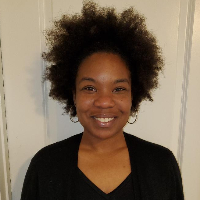
North Carolina · 15 yrs exp
Licensed Clinical Social Worker - Trauma and Relationships
LGBT · Relationship · Family · Parenting · +7 more
Read profile
Florida · 16 yrs exp
Dr. Amary Alcide - LCSW, stress and relationships
Stress, Anxiety · Relationship · Parenting · Self esteem · +8 more
Read profile
California · 23 yrs exp
Licensed Clinical Social Worker - Self esteem and relationships
Stress, Anxiety · Relationship · Self esteem · Depression · +8 more
Read profile
Florida · 16 yrs exp
Licensed clinical social worker - stress and trauma
Stress, Anxiety · Trauma and abuse · Grief · Self esteem · +10 more
Read profile
Arizona · 10 yrs exp
Licensed clinical social worker - Mood and life transitions
Stress, Anxiety · Self esteem · Bipolar · Depression · +10 more
Read profile
Utah · 23 yrs exp
Licensed Clinical Social Worker - Stress and Anxiety
Stress, Anxiety · Anger · Self esteem · Career · +1 more
Read profile
Montana · 6 yrs exp
Licensed Clinical Social Worker - Depression and Anxiety
Depression · Coping with life changes · Compassion fatigue · Stress, Anxiety · +9 more
Read profile
North Carolina · 24 yrs exp
Licensed clinical social worker - Trauma and life stress
Stress, Anxiety · Relationship · Family · Trauma and abuse · +14 more
Read profile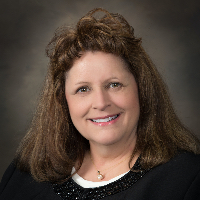
Louisiana · 28 yrs exp
Licensed Clinical Social Worker - Stress and Grief
Stress, Anxiety · Grief · Self esteem · Career · +12 more
Read profile
Connecticut · 12 yrs exp
Licensed clinical social worker - life changes and mood concerns
Stress, Anxiety · Addictions · Family · Grief · +13 more
Read profile
Virginia · 40 yrs exp
Licensed Clinical Social Worker - stress and addiction focus
Stress, Anxiety · Addictions · Trauma and abuse · Grief · +16 more
Read profile
Illinois · 11 yrs exp
Licensed Clinical Social Worker - Stress and Trauma
Stress, Anxiety · Trauma and abuse · Grief · Self esteem · +4 more
Read profile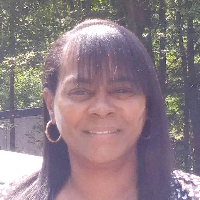
New York · 20 yrs exp
Licensed Clinical Social Worker - stress and relationship support
Stress, Anxiety · Addictions · Relationship · Self esteem · +9 more
Read profile
Texas · 13 yrs exp
Licensed Clinical Social Worker - Stress and Relationships
Stress, Anxiety · Relationship · Anger · Self esteem · +12 more
Read profile
Mississippi · 51 yrs exp
Dr. Ricardo Gillispie LCSW - Stress and Relationship work
Stress, Anxiety · Relationship · Self esteem · Depression · +15 more
Read profileWhen you think of a midlife crisis you may imagine dramatic choices or sudden restlessness, but the experience often looks different in day to day life. For many people it is a period of questioning and adjustment - a shift in how you view your relationships, work, health, or purpose. It can be triggered by events such as aging, relationship changes, adult children leaving home, health concerns, or career shifts, and it can also arise more gradually as you reflect on unmet expectations and emerging priorities. The emotional palette can include anxiety, sadness, irritability, boredom, and a sense that things need to change. You might find yourself reassessing goals or feeling uncertain about the next decade.
Licensed clinical social workers who list midlife crisis among their focus areas bring a perspective that looks beyond symptoms to the context of your life. Social work training emphasizes the person-in-environment view, which means social workers pay attention to housing, work, family, finances, community connections, and access to services along with your inner experience. That broader lens can help uncover practical barriers and supports that shape how you feel and what changes might be realistic for you.
You may consider seeking support if your thoughts or behaviors are interfering with daily functioning or if you feel stuck in a pattern you cannot shift on your own. Common signs include persistent low mood or anxiety that seems linked to life changes, repeated impulsive decisions or increased risk taking, withdrawal from relationships, difficulty making major decisions, and changes in sleep, appetite, or concentration that do not resolve. You might notice mounting stress around work or parenting responsibilities or a growing sense of purposelessness that undermines motivation.
An LCSW can help you explore these experiences in context. Because social work training includes attention to social determinants - the practical elements of your circumstances such as finances, housing, and community supports - an LCSW may help you identify external stressors that contribute to emotional strain and suggest problem-focused steps as well as coping strategies. They also work with emotional patterns and interpersonal issues that often come up in midlife, so you can address both the inner experience and the environmental pressures that influence it.
When you begin meeting with a licensed clinical social worker for midlife concerns you can expect a collaborative process that starts with understanding what brought you in and what you hope to change. Initial meetings typically include a review of history, current stressors, relationships, work life, and any practical issues that affect your well-being. Together you and the LCSW will set goals that reflect your priorities - those goals might include reducing anxiety, clarifying career decisions, improving communication with a partner, or building routines that support mental and physical health.
Sessions often blend emotional exploration with practical problem solving. You might spend time reflecting on values, life stories, and patterns that shape your choices while also developing concrete plans for career transitions, boundary setting, or daily routines. An LCSW can offer resources related to community services, family systems, or financial stressors when those factors matter. The pace and focus are tailored to you; some people want short-term support to navigate a specific decision while others seek longer-term work to reorient their sense of meaning and direction.
Licensed clinical social workers take a range of clinical approaches, and many list multiple modalities among their practice methods. You will find therapists who list cognitive-behavioral approaches that emphasize changing unhelpful thinking and behavior patterns, psychodynamic perspectives that explore long-standing themes and relational patterns, narrative approaches that help you rewrite life stories, and emotion-focused work that attends to feeling states. Some LCSWs list acceptance and mindfulness-informed methods that support living with uncertainty, and others include family or couples approaches when relationship dynamics are central to the midlife experience.
It is important to note that this directory records the approaches a therapist lists; it does not verify training or certification in a specific method. What matters for midlife work is how an LCSW integrates exploration of your inner life with attention to real-world circumstances. Because social work emphasizes the person-in-environment orientation, you are likely to encounter an emphasis on practical supports alongside emotional and narrative work, which can be especially useful when life transitions involve tangible changes in housing, employment, caregiving, or finances.
Online sessions with a licensed clinical social worker function similarly to in-person meetings in many ways, with some logistical differences. You and the LCSW agree on a platform for video or phone meetings and a rhythm for sessions. The format can make it easier to fit sessions into busy schedules, reduce commuting time, and allow you to meet from a familiar setting. For midlife concerns, online work can support continuity when life obligations are complex, such as caregiving or travel between households. You should expect clear discussion about session length, fees, and how to handle urgent concerns, along with guidance on what to do between sessions if issues arise.
When you evaluate profiles, focus on elements that speak to fit rather than making assumptions about outcomes. Look for LCSWs who list midlife crisis or life transitions among their focus areas and who describe approaches that resonate with you. Consider their experience with relevant populations, such as people navigating career change, relationship transitions, caregiving, or health-related adjustments. Language offerings, cultural competency statements, and notes about population focus can help you match on identity and values. Also pay attention to practical aspects like session format - whether they offer video, phone, or in-person options - and any information about typical session length or the kinds of goals they work on.
Comparing approach descriptions, years of post-licensure clinical experience, and areas of additional interest can help you narrow choices. The decision to work with an LCSW is a personal one, and many people find it helpful to read several profiles to get a sense of who speaks to them. The listings below are a place to gather that information so you can choose someone whose stated focus and description align with your needs and preferences.
Working through midlife questions often involves both emotional processing and practical change. A licensed clinical social worker can help you explore meaning, manage stress, and take realistic steps toward a life that fits your current priorities. Use the profiles below to learn more about the LCSWs listed and how they describe their work with people navigating midlife transitions.
Alabama
26 therapists
Alaska
18 therapists
Arizona
94 therapists
Arkansas
58 therapists
California
696 therapists
Colorado
143 therapists
Connecticut
115 therapists
Delaware
36 therapists
District of Columbia
7 therapists
Florida
827 therapists
Georgia
164 therapists
Hawaii
37 therapists
Idaho
41 therapists
Illinois
401 therapists
Indiana
195 therapists
Iowa
9 therapists
Kansas
27 therapists
Kentucky
142 therapists
Louisiana
134 therapists
Maine
50 therapists
Maryland
22 therapists
Massachusetts
14 therapists
Michigan
38 therapists
Minnesota
13 therapists
Mississippi
68 therapists
Missouri
151 therapists
Montana
57 therapists
Nebraska
2 therapists
Nevada
56 therapists
New Hampshire
16 therapists
New Jersey
227 therapists
New Mexico
50 therapists
New York
535 therapists
North Carolina
358 therapists
North Dakota
11 therapists
Ohio
31 therapists
Oklahoma
80 therapists
Oregon
65 therapists
Pennsylvania
225 therapists
Rhode Island
3 therapists
South Carolina
35 therapists
South Dakota
2 therapists
Tennessee
95 therapists
Texas
483 therapists
Utah
89 therapists
Vermont
3 therapists
Virginia
187 therapists
Washington
16 therapists
West Virginia
5 therapists
Wisconsin
122 therapists
Wyoming
19 therapists