
Marsha Oxamendi
LCSWFlorida · 14 yrs exp
Florida LCSW - Stress and Relationship Support
Stress, Anxiety · Grief · Anger · Self esteem · +12 more
Read profileTherapist listings are provided by BetterHelp. We will earn a commission at no additional cost to you if you use our links to purchase.
Find licensed clinical social workers (LCSWs) who list compassion fatigue as a focus area and review their profiles below. Browse listings to compare focus areas, treatment approaches, languages, and relevant experience.
Florida · 14 yrs exp
Florida LCSW - Stress and Relationship Support
Stress, Anxiety · Grief · Anger · Self esteem · +12 more
Read profile
Illinois · 17 yrs exp
Licensed clinical social worker - trauma and life transitions
Trauma and abuse · Coping with life changes · Stress, Anxiety · Relationship · +9 more
Read profile
Texas · 13 yrs exp
Licensed Clinical Social Worker - Stress and Relationship support
Stress, Anxiety · Relationship · Trauma and abuse · Anger · +11 more
Read profile
Illinois · 20 yrs exp
Licensed Clinical Social Worker - Stress and Relationships
Stress, Anxiety · Relationship · Parenting · Self esteem · +7 more
Read profile
Missouri · 36 yrs exp
Licensed Clinical Social Worker - Mood and Trauma
Stress, Anxiety · Relationship · Trauma and abuse · Intimacy-related issues · +15 more
Read profile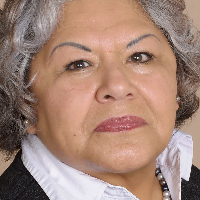
Nevada · 3 yrs exp
Licensed clinical social worker - anxiety and relationships
Stress, Anxiety · Relationship · Family · Trauma and abuse · +11 more
Read profile
Missouri · 16 yrs exp
Licensed clinical social worker - mood and trauma support
Stress, Anxiety · Trauma and abuse · Self esteem · Bipolar · +12 more
Read profile
North Carolina · 10 yrs exp
Licensed Clinical Social Worker - Anxiety and Relationships
Stress, Anxiety · Relationship · Family · Bipolar · +16 more
Read profile
New York · 35 yrs exp
Licensed Clinical Social Worker - stress and relationships
Stress, Anxiety · Self esteem · Career · ADHD · +10 more
Read profile
North Carolina · 13 yrs exp
Licensed Clinical Social Worker - Stress and Relationships
Stress, Anxiety · Relationship · Family · Self esteem · +13 more
Read profile
California · 14 yrs exp
Licensed Clinical Social Worker - trauma and life transitions
Stress, Anxiety · Trauma and abuse · Grief · Self esteem · +8 more
Read profile
New York · 25 yrs exp
Licensed Clinical Social Worker - stress and trauma
Stress, Anxiety · Trauma and abuse · Self esteem · Depression · +7 more
Read profile
Louisiana · 16 yrs exp
Licensed Clinical Social Worker - mood and relationships
Stress, Anxiety · Relationship · Trauma and abuse · Bipolar · +16 more
Read profile
Texas · 21 yrs exp
Licensed Clinical Social Worker - Life changes and relationships
Stress, Anxiety · Relationship · Trauma and abuse · Intimacy-related issues · +15 more
Read profile
New Jersey · 8 yrs exp
Licensed clinical social worker - mood and trauma
Stress, Anxiety · Relationship · Trauma and abuse · Bipolar · +14 more
Read profile
Louisiana · 14 yrs exp
Licensed clinical social worker - Stress and trauma
Stress, Anxiety · Anger · Self esteem · Depression · +9 more
Read profile
Texas · 8 yrs exp
Licensed Clinical Social Worker - Stress and Relationships
Stress, Anxiety · Relationship · Self esteem · Depression · +8 more
Read profile
Tennessee · 35 yrs exp
Licensed Clinical Social Worker - Stress and Relationships
Stress, Anxiety · Grief · Self esteem · Depression · +8 more
Read profile
Georgia · 25 yrs exp
Licensed clinical social worker - mood and relationships
Stress, Anxiety · Parenting · Anger · Self esteem · +15 more
Read profile
Texas · 33 yrs exp
Licensed Clinical Social Worker - Relationships and Stress
Stress, Anxiety · Relationship · Family · Self esteem · +11 more
Read profile
Texas · 20 yrs exp
Licensed social worker - stress and addiction
Stress, Anxiety · Addictions · Family · Grief · +15 more
Read profile
Pennsylvania · 38 yrs exp
Licensed Clinical Social Worker - Stress and Addiction
Stress, Anxiety · Grief · Depression · Addictions · +7 more
Read profile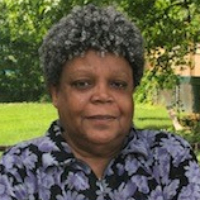
Virginia · 47 yrs exp
Licensed Clinical Social Worker - stress and relationships
Stress, Anxiety · Relationship · Grief · Self esteem · +10 more
Read profile
New Mexico · 3 yrs exp
Licensed Clinical Social Worker - Trauma and Anxiety
Stress, Anxiety · Trauma and abuse · Depression · Compassion fatigue · +9 more
Read profile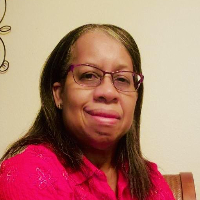
Florida · 28 yrs exp
Licensed Clinical Social Worker - Anxiety and Addictions
Addictions · Trauma and abuse · Parenting · Bipolar · +15 more
Read profile
Arkansas · 44 yrs exp
Licensed clinical social worker - stress and trauma
Stress, Anxiety · Trauma and abuse · Grief · Self esteem · +16 more
Read profile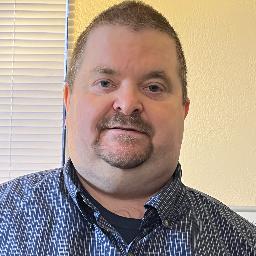
Florida · 20 yrs exp
Licensed clinical social worker - trauma and addictions
Stress, Anxiety · Addictions · Trauma and abuse · Grief · +14 more
Read profile
California · 20 yrs exp
Licensed Clinical Social Worker - Stress and Relationships
Stress, Anxiety · Relationship · Family · Parenting · +15 more
Read profile
North Carolina · 16 yrs exp
Licensed Clinical Social Worker - Addiction and Trauma
Stress, Anxiety · Addictions · Trauma and abuse · Anger · +13 more
Read profile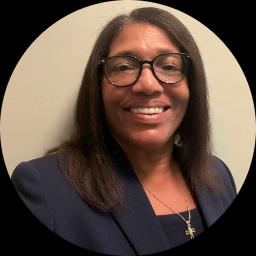
Mississippi · 36 yrs exp
Licensed Clinical Social Worker - Family and Parenting
Family · Parenting · Anger · Self esteem · +11 more
Read profile
Florida · 28 yrs exp
Licensed clinical social worker - stress and trauma
Stress, Anxiety · Addictions · Trauma and abuse · Self esteem · +13 more
Read profile
Wyoming · 14 yrs exp
Licensed clinical social worker - mood and relationships
Addictions · Relationship · Depression · Coping with life changes · +11 more
Read profile
New York · 25 yrs exp
Licensed Clinical Social Worker - Stress and Anxiety
Stress, Anxiety · Grief · Anger · Self esteem · +6 more
Read profile
Connecticut · 24 yrs exp
Licensed clinical social worker - stress and mood concerns
Stress, Anxiety · Relationship · Grief · Self esteem · +11 more
Read profile
Illinois · 10 yrs exp
Licensed Clinical Social Worker - Stress and Trauma
Stress, Anxiety · Trauma and abuse · Grief · Self esteem · +11 more
Read profile
Texas · 11 yrs exp
Licensed Clinical Social Worker - relationships and stress
Stress, Anxiety · Relationship · Trauma and abuse · Self esteem · +5 more
Read profile
Florida · 40 yrs exp
Licensed Clinical Social Worker - Addictions and Relationships
Addictions · Relationship · Grief · Depression · +13 more
Read profile
Texas · 35 yrs exp
Licensed Clinical Social Worker - Stress and Trauma
Stress, Anxiety · Relationship · Family · Trauma and abuse · +14 more
Read profile
Colorado · 20 yrs exp
Licensed Clinical Social Worker - Stress and Trauma
Stress, Anxiety · Trauma and abuse · Grief · Depression · +15 more
Read profile
Wisconsin · 18 yrs exp
Licensed Clinical Social Worker - Relationships and Stress
Stress, Anxiety · Parenting · Self esteem · Depression · +11 more
Read profile
California · 10 yrs exp
Licensed Clinical Social Worker - stress and trauma
Stress, Anxiety · Addictions · Parenting · Self esteem · +12 more
Read profile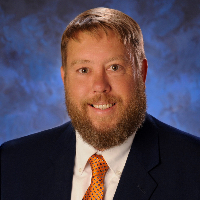
Oregon · 15 yrs exp
Licensed Clinical Social Worker - Stress and Trauma
Stress, Anxiety · Trauma and abuse · Grief · Self esteem · +15 more
Read profile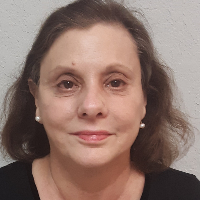
Florida · 32 yrs exp
Licensed Clinical Social Worker - Stress and Trauma
Stress, Anxiety · Trauma and abuse · Grief · Depression · +14 more
Read profile
Indiana · 25 yrs exp
Licensed Clinical Social Worker - stress and relationships
Stress, Anxiety · Relationship · Grief · Self esteem · +12 more
Read profile
Colorado · 22 yrs exp
Licensed Clinical Social Worker - adult mental health
Stress, Anxiety · Relationship · Trauma and abuse · Depression · +16 more
Read profile
Florida · 20 yrs exp
Licensed Clinical Social Worker - Stress and Trauma
Stress, Anxiety · Trauma and abuse · Grief · Career · +15 more
Read profile
New York · 25 yrs exp
Licensed Clinical Social Worker - Stress and Relationships
Stress, Anxiety · Relationship · Family · Trauma and abuse · +15 more
Read profile
Illinois · 3 yrs exp
Licensed Clinical Social Worker - Stress and Relationships
Stress, Anxiety · Addictions · LGBT · Relationship · +10 more
Read profile
Virginia · 4 yrs exp
Licensed Clinical Social Worker - Stress and Life Change
Stress, Anxiety · Grief · Anger · Self esteem · +10 more
Read profile
Florida · 20 yrs exp
Licensed Clinical Social Worker - Relationships and Stress
Stress, Anxiety · Relationship · Family · Trauma and abuse · +16 more
Read profile
Indiana · 33 yrs exp
Licensed clinical social worker - mood and relationships
Stress, Anxiety · Parenting · Anger · Depression · +13 more
Read profile
Florida · 3 yrs exp
Licensed Clinical Social Worker - Relationships and Stress
Stress, Anxiety · Relationship · Trauma and abuse · Parenting · +11 more
Read profile
Idaho · 18 yrs exp
Licensed Clinical Social Worker - Anxiety and Trauma
Stress, Anxiety · Trauma and abuse · Grief · Self esteem · +10 more
Read profile
Washington · 13 yrs exp
Licensed clinical social worker - stress and trauma
Stress, Anxiety · LGBT · Self esteem · Depression · +16 more
Read profile
Missouri · 39 yrs exp
Licensed clinical social worker - Trauma and mood concerns
Trauma and abuse · Grief · Anger · Self esteem · +9 more
Read profile
Florida · 16 yrs exp
Dr. Amary Alcide - LCSW, stress and relationships
Stress, Anxiety · Relationship · Parenting · Self esteem · +8 more
Read profile
Indiana · 35 yrs exp
Licensed clinical social worker - stress and grief
Stress, Anxiety · Grief · Self esteem · Depression · +4 more
Read profile
Illinois · 12 yrs exp
Licensed clinical social worker - mood and coping support
Stress, Anxiety · Trauma and abuse · Bipolar · Depression · +12 more
Read profile
California · 23 yrs exp
Licensed Clinical Social Worker - Self esteem and relationships
Stress, Anxiety · Relationship · Self esteem · Depression · +8 more
Read profile
Florida · 16 yrs exp
Licensed clinical social worker - stress and trauma
Stress, Anxiety · Trauma and abuse · Grief · Self esteem · +10 more
Read profileCompassion fatigue is the emotional and physical exhaustion that can come from prolonged exposure to other people’s trauma, suffering, or intense needs. It is commonly experienced by health care workers, social workers, first responders, long-term caregivers, and others whose work or personal life involves frequent contact with people in distress. Rather than being a character flaw, compassion fatigue reflects accumulated stress and diminished resources for coping. You may notice a narrowing of emotional bandwidth, reduced empathy for others, or a growing sense of futility about your efforts.
Because social work training emphasizes a person-in-environment perspective, LCSWs look at compassion fatigue not only as an internal response but also as something shaped by context. Workload, supervision, organizational culture, housing and financial pressures, family responsibilities, and access to respite all influence how compassion fatigue shows up. That broader lens helps you and an LCSW consider practical changes in your life and systems-level factors alongside emotional processing and skill building. The goal is to identify where strain is coming from and what can reasonably be changed at the individual and environmental level.
You may be thinking about therapy if you find yourself feeling emotionally numb, increasingly irritable, or unable to feel satisfaction from work or caregiving. Other common signs include intrusive images or thoughts related to the people you help, trouble sleeping, persistent fatigue despite rest, headaches or stomach problems, and a growing sense that you are "running on empty." You might notice avoiding certain tasks, dropping professional boundaries, or reacting sharply in relationships where you used to be calm. These changes can affect job performance, family life, and your ability to keep caring for others without burning out.
If daily responsibilities feel heavier than they used to and you have trouble restoring your energy with usual coping strategies, working with an LCSW can help you assess the situation and build a plan. An LCSW can help you sort what is manageable in your environment from what needs structural change, and can support development of practical skills to reduce intensity and risk of longer-term occupational harm. Seeking help does not mean you are weak; it means you are attending to the same needs you would address for someone else under stress.
An initial visit with an LCSW typically begins with a careful assessment of how compassion fatigue is affecting your thoughts, feelings, behaviors, and daily functioning. Because an LCSW’s credential requires a master’s degree, a period of supervised post-graduate clinical experience, and passage of a licensing exam administered by a state board, you can expect a clinician who is trained to consider both your internal experience and the external circumstances that shape it. That means your sessions will often explore work conditions, home stressors, support networks, and access to resources in addition to emotional symptoms.
Sessions tend to balance emotional processing with practical strategies. You can work on pacing and boundary-setting, ways to replenish energy, interpersonal communication, and problem-solving around work or caregiving demands. An LCSW may also help you create a self-care plan that fits your responsibilities, identify small changes that reduce daily strain, and, when appropriate, coordinate with other supports such as allied health providers or community services. Expect a collaborative process where goals are set together and progress is reviewed over time.
LCSWs bring a combination of clinical skills and systems-oriented thinking to compassion fatigue. On the clinical side, many therapists integrate practices that help regulate stress, shift unhelpful thinking patterns, and increase resilience. You will find LCSWs who list cognitive-behavioral approaches among their methods to address unhelpful thoughts and behavioral patterns. Others will list mindfulness-based approaches to help you reconnect with present-moment experience without becoming overwhelmed. Trauma-informed language is also common in profiles because repeated exposure to others’ trauma can create secondary traumatic stress responses for providers and caregivers.
Because social workers often work at the intersection of individual experience and external circumstances, you may encounter clinicians who emphasize problem-solving around work schedules, access to family supports, or case management steps that reduce daily pressures. You may also come across LCSWs who list strengths-based or person-centered approaches that focus on values, meaning, and rebuilding motivation. When you look at profiles, note that the site records which approaches therapists list; it does not verify specific certifications. You can use that information to find clinicians who mention the kinds of focus and language that resonate with you.
Online sessions can make it easier to fit therapeutic support into a demanding schedule, but they also require some planning to ensure sessions feel useful. You will connect with an LCSW over encrypted video or phone systems that are designed for therapeutic communication. It helps to choose a quiet spot where you can speak candidly without interruption and where you can briefly step away if you become emotionally activated. If you are worried about being overheard, consider arranging sessions from a parked car, a personal room at work, or another quiet setting that offers a measure of privacy.
Communication in online sessions follows many of the same patterns as in-person work: assessment, collaborative goal-setting, skill practice, and review. An LCSW can share worksheets, breathing exercises, or written plans by supported message when appropriate. If you need hands-on referrals or access to local community resources, an LCSW licensed in your state can help you identify services nearby and, when necessary, suggest how to approach supervisors or systems to negotiate changes in workload or supports.
When you review listings, focus on the information that matters most to your situation. Look for LCSWs who list compassion fatigue, caregiver strain, or secondary trauma among their focus areas, and note any populations they mention such as health care workers, first responders, or family caregivers. Pay attention to approaches that match how you like to work - for example, whether a therapist lists cognitive-behavioral work, mindfulness-based practices, trauma-informed care, or strengths-based methods. Language and cultural background can also be important, so consider clinicians who list languages you speak or experience with communities like your own.
Also consider practical fit factors such as session length and whether the clinician meets with people in your state if you are using online sessions. Because licensing rules vary by state, an LCSW will be licensed by a state board and can only provide services to clients located in the states where they hold authority to practice. Finally, think about what outcomes matter to you: fewer intrusive thoughts, better sleep, clearer boundaries, or improved sense of meaning in your work. Use those goals as a way to evaluate whether a profile and a clinician’s described focus feel aligned with your needs.
Finding the right clinician is a step-by-step process. By focusing on LCSWs who combine clinical skill with a person-in-environment perspective, you can work with someone who attends to both the emotional impact of compassion fatigue and the practical changes that reduce ongoing strain.
Alabama
26 therapists
Alaska
18 therapists
Arizona
94 therapists
Arkansas
58 therapists
California
696 therapists
Colorado
143 therapists
Connecticut
115 therapists
Delaware
36 therapists
District of Columbia
7 therapists
Florida
827 therapists
Georgia
164 therapists
Hawaii
37 therapists
Idaho
41 therapists
Illinois
401 therapists
Indiana
195 therapists
Iowa
9 therapists
Kansas
27 therapists
Kentucky
142 therapists
Louisiana
134 therapists
Maine
50 therapists
Maryland
22 therapists
Massachusetts
14 therapists
Michigan
38 therapists
Minnesota
13 therapists
Mississippi
68 therapists
Missouri
151 therapists
Montana
57 therapists
Nebraska
2 therapists
Nevada
56 therapists
New Hampshire
16 therapists
New Jersey
227 therapists
New Mexico
50 therapists
New York
535 therapists
North Carolina
358 therapists
North Dakota
11 therapists
Ohio
31 therapists
Oklahoma
80 therapists
Oregon
65 therapists
Pennsylvania
225 therapists
Rhode Island
3 therapists
South Carolina
35 therapists
South Dakota
2 therapists
Tennessee
95 therapists
Texas
483 therapists
Utah
89 therapists
Vermont
3 therapists
Virginia
187 therapists
Washington
16 therapists
West Virginia
5 therapists
Wisconsin
122 therapists
Wyoming
19 therapists