
Velma Jones
LCSWNew York · 29 yrs exp
Licensed Clinical Social Worker - Relationships and Mood
Stress, Anxiety · Relationship · Trauma and abuse · Depression · +10 more
Read profileTherapist listings are provided by BetterHelp. We will earn a commission at no additional cost to you if you use our links to purchase.
This page lists licensed clinical social workers (LCSWs) who identify women's issues as a practice focus. Explore profiles below to review credentials, approaches, languages, and areas of experience.
Use the listings to help you learn about different LCSWs and how they describe their work with women and gender-related concerns.
New York · 29 yrs exp
Licensed Clinical Social Worker - Relationships and Mood
Stress, Anxiety · Relationship · Trauma and abuse · Depression · +10 more
Read profile
Colorado · 19 yrs exp
Licensed Clinical Social Worker - Stress and Relationships
Stress, Anxiety · Relationship · Trauma and abuse · Grief · +12 more
Read profile
Texas · 13 yrs exp
Licensed Clinical Social Worker - Stress and Relationship support
Stress, Anxiety · Relationship · Trauma and abuse · Anger · +11 more
Read profile
New York · 24 yrs exp
Licensed Clinical Social Worker - Anxiety and Depression
Stress, Anxiety · Relationship · Anger · Self esteem · +12 more
Read profile
Illinois · 20 yrs exp
Licensed Clinical Social Worker - Stress and Relationships
Stress, Anxiety · Relationship · Parenting · Self esteem · +7 more
Read profile
Missouri · 16 yrs exp
Licensed clinical social worker - mood and trauma support
Stress, Anxiety · Trauma and abuse · Self esteem · Bipolar · +12 more
Read profile
New York · 35 yrs exp
Licensed Clinical Social Worker - stress and relationships
Stress, Anxiety · Self esteem · Career · ADHD · +10 more
Read profile
North Carolina · 13 yrs exp
Licensed Clinical Social Worker - Stress and Relationships
Stress, Anxiety · Relationship · Family · Self esteem · +13 more
Read profile
California · 14 yrs exp
Licensed Clinical Social Worker - trauma and life transitions
Stress, Anxiety · Trauma and abuse · Grief · Self esteem · +8 more
Read profile
New York · 25 yrs exp
Licensed Clinical Social Worker - stress and trauma
Stress, Anxiety · Trauma and abuse · Self esteem · Depression · +7 more
Read profile
Louisiana · 16 yrs exp
Licensed Clinical Social Worker - mood and relationships
Stress, Anxiety · Relationship · Trauma and abuse · Bipolar · +16 more
Read profile
Florida · 10 yrs exp
Licensed Clinical Social Worker - stress and family concerns
Stress, Anxiety · Addictions · Family · Grief · +8 more
Read profile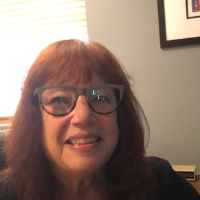
New York · 30 yrs exp
Licensed Clinical Social Worker - Relationships and Life Changes
Stress, Anxiety · Relationship · Parenting · Self esteem · +11 more
Read profile
Texas · 21 yrs exp
Licensed Clinical Social Worker - Life changes and relationships
Stress, Anxiety · Relationship · Trauma and abuse · Intimacy-related issues · +15 more
Read profile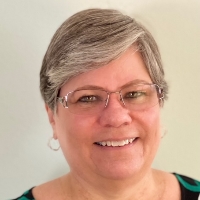
Florida · 22 yrs exp
Licensed Clinical Social Worker - stress and anxiety
Stress, Anxiety · Self esteem · Depression · Coping with life changes · +5 more
Read profile
Illinois · 25 yrs exp
Licensed clinical social worker - anxiety and life changes
Stress, Anxiety · Self esteem · Career · Coping with life changes · +10 more
Read profile
Louisiana · 14 yrs exp
Licensed clinical social worker - Stress and trauma
Stress, Anxiety · Anger · Self esteem · Depression · +9 more
Read profile
Georgia · 25 yrs exp
Licensed clinical social worker - mood and relationships
Stress, Anxiety · Parenting · Anger · Self esteem · +15 more
Read profile
Texas · 20 yrs exp
Licensed social worker - stress and addiction
Stress, Anxiety · Addictions · Family · Grief · +15 more
Read profile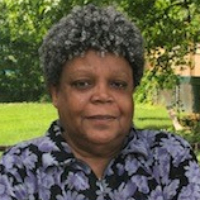
Virginia · 47 yrs exp
Licensed Clinical Social Worker - stress and relationships
Stress, Anxiety · Relationship · Grief · Self esteem · +10 more
Read profile
Colorado · 9 yrs exp
Licensed Clinical Social Worker - stress and relationships
Stress, Anxiety · Relationship · Grief · Depression · +11 more
Read profile
New York · 14 yrs exp
Licensed Clinical Social Worker - Stress and Trauma
Stress, Anxiety · Trauma and abuse · Grief · Depression · +6 more
Read profile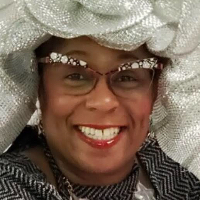
Michigan · 24 yrs exp
Licensed Clinical Social Worker - mood and addiction support
Stress, Anxiety · Addictions · Relationship · Family · +1 more
Read profile
Arkansas · 44 yrs exp
Licensed clinical social worker - stress and trauma
Stress, Anxiety · Trauma and abuse · Grief · Self esteem · +16 more
Read profile
California · 20 yrs exp
Licensed Clinical Social Worker - Stress and Relationships
Stress, Anxiety · Relationship · Family · Parenting · +15 more
Read profile
Mississippi · 21 yrs exp
Licensed Clinical Social Worker - stress and family concerns
Stress, Anxiety · Family · Parenting · Anger · +9 more
Read profile
Tennessee · 15 yrs exp
Licensed Clinical Social Worker - Relationships and Stress
Stress, Anxiety · Relationship · Family · Self esteem · +9 more
Read profile
Missouri · 35 yrs exp
LCSW - Stress and trauma-focused clinician
Stress, Anxiety · Trauma and abuse · Anger · Bipolar · +13 more
Read profile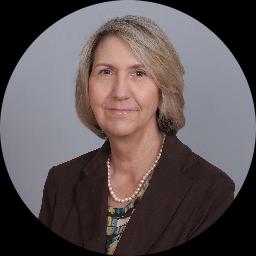
Michigan · 11 yrs exp
Licensed Clinical Social Worker - Stress and Trauma
Stress, Anxiety · Relationship · Trauma and abuse · Grief · +1 more
Read profile
Texas · 5 yrs exp
Licensed Clinical Social Worker - relationships and trauma
Stress, Anxiety · Relationship · Family · Trauma and abuse · +9 more
Read profile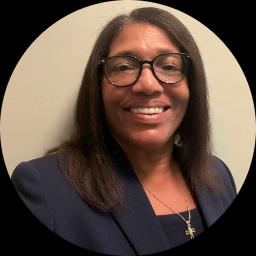
Mississippi · 36 yrs exp
Licensed Clinical Social Worker - Family and Parenting
Family · Parenting · Anger · Self esteem · +11 more
Read profile
Colorado · 15 yrs exp
Licensed clinical social worker - anxiety and life changes
Stress, Anxiety · Grief · Depression · Coping with life changes · +10 more
Read profile
Wyoming · 14 yrs exp
Licensed clinical social worker - mood and relationships
Addictions · Relationship · Depression · Coping with life changes · +11 more
Read profile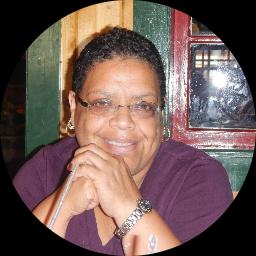
New York · 25 yrs exp
Licensed Clinical Social Worker - Stress and Anxiety
Stress, Anxiety · Grief · Anger · Self esteem · +6 more
Read profile
Connecticut · 24 yrs exp
Licensed clinical social worker - stress and mood concerns
Stress, Anxiety · Relationship · Grief · Self esteem · +11 more
Read profile
Indiana · 12 yrs exp
Licensed clinical social worker - mood and trauma
Stress, Anxiety · Trauma and abuse · Self esteem · Bipolar · +10 more
Read profile
Texas · 11 yrs exp
Licensed Clinical Social Worker - relationships and stress
Stress, Anxiety · Relationship · Trauma and abuse · Self esteem · +5 more
Read profile
Texas · 35 yrs exp
Licensed Clinical Social Worker - Stress and Trauma
Stress, Anxiety · Relationship · Family · Trauma and abuse · +14 more
Read profile
Wisconsin · 18 yrs exp
Licensed Clinical Social Worker - Relationships and Stress
Stress, Anxiety · Parenting · Self esteem · Depression · +11 more
Read profile
Virginia · 10 yrs exp
Licensed clinical social worker - trauma and relationships
Relationship · Trauma and abuse · Self esteem · Depression · +5 more
Read profile
Kentucky · 8 yrs exp
Licensed Clinical Social Worker - Stress and Relationships
Stress, Anxiety · Relationship · Family · Trauma and abuse · +5 more
Read profile
North Carolina · 7 yrs exp
Licensed Clinical Social Worker - Stress and Relationships
Stress, Anxiety · LGBT · Relationship · Trauma and abuse · +1 more
Read profile
North Carolina · 10 yrs exp
Licensed Clinical Social Worker - Stress and Trauma
Stress, Anxiety · Trauma and abuse · Self esteem · Depression · +1 more
Read profile
New York · 25 yrs exp
Licensed Clinical Social Worker - Stress and Relationships
Stress, Anxiety · Relationship · Family · Trauma and abuse · +15 more
Read profile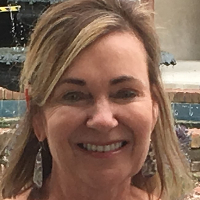
Kentucky · 15 yrs exp
Licensed Clinical Social Worker - relationships and mood
Stress, Anxiety · Relationship · Parenting · Anger · +13 more
Read profile
Florida · 19 yrs exp
Licensed Clinical Social Worker - Stress and Trauma
Stress, Anxiety · Trauma and abuse · Grief · Depression · +9 more
Read profile
Indiana · 33 yrs exp
Licensed clinical social worker - mood and relationships
Stress, Anxiety · Parenting · Anger · Depression · +13 more
Read profile
Florida · 3 yrs exp
Licensed Clinical Social Worker - Relationships and Stress
Stress, Anxiety · Relationship · Trauma and abuse · Parenting · +11 more
Read profile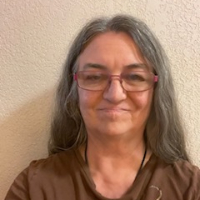
Arizona · 40 yrs exp
Licensed Clinical Social Worker - Relationships and Mood
Stress, Anxiety · LGBT · Relationship · Grief · +10 more
Read profile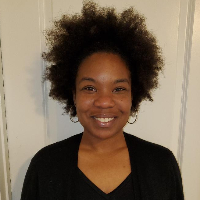
North Carolina · 15 yrs exp
Licensed Clinical Social Worker - Trauma and Relationships
LGBT · Relationship · Family · Parenting · +7 more
Read profile
Florida · 16 yrs exp
Dr. Amary Alcide - LCSW, stress and relationships
Stress, Anxiety · Relationship · Parenting · Self esteem · +8 more
Read profile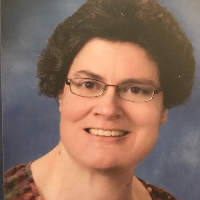
Indiana · 35 yrs exp
Licensed clinical social worker - stress and grief
Stress, Anxiety · Grief · Self esteem · Depression · +4 more
Read profile
New York · 8 yrs exp
Licensed Clinical Social Worker - anxiety and trauma
Stress, Anxiety · Addictions · Relationship · Trauma and abuse · +12 more
Read profile
Tennessee · 12 yrs exp
Licensed Clinical Social Worker - Relationships and Life Change
Relationship · Grief · Intimacy-related issues · Depression · +3 more
Read profile
California · 23 yrs exp
Licensed Clinical Social Worker - Self esteem and relationships
Stress, Anxiety · Relationship · Self esteem · Depression · +8 more
Read profile
Florida · 16 yrs exp
Licensed clinical social worker - stress and trauma
Stress, Anxiety · Trauma and abuse · Grief · Self esteem · +10 more
Read profile
Florida · 13 yrs exp
Licensed Clinical Social Worker - Stress and Relationships
Stress, Anxiety · Relationship · Trauma and abuse · Self esteem · +4 more
Read profile
Arizona · 10 yrs exp
Licensed clinical social worker - Mood and life transitions
Stress, Anxiety · Self esteem · Bipolar · Depression · +10 more
Read profile
New Jersey · 25 yrs exp
Licensed Clinical Social Worker - Stress and Addictions
Stress, Anxiety · Addictions · Relationship · Family · +14 more
Read profile
Texas · 3 yrs exp
Licensed Clinical Social Worker - mood and stress concerns
Stress, Anxiety · Anger · Depression · Addictions · +8 more
Read profileWhen people refer to women's issues in a clinical context they often mean a range of concerns that disproportionately or uniquely affect women and people who experience gendered health and social challenges. That can include reproductive and perinatal matters, fertility-related distress, pregnancy loss and postpartum adjustment, menopause transitions, caregiving stress, intimate partner dynamics, gender-based violence, workplace discrimination, and the emotional fallout of complex social roles. These issues do not exist in isolation. An LCSW approaches them by considering both what you bring emotionally and the external factors that shape your life - housing, work, finances, family responsibilities, community resources, and access to health care. That person-in-environment orientation means the focus may shift across sessions from symptom relief to practical problem solving, advocacy, safety planning, or connecting you to supportive services.
You may notice that challenges tied to women's issues affect sleep, concentration, relationships, or your ability to work. Financial strain, caregiving burdens, or difficulty navigating medical systems can compound emotional distress. It is common for people to feel isolated, judged, or misunderstood when their concerns intersect with stigma - for example, around reproductive choices or experiences of abuse. An LCSW can help you make sense of how external pressures and internal responses interact, and work with you to identify immediate coping strategies alongside longer-term goals.
You might consider meeting with an LCSW if concerns related to gender, reproductive health, caregiving, or relationships are interfering with how you live day to day. Signs can include persistent anxiety or sadness tied to a reproductive event, difficulty bonding or adjusting after childbirth, overwhelming stress from caregiving or balancing work and family roles, or recurring patterns in relationships that leave you feeling unsafe or unseen. You might also notice that practical problems - trouble accessing services, unstable housing, or financial strain - are closely tied to your emotional wellbeing. In those situations you may benefit from an approach that attends to both emotional experience and the surrounding environment.
It is not unusual for emotional pain to be entangled with unmet practical needs. For example, making decisions about fertility or managing a chronic health condition can create ongoing bureaucratic and interpersonal demands. If you find that solving paperwork, getting medical appointments, or arranging childcare is part of what keeps you distressed, you may prefer an LCSW who blends clinical skills with knowledge of community resources and systems. This combination can help you address immediate barriers while also working on emotional processing and coping.
Sessions with an LCSW typically begin with an assessment that covers your history, current concerns, social supports, and practical circumstances. Your LCSW will ask questions about your living situation, relationships, work, and access to services because those factors often shape the therapeutic work. From there you and your LCSW will set collaborative goals - some aimed at symptom relief and some aimed at solving concrete problems such as connecting with health care, arranging community supports, or safety planning when necessary. Sessions can include space for emotional exploration, skills practice, problem-solving, and coordinating care with other providers if you wish.
Your pace and priorities guide the process. Some sessions may feel more reflective and focused on feelings and meaning, while others may be oriented to short-term tasks like drafting a safety plan, navigating hospital systems, or preparing for a difficult conversation with a partner or employer. Because LCSWs are trained to view problems in context, they often integrate discussions about policies, community resources, and advocacy alongside clinical interventions. Expect the relationship to be collaborative - you bring knowledge about your life, and the LCSW brings clinical and systems-oriented skills to support your goals.
Licensed clinical social workers describe their work using a range of therapeutic approaches. Many LCSWs list cognitive behavioral approaches, interpersonal therapy, trauma-informed methods, psychodynamic perspectives, mindfulness-based strategies, or strengths-based practices among their approaches. Some will indicate that they incorporate approaches focused on trauma processing, and others emphasize skill-building for emotional regulation or improving communication. When you read profiles, you will see phrasing such as "therapists who list interpersonal therapy among their approaches" or "therapists who list trauma-informed care among their approaches." That phrasing reflects how LCSWs describe their typical work rather than a verification of training in a specific modality.
Across these different approaches, what often distinguishes an LCSW is the training in the person-in-environment perspective. You can expect attention to how your social context - family, workplace, legal systems, and community resources - influences both the challenges you face and potential solutions. In practice that could mean combining emotional support with referrals to community programs, assistance with benefits paperwork, help navigating medical or legal systems, or guidance on connecting with peer supports. That combination is especially useful when women's issues intersect with social determinants of health.
Many LCSWs offer online sessions as part of their practice, and online work can make it easier for you to connect from home, during a break at work, or while juggling caregiving duties. Online sessions often use video or phone formats and may include messaging between appointments, depending on how an individual LCSW structures their practice. It is important to know that licensing rules vary by state, and an LCSW's scope of practice and title are determined and renewed by the state board that issued the license. When you are considering a clinician, focus on matching the LCSW's stated focus areas, languages, approaches, and experience to your needs rather than on operational details that change frequently.
Start by clarifying what matters most to you - do you need support with a reproductive transition, help navigating caregiving and work demands, or assistance with recovering from an abusive relationship? Look for LCSWs who highlight similar focus areas in their profiles and who list approaches that resonate with you. Consider practical aspects such as whether you prefer in-person or online sessions, which languages a clinician speaks, and whether they note experience with particular populations or systems that are relevant to your situation. Reading several profiles can help you form questions to ask when you contact a clinician, such as how they balance practical problem solving with emotional work or how they coordinate with other providers when needed.
Choosing an LCSW is a personal process. You may value a clinician who emphasizes advocacy and connection to community resources, or you may prefer someone who foregrounds emotional processing and skills training. Use profiles to compare credentials, described approaches, language abilities, and areas of experience. That comparison can help you identify clinicians whose stated focus aligns with what you are seeking and who might be a helpful fit as you take the next step toward addressing women's issues in your life.
Alabama
26 therapists
Alaska
18 therapists
Arizona
94 therapists
Arkansas
58 therapists
California
696 therapists
Colorado
143 therapists
Connecticut
115 therapists
Delaware
36 therapists
District of Columbia
7 therapists
Florida
827 therapists
Georgia
164 therapists
Hawaii
37 therapists
Idaho
41 therapists
Illinois
401 therapists
Indiana
195 therapists
Iowa
9 therapists
Kansas
27 therapists
Kentucky
142 therapists
Louisiana
134 therapists
Maine
50 therapists
Maryland
22 therapists
Massachusetts
14 therapists
Michigan
38 therapists
Minnesota
13 therapists
Mississippi
68 therapists
Missouri
151 therapists
Montana
57 therapists
Nebraska
2 therapists
Nevada
56 therapists
New Hampshire
16 therapists
New Jersey
227 therapists
New Mexico
50 therapists
New York
535 therapists
North Carolina
358 therapists
North Dakota
11 therapists
Ohio
31 therapists
Oklahoma
80 therapists
Oregon
65 therapists
Pennsylvania
225 therapists
Rhode Island
3 therapists
South Carolina
35 therapists
South Dakota
2 therapists
Tennessee
95 therapists
Texas
483 therapists
Utah
89 therapists
Vermont
3 therapists
Virginia
187 therapists
Washington
16 therapists
West Virginia
5 therapists
Wisconsin
122 therapists
Wyoming
19 therapists