
Velma Jones
LCSWNew York · 29 yrs exp
Licensed Clinical Social Worker - Relationships and Mood
Stress, Anxiety · Relationship · Trauma and abuse · Depression · +10 more
Read profileTherapist listings are provided by BetterHelp. We will earn a commission at no additional cost to you if you use our links to purchase.
This directory highlights licensed clinical social workers (LCSWs) who focus on guilt and shame concerns. Browse the listings below to review credentials, approaches, languages and experience to help find the right professional match for your needs.
New York · 29 yrs exp
Licensed Clinical Social Worker - Relationships and Mood
Stress, Anxiety · Relationship · Trauma and abuse · Depression · +10 more
Read profile
Florida · 14 yrs exp
Florida LCSW - Stress and Relationship Support
Stress, Anxiety · Grief · Anger · Self esteem · +12 more
Read profile
Colorado · 19 yrs exp
Licensed Clinical Social Worker - Stress and Relationships
Stress, Anxiety · Relationship · Trauma and abuse · Grief · +12 more
Read profile
Texas · 13 yrs exp
Licensed Clinical Social Worker - Stress and Relationship support
Stress, Anxiety · Relationship · Trauma and abuse · Anger · +11 more
Read profile
Florida · 23 yrs exp
Licensed clinical social worker - LGBT and intimacy issues
LGBT · Intimacy-related issues
Read profile
New York · 24 yrs exp
Licensed Clinical Social Worker - Anxiety and Depression
Stress, Anxiety · Relationship · Anger · Self esteem · +12 more
Read profile
Missouri · 16 yrs exp
Licensed clinical social worker - mood and trauma support
Stress, Anxiety · Trauma and abuse · Self esteem · Bipolar · +12 more
Read profile
North Carolina · 10 yrs exp
Licensed Clinical Social Worker - Anxiety and Relationships
Stress, Anxiety · Relationship · Family · Bipolar · +16 more
Read profile
New York · 35 yrs exp
Licensed Clinical Social Worker - stress and relationships
Stress, Anxiety · Self esteem · Career · ADHD · +10 more
Read profile
North Carolina · 13 yrs exp
Licensed Clinical Social Worker - Stress and Relationships
Stress, Anxiety · Relationship · Family · Self esteem · +13 more
Read profile
New York · 25 yrs exp
Licensed Clinical Social Worker - stress and trauma
Stress, Anxiety · Trauma and abuse · Self esteem · Depression · +7 more
Read profile
Louisiana · 16 yrs exp
Licensed Clinical Social Worker - mood and relationships
Stress, Anxiety · Relationship · Trauma and abuse · Bipolar · +16 more
Read profile
Florida · 10 yrs exp
Licensed Clinical Social Worker - stress and family concerns
Stress, Anxiety · Addictions · Family · Grief · +8 more
Read profile
New York · 30 yrs exp
Licensed Clinical Social Worker - Relationships and Life Changes
Stress, Anxiety · Relationship · Parenting · Self esteem · +11 more
Read profile
Texas · 21 yrs exp
Licensed Clinical Social Worker - Life changes and relationships
Stress, Anxiety · Relationship · Trauma and abuse · Intimacy-related issues · +15 more
Read profile
Indiana · 11 yrs exp
Licensed Clinical Social Worker - Relationships and Trauma
Stress, Anxiety · Grief · Depression · Coping with life changes · +8 more
Read profile
Florida · 22 yrs exp
Licensed Clinical Social Worker - stress and anxiety
Stress, Anxiety · Self esteem · Depression · Coping with life changes · +5 more
Read profile
New Jersey · 8 yrs exp
Licensed clinical social worker - mood and trauma
Stress, Anxiety · Relationship · Trauma and abuse · Bipolar · +14 more
Read profile
Louisiana · 14 yrs exp
Licensed clinical social worker - Stress and trauma
Stress, Anxiety · Anger · Self esteem · Depression · +9 more
Read profile
Mississippi · 12 yrs exp
Licensed clinical social worker - stress and addiction
Stress, Anxiety · Addictions · Anger · Self esteem · +12 more
Read profile
Tennessee · 35 yrs exp
Licensed Clinical Social Worker - Stress and Relationships
Stress, Anxiety · Grief · Self esteem · Depression · +8 more
Read profile
Georgia · 25 yrs exp
Licensed clinical social worker - mood and relationships
Stress, Anxiety · Parenting · Anger · Self esteem · +15 more
Read profile
Texas · 33 yrs exp
Licensed Clinical Social Worker - Relationships and Stress
Stress, Anxiety · Relationship · Family · Self esteem · +11 more
Read profile
Texas · 20 yrs exp
Licensed social worker - stress and addiction
Stress, Anxiety · Addictions · Family · Grief · +15 more
Read profile
Virginia · 47 yrs exp
Licensed Clinical Social Worker - stress and relationships
Stress, Anxiety · Relationship · Grief · Self esteem · +10 more
Read profile
Colorado · 9 yrs exp
Licensed Clinical Social Worker - stress and relationships
Stress, Anxiety · Relationship · Grief · Depression · +11 more
Read profile
New York · 14 yrs exp
Licensed Clinical Social Worker - Stress and Trauma
Stress, Anxiety · Trauma and abuse · Grief · Depression · +6 more
Read profile
Michigan · 24 yrs exp
Licensed Clinical Social Worker - mood and addiction support
Stress, Anxiety · Addictions · Relationship · Family · +1 more
Read profile
Arkansas · 44 yrs exp
Licensed clinical social worker - stress and trauma
Stress, Anxiety · Trauma and abuse · Grief · Self esteem · +16 more
Read profile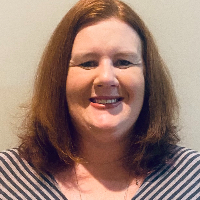
Mississippi · 21 yrs exp
Licensed Clinical Social Worker - stress and family concerns
Stress, Anxiety · Family · Parenting · Anger · +9 more
Read profile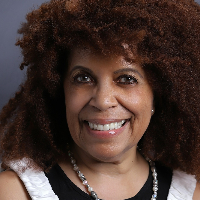
Tennessee · 15 yrs exp
Licensed Clinical Social Worker - Relationships and Stress
Stress, Anxiety · Relationship · Family · Self esteem · +9 more
Read profile
Missouri · 35 yrs exp
LCSW - Stress and trauma-focused clinician
Stress, Anxiety · Trauma and abuse · Anger · Bipolar · +13 more
Read profile
North Carolina · 16 yrs exp
Licensed Clinical Social Worker - Addiction and Trauma
Stress, Anxiety · Addictions · Trauma and abuse · Anger · +13 more
Read profile
Texas · 5 yrs exp
Licensed Clinical Social Worker - relationships and trauma
Stress, Anxiety · Relationship · Family · Trauma and abuse · +9 more
Read profile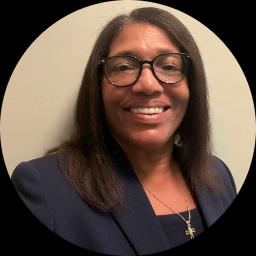
Mississippi · 36 yrs exp
Licensed Clinical Social Worker - Family and Parenting
Family · Parenting · Anger · Self esteem · +11 more
Read profile
Florida · 28 yrs exp
Licensed clinical social worker - stress and trauma
Stress, Anxiety · Addictions · Trauma and abuse · Self esteem · +13 more
Read profile
Colorado · 15 yrs exp
Licensed clinical social worker - anxiety and life changes
Stress, Anxiety · Grief · Depression · Coping with life changes · +10 more
Read profile
Nevada · 12 yrs exp
Licensed Clinical Social Worker - stress and anxiety
Stress, Anxiety · Relationship · Anger · Self esteem · +1 more
Read profile
Wyoming · 14 yrs exp
Licensed clinical social worker - mood and relationships
Addictions · Relationship · Depression · Coping with life changes · +11 more
Read profile
Connecticut · 24 yrs exp
Licensed clinical social worker - stress and mood concerns
Stress, Anxiety · Relationship · Grief · Self esteem · +11 more
Read profile
Texas · 6 yrs exp
Licensed Clinical Social Worker - Trauma and Relationships
Stress, Anxiety · Relationship · Trauma and abuse · Self esteem · +1 more
Read profile
Illinois · 10 yrs exp
Licensed Clinical Social Worker - Stress and Trauma
Stress, Anxiety · Trauma and abuse · Grief · Self esteem · +11 more
Read profile
Indiana · 12 yrs exp
Licensed clinical social worker - mood and trauma
Stress, Anxiety · Trauma and abuse · Self esteem · Bipolar · +10 more
Read profile
Texas · 11 yrs exp
Licensed Clinical Social Worker - relationships and stress
Stress, Anxiety · Relationship · Trauma and abuse · Self esteem · +5 more
Read profile
Florida · 40 yrs exp
Licensed Clinical Social Worker - Addictions and Relationships
Addictions · Relationship · Grief · Depression · +13 more
Read profile
Missouri · 13 yrs exp
Licensed Clinical Social Worker - Anxiety and Addictions
Stress, Anxiety · Addictions · Relationship · Family · +6 more
Read profile
Florida · 25 yrs exp
Licensed clinical social worker - mood and coping
Stress, Anxiety · Addictions · Grief · Bipolar · +5 more
Read profile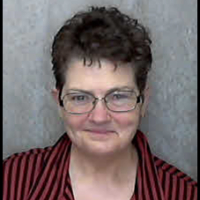
Texas · 35 yrs exp
Licensed Clinical Social Worker - Stress and Trauma
Stress, Anxiety · Relationship · Family · Trauma and abuse · +14 more
Read profile
Illinois · 23 yrs exp
Licensed clinical social worker - mood and relationships
Stress, Anxiety · Trauma and abuse · Anger · Depression · +10 more
Read profile
Wisconsin · 18 yrs exp
Licensed Clinical Social Worker - Relationships and Stress
Stress, Anxiety · Parenting · Self esteem · Depression · +11 more
Read profile
Virginia · 10 yrs exp
Licensed clinical social worker - trauma and relationships
Relationship · Trauma and abuse · Self esteem · Depression · +5 more
Read profile
Kentucky · 8 yrs exp
Licensed Clinical Social Worker - Stress and Relationships
Stress, Anxiety · Relationship · Family · Trauma and abuse · +5 more
Read profile
North Carolina · 7 yrs exp
Licensed Clinical Social Worker - Stress and Relationships
Stress, Anxiety · LGBT · Relationship · Trauma and abuse · +1 more
Read profile
Florida · 32 yrs exp
Licensed Clinical Social Worker - Stress and Trauma
Stress, Anxiety · Trauma and abuse · Grief · Depression · +14 more
Read profile
Pennsylvania · 17 yrs exp
Licensed clinical social worker - Anxiety and trauma
Stress, Anxiety · Trauma and abuse · Self esteem · Depression · +1 more
Read profile
North Carolina · 10 yrs exp
Licensed Clinical Social Worker - Stress and Trauma
Stress, Anxiety · Trauma and abuse · Self esteem · Depression · +1 more
Read profile
Illinois · 39 yrs exp
Licensed Clinical Social Worker - stress and relationships
Stress, Anxiety · Relationship · Grief · Sleeping · +1 more
Read profile
New York · 25 yrs exp
Licensed Clinical Social Worker - Stress and Relationships
Stress, Anxiety · Relationship · Family · Trauma and abuse · +15 more
Read profile
Illinois · 3 yrs exp
Licensed Clinical Social Worker - Stress and Relationships
Stress, Anxiety · Addictions · LGBT · Relationship · +10 more
Read profile
Virginia · 4 yrs exp
Licensed Clinical Social Worker - Stress and Life Change
Stress, Anxiety · Grief · Anger · Self esteem · +10 more
Read profileGuilt and shame are emotions that often overlap but feel different when you live with them. Guilt usually relates to feeling bad about something you did or did not do - it tends to focus on a behavior and sometimes motivates repair or apology. Shame feels more global and painful - it can make you feel flawed at your core or unworthy of connection. Both emotions show up in personal moments and in relationships, and they can influence decisions about work, family, parenting, and community life.
When you work with a licensed clinical social worker you will meet someone whose training includes a broad understanding of how your environment shapes emotional experience. Social work uses a person-in-environment perspective, which means an LCSW looks at housing, employment, family systems, cultural background, access to services and community context alongside your internal experience. That viewpoint can be particularly helpful when guilt or shame interact with practical pressures like financial strain, caregiving responsibilities, or systemic barriers.
Because guilt and shame are social emotions, they often affect how you relate to others. You may withdraw from close relationships, overcompensate, avoid situations that trigger reminders, or repeatedly replay events in your mind. Recognizing these patterns is the first step toward making changes that reduce the intensity of those emotions and improve everyday functioning.
If you find that feelings of guilt or shame are frequent, intense or interfering with daily life, talking with an LCSW can be helpful. You may notice that you avoid people or places that remind you of a past event, or that you use self-punishment or harsh self-criticism as a default response. Guilt and shame can also show up as persistent anxiety about making mistakes, difficulty forgiving yourself, trouble maintaining close relationships, or a heavy burden of responsibility that does not match the facts of a situation.
Another sign you might benefit from professional help is when these emotions start to affect your work, parenting or health routines. You might see changes in sleep, appetite, focus or motivation that you cannot explain solely by external circumstances. Some people experience repeated cycles of apology and self-blame that leave them exhausted. In other cases, guilt and shame are linked with trauma memories, cultural or religious expectations, or legal and ethical dilemmas. An LCSW can help you untangle those threads and address both the emotional experience and the practical conditions that feed it.
Importantly, choosing a licensed clinical social worker means selecting a clinician whose credential reflects specific academic and supervised clinical requirements. An LCSW has completed a master of social work degree, a state-set period of supervised post-graduate clinical experience, and a clinical licensing exam. Licensure is issued and renewed by individual state boards, so scope of practice and title can vary where you live.
When you begin sessions with an LCSW for guilt and shame, expect an initial conversation that explores your history, current concerns and what you hope to change. The clinician will ask about your emotional patterns as well as life circumstances - housing, work, family dynamics and community ties - to form a holistic picture. This assessment helps the LCSW identify both emotional themes and external stressors that contribute to guilt or shame.
Sessions are typically collaborative. You and the LCSW will set goals that could include reducing the intensity of self-critical thoughts, learning new ways to repair relationships, managing triggers, or improving self-compassion. Progress is often gradual; an LCSW will work with you to test strategies in real life and refine what helps. You may practice new ways of talking to yourself, experiment with boundaries in relationships, or plan concrete steps to address practical problems that sustain guilt or shame.
information-sharing boundaries and ethical practice are core elements of clinical work with an LCSW, and your clinician will explain limits to privacy that are required by state law. Sessions can include discussion of difficult memories or events, and an LCSW will typically pace the work to match your readiness. If needed, they can also coordinate with other services such as medical providers, community supports or legal advocates while respecting your preferences about communication and consent.
Licensed clinical social workers draw on many clinical approaches when addressing guilt and shame, and individual practitioners may list different methods among their approaches. Some therapists may list cognitive behavioral strategies that help you identify and shift self-critical thinking patterns. Others may list psychodynamic perspectives that explore early relational experiences that shaped your internal sense of worth. Narrative approaches are often used to help you reframe the stories you tell about yourself so they reflect facts and multiple perspectives rather than a single condemning narrative.
Emotion-focused work is another common emphasis - it helps you tolerate and process painful feelings without becoming overwhelmed. Therapists may also list trauma-informed methods when guilt and shame are connected to traumatic events, and some LCSWs will incorporate mindfulness practices to help you notice automatic shame-driven reactions and choose more skillful responses. When interpersonal patterns are central, social workers often integrate relational or attachment-informed ideas so you can practice new ways of interacting and repairing ruptures.
What distinguishes social work training is how it blends emotional and environmental focus. An LCSW is likely to address both the inner experience of shame and the external conditions that sustain it. If housing instability, workplace conflict or caregiving strain contribute to your distress, an LCSW can combine emotional processing with practical problem solving. That may involve planning steps to improve daily routines, connecting you with community resources, or exploring adjustments at work that reduce ongoing stressors. The goal is not only to reduce painful feelings but also to change the life circumstances that help maintain them.
Online sessions with a licensed clinical social worker can make it easier to fit care into a busy life, especially if travel, caregiving or work schedules limit in-person options. Remote sessions typically use video or phone calls and follow similar structures to in-person work - assessment, goal-setting, skill practice and follow-up. Many people find online sessions helpful for discussing shame-related material because they can participate from a familiar setting, which may reduce some barriers to opening up. Before starting, ask potential clinicians about how they handle emergencies and what technology they use so you feel comfortable with the logistics.
When you review listings, focus on factors that matter to your situation. Look for clinicians who mention experience with guilt, shame, trauma, or related concerns. Note the approaches they list and consider which descriptions resonate with you - some people prefer structured, skill-based work while others want more exploratory or relational focus. Languages spoken and cultural background can be important if you want a clinician who understands your identity and community context. Education, years of clinical experience and any populations the LCSW highlights - such as parenting, grief, or professional burnout - can also guide your selection.
Trust your comfort level in an initial conversation. You do not need to commit to a long plan on the first call; many people arrange a few sessions to see how the relationship feels and whether the clinician's style supports their goals. Pay attention to whether the clinician listens to your priorities, clarifies goals, and explains the types of strategies they may use. Remember that licensure as an LCSW reflects specific training and supervised clinical hours, but the personal fit between you and the clinician often matters most in deciding the path forward.
Finding help for guilt and shame can feel like a vulnerable step. A licensed clinical social worker brings a combination of clinical skill and a systems-oriented perspective that attends to both your inner experience and the practical realities of your life. By focusing on emotional processing alongside real-world problem solving, an LCSW can support you in reducing the hold of guilt and shame and in building more compassionate ways of relating to yourself and others.
Alabama
26 therapists
Alaska
18 therapists
Arizona
94 therapists
Arkansas
58 therapists
California
696 therapists
Colorado
143 therapists
Connecticut
115 therapists
Delaware
36 therapists
District of Columbia
7 therapists
Florida
827 therapists
Georgia
164 therapists
Hawaii
37 therapists
Idaho
41 therapists
Illinois
401 therapists
Indiana
195 therapists
Iowa
9 therapists
Kansas
27 therapists
Kentucky
142 therapists
Louisiana
134 therapists
Maine
50 therapists
Maryland
22 therapists
Massachusetts
14 therapists
Michigan
38 therapists
Minnesota
13 therapists
Mississippi
68 therapists
Missouri
151 therapists
Montana
57 therapists
Nebraska
2 therapists
Nevada
56 therapists
New Hampshire
16 therapists
New Jersey
227 therapists
New Mexico
50 therapists
New York
535 therapists
North Carolina
358 therapists
North Dakota
11 therapists
Ohio
31 therapists
Oklahoma
80 therapists
Oregon
65 therapists
Pennsylvania
225 therapists
Rhode Island
3 therapists
South Carolina
35 therapists
South Dakota
2 therapists
Tennessee
95 therapists
Texas
483 therapists
Utah
89 therapists
Vermont
3 therapists
Virginia
187 therapists
Washington
16 therapists
West Virginia
5 therapists
Wisconsin
122 therapists
Wyoming
19 therapists