
Kelley Sullivan
LCSWColorado · 19 yrs exp
Licensed Clinical Social Worker - Stress and Relationships
Stress, Anxiety · Relationship · Trauma and abuse · Grief · +12 more
Read profileTherapist listings are provided by BetterHelp. We will earn a commission at no additional cost to you if you use our links to purchase.
This page lists licensed clinical social workers (LCSWs) who identify LGBT as a clinical focus. Profiles below include credentials, practice focus, languages, and approaches so visitors can browse and learn more.
Use the listings to explore LCSW profiles and read about how social work expertise can support LGBT-related concerns.
Colorado · 19 yrs exp
Licensed Clinical Social Worker - Stress and Relationships
Stress, Anxiety · Relationship · Trauma and abuse · Grief · +12 more
Read profile
Florida · 23 yrs exp
Licensed clinical social worker - LGBT and intimacy issues
LGBT · Intimacy-related issues
Read profile
New Jersey · 15 yrs exp
Licensed Clinical Social Worker - Stress and Family
Stress, Anxiety · Family · Trauma and abuse · Parenting · +10 more
Read profile
Missouri · 36 yrs exp
Licensed Clinical Social Worker - Mood and Trauma
Stress, Anxiety · Relationship · Trauma and abuse · Intimacy-related issues · +15 more
Read profile
Nevada · 3 yrs exp
Licensed clinical social worker - anxiety and relationships
Stress, Anxiety · Relationship · Family · Trauma and abuse · +11 more
Read profile
North Carolina · 10 yrs exp
Licensed Clinical Social Worker - Anxiety and Relationships
Stress, Anxiety · Relationship · Family · Bipolar · +16 more
Read profile
Florida · 11 yrs exp
Licensed Clinical Social Worker - addiction and mood concerns
Addictions · Relationship · Self esteem · Depression · +9 more
Read profile
New Jersey · 10 yrs exp
Licensed Clinical Social Worker - Anxiety and Trauma
Stress, Anxiety · Family · Trauma and abuse · Self esteem · +3 more
Read profile
Louisiana · 16 yrs exp
Licensed Clinical Social Worker - mood and relationships
Stress, Anxiety · Relationship · Trauma and abuse · Bipolar · +16 more
Read profile
Texas · 21 yrs exp
Licensed Clinical Social Worker - Life changes and relationships
Stress, Anxiety · Relationship · Trauma and abuse · Intimacy-related issues · +15 more
Read profile
New York · 10 yrs exp
Licensed Clinical Social Worker - Stress and Relationships
Stress, Anxiety · Relationship · Family · Grief · +12 more
Read profile
Indiana · 11 yrs exp
Licensed Clinical Social Worker - Relationships and Trauma
Stress, Anxiety · Grief · Depression · Coping with life changes · +8 more
Read profile
Illinois · 25 yrs exp
Licensed clinical social worker - anxiety and life changes
Stress, Anxiety · Self esteem · Career · Coping with life changes · +10 more
Read profile
Mississippi · 12 yrs exp
Licensed clinical social worker - stress and addiction
Stress, Anxiety · Addictions · Anger · Self esteem · +12 more
Read profile
Texas · 8 yrs exp
Licensed Clinical Social Worker - Stress and Relationships
Stress, Anxiety · Relationship · Self esteem · Depression · +8 more
Read profile
Georgia · 25 yrs exp
Licensed clinical social worker - mood and relationships
Stress, Anxiety · Parenting · Anger · Self esteem · +15 more
Read profile
Texas · 20 yrs exp
Licensed social worker - stress and addiction
Stress, Anxiety · Addictions · Family · Grief · +15 more
Read profile
Virginia · 47 yrs exp
Licensed Clinical Social Worker - stress and relationships
Stress, Anxiety · Relationship · Grief · Self esteem · +10 more
Read profile
Colorado · 9 yrs exp
Licensed Clinical Social Worker - stress and relationships
Stress, Anxiety · Relationship · Grief · Depression · +11 more
Read profile
New York · 14 yrs exp
Licensed Clinical Social Worker - Stress and Trauma
Stress, Anxiety · Trauma and abuse · Grief · Depression · +6 more
Read profile
Arkansas · 44 yrs exp
Licensed clinical social worker - stress and trauma
Stress, Anxiety · Trauma and abuse · Grief · Self esteem · +16 more
Read profile
California · 20 yrs exp
Licensed Clinical Social Worker - Stress and Relationships
Stress, Anxiety · Relationship · Family · Parenting · +15 more
Read profile
Missouri · 35 yrs exp
LCSW - Stress and trauma-focused clinician
Stress, Anxiety · Trauma and abuse · Anger · Bipolar · +13 more
Read profile
North Carolina · 16 yrs exp
Licensed Clinical Social Worker - Addiction and Trauma
Stress, Anxiety · Addictions · Trauma and abuse · Anger · +13 more
Read profile
New York · 25 yrs exp
Licensed Clinical Social Worker - Stress and Anxiety
Stress, Anxiety · Grief · Anger · Self esteem · +6 more
Read profile
Connecticut · 24 yrs exp
Licensed clinical social worker - stress and mood concerns
Stress, Anxiety · Relationship · Grief · Self esteem · +11 more
Read profile
Florida · 40 yrs exp
Licensed Clinical Social Worker - Addictions and Relationships
Addictions · Relationship · Grief · Depression · +13 more
Read profile
Missouri · 13 yrs exp
Licensed Clinical Social Worker - Anxiety and Addictions
Stress, Anxiety · Addictions · Relationship · Family · +6 more
Read profile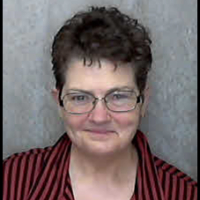
Texas · 35 yrs exp
Licensed Clinical Social Worker - Stress and Trauma
Stress, Anxiety · Relationship · Family · Trauma and abuse · +14 more
Read profile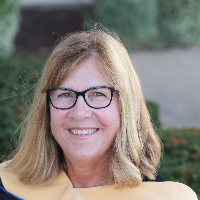
Illinois · 23 yrs exp
Licensed clinical social worker - mood and relationships
Stress, Anxiety · Trauma and abuse · Anger · Depression · +10 more
Read profile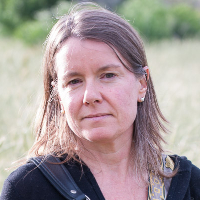
Colorado · 20 yrs exp
Licensed Clinical Social Worker - Stress and Trauma
Stress, Anxiety · Trauma and abuse · Grief · Depression · +15 more
Read profile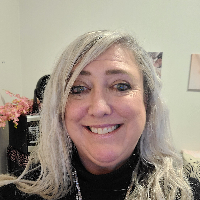
California · 10 yrs exp
Licensed Clinical Social Worker - stress and trauma
Stress, Anxiety · Addictions · Parenting · Self esteem · +12 more
Read profile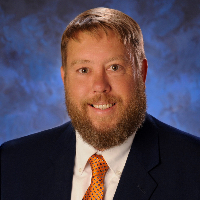
Oregon · 15 yrs exp
Licensed Clinical Social Worker - Stress and Trauma
Stress, Anxiety · Trauma and abuse · Grief · Self esteem · +15 more
Read profile
North Carolina · 7 yrs exp
Licensed Clinical Social Worker - Stress and Relationships
Stress, Anxiety · LGBT · Relationship · Trauma and abuse · +1 more
Read profile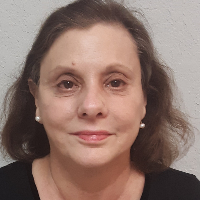
Florida · 32 yrs exp
Licensed Clinical Social Worker - Stress and Trauma
Stress, Anxiety · Trauma and abuse · Grief · Depression · +14 more
Read profile
Colorado · 22 yrs exp
Licensed Clinical Social Worker - adult mental health
Stress, Anxiety · Relationship · Trauma and abuse · Depression · +16 more
Read profile
New York · 25 yrs exp
Licensed Clinical Social Worker - Stress and Relationships
Stress, Anxiety · Relationship · Family · Trauma and abuse · +15 more
Read profile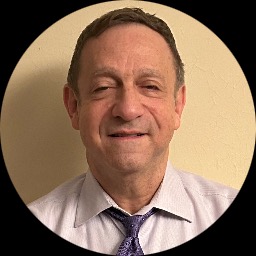
Illinois · 3 yrs exp
Licensed Clinical Social Worker - Stress and Relationships
Stress, Anxiety · Addictions · LGBT · Relationship · +10 more
Read profile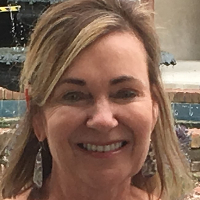
Kentucky · 15 yrs exp
Licensed Clinical Social Worker - relationships and mood
Stress, Anxiety · Relationship · Parenting · Anger · +13 more
Read profile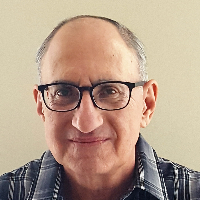
Florida · 20 yrs exp
Licensed Clinical Social Worker - Relationships and Stress
Stress, Anxiety · Relationship · Family · Trauma and abuse · +16 more
Read profile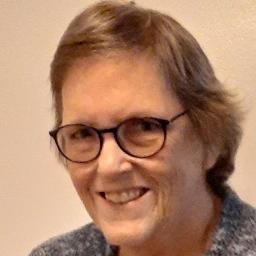
Florida · 19 yrs exp
Licensed Clinical Social Worker - Stress and Trauma
Stress, Anxiety · Trauma and abuse · Grief · Depression · +9 more
Read profile
Indiana · 33 yrs exp
Licensed clinical social worker - mood and relationships
Stress, Anxiety · Parenting · Anger · Depression · +13 more
Read profile
Connecticut · 16 yrs exp
Licensed clinical social worker - Stress and relationships
Stress, Anxiety · Addictions · Family · Anger · +14 more
Read profile
Florida · 3 yrs exp
Licensed Clinical Social Worker - Relationships and Stress
Stress, Anxiety · Relationship · Trauma and abuse · Parenting · +11 more
Read profile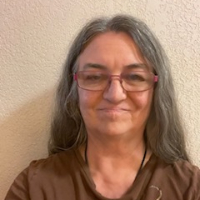
Arizona · 40 yrs exp
Licensed Clinical Social Worker - Relationships and Mood
Stress, Anxiety · LGBT · Relationship · Grief · +10 more
Read profile
Idaho · 18 yrs exp
Licensed Clinical Social Worker - Anxiety and Trauma
Stress, Anxiety · Trauma and abuse · Grief · Self esteem · +10 more
Read profile
Washington · 13 yrs exp
Licensed clinical social worker - stress and trauma
Stress, Anxiety · LGBT · Self esteem · Depression · +16 more
Read profile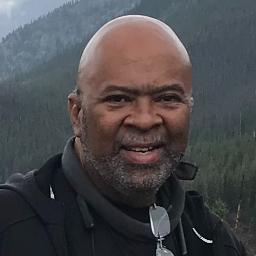
Missouri · 39 yrs exp
Licensed clinical social worker - Trauma and mood concerns
Trauma and abuse · Grief · Anger · Self esteem · +9 more
Read profile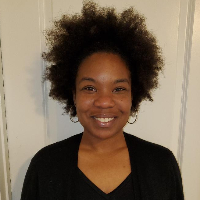
North Carolina · 15 yrs exp
Licensed Clinical Social Worker - Trauma and Relationships
LGBT · Relationship · Family · Parenting · +7 more
Read profile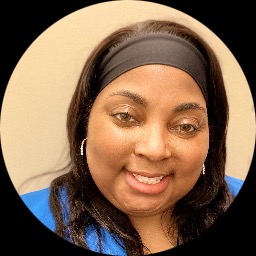
New York · 8 yrs exp
Licensed Clinical Social Worker - anxiety and trauma
Stress, Anxiety · Addictions · Relationship · Trauma and abuse · +12 more
Read profile
California · 23 yrs exp
Licensed Clinical Social Worker - Self esteem and relationships
Stress, Anxiety · Relationship · Self esteem · Depression · +8 more
Read profile
Florida · 16 yrs exp
Licensed clinical social worker - stress and trauma
Stress, Anxiety · Trauma and abuse · Grief · Self esteem · +10 more
Read profile
Florida · 13 yrs exp
Licensed Clinical Social Worker - Stress and Relationships
Stress, Anxiety · Relationship · Trauma and abuse · Self esteem · +4 more
Read profile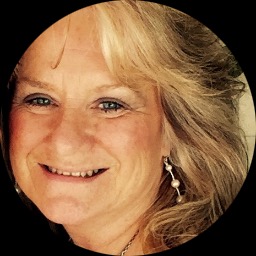
New Jersey · 25 yrs exp
Licensed Clinical Social Worker - Stress and Addictions
Stress, Anxiety · Addictions · Relationship · Family · +14 more
Read profile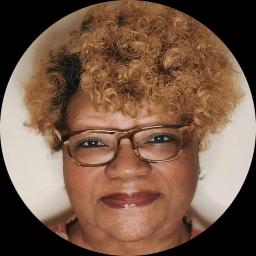
Louisiana · 30 yrs exp
Licensed Clinical Social Worker - Trauma and Anxiety
Stress, Anxiety · Family · Trauma and abuse · Self esteem · +16 more
Read profile
North Carolina · 24 yrs exp
Licensed clinical social worker - Trauma and life stress
Stress, Anxiety · Relationship · Family · Trauma and abuse · +14 more
Read profile
Virginia · 10 yrs exp
Licensed Clinical Social Worker - Stress and Life Changes
Stress, Anxiety · Self esteem · Career · Coping with life changes · +11 more
Read profile
Louisiana · 11 yrs exp
Licensed Clinical Social Worker - mood and trauma support
Stress, Anxiety · Addictions · LGBT · Trauma and abuse · +12 more
Read profile
Virginia · 40 yrs exp
Licensed Clinical Social Worker - stress and addiction focus
Stress, Anxiety · Addictions · Trauma and abuse · Grief · +16 more
Read profile
Texas · 13 yrs exp
Licensed Clinical Social Worker - Stress and Relationships
Stress, Anxiety · Relationship · Anger · Self esteem · +12 more
Read profileLGBT is an umbrella term that refers to lesbian, gay, bisexual, and transgender identities; many people also use it as shorthand for a broader range of sexual orientations and gender identities. For many individuals being LGBT is an ordinary part of who they are, while for others it intersects with family expectations, cultural norms, religious beliefs, workplace dynamics, and legal or medical systems in ways that shape daily experience. You may find that identity influences how you navigate relationships, disclosure, health care, and community belonging. Social and structural factors - such as discrimination, stigma, and unequal access to services - often shape stress in ways that go beyond the individual. That is one reason people frequently seek an LCSW: social work training looks at you in the context of your environment, so concerns about housing, employment, family, and access to services are considered alongside personal feelings and identity exploration.
An LCSW recognizes that being LGBT can intersect with race, disability, age, socioeconomic status, immigration status, and religion. Those intersections influence what support feels helpful. For example, coming out may play out differently depending on family expectations or cultural background, and planning for a medical transition may connect to questions about insurance, workplace protections, or local health services. Because LCSWs are trained to consider these wider circumstances, they often focus on both emotional processing and practical problem-solving.
If you are feeling isolated, uncertain about your identity, or overwhelmed by family or community reactions, it may be useful to speak with an LCSW. Other common reasons people seek help include managing anxiety or depression related to minority stress, processing trauma tied to harassment or discrimination, navigating relationships after disclosure, coping with the emotional impact of medical decisions, and handling legal or administrative challenges related to name or gender marker changes. You might also be looking for support to advocate for yourself in health care, school, or workplace settings, or to work through intergenerational conflicts about gender and sexuality.
Sometimes the signs are emotional - persistent sadness, panic, or a sense of being stuck. Other times they are practical - difficulty finding appropriate medical care, trouble accessing benefits, or uncertainty about how to discuss identity with a partner or family member. An LCSW can help you identify whether the issues are mainly about personal processing, environmental barriers, or a mix of both, and can help you outline steps that address feelings and circumstances together.
Sessions with an LCSW typically begin with a conversation about your goals and history, including social and environmental factors that are relevant to your situation. You can expect an initial period of assessment where the LCSW asks about relationships, living situation, work or school, mental health history, and any current stressors. From there, you and the LCSW will collaborate on goals that may include emotional coping, communication skills, safety planning, or connection to community resources. Because social work emphasizes the person-in-environment perspective, these sessions often include discussion of practical supports such as housing, benefits, school accommodations, or referrals to health care providers when those issues are relevant to your wellbeing.
Over time an LCSW may help you practice new ways of managing stress, rehearse conversations with loved ones, and identify resources in your community. They may also help you plan next steps that extend outside the therapy hour - for example, preparing for a medical appointment, connecting with legal resources, or locating peer support groups. If trauma is part of your history, an LCSW can work with you to create a pace that feels manageable and refer you to clinicians who list specific trauma-focused approaches when appropriate. The goals and pace of work are determined collaboratively, and you are encouraged to raise questions about any part of the process.
Licensed clinical social workers bring a variety of therapeutic approaches to their practice, and profiles often show the approaches a clinician lists. You may find therapists who list cognitive behavioral therapy, narrative therapy, acceptance and commitment therapy, interpersonal therapy, family systems perspectives, trauma-informed care, or strengths-based and advocacy-oriented models among their approaches. When a therapist lists a modality, it indicates a direction for the work rather than a guarantee of specific training. Many LCSWs combine talk-based approaches with practical case management to address both emotional and environmental needs. For LGBT concerns, clinicians may frame interventions in a way that acknowledges minority stress, community dynamics, and the need for resilience-building while also attending to the material and relational factors that affect daily life.
When you read a profile that names an approach, understand it as information about how the clinician tends to organize sessions. If you prefer a certain style - for example, a more directive skills-based approach or a collaborative narrative exploration - look for profiles that list those orientations. You can also note language skills or experience with specific populations, since cultural and identity matches can matter for some people seeking support.
Online sessions have become a common way to work with an LCSW, especially when local in-person options are limited or when travel or scheduling are barriers. Telehealth typically uses video or audio calls to connect you with a clinician, and many LCSWs offer a mix of remote and in-person sessions. Online work can make it easier to reach clinicians who list experience with LGBT concerns and who speak your language or share aspects of your identity. It also makes it simpler to access providers in areas with more specialized services.
When you plan for online sessions, think about the environment where you will meet - a place where you can speak openly and where interruptions are minimized. If household members are present, consider whether using headphones or scheduling at certain times improves privacy. Keep in mind that licensure is state-based, so the rules about where an LCSW can offer care across state lines vary. Because this directory lists each clinician's LCSW credential and practice details, you can use those profile elements to learn about their stated focus, languages, and approaches before initiating contact.
Choosing a clinician is a personal decision, and a few practical criteria can help you narrow options. Look at whether the LCSW lists LGBT as a focus and whether their profile includes experience with issues that matter to you, such as coming out, gender transition, relationship work, trauma, or family dynamics. Notice language offerings and cultural background if those factors are important for rapport. Review the approaches the clinician lists to get a sense of style - some people prefer directive skills-based work while others want an exploratory narrative approach. Also pay attention to whether the clinician highlights community work, advocacy, or connections to medical and legal resources if those services are relevant to your goals.
Before you reach out, think about the goals you want to discuss and any practical constraints - such as scheduling preferences or whether you need in-person vs remote sessions. It can be helpful to note a few questions to ask during an initial conversation about the clinician's experience with LGBT clients, how they approach person-in-environment concerns, and what kinds of supports they commonly provide. Profiles on this site indicate that each listed clinician holds an LCSW, which informs their training background and scope of practice. Use that information along with listed approaches, languages, and focus areas to choose an LCSW who aligns with the kind of support you are looking for.
Alabama
26 therapists
Alaska
18 therapists
Arizona
94 therapists
Arkansas
58 therapists
California
696 therapists
Colorado
143 therapists
Connecticut
115 therapists
Delaware
36 therapists
District of Columbia
7 therapists
Florida
827 therapists
Georgia
164 therapists
Hawaii
37 therapists
Idaho
41 therapists
Illinois
401 therapists
Indiana
195 therapists
Iowa
9 therapists
Kansas
27 therapists
Kentucky
142 therapists
Louisiana
134 therapists
Maine
50 therapists
Maryland
22 therapists
Massachusetts
14 therapists
Michigan
38 therapists
Minnesota
13 therapists
Mississippi
68 therapists
Missouri
151 therapists
Montana
57 therapists
Nebraska
2 therapists
Nevada
56 therapists
New Hampshire
16 therapists
New Jersey
227 therapists
New Mexico
50 therapists
New York
535 therapists
North Carolina
358 therapists
North Dakota
11 therapists
Ohio
31 therapists
Oklahoma
80 therapists
Oregon
65 therapists
Pennsylvania
225 therapists
Rhode Island
3 therapists
South Carolina
35 therapists
South Dakota
2 therapists
Tennessee
95 therapists
Texas
483 therapists
Utah
89 therapists
Vermont
3 therapists
Virginia
187 therapists
Washington
16 therapists
West Virginia
5 therapists
Wisconsin
122 therapists
Wyoming
19 therapists