
Velma Jones
LCSWNew York · 29 yrs exp
Licensed Clinical Social Worker - Relationships and Mood
Stress, Anxiety · Relationship · Trauma and abuse · Depression · +10 more
Read profileTherapist listings are provided by BetterHelp. We will earn a commission at no additional cost to you if you use our links to purchase.
Browse licensed clinical social workers who list divorce as a focus area to find professional support during separation, divorce, or related transitions. Use the listings below to review profiles, compare focus areas and experience, and learn about different approaches.
New York · 29 yrs exp
Licensed Clinical Social Worker - Relationships and Mood
Stress, Anxiety · Relationship · Trauma and abuse · Depression · +10 more
Read profile
Florida · 14 yrs exp
Florida LCSW - Stress and Relationship Support
Stress, Anxiety · Grief · Anger · Self esteem · +12 more
Read profile
Illinois · 17 yrs exp
Licensed clinical social worker - trauma and life transitions
Trauma and abuse · Coping with life changes · Stress, Anxiety · Relationship · +9 more
Read profile
Colorado · 19 yrs exp
Licensed Clinical Social Worker - Stress and Relationships
Stress, Anxiety · Relationship · Trauma and abuse · Grief · +12 more
Read profile
Texas · 13 yrs exp
Licensed Clinical Social Worker - Stress and Relationship support
Stress, Anxiety · Relationship · Trauma and abuse · Anger · +11 more
Read profile
New York · 24 yrs exp
Licensed Clinical Social Worker - Anxiety and Depression
Stress, Anxiety · Relationship · Anger · Self esteem · +12 more
Read profile
Missouri · 36 yrs exp
Licensed Clinical Social Worker - Mood and Trauma
Stress, Anxiety · Relationship · Trauma and abuse · Intimacy-related issues · +15 more
Read profile
Missouri · 16 yrs exp
Licensed clinical social worker - mood and trauma support
Stress, Anxiety · Trauma and abuse · Self esteem · Bipolar · +12 more
Read profile
North Carolina · 10 yrs exp
Licensed Clinical Social Worker - Anxiety and Relationships
Stress, Anxiety · Relationship · Family · Bipolar · +16 more
Read profile
Louisiana · 16 yrs exp
Licensed Clinical Social Worker - mood and relationships
Stress, Anxiety · Relationship · Trauma and abuse · Bipolar · +16 more
Read profile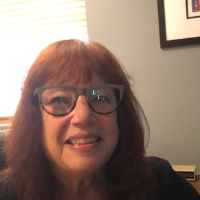
New York · 30 yrs exp
Licensed Clinical Social Worker - Relationships and Life Changes
Stress, Anxiety · Relationship · Parenting · Self esteem · +11 more
Read profile
Texas · 21 yrs exp
Licensed Clinical Social Worker - Life changes and relationships
Stress, Anxiety · Relationship · Trauma and abuse · Intimacy-related issues · +15 more
Read profile
Indiana · 11 yrs exp
Licensed Clinical Social Worker - Relationships and Trauma
Stress, Anxiety · Grief · Depression · Coping with life changes · +8 more
Read profile
Louisiana · 14 yrs exp
Licensed clinical social worker - Stress and trauma
Stress, Anxiety · Anger · Self esteem · Depression · +9 more
Read profile
Texas · 33 yrs exp
Licensed Clinical Social Worker - Relationships and Stress
Stress, Anxiety · Relationship · Family · Self esteem · +11 more
Read profile
Texas · 20 yrs exp
Licensed social worker - stress and addiction
Stress, Anxiety · Addictions · Family · Grief · +15 more
Read profile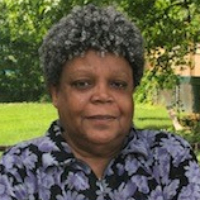
Virginia · 47 yrs exp
Licensed Clinical Social Worker - stress and relationships
Stress, Anxiety · Relationship · Grief · Self esteem · +10 more
Read profile
Colorado · 9 yrs exp
Licensed Clinical Social Worker - stress and relationships
Stress, Anxiety · Relationship · Grief · Depression · +11 more
Read profile
California · 20 yrs exp
Licensed Clinical Social Worker - Stress and Relationships
Stress, Anxiety · Relationship · Family · Parenting · +15 more
Read profile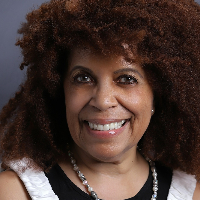
Tennessee · 15 yrs exp
Licensed Clinical Social Worker - Relationships and Stress
Stress, Anxiety · Relationship · Family · Self esteem · +9 more
Read profile
Missouri · 35 yrs exp
LCSW - Stress and trauma-focused clinician
Stress, Anxiety · Trauma and abuse · Anger · Bipolar · +13 more
Read profile
Texas · 5 yrs exp
Licensed Clinical Social Worker - relationships and trauma
Stress, Anxiety · Relationship · Family · Trauma and abuse · +9 more
Read profile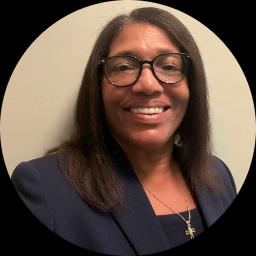
Mississippi · 36 yrs exp
Licensed Clinical Social Worker - Family and Parenting
Family · Parenting · Anger · Self esteem · +11 more
Read profile
Florida · 28 yrs exp
Licensed clinical social worker - stress and trauma
Stress, Anxiety · Addictions · Trauma and abuse · Self esteem · +13 more
Read profile
Colorado · 15 yrs exp
Licensed clinical social worker - anxiety and life changes
Stress, Anxiety · Grief · Depression · Coping with life changes · +10 more
Read profile
New York · 25 yrs exp
Licensed Clinical Social Worker - Stress and Anxiety
Stress, Anxiety · Grief · Anger · Self esteem · +6 more
Read profile
Connecticut · 24 yrs exp
Licensed clinical social worker - stress and mood concerns
Stress, Anxiety · Relationship · Grief · Self esteem · +11 more
Read profile
Indiana · 12 yrs exp
Licensed clinical social worker - mood and trauma
Stress, Anxiety · Trauma and abuse · Self esteem · Bipolar · +10 more
Read profile
New Jersey · 12 yrs exp
LCSW - Stress and relationship concerns
Stress, Anxiety · Relationship · Trauma and abuse · Self esteem · +1 more
Read profile
Florida · 40 yrs exp
Licensed Clinical Social Worker - Addictions and Relationships
Addictions · Relationship · Grief · Depression · +13 more
Read profile
Missouri · 13 yrs exp
Licensed Clinical Social Worker - Anxiety and Addictions
Stress, Anxiety · Addictions · Relationship · Family · +6 more
Read profile
Florida · 25 yrs exp
Licensed clinical social worker - mood and coping
Stress, Anxiety · Addictions · Grief · Bipolar · +5 more
Read profile
Texas · 35 yrs exp
Licensed Clinical Social Worker - Stress and Trauma
Stress, Anxiety · Relationship · Family · Trauma and abuse · +14 more
Read profile
Illinois · 23 yrs exp
Licensed clinical social worker - mood and relationships
Stress, Anxiety · Trauma and abuse · Anger · Depression · +10 more
Read profile
Colorado · 20 yrs exp
Licensed Clinical Social Worker - Stress and Trauma
Stress, Anxiety · Trauma and abuse · Grief · Depression · +15 more
Read profile
Wisconsin · 18 yrs exp
Licensed Clinical Social Worker - Relationships and Stress
Stress, Anxiety · Parenting · Self esteem · Depression · +11 more
Read profile
Kentucky · 8 yrs exp
Licensed Clinical Social Worker - Stress and Relationships
Stress, Anxiety · Relationship · Family · Trauma and abuse · +5 more
Read profile
Oregon · 15 yrs exp
Licensed Clinical Social Worker - Stress and Trauma
Stress, Anxiety · Trauma and abuse · Grief · Self esteem · +15 more
Read profile
North Carolina · 7 yrs exp
Licensed Clinical Social Worker - Stress and Relationships
Stress, Anxiety · LGBT · Relationship · Trauma and abuse · +1 more
Read profile
Illinois · 39 yrs exp
Licensed Clinical Social Worker - stress and relationships
Stress, Anxiety · Relationship · Grief · Sleeping · +1 more
Read profile
New York · 25 yrs exp
Licensed Clinical Social Worker - Stress and Relationships
Stress, Anxiety · Relationship · Family · Trauma and abuse · +15 more
Read profile
Illinois · 3 yrs exp
Licensed Clinical Social Worker - Stress and Relationships
Stress, Anxiety · Addictions · LGBT · Relationship · +10 more
Read profile
Kentucky · 15 yrs exp
Licensed Clinical Social Worker - relationships and mood
Stress, Anxiety · Relationship · Parenting · Anger · +13 more
Read profile
Utah · 30 yrs exp
Licensed social worker - mood and dependency concerns
Stress, Anxiety · Trauma and abuse · Grief · Anger · +1 more
Read profile
Florida · 19 yrs exp
Licensed Clinical Social Worker - Stress and Trauma
Stress, Anxiety · Trauma and abuse · Grief · Depression · +9 more
Read profile
Indiana · 33 yrs exp
Licensed clinical social worker - mood and relationships
Stress, Anxiety · Parenting · Anger · Depression · +13 more
Read profile
Connecticut · 16 yrs exp
Licensed clinical social worker - Stress and relationships
Stress, Anxiety · Addictions · Family · Anger · +14 more
Read profile
Florida · 3 yrs exp
Licensed Clinical Social Worker - Relationships and Stress
Stress, Anxiety · Relationship · Trauma and abuse · Parenting · +11 more
Read profile
Arizona · 40 yrs exp
Licensed Clinical Social Worker - Relationships and Mood
Stress, Anxiety · LGBT · Relationship · Grief · +10 more
Read profile
Idaho · 18 yrs exp
Licensed Clinical Social Worker - Anxiety and Trauma
Stress, Anxiety · Trauma and abuse · Grief · Self esteem · +10 more
Read profile
North Carolina · 15 yrs exp
Licensed Clinical Social Worker - Trauma and Relationships
LGBT · Relationship · Family · Parenting · +7 more
Read profile
Florida · 16 yrs exp
Dr. Amary Alcide - LCSW, stress and relationships
Stress, Anxiety · Relationship · Parenting · Self esteem · +8 more
Read profile
California · 30 yrs exp
Licensed clinical social worker - family and trauma
Family · Trauma and abuse · Grief · Parenting · +9 more
Read profile
Tennessee · 12 yrs exp
Licensed Clinical Social Worker - Relationships and Life Change
Relationship · Grief · Intimacy-related issues · Depression · +3 more
Read profile
Illinois · 12 yrs exp
Licensed clinical social worker - mood and coping support
Stress, Anxiety · Trauma and abuse · Bipolar · Depression · +12 more
Read profile
California · 23 yrs exp
Licensed Clinical Social Worker - Self esteem and relationships
Stress, Anxiety · Relationship · Self esteem · Depression · +8 more
Read profile
Florida · 16 yrs exp
Licensed clinical social worker - stress and trauma
Stress, Anxiety · Trauma and abuse · Grief · Self esteem · +10 more
Read profile
Utah · 23 yrs exp
Licensed Clinical Social Worker - Stress and Anxiety
Stress, Anxiety · Anger · Self esteem · Career · +1 more
Read profile
Montana · 6 yrs exp
Licensed Clinical Social Worker - Depression and Anxiety
Depression · Coping with life changes · Compassion fatigue · Stress, Anxiety · +9 more
Read profile
Illinois · 40 yrs exp
Licensed Clinical Social Worker - Stress and Family Concerns
Stress, Anxiety · Family · Parenting · Self esteem · +9 more
Read profileDivorce is rarely only a legal event - it tends to ripple through many parts of your life at once. Emotionally, you may experience grief, anger, relief, shame, or a shifting sense of identity. Practically, you may face changes in housing, finances, parenting routines, work schedules, and social supports. Licensed Clinical Social Workers bring training that views you in context - they consider your feelings alongside the conditions that shape them, such as your living situation, employment, family responsibilities, and access to community resources. That person-in-environment perspective can help you see how external pressures and internal experience interact, and it can guide plans that address both kinds of needs.
People often notice that the one thing that feels manageable one week becomes overwhelming the next. You might be juggling logistical tasks like changing accounts or moving, while also processing relationship loss and adjusting to co-parenting or single parenting. An LCSW is trained to help with emotional processing and to connect you to practical supports, which can make the process of reorganization less isolating and more structured. Because licensing and scope vary by state, LCSWs will practice within the rules set by their state board but share core clinical preparation and an emphasis on both personal and environmental factors.
You might benefit from meeting with a licensed clinical social worker if everyday tasks feel impossible, your mood has shifted in ways that interfere with work or relationships, or you notice recurring patterns that keep creating conflict. You may also look for help when parenting becomes more strained, when new or existing mental health symptoms intensify, when you are having trouble making decisions about finances or housing, or when interactions with your former partner repeatedly become high conflict. An LCSW can help you sort immediate priorities while also exploring longer-term adjustments.
Some people seek support because they want help managing communication and co-parenting plans. Others want a space to process grief about the relationship or to work through feelings of guilt or betrayal. You may also be searching for assistance in navigating systems - for example, connecting with community resources, understanding options for financial planning, or accessing support for children. Because social work training includes case management skills, an LCSW can combine clinical attention to your emotions with practical help in locating services, advocating for needs, and building a more sustainable day-to-day plan.
Your first sessions with an LCSW will usually involve a thorough assessment of where you are now and what you want to change or protect. You can expect a conversation about your current stressors, mental and physical health, relationships, housing and financial circumstances, and any safety concerns. From there, you and the LCSW will outline goals that reflect both emotional healing and practical needs. Goals might include reducing symptoms of anxiety or depression, establishing co-parenting routines, managing legal stress, or creating a plan for relocation or financial stabilization.
Sessions often blend exploration of feelings with concrete planning. An LCSW may help you develop communication strategies for dealing with a former partner, role-play difficult conversations, create lists of next steps for housing or benefits, or link you to community programs for financial counseling or childcare. If you need documentation for a custody evaluation or other legal process, the LCSW can explain how clinical notes and assessments are created, while reminding you that they do not provide legal advice. Frequency of sessions varies based on need - some people meet weekly while others prefer biweekly check-ins - and the LCSW will work with you to find a schedule that matches your situation.
Licensed Clinical Social Workers often draw on a range of clinical orientations as well as social work skills that address environmental factors. On profile pages you may find therapists who list cognitive behavioral therapy, emotionally focused therapy, family systems, narrative approaches, or trauma-informed care among their approaches. That language indicates what a clinician tends to use in sessions; it does not guarantee a particular outcome, but it can help you understand how a therapist frames change and coping.
Because LCSWs emphasize person-in-environment thinking, they tend to weave clinical work with attention to housing, financial supports, legal navigation, and community resources. For example, while you and an LCSW might process anger related to a breakup, you might also map out practical steps to stabilize your living situation or to find childcare. This combination can be especially useful during divorce, when emotional work and real-world problem solving often need to proceed together. When reviewing profiles, note which clinicians mention experience with co-parenting, high-conflict separation, blended family transitions, or trauma-related symptoms - those focus areas can inform how a therapist structures sessions around your goals.
Online sessions with a licensed clinical social worker can make ongoing support more practical when you are balancing work, parenting, moving, or legal appointments. Telehealth lets you meet from home or another convenient location and can increase access to clinicians who speak your language or have experience with specific issues. Keep in mind that licensing is governed by each state board, so an LCSW will practice within the rules of the state that issues their license. If you are considering a clinician located in another state, be aware of licensure implications and ask about them when you review a profile or contact a clinician.
When choosing an LCSW for divorce work, look beyond overall ratings and instead focus on concrete fit factors. Compare focus areas to see who lists divorce, separation, co-parenting, or family transitions among their specialties. Review the approaches clinicians list to find a conceptual match for how you like to work - for example, whether you prefer practical problem solving, emotional processing, or family systems framing. Note languages offered, cultural competence statements, and any experience working with high-conflict situations, domestic violence, or trauma if those apply to your case. It is appropriate to ask a prospective clinician about their experience coordinating with attorneys, mediators, or custody evaluators, while remembering that they will not provide legal counsel.
Finally, consider how you want to be supported in the moment. Some people want structure and skills to manage emotions, others want help organizing logistics, and some want a mixture of both. Comparing credentials, focus areas, listed approaches, languages, and professional experience can help you identify an LCSW whose profile aligns with your needs. The listings on this site are intended to help you review that information so you can select someone whose background and perspective feel like a good match for the particular challenges of divorce and transition.
Alabama
26 therapists
Alaska
18 therapists
Arizona
94 therapists
Arkansas
58 therapists
California
696 therapists
Colorado
143 therapists
Connecticut
115 therapists
Delaware
36 therapists
District of Columbia
7 therapists
Florida
827 therapists
Georgia
164 therapists
Hawaii
37 therapists
Idaho
41 therapists
Illinois
401 therapists
Indiana
195 therapists
Iowa
9 therapists
Kansas
27 therapists
Kentucky
142 therapists
Louisiana
134 therapists
Maine
50 therapists
Maryland
22 therapists
Massachusetts
14 therapists
Michigan
38 therapists
Minnesota
13 therapists
Mississippi
68 therapists
Missouri
151 therapists
Montana
57 therapists
Nebraska
2 therapists
Nevada
56 therapists
New Hampshire
16 therapists
New Jersey
227 therapists
New Mexico
50 therapists
New York
535 therapists
North Carolina
358 therapists
North Dakota
11 therapists
Ohio
31 therapists
Oklahoma
80 therapists
Oregon
65 therapists
Pennsylvania
225 therapists
Rhode Island
3 therapists
South Carolina
35 therapists
South Dakota
2 therapists
Tennessee
95 therapists
Texas
483 therapists
Utah
89 therapists
Vermont
3 therapists
Virginia
187 therapists
Washington
16 therapists
West Virginia
5 therapists
Wisconsin
122 therapists
Wyoming
19 therapists