
Velma Jones
LCSWNew York · 29 yrs exp
Licensed Clinical Social Worker - Relationships and Mood
Stress, Anxiety · Relationship · Trauma and abuse · Depression · +10 more
Read profileTherapist listings are provided by BetterHelp. We will earn a commission at no additional cost to you if you use our links to purchase.
This page features licensed clinical social workers who focus on caregiver issues and stress. Browse the listings below to explore each LCSW's focus areas, approaches, credentials, languages, and experience to find a strong match for your situation.
New York · 29 yrs exp
Licensed Clinical Social Worker - Relationships and Mood
Stress, Anxiety · Relationship · Trauma and abuse · Depression · +10 more
Read profile
Florida · 14 yrs exp
Florida LCSW - Stress and Relationship Support
Stress, Anxiety · Grief · Anger · Self esteem · +12 more
Read profile
Illinois · 17 yrs exp
Licensed clinical social worker - trauma and life transitions
Trauma and abuse · Coping with life changes · Stress, Anxiety · Relationship · +9 more
Read profile
Colorado · 19 yrs exp
Licensed Clinical Social Worker - Stress and Relationships
Stress, Anxiety · Relationship · Trauma and abuse · Grief · +12 more
Read profile
Texas · 13 yrs exp
Licensed Clinical Social Worker - Stress and Relationship support
Stress, Anxiety · Relationship · Trauma and abuse · Anger · +11 more
Read profile
Florida · 23 yrs exp
Licensed clinical social worker - LGBT and intimacy issues
LGBT · Intimacy-related issues
Read profile
New Jersey · 15 yrs exp
Licensed Clinical Social Worker - Stress and Family
Stress, Anxiety · Family · Trauma and abuse · Parenting · +10 more
Read profile
New York · 24 yrs exp
Licensed Clinical Social Worker - Anxiety and Depression
Stress, Anxiety · Relationship · Anger · Self esteem · +12 more
Read profile
Missouri · 36 yrs exp
Licensed Clinical Social Worker - Mood and Trauma
Stress, Anxiety · Relationship · Trauma and abuse · Intimacy-related issues · +15 more
Read profile
North Carolina · 10 yrs exp
Licensed Clinical Social Worker - Anxiety and Relationships
Stress, Anxiety · Relationship · Family · Bipolar · +16 more
Read profile
New York · 35 yrs exp
Licensed Clinical Social Worker - stress and relationships
Stress, Anxiety · Self esteem · Career · ADHD · +10 more
Read profile
California · 14 yrs exp
Licensed Clinical Social Worker - trauma and life transitions
Stress, Anxiety · Trauma and abuse · Grief · Self esteem · +8 more
Read profile
New York · 25 yrs exp
Licensed Clinical Social Worker - stress and trauma
Stress, Anxiety · Trauma and abuse · Self esteem · Depression · +7 more
Read profile
Florida · 10 yrs exp
Licensed Clinical Social Worker - stress and family concerns
Stress, Anxiety · Addictions · Family · Grief · +8 more
Read profile
Texas · 21 yrs exp
Licensed Clinical Social Worker - Life changes and relationships
Stress, Anxiety · Relationship · Trauma and abuse · Intimacy-related issues · +15 more
Read profile
Illinois · 25 yrs exp
Licensed clinical social worker - anxiety and life changes
Stress, Anxiety · Self esteem · Career · Coping with life changes · +10 more
Read profile
Louisiana · 14 yrs exp
Licensed clinical social worker - Stress and trauma
Stress, Anxiety · Anger · Self esteem · Depression · +9 more
Read profile
Mississippi · 12 yrs exp
Licensed clinical social worker - stress and addiction
Stress, Anxiety · Addictions · Anger · Self esteem · +12 more
Read profile
Texas · 8 yrs exp
Licensed Clinical Social Worker - Stress and Relationships
Stress, Anxiety · Relationship · Self esteem · Depression · +8 more
Read profile
Tennessee · 35 yrs exp
Licensed Clinical Social Worker - Stress and Relationships
Stress, Anxiety · Grief · Self esteem · Depression · +8 more
Read profile
Georgia · 25 yrs exp
Licensed clinical social worker - mood and relationships
Stress, Anxiety · Parenting · Anger · Self esteem · +15 more
Read profile
Texas · 33 yrs exp
Licensed Clinical Social Worker - Relationships and Stress
Stress, Anxiety · Relationship · Family · Self esteem · +11 more
Read profile
Texas · 20 yrs exp
Licensed social worker - stress and addiction
Stress, Anxiety · Addictions · Family · Grief · +15 more
Read profile
Colorado · 9 yrs exp
Licensed Clinical Social Worker - stress and relationships
Stress, Anxiety · Relationship · Grief · Depression · +11 more
Read profile
New York · 14 yrs exp
Licensed Clinical Social Worker - Stress and Trauma
Stress, Anxiety · Trauma and abuse · Grief · Depression · +6 more
Read profile
Michigan · 24 yrs exp
Licensed Clinical Social Worker - mood and addiction support
Stress, Anxiety · Addictions · Relationship · Family · +1 more
Read profile
Florida · 28 yrs exp
Licensed Clinical Social Worker - Anxiety and Addictions
Addictions · Trauma and abuse · Parenting · Bipolar · +15 more
Read profile
California · 20 yrs exp
Licensed Clinical Social Worker - Stress and Relationships
Stress, Anxiety · Relationship · Family · Parenting · +15 more
Read profile
Mississippi · 21 yrs exp
Licensed Clinical Social Worker - stress and family concerns
Stress, Anxiety · Family · Parenting · Anger · +9 more
Read profile
Tennessee · 15 yrs exp
Licensed Clinical Social Worker - Relationships and Stress
Stress, Anxiety · Relationship · Family · Self esteem · +9 more
Read profile
Missouri · 35 yrs exp
LCSW - Stress and trauma-focused clinician
Stress, Anxiety · Trauma and abuse · Anger · Bipolar · +13 more
Read profile
New York · 15 yrs exp
Licensed Clinical Social Worker - Relationships and Addictions
Stress, Anxiety · Addictions · Relationship · Self esteem · +10 more
Read profile
Michigan · 11 yrs exp
Licensed Clinical Social Worker - Stress and Trauma
Stress, Anxiety · Relationship · Trauma and abuse · Grief · +1 more
Read profile
Texas · 5 yrs exp
Licensed Clinical Social Worker - relationships and trauma
Stress, Anxiety · Relationship · Family · Trauma and abuse · +9 more
Read profile
Mississippi · 36 yrs exp
Licensed Clinical Social Worker - Family and Parenting
Family · Parenting · Anger · Self esteem · +11 more
Read profile
Florida · 28 yrs exp
Licensed clinical social worker - stress and trauma
Stress, Anxiety · Addictions · Trauma and abuse · Self esteem · +13 more
Read profile
New York · 14 yrs exp
Licensed Clinical Social Worker - stress and relationships
Stress, Anxiety · Relationship · Trauma and abuse · Self esteem · +5 more
Read profile
Colorado · 15 yrs exp
Licensed clinical social worker - anxiety and life changes
Stress, Anxiety · Grief · Depression · Coping with life changes · +10 more
Read profile
Wyoming · 14 yrs exp
Licensed clinical social worker - mood and relationships
Addictions · Relationship · Depression · Coping with life changes · +11 more
Read profile
New York · 25 yrs exp
Licensed Clinical Social Worker - Stress and Anxiety
Stress, Anxiety · Grief · Anger · Self esteem · +6 more
Read profile
Connecticut · 24 yrs exp
Licensed clinical social worker - stress and mood concerns
Stress, Anxiety · Relationship · Grief · Self esteem · +11 more
Read profile
Illinois · 10 yrs exp
Licensed Clinical Social Worker - Stress and Trauma
Stress, Anxiety · Trauma and abuse · Grief · Self esteem · +11 more
Read profile
Indiana · 12 yrs exp
Licensed clinical social worker - mood and trauma
Stress, Anxiety · Trauma and abuse · Self esteem · Bipolar · +10 more
Read profile
Texas · 11 yrs exp
Licensed Clinical Social Worker - relationships and stress
Stress, Anxiety · Relationship · Trauma and abuse · Self esteem · +5 more
Read profile
Florida · 40 yrs exp
Licensed Clinical Social Worker - Addictions and Relationships
Addictions · Relationship · Grief · Depression · +13 more
Read profile
Florida · 25 yrs exp
Licensed clinical social worker - mood and coping
Stress, Anxiety · Addictions · Grief · Bipolar · +5 more
Read profile
Texas · 35 yrs exp
Licensed Clinical Social Worker - Stress and Trauma
Stress, Anxiety · Relationship · Family · Trauma and abuse · +14 more
Read profile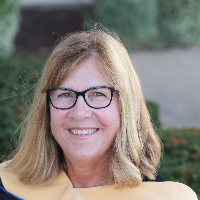
Illinois · 23 yrs exp
Licensed clinical social worker - mood and relationships
Stress, Anxiety · Trauma and abuse · Anger · Depression · +10 more
Read profile
Colorado · 20 yrs exp
Licensed Clinical Social Worker - Stress and Trauma
Stress, Anxiety · Trauma and abuse · Grief · Depression · +15 more
Read profile
Wisconsin · 18 yrs exp
Licensed Clinical Social Worker - Relationships and Stress
Stress, Anxiety · Parenting · Self esteem · Depression · +11 more
Read profile
Virginia · 10 yrs exp
Licensed clinical social worker - trauma and relationships
Relationship · Trauma and abuse · Self esteem · Depression · +5 more
Read profile
Connecticut · 24 yrs exp
Licensed Clinical Social Worker - Anxiety and Addictions
Stress, Anxiety · Addictions · Family · Bipolar · +10 more
Read profile
California · 10 yrs exp
Licensed Clinical Social Worker - stress and trauma
Stress, Anxiety · Addictions · Parenting · Self esteem · +12 more
Read profile
Kentucky · 8 yrs exp
Licensed Clinical Social Worker - Stress and Relationships
Stress, Anxiety · Relationship · Family · Trauma and abuse · +5 more
Read profile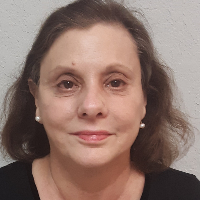
Florida · 32 yrs exp
Licensed Clinical Social Worker - Stress and Trauma
Stress, Anxiety · Trauma and abuse · Grief · Depression · +14 more
Read profile
Indiana · 25 yrs exp
Licensed Clinical Social Worker - stress and relationships
Stress, Anxiety · Relationship · Grief · Self esteem · +12 more
Read profile
North Carolina · 10 yrs exp
Licensed Clinical Social Worker - Stress and Trauma
Stress, Anxiety · Trauma and abuse · Self esteem · Depression · +1 more
Read profile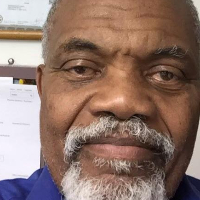
Illinois · 39 yrs exp
Licensed Clinical Social Worker - stress and relationships
Stress, Anxiety · Relationship · Grief · Sleeping · +1 more
Read profile
Colorado · 22 yrs exp
Licensed Clinical Social Worker - adult mental health
Stress, Anxiety · Relationship · Trauma and abuse · Depression · +16 more
Read profile
Florida · 20 yrs exp
Licensed Clinical Social Worker - Stress and Trauma
Stress, Anxiety · Trauma and abuse · Grief · Career · +15 more
Read profileCaregiving can be deeply meaningful and also intensely demanding. You may be supporting an aging parent, a partner with a chronic condition, a child with special needs, or a family member recovering from illness. Over time the cumulative demands of coordinating appointments, managing medications, navigating insurance or benefits, arranging personal care, and handling household tasks can erode your energy and emotional reserves. Caregiver issues and stress is the broad term used to describe the emotional, physical, social, and practical strain that can result from these responsibilities. It often shows up alongside grief for the life that was, frustration with systems that feel overwhelming, and worry about the future.
Licensed clinical social workers bring a perspective that looks beyond symptoms to the circumstances that shape them. Because social work education emphasizes a person-in-environment approach, an LCSW will consider your living situation, financial pressures, work demands, family relationships, and access to community resources alongside how you are feeling emotionally and physically. That combination of attention to context and clinical skill can be particularly useful when caregiving intersects with broader life stressors.
You might be thinking about professional support if you find yourself chronically exhausted, overwhelmed, or unable to make time for your own health. Caregiver stress often expresses as persistent fatigue, increased irritability, sleep disruption, difficulty concentrating, or feelings of guilt and resentment. You may notice changes in appetite or health symptoms that feel related to long-term stress. Social withdrawal, declining performance at work, or strained relationships with other family members are common signals that the load is affecting daily life.
Beyond the emotional and physical signs, there are practical red flags that suggest an LCSW could help. If you are struggling to navigate complex systems - such as long-term care planning, insurance, legal or benefits questions - or if the division of caregiving duties in your family is a source of conflict, a clinician who understands systems and services can be useful. An LCSW can work with you to identify resources, clarify priorities, and support communication strategies that reduce friction and preserve your wellbeing.
Initial sessions often focus on getting a clear picture of what you are managing and what matters most to you. An LCSW will ask about the person you are caring for, the practical tasks you perform, the supports you already have, and the specific stresses you experience. You will talk about your own health, routines, and coping methods, and the clinician will likely explore how caregiving fits within your broader life context - work, family, finances, and housing. From there you and the LCSW can set goals that are realistic and tailored to your priorities, whether those goals center on reducing day-to-day overwhelm, improving communication with family, arranging more reliable help, or attending to your own mental health.
As you progress, expect a blend of emotional support and practical problem solving. An LCSW often combines clinical skills with case management knowledge. That means you may work on stress management, emotion regulation, and grief and loss, while also receiving help to identify community resources, navigate benefits, and plan for transitions in care. Sessions frequently alternate between addressing immediate crises and building longer-term strategies so that your caregiving role becomes more sustainable.
Therapists who hold an LCSW may use a variety of approaches depending on their training and the needs you describe. Cognitive-behavioral methods are commonly applied to help you identify unhelpful thinking patterns and build practical skills for managing anxiety and mood. Acceptance-based strategies can support you in coping with aspects of caregiving that are outside your control while clarifying the values that guide your choices. Short-term, solution-focused work can be helpful when you need concrete plans for problem areas such as respite, legal planning, or coordinating care.
Because caregiving often involves relationships, family systems perspectives are frequently part of the work. You might meet with an LCSW to improve communication, renegotiate roles within your family, or plan for shared responsibilities. Some clinicians integrate stress reduction and mindfulness practices to help you recover energy in the midst of ongoing demands. When reading listings, look for therapists who list particular approaches among their methods so you can match the style of work you think will suit you best. Remember that the presence of an approach on a profile indicates it is part of a clinician's practice, not a guarantee of any specific outcome.
Online sessions can be a practical option when caregiving makes it hard to travel or keep a fixed schedule. Virtual meetings let you connect from home, a waiting room, or another convenient location while continuing to fulfill responsibilities. The format often allows for shorter, more frequent check-ins when that is useful, and it can make it easier to include other family members who live elsewhere in sessions when needed. If you choose remote sessions, be sure to ask about the clinician's experience working with caregivers in an online setting so you can get a sense of how they balance practical problem solving with emotional support.
When you review profiles, focus on the combination of credentials, experience, focus areas, and language skills that matter to you. Credentials matter because an LCSW indicates a specific level of graduate education, supervised clinical experience, and passage of a licensing exam. Beyond that, look for clinicians who list caregiver issues, family caregiving, or related specialties among their focus areas. Pay attention to approaches they list if you have a preference for cognitive strategies, acceptance-based work, family systems focus, or practical case management alongside clinical support. Consider whether you want someone who has experience with older adults, dementia, chronic illness, developmental disabilities, or end-of-life planning, depending on your situation.
Practical considerations such as session length, whether the clinician offers remote work, the languages they speak, and their general experience with caregiving populations can shape the fit. It is also helpful to think about the tone you want - whether you prefer a directive problem-solver, a reflective listener, or someone who blends advocacy and therapy. Use the listings to compare focus areas, approaches, credentials, languages, and years of experience so you can identify LCSWs who align with the kind of support you need.
If you decide to reach out to an LCSW, consider preparing a brief summary of the caregiving situation, the main stressors you face, and what you hope to change. Having a short list of priorities helps you and the clinician use initial meetings efficiently. Expect that early sessions may include exploring immediate supports and building a plan to protect your own wellbeing, such as identifying short-term respite, setting boundaries, and arranging medical or legal consults when necessary. Over time you can shift focus toward long-term planning, coping skills, and rebuilding parts of life that caregiving may have displaced.
Caregiving is rarely straightforward, and seeking support does not mean you are failing at your role. Working with a licensed clinical social worker can give you a blend of emotional support, practical tools, and systems knowledge that’s specifically suited to the complexities of caregiving. Use the listings on this page to find an LCSW whose background and approach resonate with you, and keep in mind that the right match is one that helps you feel more capable, less overwhelmed, and better able to care for both your loved one and yourself.
Alabama
26 therapists
Alaska
18 therapists
Arizona
94 therapists
Arkansas
58 therapists
California
696 therapists
Colorado
143 therapists
Connecticut
115 therapists
Delaware
36 therapists
District of Columbia
7 therapists
Florida
827 therapists
Georgia
164 therapists
Hawaii
37 therapists
Idaho
41 therapists
Illinois
401 therapists
Indiana
195 therapists
Iowa
9 therapists
Kansas
27 therapists
Kentucky
142 therapists
Louisiana
134 therapists
Maine
50 therapists
Maryland
22 therapists
Massachusetts
14 therapists
Michigan
38 therapists
Minnesota
13 therapists
Mississippi
68 therapists
Missouri
151 therapists
Montana
57 therapists
Nebraska
2 therapists
Nevada
56 therapists
New Hampshire
16 therapists
New Jersey
227 therapists
New Mexico
50 therapists
New York
535 therapists
North Carolina
358 therapists
North Dakota
11 therapists
Ohio
31 therapists
Oklahoma
80 therapists
Oregon
65 therapists
Pennsylvania
225 therapists
Rhode Island
3 therapists
South Carolina
35 therapists
South Dakota
2 therapists
Tennessee
95 therapists
Texas
483 therapists
Utah
89 therapists
Vermont
3 therapists
Virginia
187 therapists
Washington
16 therapists
West Virginia
5 therapists
Wisconsin
122 therapists
Wyoming
19 therapists