
Velma Jones
LCSWNew York · 29 yrs exp
Licensed Clinical Social Worker - Relationships and Mood
Stress, Anxiety · Relationship · Trauma and abuse · Depression · +10 more
Read profileTherapist listings are provided by BetterHelp. We will earn a commission at no additional cost to you if you use our links to purchase.
This directory lists profiles of licensed clinical social workers (LCSWs) who note ADHD as a focus area. Browse the listings below to explore clinicians' professional backgrounds, stated approaches, languages and areas of experience.
New York · 29 yrs exp
Licensed Clinical Social Worker - Relationships and Mood
Stress, Anxiety · Relationship · Trauma and abuse · Depression · +10 more
Read profile
Florida · 14 yrs exp
Florida LCSW - Stress and Relationship Support
Stress, Anxiety · Grief · Anger · Self esteem · +12 more
Read profile
New York · 24 yrs exp
Licensed Clinical Social Worker - Anxiety and Depression
Stress, Anxiety · Relationship · Anger · Self esteem · +12 more
Read profile
Missouri · 36 yrs exp
Licensed Clinical Social Worker - Mood and Trauma
Stress, Anxiety · Relationship · Trauma and abuse · Intimacy-related issues · +15 more
Read profile
Missouri · 16 yrs exp
Licensed clinical social worker - mood and trauma support
Stress, Anxiety · Trauma and abuse · Self esteem · Bipolar · +12 more
Read profile
North Carolina · 10 yrs exp
Licensed Clinical Social Worker - Anxiety and Relationships
Stress, Anxiety · Relationship · Family · Bipolar · +16 more
Read profile
New York · 35 yrs exp
Licensed Clinical Social Worker - stress and relationships
Stress, Anxiety · Self esteem · Career · ADHD · +10 more
Read profile
North Carolina · 13 yrs exp
Licensed Clinical Social Worker - Stress and Relationships
Stress, Anxiety · Relationship · Family · Self esteem · +13 more
Read profile
California · 14 yrs exp
Licensed Clinical Social Worker - trauma and life transitions
Stress, Anxiety · Trauma and abuse · Grief · Self esteem · +8 more
Read profile
Louisiana · 16 yrs exp
Licensed Clinical Social Worker - mood and relationships
Stress, Anxiety · Relationship · Trauma and abuse · Bipolar · +16 more
Read profile
Texas · 21 yrs exp
Licensed Clinical Social Worker - Life changes and relationships
Stress, Anxiety · Relationship · Trauma and abuse · Intimacy-related issues · +15 more
Read profile
New York · 10 yrs exp
Licensed Clinical Social Worker - Stress and Relationships
Stress, Anxiety · Relationship · Family · Grief · +12 more
Read profile
Indiana · 11 yrs exp
Licensed Clinical Social Worker - Relationships and Trauma
Stress, Anxiety · Grief · Depression · Coping with life changes · +8 more
Read profile
Illinois · 25 yrs exp
Licensed clinical social worker - anxiety and life changes
Stress, Anxiety · Self esteem · Career · Coping with life changes · +10 more
Read profile
New Jersey · 8 yrs exp
Licensed clinical social worker - mood and trauma
Stress, Anxiety · Relationship · Trauma and abuse · Bipolar · +14 more
Read profile
Louisiana · 14 yrs exp
Licensed clinical social worker - Stress and trauma
Stress, Anxiety · Anger · Self esteem · Depression · +9 more
Read profile
Mississippi · 12 yrs exp
Licensed clinical social worker - stress and addiction
Stress, Anxiety · Addictions · Anger · Self esteem · +12 more
Read profile
Tennessee · 35 yrs exp
Licensed Clinical Social Worker - Stress and Relationships
Stress, Anxiety · Grief · Self esteem · Depression · +8 more
Read profile
Georgia · 25 yrs exp
Licensed clinical social worker - mood and relationships
Stress, Anxiety · Parenting · Anger · Self esteem · +15 more
Read profile
Texas · 20 yrs exp
Licensed social worker - stress and addiction
Stress, Anxiety · Addictions · Family · Grief · +15 more
Read profile
Virginia · 47 yrs exp
Licensed Clinical Social Worker - stress and relationships
Stress, Anxiety · Relationship · Grief · Self esteem · +10 more
Read profile
Florida · 28 yrs exp
Licensed Clinical Social Worker - Anxiety and Addictions
Addictions · Trauma and abuse · Parenting · Bipolar · +15 more
Read profile
Arkansas · 44 yrs exp
Licensed clinical social worker - stress and trauma
Stress, Anxiety · Trauma and abuse · Grief · Self esteem · +16 more
Read profile
California · 20 yrs exp
Licensed Clinical Social Worker - Stress and Relationships
Stress, Anxiety · Relationship · Family · Parenting · +15 more
Read profile
Mississippi · 21 yrs exp
Licensed Clinical Social Worker - stress and family concerns
Stress, Anxiety · Family · Parenting · Anger · +9 more
Read profile
Missouri · 35 yrs exp
LCSW - Stress and trauma-focused clinician
Stress, Anxiety · Trauma and abuse · Anger · Bipolar · +13 more
Read profile
North Carolina · 16 yrs exp
Licensed Clinical Social Worker - Addiction and Trauma
Stress, Anxiety · Addictions · Trauma and abuse · Anger · +13 more
Read profile
Texas · 5 yrs exp
Licensed Clinical Social Worker - relationships and trauma
Stress, Anxiety · Relationship · Family · Trauma and abuse · +9 more
Read profile
Mississippi · 36 yrs exp
Licensed Clinical Social Worker - Family and Parenting
Family · Parenting · Anger · Self esteem · +11 more
Read profile
Florida · 28 yrs exp
Licensed clinical social worker - stress and trauma
Stress, Anxiety · Addictions · Trauma and abuse · Self esteem · +13 more
Read profile
Colorado · 15 yrs exp
Licensed clinical social worker - anxiety and life changes
Stress, Anxiety · Grief · Depression · Coping with life changes · +10 more
Read profile
Wyoming · 14 yrs exp
Licensed clinical social worker - mood and relationships
Addictions · Relationship · Depression · Coping with life changes · +11 more
Read profile
New York · 25 yrs exp
Licensed Clinical Social Worker - Stress and Anxiety
Stress, Anxiety · Grief · Anger · Self esteem · +6 more
Read profile
Illinois · 10 yrs exp
Licensed Clinical Social Worker - Stress and Trauma
Stress, Anxiety · Trauma and abuse · Grief · Self esteem · +11 more
Read profile
Indiana · 12 yrs exp
Licensed clinical social worker - mood and trauma
Stress, Anxiety · Trauma and abuse · Self esteem · Bipolar · +10 more
Read profile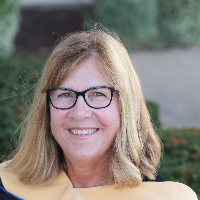
Illinois · 23 yrs exp
Licensed clinical social worker - mood and relationships
Stress, Anxiety · Trauma and abuse · Anger · Depression · +10 more
Read profile
Colorado · 20 yrs exp
Licensed Clinical Social Worker - Stress and Trauma
Stress, Anxiety · Trauma and abuse · Grief · Depression · +15 more
Read profile
Wisconsin · 18 yrs exp
Licensed Clinical Social Worker - Relationships and Stress
Stress, Anxiety · Parenting · Self esteem · Depression · +11 more
Read profile
Oregon · 15 yrs exp
Licensed Clinical Social Worker - Stress and Trauma
Stress, Anxiety · Trauma and abuse · Grief · Self esteem · +15 more
Read profile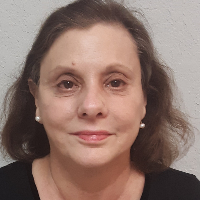
Florida · 32 yrs exp
Licensed Clinical Social Worker - Stress and Trauma
Stress, Anxiety · Trauma and abuse · Grief · Depression · +14 more
Read profile
Indiana · 25 yrs exp
Licensed Clinical Social Worker - stress and relationships
Stress, Anxiety · Relationship · Grief · Self esteem · +12 more
Read profile
Colorado · 22 yrs exp
Licensed Clinical Social Worker - adult mental health
Stress, Anxiety · Relationship · Trauma and abuse · Depression · +16 more
Read profile
Florida · 20 yrs exp
Licensed Clinical Social Worker - Stress and Trauma
Stress, Anxiety · Trauma and abuse · Grief · Career · +15 more
Read profile
New York · 25 yrs exp
Licensed Clinical Social Worker - Stress and Relationships
Stress, Anxiety · Relationship · Family · Trauma and abuse · +15 more
Read profile
Virginia · 4 yrs exp
Licensed Clinical Social Worker - Stress and Life Change
Stress, Anxiety · Grief · Anger · Self esteem · +10 more
Read profile
Kentucky · 15 yrs exp
Licensed Clinical Social Worker - relationships and mood
Stress, Anxiety · Relationship · Parenting · Anger · +13 more
Read profile
Florida · 20 yrs exp
Licensed Clinical Social Worker - Relationships and Stress
Stress, Anxiety · Relationship · Family · Trauma and abuse · +16 more
Read profile
Indiana · 33 yrs exp
Licensed clinical social worker - mood and relationships
Stress, Anxiety · Parenting · Anger · Depression · +13 more
Read profile
Connecticut · 16 yrs exp
Licensed clinical social worker - Stress and relationships
Stress, Anxiety · Addictions · Family · Anger · +14 more
Read profile
Florida · 3 yrs exp
Licensed Clinical Social Worker - Relationships and Stress
Stress, Anxiety · Relationship · Trauma and abuse · Parenting · +11 more
Read profile
Arizona · 40 yrs exp
Licensed Clinical Social Worker - Relationships and Mood
Stress, Anxiety · LGBT · Relationship · Grief · +10 more
Read profile
Washington · 13 yrs exp
Licensed clinical social worker - stress and trauma
Stress, Anxiety · LGBT · Self esteem · Depression · +16 more
Read profile
Missouri · 39 yrs exp
Licensed clinical social worker - Trauma and mood concerns
Trauma and abuse · Grief · Anger · Self esteem · +9 more
Read profile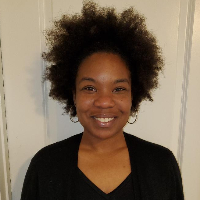
North Carolina · 15 yrs exp
Licensed Clinical Social Worker - Trauma and Relationships
LGBT · Relationship · Family · Parenting · +7 more
Read profile
New York · 8 yrs exp
Licensed Clinical Social Worker - anxiety and trauma
Stress, Anxiety · Addictions · Relationship · Trauma and abuse · +12 more
Read profile
Illinois · 12 yrs exp
Licensed clinical social worker - mood and coping support
Stress, Anxiety · Trauma and abuse · Bipolar · Depression · +12 more
Read profile
Montana · 6 yrs exp
Licensed Clinical Social Worker - Depression and Anxiety
Depression · Coping with life changes · Compassion fatigue · Stress, Anxiety · +9 more
Read profile
New Jersey · 25 yrs exp
Licensed Clinical Social Worker - Stress and Addictions
Stress, Anxiety · Addictions · Relationship · Family · +14 more
Read profile
Louisiana · 30 yrs exp
Licensed Clinical Social Worker - Trauma and Anxiety
Stress, Anxiety · Family · Trauma and abuse · Self esteem · +16 more
Read profile
Texas · 3 yrs exp
Licensed Clinical Social Worker - mood and stress concerns
Stress, Anxiety · Anger · Depression · Addictions · +8 more
Read profileADHD is a set of patterns that can affect attention, activity levels and impulse control in ways that interfere with daily life. For some people those patterns show up primarily as difficulty sustaining attention, losing track of time, or struggling to finish tasks. For others impulsivity and high activity are more prominent. Many people experience a mix of these features and find that their challenges change across different settings - at school, at work, at home or in social situations. ADHD can also affect emotional regulation and the ability to plan and organize, a group of skills often called executive function.
You may notice that ADHD affects relationships, job performance, learning and self-esteem. It can intersect with stressors like financial pressure, unstable housing, caregiver duties or workplace demands. Those surrounding circumstances shape how symptoms are experienced and what kinds of supports will help most. Because ADHD often appears alongside anxiety, mood differences or learning variations, an approach that looks at the whole context of your life can be particularly useful.
ADHD is commonly discussed in relation to childhood, but many people continue to experience symptoms into adulthood or receive a first diagnosis later in life. Adults often describe chronic disorganization, trouble meeting deadlines, or difficulty sustaining attention during long meetings. Older adolescents and young adults may struggle as responsibilities increase, and parents may be seeking strategies to support a child or an adolescent who is struggling in school or with behavior. Understanding how ADHD shows up for you in the current chapter of life helps define practical goals for work with an LCSW.
If you are feeling overwhelmed by daily tasks, missing deadlines, or repeatedly starting projects without finishing them, those are common signals that targeted support could help. You might also notice frequent conflict with partners, family members or coworkers because of forgetfulness, impulsivity or emotional reactivity. Struggling to maintain routines like sleep, bills, or medication management can be another reason to seek professional help. You do not need a diagnosis to reach out; many people begin with questions about strategies for focus, organization and managing stress.
An LCSW brings a distinct person-in-environment perspective that explicitly considers your life circumstances - housing, work, family, finances and community resources - as part of the picture. That means an LCSW is likely to explore not only skills for attention and organization but also how external factors are helping or hindering progress. Because LCSWs complete a master of social work degree, a state-set period of supervised clinical experience and a licensing exam, they are licensed to provide clinical services in the state that issued their license. Scope of practice and titles can vary by state, so you may see differences in how LCSWs describe their roles across profiles.
You might choose to work with an LCSW if you want practical strategies as well as attention to the life systems that affect your functioning. If you are navigating school accommodations, workplace adjustments, parenting concerns, or coordination with medical providers, an LCSW can help you think through those systems while also addressing skills and stress. Deciding to pursue professional support is a personal step and can be driven by a desire to improve daily functioning, reduce stress, or better understand how ADHD shapes your experience.
Sessions with an LCSW for ADHD typically begin with an initial assessment conversation that gathers information about your history, how symptoms show up in different areas of life, and what you want to change. You and the clinician will identify specific goals - for example, improving time management at work, creating a morning routine, reducing impulsive spending, or helping a child complete homework more reliably. From there, sessions often combine education about attention and executive function, collaborative problem solving, and practice of concrete strategies.
Expect a mix of skill-building and contextual work. Skill-focused sessions might include learning planning and prioritization techniques, breaking tasks into manageable steps, setting up external reminders and environmental cues, or rehearsing social responses. Contextual work means addressing barriers such as unstable housing, caregiving demands, workplace policies, or access to community services. Because LCSWs are trained to consider both individual skills and environmental factors, your sessions can include help with advocacy, linking to supports, or coordinating with other professionals when appropriate.
Progress is often measured against the goals you set with your clinician rather than by a single symptom checklist. You and the LCSW may track changes in task completion, fewer missed deadlines, improved relationships, or reduced daily stress. Sessions tend to be collaborative and adaptive, shifting strategies as you test what helps and what does not. If you are considering medication, an LCSW can work alongside prescribers but will not prescribe medication themselves in most jurisdictions; they can help with coordination and monitoring of functional outcomes.
When you review clinician profiles you will see a range of approaches listed. Many profiles mention cognitive behavioral therapy among their approaches, which focuses on identifying unhelpful thinking patterns and developing practical skills to change behaviors. You may also find clinicians who list acceptance and commitment therapy, mindfulness-informed practices, coaching-informed techniques, parent-focused strategies for children, or problem-solving therapy. It is important to interpret those listings as the approaches clinicians describe using rather than proof of a specific certification or outcome.
Some clinicians emphasize coaching-style work that concentrates on organization, time management and accountability. Others foreground psychoeducation and skills training that help you understand how attention and executive function operate. For families, you will see clinicians who list parent guidance or family-focused work to help caregivers shape routines and supports. If you value coordination with medical providers, look for profiles that mention working alongside prescribers or experience collaborating with multidisciplinary teams. Remember that a listed approach is an indication of what a clinician may offer, not an absolute guarantee of training level in any single method.
Approach labels can help you decide which clinicians to learn more about, but you should also read profile summaries for details about populations served, experience with age groups and examples of common goals. Because LCSWs vary by state in terms of scope and title, you will want to consider both the approaches listed and the clinician's description of their work with people who have attention and executive function difficulties.
Many LCSWs offer sessions over video or phone, which can make it easier to fit appointments into a busy schedule or to include family members who live elsewhere. Online sessions can be used for the same kinds of work you would do in person - assessment, skill-building, problem solving and coordination - though the logistics differ slightly. You may need to create a quiet corner for sessions and set up digital reminders. Some people find remote sessions more convenient for practicing time management strategies in the environment where they occur, such as organizing a home workspace during a session.
When choosing a clinician, look closely at profiles to compare focus areas, approaches, credentials and the populations they list. Consider whether you want an LCSW who describes experience with adults, adolescents, children or families, and whether languages spoken match your needs. Pay attention to how clinicians describe their work with ADHD - do they emphasize skills coaching, family support, systems navigation or psychoeducation? Those descriptions will give you a sense of the kinds of strategies they prioritize.
Prepare a few practical questions to help you evaluate fit when you contact a clinician. You might ask how they typically structure sessions for attention and organization goals, whether they involve family members when helpful, and how they work with other professionals such as prescribers or school teams. Think about logistical preferences as well - session length, mode of contact and any language needs. Gathering this information can help you find an LCSW whose approach aligns with your goals and life circumstances.
Above all, choosing a clinician is about finding someone whose style and focus match what you want to work on. Use profiles to narrow options by stated approaches and experience, and look for descriptions that resonate with your priorities. An LCSW's person-in-environment training can be especially valuable when ADHD interacts with other life demands, because it brings both skill-focused interventions and attention to the systems that shape daily functioning.
Alabama
26 therapists
Alaska
18 therapists
Arizona
94 therapists
Arkansas
58 therapists
California
696 therapists
Colorado
143 therapists
Connecticut
115 therapists
Delaware
36 therapists
District of Columbia
7 therapists
Florida
827 therapists
Georgia
164 therapists
Hawaii
37 therapists
Idaho
41 therapists
Illinois
401 therapists
Indiana
195 therapists
Iowa
9 therapists
Kansas
27 therapists
Kentucky
142 therapists
Louisiana
134 therapists
Maine
50 therapists
Maryland
22 therapists
Massachusetts
14 therapists
Michigan
38 therapists
Minnesota
13 therapists
Mississippi
68 therapists
Missouri
151 therapists
Montana
57 therapists
Nebraska
2 therapists
Nevada
56 therapists
New Hampshire
16 therapists
New Jersey
227 therapists
New Mexico
50 therapists
New York
535 therapists
North Carolina
358 therapists
North Dakota
11 therapists
Ohio
31 therapists
Oklahoma
80 therapists
Oregon
65 therapists
Pennsylvania
225 therapists
Rhode Island
3 therapists
South Carolina
35 therapists
South Dakota
2 therapists
Tennessee
95 therapists
Texas
483 therapists
Utah
89 therapists
Vermont
3 therapists
Virginia
187 therapists
Washington
16 therapists
West Virginia
5 therapists
Wisconsin
122 therapists
Wyoming
19 therapists