
Velma Jones
LCSWNew York · 29 yrs exp
Licensed Clinical Social Worker - Relationships and Mood
Stress, Anxiety · Relationship · Trauma and abuse · Depression · +10 more
Read profileTherapist listings are provided by BetterHelp. We will earn a commission at no additional cost to you if you use our links to purchase.
This page lists profiles of licensed clinical social workers (LCSWs) who indicate aging and geriatric issues as a focus. Browse the listings below to review background, focus areas, languages, and practice settings.
New York · 29 yrs exp
Licensed Clinical Social Worker - Relationships and Mood
Stress, Anxiety · Relationship · Trauma and abuse · Depression · +10 more
Read profile
Florida · 14 yrs exp
Florida LCSW - Stress and Relationship Support
Stress, Anxiety · Grief · Anger · Self esteem · +12 more
Read profile
Illinois · 17 yrs exp
Licensed clinical social worker - trauma and life transitions
Trauma and abuse · Coping with life changes · Stress, Anxiety · Relationship · +9 more
Read profile
Colorado · 19 yrs exp
Licensed Clinical Social Worker - Stress and Relationships
Stress, Anxiety · Relationship · Trauma and abuse · Grief · +12 more
Read profile
Florida · 23 yrs exp
Licensed clinical social worker - LGBT and intimacy issues
LGBT · Intimacy-related issues
Read profile
Missouri · 16 yrs exp
Licensed clinical social worker - mood and trauma support
Stress, Anxiety · Trauma and abuse · Self esteem · Bipolar · +12 more
Read profile
California · 14 yrs exp
Licensed Clinical Social Worker - trauma and life transitions
Stress, Anxiety · Trauma and abuse · Grief · Self esteem · +8 more
Read profile
Florida · 10 yrs exp
Licensed Clinical Social Worker - stress and family concerns
Stress, Anxiety · Addictions · Family · Grief · +8 more
Read profile
Texas · 21 yrs exp
Licensed Clinical Social Worker - Life changes and relationships
Stress, Anxiety · Relationship · Trauma and abuse · Intimacy-related issues · +15 more
Read profile
Illinois · 25 yrs exp
Licensed clinical social worker - anxiety and life changes
Stress, Anxiety · Self esteem · Career · Coping with life changes · +10 more
Read profile
New Jersey · 8 yrs exp
Licensed clinical social worker - mood and trauma
Stress, Anxiety · Relationship · Trauma and abuse · Bipolar · +14 more
Read profile
Tennessee · 35 yrs exp
Licensed Clinical Social Worker - Stress and Relationships
Stress, Anxiety · Grief · Self esteem · Depression · +8 more
Read profile
Georgia · 25 yrs exp
Licensed clinical social worker - mood and relationships
Stress, Anxiety · Parenting · Anger · Self esteem · +15 more
Read profile
Texas · 20 yrs exp
Licensed social worker - stress and addiction
Stress, Anxiety · Addictions · Family · Grief · +15 more
Read profile
Colorado · 9 yrs exp
Licensed Clinical Social Worker - stress and relationships
Stress, Anxiety · Relationship · Grief · Depression · +11 more
Read profile
New York · 14 yrs exp
Licensed Clinical Social Worker - Stress and Trauma
Stress, Anxiety · Trauma and abuse · Grief · Depression · +6 more
Read profile
Michigan · 24 yrs exp
Licensed Clinical Social Worker - mood and addiction support
Stress, Anxiety · Addictions · Relationship · Family · +1 more
Read profile
Arkansas · 44 yrs exp
Licensed clinical social worker - stress and trauma
Stress, Anxiety · Trauma and abuse · Grief · Self esteem · +16 more
Read profile
California · 20 yrs exp
Licensed Clinical Social Worker - Stress and Relationships
Stress, Anxiety · Relationship · Family · Parenting · +15 more
Read profile
Missouri · 35 yrs exp
LCSW - Stress and trauma-focused clinician
Stress, Anxiety · Trauma and abuse · Anger · Bipolar · +13 more
Read profile
New York · 15 yrs exp
Licensed Clinical Social Worker - Relationships and Addictions
Stress, Anxiety · Addictions · Relationship · Self esteem · +10 more
Read profile
Michigan · 11 yrs exp
Licensed Clinical Social Worker - Stress and Trauma
Stress, Anxiety · Relationship · Trauma and abuse · Grief · +1 more
Read profile
Mississippi · 36 yrs exp
Licensed Clinical Social Worker - Family and Parenting
Family · Parenting · Anger · Self esteem · +11 more
Read profile
Florida · 28 yrs exp
Licensed clinical social worker - stress and trauma
Stress, Anxiety · Addictions · Trauma and abuse · Self esteem · +13 more
Read profile
Colorado · 15 yrs exp
Licensed clinical social worker - anxiety and life changes
Stress, Anxiety · Grief · Depression · Coping with life changes · +10 more
Read profile
Wyoming · 14 yrs exp
Licensed clinical social worker - mood and relationships
Addictions · Relationship · Depression · Coping with life changes · +11 more
Read profile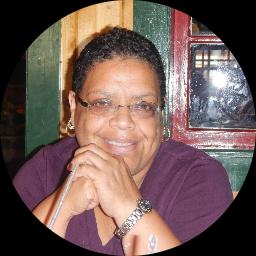
New York · 25 yrs exp
Licensed Clinical Social Worker - Stress and Anxiety
Stress, Anxiety · Grief · Anger · Self esteem · +6 more
Read profile
Connecticut · 24 yrs exp
Licensed clinical social worker - stress and mood concerns
Stress, Anxiety · Relationship · Grief · Self esteem · +11 more
Read profile
Indiana · 12 yrs exp
Licensed clinical social worker - mood and trauma
Stress, Anxiety · Trauma and abuse · Self esteem · Bipolar · +10 more
Read profile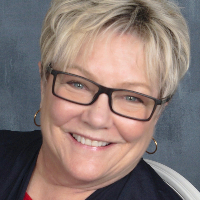
Florida · 40 yrs exp
Licensed Clinical Social Worker - Addictions and Relationships
Addictions · Relationship · Grief · Depression · +13 more
Read profile
Florida · 25 yrs exp
Licensed clinical social worker - mood and coping
Stress, Anxiety · Addictions · Grief · Bipolar · +5 more
Read profile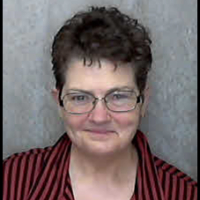
Texas · 35 yrs exp
Licensed Clinical Social Worker - Stress and Trauma
Stress, Anxiety · Relationship · Family · Trauma and abuse · +14 more
Read profile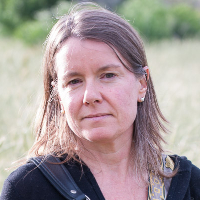
Colorado · 20 yrs exp
Licensed Clinical Social Worker - Stress and Trauma
Stress, Anxiety · Trauma and abuse · Grief · Depression · +15 more
Read profile
Connecticut · 24 yrs exp
Licensed Clinical Social Worker - Anxiety and Addictions
Stress, Anxiety · Addictions · Family · Bipolar · +10 more
Read profile
Kentucky · 8 yrs exp
Licensed Clinical Social Worker - Stress and Relationships
Stress, Anxiety · Relationship · Family · Trauma and abuse · +5 more
Read profile
Florida · 32 yrs exp
Licensed Clinical Social Worker - Stress and Trauma
Stress, Anxiety · Trauma and abuse · Grief · Depression · +14 more
Read profile
Indiana · 25 yrs exp
Licensed Clinical Social Worker - stress and relationships
Stress, Anxiety · Relationship · Grief · Self esteem · +12 more
Read profile
Colorado · 22 yrs exp
Licensed Clinical Social Worker - adult mental health
Stress, Anxiety · Relationship · Trauma and abuse · Depression · +16 more
Read profile
Florida · 20 yrs exp
Licensed Clinical Social Worker - Stress and Trauma
Stress, Anxiety · Trauma and abuse · Grief · Career · +15 more
Read profile
New York · 25 yrs exp
Licensed Clinical Social Worker - Stress and Relationships
Stress, Anxiety · Relationship · Family · Trauma and abuse · +15 more
Read profile
Virginia · 4 yrs exp
Licensed Clinical Social Worker - Stress and Life Change
Stress, Anxiety · Grief · Anger · Self esteem · +10 more
Read profile
Florida · 19 yrs exp
Licensed Clinical Social Worker - Stress and Trauma
Stress, Anxiety · Trauma and abuse · Grief · Depression · +9 more
Read profile
Indiana · 33 yrs exp
Licensed clinical social worker - mood and relationships
Stress, Anxiety · Parenting · Anger · Depression · +13 more
Read profile
Arizona · 40 yrs exp
Licensed Clinical Social Worker - Relationships and Mood
Stress, Anxiety · LGBT · Relationship · Grief · +10 more
Read profile
Idaho · 18 yrs exp
Licensed Clinical Social Worker - Anxiety and Trauma
Stress, Anxiety · Trauma and abuse · Grief · Self esteem · +10 more
Read profile
Florida · 16 yrs exp
Dr. Amary Alcide - LCSW, stress and relationships
Stress, Anxiety · Relationship · Parenting · Self esteem · +8 more
Read profile
California · 30 yrs exp
Licensed clinical social worker - family and trauma
Family · Trauma and abuse · Grief · Parenting · +9 more
Read profile
Tennessee · 12 yrs exp
Licensed Clinical Social Worker - Relationships and Life Change
Relationship · Grief · Intimacy-related issues · Depression · +3 more
Read profile
Florida · 16 yrs exp
Licensed clinical social worker - stress and trauma
Stress, Anxiety · Trauma and abuse · Grief · Self esteem · +10 more
Read profile
Arizona · 10 yrs exp
Licensed clinical social worker - Mood and life transitions
Stress, Anxiety · Self esteem · Bipolar · Depression · +10 more
Read profile
Montana · 6 yrs exp
Licensed Clinical Social Worker - Depression and Anxiety
Depression · Coping with life changes · Compassion fatigue · Stress, Anxiety · +9 more
Read profile
Texas · 3 yrs exp
Licensed Clinical Social Worker - mood and stress concerns
Stress, Anxiety · Anger · Depression · Addictions · +8 more
Read profile
Georgia · 10 yrs exp
Licensed Clinical Social Worker - Stress and Relationships
Stress, Anxiety · Grief · Anger · Self esteem · +10 more
Read profile
North Carolina · 24 yrs exp
Licensed clinical social worker - Trauma and life stress
Stress, Anxiety · Relationship · Family · Trauma and abuse · +14 more
Read profile
Louisiana · 28 yrs exp
Licensed Clinical Social Worker - Stress and Grief
Stress, Anxiety · Grief · Self esteem · Career · +12 more
Read profile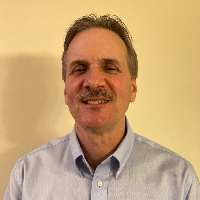
Virginia · 40 yrs exp
Licensed Clinical Social Worker - stress and addiction focus
Stress, Anxiety · Addictions · Trauma and abuse · Grief · +16 more
Read profile
Illinois · 11 yrs exp
Licensed Clinical Social Worker - Stress and Trauma
Stress, Anxiety · Trauma and abuse · Grief · Self esteem · +4 more
Read profile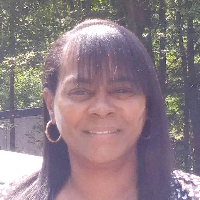
New York · 20 yrs exp
Licensed Clinical Social Worker - stress and relationship support
Stress, Anxiety · Addictions · Relationship · Self esteem · +9 more
Read profile
Mississippi · 51 yrs exp
Dr. Ricardo Gillispie LCSW - Stress and Relationship work
Stress, Anxiety · Relationship · Self esteem · Depression · +15 more
Read profile
California · 25 yrs exp
Licensed Clinical Social Worker - Addictions and Trauma
Addictions · Trauma and abuse · Grief · Parenting · +1 more
Read profileAging and geriatric issues refers to a range of changes and challenges that often accompany later life. These include changes in physical health, adjustments after retirement, evolving family roles, grief from losses, cognitive changes, mobility limitations, and the practical demands of managing housing, finances, and medical care. You may also see the emotional impact of chronic illness, isolation, or caregiving responsibilities. Because later life sits at the intersection of health, social networks, and access to services, the experience of aging is shaped by what surrounds you as much as by internal reactions.
Licensed clinical social workers bring a person-in-environment perspective that explicitly considers those surroundings - your home, relationships, community resources, income, transportation, and access to medical care - alongside thoughts and feelings. That means an LCSW will often help you navigate paperwork, connect with community supports, coordinate with medical teams, and plan practical changes as part of addressing emotional or behavioral concerns. If you or someone you care for is facing multiple moving parts at once - health care decisions, shifting independence, or changes in social roles - an LCSW can help integrate those pieces into a coherent plan.
You might consider seeking support when everyday routines become harder to manage, when relationships change, or when stress and worry interfere with decisions about health or housing. Signs include persistent sadness or anxiety tied to losses or declining abilities, repeated hospital visits or emergency situations, challenges coordinating care across providers, increasing social withdrawal, and caregiver burnout. If concerns about memory or thinking are affecting safety or day-to-day functioning, those are also important reasons to look for professional help.
Because LCSWs address the broader context of a persons life, you may find their perspective helpful when problems are not only psychological but also logistical or systemic. For example, if you are unsure how to access community meal programs, manage medical bills, understand long-term care options, or arrange in-home support, an LCSW may help you explore practical options while also attending to emotional responses. You do not need to have a formal diagnosis to reach out; many people seek assistance to get clearer information, make a plan, or find ways to feel more confident and less overwhelmed.
Sessions with an LCSW typically begin with a broad assessment that looks beyond symptoms to the context in which those symptoms occur. You can expect questions about daily routines, relationships, living arrangements, financial and legal needs, medical history, and community supports as well as your feelings, goals, and coping strategies. The assessment is used to develop a plan that often combines emotional support, problem solving, case management tasks, and referrals when needed.
Therapeutic work may include helping you set realistic goals, learning stress management strategies, addressing grief and loss, improving communication with family members and care providers, and building actions to maintain independence. If caregivers are involved, sessions can include support and education for them as well, focusing on boundaries, stress reduction, and planning for transitions. Because each state sets the scope of clinical practice, the specific services an LCSW offers can vary; licensing ensures the clinician has a master level education, supervised post-graduate clinical experience, and has passed a clinical exam under the oversight of a state board.
Work with older adults draws on a range of therapeutic approaches and practical supports. You will encounter LCSWs who list cognitive behavioral methods, supportive counseling, family systems perspectives, or problem-solving strategies among their approaches. Some therapists may also list modalities that target trauma, grief, or memory concerns. When an approach is listed, it signals an area the clinician uses in practice rather than a formal certification; you can look for descriptions in profiles to learn how a clinician frames that work.
Beyond talk-based interventions, LCSWs frequently act as care coordinators. That role can mean assisting with accessing community resources, helping you understand options for long-term services and supports, facilitating communication with medical teams, or drafting advance care plans. Because LCSWs emphasize the person-in-environment view, they will often integrate emotional care with these practical tasks so that treatment is responsive to both your feelings and the realities of everyday life. This combined focus can be particularly helpful when problems are complex and span medical, social, and legal domains.
If you are considering online sessions, know that many LCSWs provide remote options that make it possible to connect from home, from a care facility, or from a family members location. Online work can reduce the need to travel and make it easier to involve family members who live elsewhere. You should think about your comfort with video calls, the device you will use, and whether you need captions, larger text, or other accessibility features. Some older adults prefer telephone visits while others find video helpful for visual connection. Discussing those preferences with a clinician is a reasonable early step.
Remote sessions require a quiet place where you can talk openly and, when needed, a caregiver or family member who can help manage the technology. Because LCSWs also coordinate services, online sessions can be used to review forms, plan in-person visits, or connect with outside agencies. Keep in mind that licensing is state specific; if you are receiving services across state lines, talk with an LCSW about how state regulations might apply to online work. You should also agree with the clinician how to handle emergencies or urgent needs between sessions so that everyone understands the plan if a crisis arises.
When you look through profiles, consider the clinicians stated focus areas, years of experience working with older adults, and any languages they list. You may want someone who has experience with caregiving dynamics, memory concerns, end-of-life planning, or transitions in living arrangements. Look at how a clinician describes their approach and whether that description aligns with your goals - some clinicians emphasize problem solving and planning while others focus more on processing loss and building coping skills. Because this directory lists professionals who hold an LCSW, you can be confident each clinician has a master level social work degree, a period of supervised clinical experience, and has passed a clinical licensing exam under a state board.
It can be helpful to prioritize what matters most to you - for example, shared language, cultural background, experience with particular medical issues, or a practice style that is more directive or more reflective. You might also consider how a clinician frames their coordination role if you need help connecting to services or working across medical and social systems. Comparing focus areas, approaches, credentials, languages, and experience will help you narrow options and find someone whose profile suggests a good match for the specific challenges you face.
Finding help for aging and geriatric concerns often involves addressing emotion and logistics at the same time. Licensed clinical social workers are trained to weave those threads together so that plans are realistic and grounded in your everyday life. Use the listings below to read descriptions, learn how different clinicians describe their work, and identify LCSWs whose experience and stated focus align with the support you need.
Alabama
26 therapists
Alaska
18 therapists
Arizona
94 therapists
Arkansas
58 therapists
California
696 therapists
Colorado
143 therapists
Connecticut
115 therapists
Delaware
36 therapists
District of Columbia
7 therapists
Florida
827 therapists
Georgia
164 therapists
Hawaii
37 therapists
Idaho
41 therapists
Illinois
401 therapists
Indiana
195 therapists
Iowa
9 therapists
Kansas
27 therapists
Kentucky
142 therapists
Louisiana
134 therapists
Maine
50 therapists
Maryland
22 therapists
Massachusetts
14 therapists
Michigan
38 therapists
Minnesota
13 therapists
Mississippi
68 therapists
Missouri
151 therapists
Montana
57 therapists
Nebraska
2 therapists
Nevada
56 therapists
New Hampshire
16 therapists
New Jersey
227 therapists
New Mexico
50 therapists
New York
535 therapists
North Carolina
358 therapists
North Dakota
11 therapists
Ohio
31 therapists
Oklahoma
80 therapists
Oregon
65 therapists
Pennsylvania
225 therapists
Rhode Island
3 therapists
South Carolina
35 therapists
South Dakota
2 therapists
Tennessee
95 therapists
Texas
483 therapists
Utah
89 therapists
Vermont
3 therapists
Virginia
187 therapists
Washington
16 therapists
West Virginia
5 therapists
Wisconsin
122 therapists
Wyoming
19 therapists