
Velma Jones
LCSWNew York · 29 yrs exp
Licensed Clinical Social Worker - Relationships and Mood
Stress, Anxiety · Relationship · Trauma and abuse · Depression · +10 more
Read profileTherapist listings are provided by BetterHelp. We will earn a commission at no additional cost to you if you use our links to purchase.
This directory highlights licensed clinical social workers who focus on post-traumatic stress. Explore profiles below to learn about LCSWs' focus areas, approaches they list, languages, and professional experience. Browse to find professionals whose background and practice style match what you are looking for.
New York · 29 yrs exp
Licensed Clinical Social Worker - Relationships and Mood
Stress, Anxiety · Relationship · Trauma and abuse · Depression · +10 more
Read profile
Florida · 14 yrs exp
Florida LCSW - Stress and Relationship Support
Stress, Anxiety · Grief · Anger · Self esteem · +12 more
Read profile
Illinois · 17 yrs exp
Licensed clinical social worker - trauma and life transitions
Trauma and abuse · Coping with life changes · Stress, Anxiety · Relationship · +9 more
Read profile
Colorado · 19 yrs exp
Licensed Clinical Social Worker - Stress and Relationships
Stress, Anxiety · Relationship · Trauma and abuse · Grief · +12 more
Read profile
Texas · 13 yrs exp
Licensed Clinical Social Worker - Stress and Relationship support
Stress, Anxiety · Relationship · Trauma and abuse · Anger · +11 more
Read profile
New York · 24 yrs exp
Licensed Clinical Social Worker - Anxiety and Depression
Stress, Anxiety · Relationship · Anger · Self esteem · +12 more
Read profile
Missouri · 36 yrs exp
Licensed Clinical Social Worker - Mood and Trauma
Stress, Anxiety · Relationship · Trauma and abuse · Intimacy-related issues · +15 more
Read profile
Missouri · 16 yrs exp
Licensed clinical social worker - mood and trauma support
Stress, Anxiety · Trauma and abuse · Self esteem · Bipolar · +12 more
Read profile
North Carolina · 10 yrs exp
Licensed Clinical Social Worker - Anxiety and Relationships
Stress, Anxiety · Relationship · Family · Bipolar · +16 more
Read profile
New York · 35 yrs exp
Licensed Clinical Social Worker - stress and relationships
Stress, Anxiety · Self esteem · Career · ADHD · +10 more
Read profile
New York · 25 yrs exp
Licensed Clinical Social Worker - stress and trauma
Stress, Anxiety · Trauma and abuse · Self esteem · Depression · +7 more
Read profile
Louisiana · 16 yrs exp
Licensed Clinical Social Worker - mood and relationships
Stress, Anxiety · Relationship · Trauma and abuse · Bipolar · +16 more
Read profile
New York · 30 yrs exp
Licensed Clinical Social Worker - Relationships and Life Changes
Stress, Anxiety · Relationship · Parenting · Self esteem · +11 more
Read profile
Texas · 21 yrs exp
Licensed Clinical Social Worker - Life changes and relationships
Stress, Anxiety · Relationship · Trauma and abuse · Intimacy-related issues · +15 more
Read profile
New Jersey · 8 yrs exp
Licensed clinical social worker - mood and trauma
Stress, Anxiety · Relationship · Trauma and abuse · Bipolar · +14 more
Read profile
Louisiana · 14 yrs exp
Licensed clinical social worker - Stress and trauma
Stress, Anxiety · Anger · Self esteem · Depression · +9 more
Read profile
Mississippi · 12 yrs exp
Licensed clinical social worker - stress and addiction
Stress, Anxiety · Addictions · Anger · Self esteem · +12 more
Read profile
Texas · 33 yrs exp
Licensed Clinical Social Worker - Relationships and Stress
Stress, Anxiety · Relationship · Family · Self esteem · +11 more
Read profile
Texas · 20 yrs exp
Licensed social worker - stress and addiction
Stress, Anxiety · Addictions · Family · Grief · +15 more
Read profile
Colorado · 9 yrs exp
Licensed Clinical Social Worker - stress and relationships
Stress, Anxiety · Relationship · Grief · Depression · +11 more
Read profile
New York · 14 yrs exp
Licensed Clinical Social Worker - Stress and Trauma
Stress, Anxiety · Trauma and abuse · Grief · Depression · +6 more
Read profile
New Mexico · 3 yrs exp
Licensed Clinical Social Worker - Trauma and Anxiety
Stress, Anxiety · Trauma and abuse · Depression · Compassion fatigue · +9 more
Read profile
Michigan · 24 yrs exp
Licensed Clinical Social Worker - mood and addiction support
Stress, Anxiety · Addictions · Relationship · Family · +1 more
Read profile
Arkansas · 44 yrs exp
Licensed clinical social worker - stress and trauma
Stress, Anxiety · Trauma and abuse · Grief · Self esteem · +16 more
Read profile
California · 20 yrs exp
Licensed Clinical Social Worker - Stress and Relationships
Stress, Anxiety · Relationship · Family · Parenting · +15 more
Read profile
Missouri · 35 yrs exp
LCSW - Stress and trauma-focused clinician
Stress, Anxiety · Trauma and abuse · Anger · Bipolar · +13 more
Read profile
Louisiana · 25 yrs exp
Licensed Clinical Social Worker - Stress and Anxiety
Stress, Anxiety · Family · Anger · Self esteem · +1 more
Read profile
Michigan · 11 yrs exp
Licensed Clinical Social Worker - Stress and Trauma
Stress, Anxiety · Relationship · Trauma and abuse · Grief · +1 more
Read profile
Texas · 5 yrs exp
Licensed Clinical Social Worker - relationships and trauma
Stress, Anxiety · Relationship · Family · Trauma and abuse · +9 more
Read profile
Florida · 28 yrs exp
Licensed clinical social worker - stress and trauma
Stress, Anxiety · Addictions · Trauma and abuse · Self esteem · +13 more
Read profile
New York · 14 yrs exp
Licensed Clinical Social Worker - stress and relationships
Stress, Anxiety · Relationship · Trauma and abuse · Self esteem · +5 more
Read profile
North Carolina · 10 yrs exp
Licensed Clinical Social Worker - Mood and trauma concerns
Stress, Anxiety · Family · Parenting · Anger · +8 more
Read profile
New York · 25 yrs exp
Licensed Clinical Social Worker - Stress and Anxiety
Stress, Anxiety · Grief · Anger · Self esteem · +6 more
Read profile
Connecticut · 24 yrs exp
Licensed clinical social worker - stress and mood concerns
Stress, Anxiety · Relationship · Grief · Self esteem · +11 more
Read profile
Texas · 6 yrs exp
Licensed Clinical Social Worker - Trauma and Relationships
Stress, Anxiety · Relationship · Trauma and abuse · Self esteem · +1 more
Read profile
Illinois · 10 yrs exp
Licensed Clinical Social Worker - Stress and Trauma
Stress, Anxiety · Trauma and abuse · Grief · Self esteem · +11 more
Read profile
Indiana · 12 yrs exp
Licensed clinical social worker - mood and trauma
Stress, Anxiety · Trauma and abuse · Self esteem · Bipolar · +10 more
Read profile
Texas · 11 yrs exp
Licensed Clinical Social Worker - relationships and stress
Stress, Anxiety · Relationship · Trauma and abuse · Self esteem · +5 more
Read profile
New Jersey · 12 yrs exp
LCSW - Stress and relationship concerns
Stress, Anxiety · Relationship · Trauma and abuse · Self esteem · +1 more
Read profile
Missouri · 13 yrs exp
Licensed Clinical Social Worker - Anxiety and Addictions
Stress, Anxiety · Addictions · Relationship · Family · +6 more
Read profile
Texas · 35 yrs exp
Licensed Clinical Social Worker - Stress and Trauma
Stress, Anxiety · Relationship · Family · Trauma and abuse · +14 more
Read profile
Colorado · 20 yrs exp
Licensed Clinical Social Worker - Stress and Trauma
Stress, Anxiety · Trauma and abuse · Grief · Depression · +15 more
Read profile
Wisconsin · 18 yrs exp
Licensed Clinical Social Worker - Relationships and Stress
Stress, Anxiety · Parenting · Self esteem · Depression · +11 more
Read profile
Kentucky · 8 yrs exp
Licensed Clinical Social Worker - Stress and Relationships
Stress, Anxiety · Relationship · Family · Trauma and abuse · +5 more
Read profile
Oregon · 15 yrs exp
Licensed Clinical Social Worker - Stress and Trauma
Stress, Anxiety · Trauma and abuse · Grief · Self esteem · +15 more
Read profile
North Carolina · 7 yrs exp
Licensed Clinical Social Worker - Stress and Relationships
Stress, Anxiety · LGBT · Relationship · Trauma and abuse · +1 more
Read profile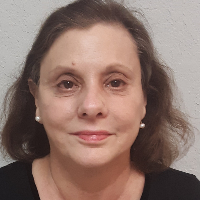
Florida · 32 yrs exp
Licensed Clinical Social Worker - Stress and Trauma
Stress, Anxiety · Trauma and abuse · Grief · Depression · +14 more
Read profile
North Carolina · 10 yrs exp
Licensed Clinical Social Worker - Stress and Trauma
Stress, Anxiety · Trauma and abuse · Self esteem · Depression · +1 more
Read profile
Florida · 13 yrs exp
Licensed clinical social worker - Stress and Addictions
Stress, Anxiety · Addictions · Relationship · Trauma and abuse · +1 more
Read profile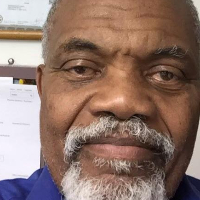
Illinois · 39 yrs exp
Licensed Clinical Social Worker - stress and relationships
Stress, Anxiety · Relationship · Grief · Sleeping · +1 more
Read profile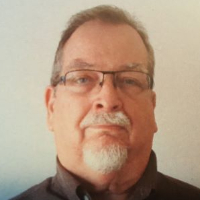
Florida · 20 yrs exp
Licensed Clinical Social Worker - Stress and Trauma
Stress, Anxiety · Trauma and abuse · Grief · Career · +15 more
Read profile
New York · 25 yrs exp
Licensed Clinical Social Worker - Stress and Relationships
Stress, Anxiety · Relationship · Family · Trauma and abuse · +15 more
Read profile
Kentucky · 15 yrs exp
Licensed Clinical Social Worker - relationships and mood
Stress, Anxiety · Relationship · Parenting · Anger · +13 more
Read profile
Florida · 20 yrs exp
Licensed Clinical Social Worker - Relationships and Stress
Stress, Anxiety · Relationship · Family · Trauma and abuse · +16 more
Read profile
Utah · 30 yrs exp
Licensed social worker - mood and dependency concerns
Stress, Anxiety · Trauma and abuse · Grief · Anger · +1 more
Read profile
Florida · 19 yrs exp
Licensed Clinical Social Worker - Stress and Trauma
Stress, Anxiety · Trauma and abuse · Grief · Depression · +9 more
Read profile
Indiana · 33 yrs exp
Licensed clinical social worker - mood and relationships
Stress, Anxiety · Parenting · Anger · Depression · +13 more
Read profile
Connecticut · 16 yrs exp
Licensed clinical social worker - Stress and relationships
Stress, Anxiety · Addictions · Family · Anger · +14 more
Read profile
Florida · 3 yrs exp
Licensed Clinical Social Worker - Relationships and Stress
Stress, Anxiety · Relationship · Trauma and abuse · Parenting · +11 more
Read profile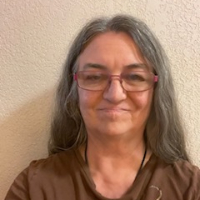
Arizona · 40 yrs exp
Licensed Clinical Social Worker - Relationships and Mood
Stress, Anxiety · LGBT · Relationship · Grief · +10 more
Read profilePost-traumatic stress is a response that can follow exposure to events that overwhelm a person’s sense of safety or well-being. You might have intrusive memories, vivid nightmares, heightened startle reactions, difficulty sleeping, or an urge to avoid reminders of what happened. For some people these symptoms come and go, and for others they persist and shape everyday routines, relationships, work, and how you feel about the future. The experience is not only about symptoms inside your mind; it often shows up in the body, in the ways you relate to others, and in practical areas like housing, employment, and access to services.
Licensed clinical social workers who list post-traumatic stress as a focus bring a perspective that intentionally looks at you in the context of your environment - the person-in-environment lens. This means an LCSW will likely consider how family dynamics, housing stability, work stress, financial pressures, and community resources matter alongside emotional and physiological responses. That orientation can be helpful when traumatic experiences intersect with day-to-day challenges and when healing involves both symptom relief and adjustments in life circumstances.
You might consider seeking help if symptoms are interfering with activities that matter to you, such as keeping a job, maintaining relationships, or being present for children. If avoidance of certain places, people, or thoughts limits your life, or if you notice mood shifts, increased irritability, or trouble concentrating that you attribute to a traumatic event, speaking with an LCSW could be a useful step. Physical signs such as chronic tension, unexplained pain, or sleep disruption often accompany post-traumatic stress and are reasons many people reach out for support.
Another reason to reach out is when coping strategies that once helped feel less effective or start to create new problems. You may find that self-isolation, substance use, or risky behaviour intended to numb or distract are making life harder over time. An LCSW may work with you to address both immediate coping needs and the broader conditions that maintain stress, including connections to housing services, legal resources, or community supports when those issues are relevant to your recovery.
When you meet with an LCSW, the first phase typically involves getting a clear picture of what you are experiencing, what matters most to you, and how your life circumstances interact with symptoms. You can expect a blend of clinical assessment and conversational exploration designed to identify practical goals. Many LCSWs emphasize pacing - working at a speed that feels manageable for you - and safety planning so that difficult memories and feelings can be addressed without overwhelming you.
Sessions may include talking about the event and its impact, learning skills to manage distress, and exploring ways to change patterns that keep you stuck. Because LCSWs train in an integrated, person-in-environment model, they are likely to discuss both internal coping strategies and external supports. That can mean coordinating with community resources, helping you access benefits, or linking you with group supports when those options feel useful. Throughout, an LCSW will collaborate with you on goals and adjust plans based on what works and what does not.
Profiles often include a range of approaches that therapists list as part of their work with trauma. When you read that a therapist lists a particular approach, it signals that they include that orientation among their practices, but it does not certify a specific level of specialization. You may encounter references to cognitive and exposure-based methods, to body-focused or somatic approaches, to narrative work that helps you reorganize the story you tell about what happened, and to skills-based methods that teach emotion regulation and grounding techniques.
Some LCSWs list modalities such as EMDR among their approaches; others describe mindfulness-informed or sensorimotor work, and still others emphasize restorative or relational methods. Each approach frames post-traumatic stress differently - some focus more directly on memory processing, others on altering unhelpful thought patterns, and others on calming the nervous system. As you review listings, consider which descriptions align with what you believe will feel tolerable and meaningful. It is common for LCSWs to integrate several approaches and to adapt their work to your unique circumstances rather than follow a single method rigidly.
Online sessions can make it easier to connect with an LCSW who matches your needs, especially if you live in an area with fewer local options or if travel creates a barrier. When you choose to meet virtually, sessions typically take place via video or phone and aim to recreate the core elements of in-person care - rapport, assessment, skill-building, and processing - within a comfortable environment for you. Some people prefer the convenience and privacy of meeting from home, while others find that an in-person setting feels more contained. If you opt for virtual sessions, plan for a quiet, undisturbed place where you can speak openly and take part in exercises without interruption.
Technology considerations can feel significant for trauma work. Reliable internet, a device with a camera if you prefer video, and a headset or earbuds for better audio can help. You may also want to discuss with the LCSW how to handle moments when strong emotions arise during a session and what short-term coping steps you can use if a session must end early due to technical problems. Because licensing rules vary by state, it is also useful to understand that an LCSW’s scope of practice and licensure are governed by the state board that issued the license; many LCSWs list the states where they hold a license on their profiles so you can see that information up front.
Begin by thinking about the qualities that matter to you - whether you prefer a clinician who emphasizes practical skills, a more exploratory approach, experience with specific populations such as military veterans or survivors of interpersonal violence, or familiarity with the life circumstances that shape your stress. Review profiles for focus areas, the kinds of approaches they list, language abilities, and descriptions of populations they work with. Because LCSWs train with a person-in-environment lens, many will highlight how they attend to social and practical barriers alongside emotional work; that may be an important consideration if your recovery involves concrete changes like housing, employment, or family supports.
Consider how you want to work with someone on pacing and exposure to difficult material. You might prefer an LCSW who emphasizes gradual, skills-first work, or you might seek someone whose profile suggests a more direct processing style. Pay attention to the ways practitioners describe their approach rather than relying on single words. Finally, trust your sense of fit. You are looking for a professional relationship in which you feel understood and able to collaborate on goals. Profiles give you initial information to compare focus areas, approaches they list, languages, and experience so you can make an informed choice about who to reach out to first.
Choosing an LCSW is a personal decision. By focusing on the professional credentials, the person-in-environment perspective, the kinds of approaches a clinician lists, and how those align with your priorities, you can narrow the field to therapists who are most likely to meet your needs. The listings below are intended to help you take that next step toward finding an LCSW whose background and practice style match what you are seeking for post-traumatic stress support.
Alabama
26 therapists
Alaska
18 therapists
Arizona
94 therapists
Arkansas
58 therapists
California
696 therapists
Colorado
143 therapists
Connecticut
115 therapists
Delaware
36 therapists
District of Columbia
7 therapists
Florida
827 therapists
Georgia
164 therapists
Hawaii
37 therapists
Idaho
41 therapists
Illinois
401 therapists
Indiana
195 therapists
Iowa
9 therapists
Kansas
27 therapists
Kentucky
142 therapists
Louisiana
134 therapists
Maine
50 therapists
Maryland
22 therapists
Massachusetts
14 therapists
Michigan
38 therapists
Minnesota
13 therapists
Mississippi
68 therapists
Missouri
151 therapists
Montana
57 therapists
Nebraska
2 therapists
Nevada
56 therapists
New Hampshire
16 therapists
New Jersey
227 therapists
New Mexico
50 therapists
New York
535 therapists
North Carolina
358 therapists
North Dakota
11 therapists
Ohio
31 therapists
Oklahoma
80 therapists
Oregon
65 therapists
Pennsylvania
225 therapists
Rhode Island
3 therapists
South Carolina
35 therapists
South Dakota
2 therapists
Tennessee
95 therapists
Texas
483 therapists
Utah
89 therapists
Vermont
3 therapists
Virginia
187 therapists
Washington
16 therapists
West Virginia
5 therapists
Wisconsin
122 therapists
Wyoming
19 therapists