
Velma Jones
LCSWNew York · 29 yrs exp
Licensed Clinical Social Worker - Relationships and Mood
Stress, Anxiety · Relationship · Trauma and abuse · Depression · +10 more
Read profileTherapist listings are provided by BetterHelp. We will earn a commission at no additional cost to you if you use our links to purchase.
This page lists licensed clinical social workers (LCSWs) who work with communication problems. Browse the profiles below to review credentials, approaches, languages, and experience as you look for a good match.
New York · 29 yrs exp
Licensed Clinical Social Worker - Relationships and Mood
Stress, Anxiety · Relationship · Trauma and abuse · Depression · +10 more
Read profile
Florida · 14 yrs exp
Florida LCSW - Stress and Relationship Support
Stress, Anxiety · Grief · Anger · Self esteem · +12 more
Read profile
Illinois · 17 yrs exp
Licensed clinical social worker - trauma and life transitions
Trauma and abuse · Coping with life changes · Stress, Anxiety · Relationship · +9 more
Read profile
Colorado · 19 yrs exp
Licensed Clinical Social Worker - Stress and Relationships
Stress, Anxiety · Relationship · Trauma and abuse · Grief · +12 more
Read profile
Texas · 13 yrs exp
Licensed Clinical Social Worker - Stress and Relationship support
Stress, Anxiety · Relationship · Trauma and abuse · Anger · +11 more
Read profile
Florida · 23 yrs exp
Licensed clinical social worker - LGBT and intimacy issues
LGBT · Intimacy-related issues
Read profile
New Jersey · 15 yrs exp
Licensed Clinical Social Worker - Stress and Family
Stress, Anxiety · Family · Trauma and abuse · Parenting · +10 more
Read profile
New York · 24 yrs exp
Licensed Clinical Social Worker - Anxiety and Depression
Stress, Anxiety · Relationship · Anger · Self esteem · +12 more
Read profile
Illinois · 20 yrs exp
Licensed Clinical Social Worker - Stress and Relationships
Stress, Anxiety · Relationship · Parenting · Self esteem · +7 more
Read profile
Missouri · 36 yrs exp
Licensed Clinical Social Worker - Mood and Trauma
Stress, Anxiety · Relationship · Trauma and abuse · Intimacy-related issues · +15 more
Read profile
Missouri · 16 yrs exp
Licensed clinical social worker - mood and trauma support
Stress, Anxiety · Trauma and abuse · Self esteem · Bipolar · +12 more
Read profile
North Carolina · 10 yrs exp
Licensed Clinical Social Worker - Anxiety and Relationships
Stress, Anxiety · Relationship · Family · Bipolar · +16 more
Read profile
Florida · 15 yrs exp
Licensed Clinical Social Worker - Relationships and Sexuality
Relationship · Family · Intimacy-related issues · Coaching · +4 more
Read profile
North Carolina · 13 yrs exp
Licensed Clinical Social Worker - Stress and Relationships
Stress, Anxiety · Relationship · Family · Self esteem · +13 more
Read profile
California · 14 yrs exp
Licensed Clinical Social Worker - trauma and life transitions
Stress, Anxiety · Trauma and abuse · Grief · Self esteem · +8 more
Read profile
New York · 25 yrs exp
Licensed Clinical Social Worker - stress and trauma
Stress, Anxiety · Trauma and abuse · Self esteem · Depression · +7 more
Read profile
Louisiana · 16 yrs exp
Licensed Clinical Social Worker - mood and relationships
Stress, Anxiety · Relationship · Trauma and abuse · Bipolar · +16 more
Read profile
Florida · 10 yrs exp
Licensed Clinical Social Worker - stress and family concerns
Stress, Anxiety · Addictions · Family · Grief · +8 more
Read profile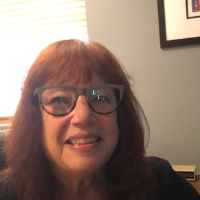
New York · 30 yrs exp
Licensed Clinical Social Worker - Relationships and Life Changes
Stress, Anxiety · Relationship · Parenting · Self esteem · +11 more
Read profile
Texas · 21 yrs exp
Licensed Clinical Social Worker - Life changes and relationships
Stress, Anxiety · Relationship · Trauma and abuse · Intimacy-related issues · +15 more
Read profile
Indiana · 11 yrs exp
Licensed Clinical Social Worker - Relationships and Trauma
Stress, Anxiety · Grief · Depression · Coping with life changes · +8 more
Read profile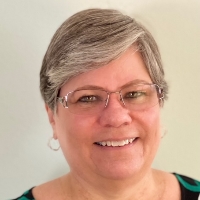
Florida · 22 yrs exp
Licensed Clinical Social Worker - stress and anxiety
Stress, Anxiety · Self esteem · Depression · Coping with life changes · +5 more
Read profile
Illinois · 25 yrs exp
Licensed clinical social worker - anxiety and life changes
Stress, Anxiety · Self esteem · Career · Coping with life changes · +10 more
Read profile
New Jersey · 8 yrs exp
Licensed clinical social worker - mood and trauma
Stress, Anxiety · Relationship · Trauma and abuse · Bipolar · +14 more
Read profile
Louisiana · 14 yrs exp
Licensed clinical social worker - Stress and trauma
Stress, Anxiety · Anger · Self esteem · Depression · +9 more
Read profile
Mississippi · 12 yrs exp
Licensed clinical social worker - stress and addiction
Stress, Anxiety · Addictions · Anger · Self esteem · +12 more
Read profile
Texas · 8 yrs exp
Licensed Clinical Social Worker - Stress and Relationships
Stress, Anxiety · Relationship · Self esteem · Depression · +8 more
Read profile
Tennessee · 35 yrs exp
Licensed Clinical Social Worker - Stress and Relationships
Stress, Anxiety · Grief · Self esteem · Depression · +8 more
Read profile
Georgia · 25 yrs exp
Licensed clinical social worker - mood and relationships
Stress, Anxiety · Parenting · Anger · Self esteem · +15 more
Read profile
Texas · 33 yrs exp
Licensed Clinical Social Worker - Relationships and Stress
Stress, Anxiety · Relationship · Family · Self esteem · +11 more
Read profile
Texas · 20 yrs exp
Licensed social worker - stress and addiction
Stress, Anxiety · Addictions · Family · Grief · +15 more
Read profile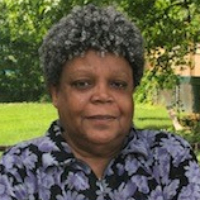
Virginia · 47 yrs exp
Licensed Clinical Social Worker - stress and relationships
Stress, Anxiety · Relationship · Grief · Self esteem · +10 more
Read profile
Colorado · 9 yrs exp
Licensed Clinical Social Worker - stress and relationships
Stress, Anxiety · Relationship · Grief · Depression · +11 more
Read profile
New York · 14 yrs exp
Licensed Clinical Social Worker - Stress and Trauma
Stress, Anxiety · Trauma and abuse · Grief · Depression · +6 more
Read profile
Michigan · 24 yrs exp
Licensed Clinical Social Worker - mood and addiction support
Stress, Anxiety · Addictions · Relationship · Family · +1 more
Read profile
Arkansas · 44 yrs exp
Licensed clinical social worker - stress and trauma
Stress, Anxiety · Trauma and abuse · Grief · Self esteem · +16 more
Read profile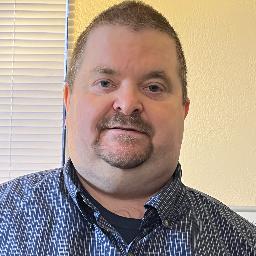
Florida · 20 yrs exp
Licensed clinical social worker - trauma and addictions
Stress, Anxiety · Addictions · Trauma and abuse · Grief · +14 more
Read profile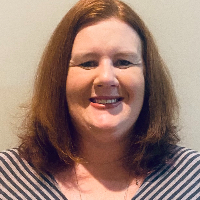
Mississippi · 21 yrs exp
Licensed Clinical Social Worker - stress and family concerns
Stress, Anxiety · Family · Parenting · Anger · +9 more
Read profile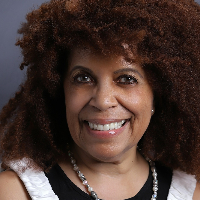
Tennessee · 15 yrs exp
Licensed Clinical Social Worker - Relationships and Stress
Stress, Anxiety · Relationship · Family · Self esteem · +9 more
Read profile
Missouri · 35 yrs exp
LCSW - Stress and trauma-focused clinician
Stress, Anxiety · Trauma and abuse · Anger · Bipolar · +13 more
Read profile
New York · 15 yrs exp
Licensed Clinical Social Worker - Relationships and Addictions
Stress, Anxiety · Addictions · Relationship · Self esteem · +10 more
Read profile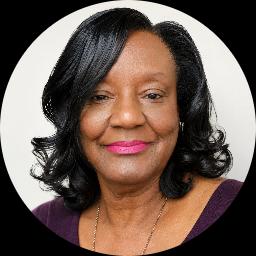
Louisiana · 25 yrs exp
Licensed Clinical Social Worker - Stress and Anxiety
Stress, Anxiety · Family · Anger · Self esteem · +1 more
Read profile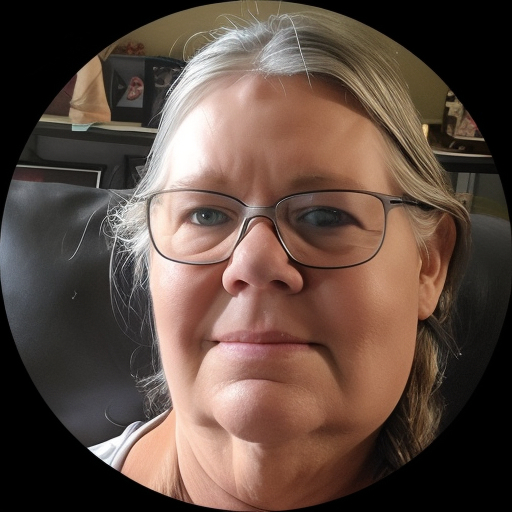
North Carolina · 16 yrs exp
Licensed Clinical Social Worker - Addiction and Trauma
Stress, Anxiety · Addictions · Trauma and abuse · Anger · +13 more
Read profile
Texas · 5 yrs exp
Licensed Clinical Social Worker - relationships and trauma
Stress, Anxiety · Relationship · Family · Trauma and abuse · +9 more
Read profile
Mississippi · 36 yrs exp
Licensed Clinical Social Worker - Family and Parenting
Family · Parenting · Anger · Self esteem · +11 more
Read profile
Florida · 28 yrs exp
Licensed clinical social worker - stress and trauma
Stress, Anxiety · Addictions · Trauma and abuse · Self esteem · +13 more
Read profile
New York · 14 yrs exp
Licensed Clinical Social Worker - stress and relationships
Stress, Anxiety · Relationship · Trauma and abuse · Self esteem · +5 more
Read profile
North Carolina · 10 yrs exp
Licensed Clinical Social Worker - Mood and trauma concerns
Stress, Anxiety · Family · Parenting · Anger · +8 more
Read profile
Nevada · 12 yrs exp
Licensed Clinical Social Worker - stress and anxiety
Stress, Anxiety · Relationship · Anger · Self esteem · +1 more
Read profile
Wyoming · 14 yrs exp
Licensed clinical social worker - mood and relationships
Addictions · Relationship · Depression · Coping with life changes · +11 more
Read profile
Connecticut · 24 yrs exp
Licensed clinical social worker - stress and mood concerns
Stress, Anxiety · Relationship · Grief · Self esteem · +11 more
Read profile
Illinois · 10 yrs exp
Licensed Clinical Social Worker - Stress and Trauma
Stress, Anxiety · Trauma and abuse · Grief · Self esteem · +11 more
Read profile
Indiana · 12 yrs exp
Licensed clinical social worker - mood and trauma
Stress, Anxiety · Trauma and abuse · Self esteem · Bipolar · +10 more
Read profile
Texas · 11 yrs exp
Licensed Clinical Social Worker - relationships and stress
Stress, Anxiety · Relationship · Trauma and abuse · Self esteem · +5 more
Read profile
New Jersey · 12 yrs exp
LCSW - Stress and relationship concerns
Stress, Anxiety · Relationship · Trauma and abuse · Self esteem · +1 more
Read profile
Florida · 40 yrs exp
Licensed Clinical Social Worker - Addictions and Relationships
Addictions · Relationship · Grief · Depression · +13 more
Read profile
Missouri · 13 yrs exp
Licensed Clinical Social Worker - Anxiety and Addictions
Stress, Anxiety · Addictions · Relationship · Family · +6 more
Read profile
Florida · 25 yrs exp
Licensed clinical social worker - mood and coping
Stress, Anxiety · Addictions · Grief · Bipolar · +5 more
Read profile
Texas · 35 yrs exp
Licensed Clinical Social Worker - Stress and Trauma
Stress, Anxiety · Relationship · Family · Trauma and abuse · +14 more
Read profile
Illinois · 23 yrs exp
Licensed clinical social worker - mood and relationships
Stress, Anxiety · Trauma and abuse · Anger · Depression · +10 more
Read profileCommunication problems can take many forms. You might struggle to express your thoughts without getting overwhelmed, find it hard to set boundaries, experience repeated arguments with a partner, or have difficulty with workplace conversations. For some people communication issues show up as withdrawal and avoidance. For others they appear as frequent misunderstandings, repeated conflict cycles, or difficulty listening and being heard. These patterns affect relationships, work, parenting, and your sense of wellbeing. They also shape how others respond to you, which can reinforce the original problem.
When you work with a licensed clinical social worker who lists communication problems among their focus areas, you are engaging with a clinician whose training includes a broader look at your context. An LCSW’s professional education and supervised clinical experience mean they assess how housing, work demands, cultural background, family roles, and access to resources interact with the ways you communicate. That person-in-environment perspective helps frame communication as part of a larger life picture rather than an isolated skill deficit, and it can shape practical goals that fit your circumstances.
You may consider seeking help if communication issues are causing repeated stress, damaging relationships, or limiting your opportunities. Signs include persistent arguments that follow similar patterns, partners or colleagues who regularly misunderstand your intent, frequent avoidance of important conversations, or a sense that nothing you say produces change. You might notice that after conversations you feel drained, unheard, or angry in ways that surprise you. If disagreements escalate quickly, if you often regret what you said, or if you find it hard to ask for what you need, these are common indicators that focused work with an LCSW could be useful.
Because LCSWs examine social and environmental factors, you might also seek support when systemic issues - such as caregiving responsibilities, work stress, financial strain, or cultural expectations - interact with how you communicate. If external pressures make it harder to listen, to be assertive, or to negotiate roles, an LCSW can help you identify practical changes in your environment alongside skills for clearer interaction.
In early sessions you and the LCSW will typically map the communication patterns that cause difficulty and identify the relationships where change matters most. You can expect a careful assessment that includes current symptoms, the history of repeating patterns, and the social context influencing those dynamics. The clinician will ask about how you and others react during conflict and what small changes you hope to see. Goal setting tends to be collaborative, with short-term, achievable steps alongside longer-term shifts.
Sessions often include practice and reflection. You may rehearse difficult conversations, learn phrasing for setting boundaries, or role-play ways to respond when you feel triggered. The LCSW can help you notice automatic reactions and offer strategies to pause and choose alternative responses. Because social work training highlights systems, therapy sessions may also explore practical changes outside the room - such as modifying family routines, adjusting workplace communication styles, or linking you with community resources that make communication more manageable. Progress is usually incremental and measured by changes in how interactions feel and how often misunderstandings occur.
Profiles for LCSWs often list several approaches they use with clients. You will see therapists who list cognitive-behavioral methods among their approaches, those who list interpersonal approaches, those who list family systems or couples work, and those who list approaches that focus on emotion regulation or trauma-informed care. When a clinician lists an approach, it means they include that orientation among the tools they may draw on; it does not describe a single prescription for every client. Expect clinicians to tailor techniques to your situation and to combine strategies to suit your goals.
Because communication problems are relational, many LCSWs integrate methods that emphasize patterns between people, help you recognize unhelpful cycles, and teach concrete communication skills. Some clinicians place extra emphasis on cultural context and how norms about directness, gender roles, or family duty shape the way you express yourself. Others foreground emotion work so you can identify underlying feelings that interfere with clear expression. When reviewing listings, consider the language a clinician uses to describe their focus - it can give you a sense of whether they pay more attention to structure and skills, emotional processing, or systems-level change.
Online sessions with a licensed clinical social worker typically use video conferencing or phone work and can make it easier to fit ongoing practice into a busy life. You can role-play a difficult conversation in the moment and then try a new approach in real life between sessions. Many people find that remote sessions reduce logistical barriers like travel and offer a way to continue work during life transitions. Keep in mind that because each LCSW is licensed by an individual state board, the scope of practice and rules for online work can vary by state. When reviewing profiles, look for information about the clinician’s stated focus areas, languages spoken, and experience with situations similar to yours.
Start by prioritizing the elements that matter most to you. Some people look for an LCSW who lists specific experience with couples communication or workplace conflict. Others value clinicians who indicate experience with cultural or family dynamics that match their background. Language can be important, so review whether a therapist lists additional languages. Consider the types of approaches a clinician lists and whether those align with the kind of work you want - skills-based practice, emotional processing, or systems-oriented interventions. Look at professional credentials and the description of clinical experience to understand the level of postgraduate supervision and licensure. It can be helpful to read clinician bios for how they describe their focus; a clear description of the kinds of communication challenges they work with often predicts a closer match.
Finally, think about practical fit. Some clients prefer a therapist who emphasizes concrete skill-building, while others want a clinician who explores underlying patterns over time. Because LCSWs bring a person-in-environment lens, they can support both individual skill change and adjustments to the surrounding circumstances that affect communication. Use the profile information to compare focus areas, approaches, credentials, languages, and experience as you decide which LCSWs to learn more about through their listings and biographies.
Alabama
26 therapists
Alaska
18 therapists
Arizona
94 therapists
Arkansas
58 therapists
California
696 therapists
Colorado
143 therapists
Connecticut
115 therapists
Delaware
36 therapists
District of Columbia
7 therapists
Florida
827 therapists
Georgia
164 therapists
Hawaii
37 therapists
Idaho
41 therapists
Illinois
401 therapists
Indiana
195 therapists
Iowa
9 therapists
Kansas
27 therapists
Kentucky
142 therapists
Louisiana
134 therapists
Maine
50 therapists
Maryland
22 therapists
Massachusetts
14 therapists
Michigan
38 therapists
Minnesota
13 therapists
Mississippi
68 therapists
Missouri
151 therapists
Montana
57 therapists
Nebraska
2 therapists
Nevada
56 therapists
New Hampshire
16 therapists
New Jersey
227 therapists
New Mexico
50 therapists
New York
535 therapists
North Carolina
358 therapists
North Dakota
11 therapists
Ohio
31 therapists
Oklahoma
80 therapists
Oregon
65 therapists
Pennsylvania
225 therapists
Rhode Island
3 therapists
South Carolina
35 therapists
South Dakota
2 therapists
Tennessee
95 therapists
Texas
483 therapists
Utah
89 therapists
Vermont
3 therapists
Virginia
187 therapists
Washington
16 therapists
West Virginia
5 therapists
Wisconsin
122 therapists
Wyoming
19 therapists