
Velma Jones
LCSWNew York · 29 yrs exp
Licensed Clinical Social Worker - Relationships and Mood
Stress, Anxiety · Relationship · Trauma and abuse · Depression · +10 more
Read profileTherapist listings are provided by BetterHelp. We will earn a commission at no additional cost to you if you use our links to purchase.
This page lists licensed clinical social workers (LCSWs) who work with attachment issues and related relationship concerns. Browse the profiles below to review clinicians who note attachment work among their practice areas and read helpful guidance before you reach out.
New York · 29 yrs exp
Licensed Clinical Social Worker - Relationships and Mood
Stress, Anxiety · Relationship · Trauma and abuse · Depression · +10 more
Read profile
Florida · 14 yrs exp
Florida LCSW - Stress and Relationship Support
Stress, Anxiety · Grief · Anger · Self esteem · +12 more
Read profile
Illinois · 17 yrs exp
Licensed clinical social worker - trauma and life transitions
Trauma and abuse · Coping with life changes · Stress, Anxiety · Relationship · +9 more
Read profile
Colorado · 19 yrs exp
Licensed Clinical Social Worker - Stress and Relationships
Stress, Anxiety · Relationship · Trauma and abuse · Grief · +12 more
Read profile
Texas · 13 yrs exp
Licensed Clinical Social Worker - Stress and Relationship support
Stress, Anxiety · Relationship · Trauma and abuse · Anger · +11 more
Read profile
New Jersey · 15 yrs exp
Licensed Clinical Social Worker - Stress and Family
Stress, Anxiety · Family · Trauma and abuse · Parenting · +10 more
Read profile
North Carolina · 10 yrs exp
Licensed Clinical Social Worker - Anxiety and Relationships
Stress, Anxiety · Relationship · Family · Bipolar · +16 more
Read profile
New York · 35 yrs exp
Licensed Clinical Social Worker - stress and relationships
Stress, Anxiety · Self esteem · Career · ADHD · +10 more
Read profile
North Carolina · 13 yrs exp
Licensed Clinical Social Worker - Stress and Relationships
Stress, Anxiety · Relationship · Family · Self esteem · +13 more
Read profile
California · 14 yrs exp
Licensed Clinical Social Worker - trauma and life transitions
Stress, Anxiety · Trauma and abuse · Grief · Self esteem · +8 more
Read profile
Louisiana · 16 yrs exp
Licensed Clinical Social Worker - mood and relationships
Stress, Anxiety · Relationship · Trauma and abuse · Bipolar · +16 more
Read profile
Florida · 10 yrs exp
Licensed Clinical Social Worker - stress and family concerns
Stress, Anxiety · Addictions · Family · Grief · +8 more
Read profile
Texas · 21 yrs exp
Licensed Clinical Social Worker - Life changes and relationships
Stress, Anxiety · Relationship · Trauma and abuse · Intimacy-related issues · +15 more
Read profile
Illinois · 25 yrs exp
Licensed clinical social worker - anxiety and life changes
Stress, Anxiety · Self esteem · Career · Coping with life changes · +10 more
Read profile
New Jersey · 8 yrs exp
Licensed clinical social worker - mood and trauma
Stress, Anxiety · Relationship · Trauma and abuse · Bipolar · +14 more
Read profile
Louisiana · 14 yrs exp
Licensed clinical social worker - Stress and trauma
Stress, Anxiety · Anger · Self esteem · Depression · +9 more
Read profile
Tennessee · 35 yrs exp
Licensed Clinical Social Worker - Stress and Relationships
Stress, Anxiety · Grief · Self esteem · Depression · +8 more
Read profile
Georgia · 25 yrs exp
Licensed clinical social worker - mood and relationships
Stress, Anxiety · Parenting · Anger · Self esteem · +15 more
Read profile
Texas · 33 yrs exp
Licensed Clinical Social Worker - Relationships and Stress
Stress, Anxiety · Relationship · Family · Self esteem · +11 more
Read profile
Texas · 20 yrs exp
Licensed social worker - stress and addiction
Stress, Anxiety · Addictions · Family · Grief · +15 more
Read profile
Colorado · 9 yrs exp
Licensed Clinical Social Worker - stress and relationships
Stress, Anxiety · Relationship · Grief · Depression · +11 more
Read profile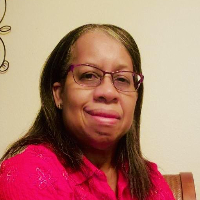
Florida · 28 yrs exp
Licensed Clinical Social Worker - Anxiety and Addictions
Addictions · Trauma and abuse · Parenting · Bipolar · +15 more
Read profile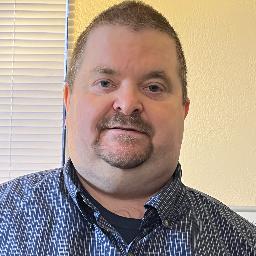
Florida · 20 yrs exp
Licensed clinical social worker - trauma and addictions
Stress, Anxiety · Addictions · Trauma and abuse · Grief · +14 more
Read profile
New York · 15 yrs exp
Licensed Clinical Social Worker - Relationships and Addictions
Stress, Anxiety · Addictions · Relationship · Self esteem · +10 more
Read profile
Michigan · 11 yrs exp
Licensed Clinical Social Worker - Stress and Trauma
Stress, Anxiety · Relationship · Trauma and abuse · Grief · +1 more
Read profile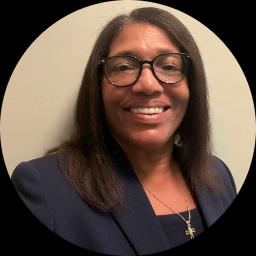
Mississippi · 36 yrs exp
Licensed Clinical Social Worker - Family and Parenting
Family · Parenting · Anger · Self esteem · +11 more
Read profile
Florida · 28 yrs exp
Licensed clinical social worker - stress and trauma
Stress, Anxiety · Addictions · Trauma and abuse · Self esteem · +13 more
Read profile
Connecticut · 24 yrs exp
Licensed clinical social worker - stress and mood concerns
Stress, Anxiety · Relationship · Grief · Self esteem · +11 more
Read profile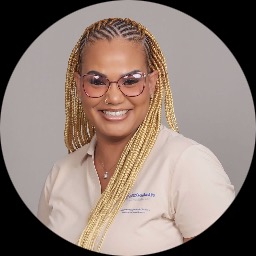
Texas · 6 yrs exp
Licensed Clinical Social Worker - Trauma and Relationships
Stress, Anxiety · Relationship · Trauma and abuse · Self esteem · +1 more
Read profile
Indiana · 12 yrs exp
Licensed clinical social worker - mood and trauma
Stress, Anxiety · Trauma and abuse · Self esteem · Bipolar · +10 more
Read profile
Texas · 11 yrs exp
Licensed Clinical Social Worker - relationships and stress
Stress, Anxiety · Relationship · Trauma and abuse · Self esteem · +5 more
Read profile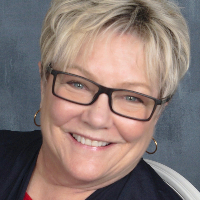
Florida · 40 yrs exp
Licensed Clinical Social Worker - Addictions and Relationships
Addictions · Relationship · Grief · Depression · +13 more
Read profile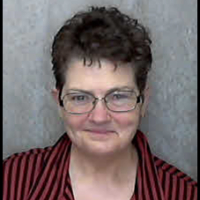
Texas · 35 yrs exp
Licensed Clinical Social Worker - Stress and Trauma
Stress, Anxiety · Relationship · Family · Trauma and abuse · +14 more
Read profile
Kentucky · 8 yrs exp
Licensed Clinical Social Worker - Stress and Relationships
Stress, Anxiety · Relationship · Family · Trauma and abuse · +5 more
Read profile
North Carolina · 7 yrs exp
Licensed Clinical Social Worker - Stress and Relationships
Stress, Anxiety · LGBT · Relationship · Trauma and abuse · +1 more
Read profile
Illinois · 39 yrs exp
Licensed Clinical Social Worker - stress and relationships
Stress, Anxiety · Relationship · Grief · Sleeping · +1 more
Read profile
Colorado · 22 yrs exp
Licensed Clinical Social Worker - adult mental health
Stress, Anxiety · Relationship · Trauma and abuse · Depression · +16 more
Read profile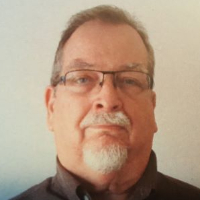
Florida · 20 yrs exp
Licensed Clinical Social Worker - Stress and Trauma
Stress, Anxiety · Trauma and abuse · Grief · Career · +15 more
Read profile
New York · 25 yrs exp
Licensed Clinical Social Worker - Stress and Relationships
Stress, Anxiety · Relationship · Family · Trauma and abuse · +15 more
Read profile
Illinois · 3 yrs exp
Licensed Clinical Social Worker - Stress and Relationships
Stress, Anxiety · Addictions · LGBT · Relationship · +10 more
Read profile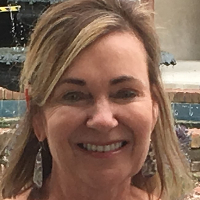
Kentucky · 15 yrs exp
Licensed Clinical Social Worker - relationships and mood
Stress, Anxiety · Relationship · Parenting · Anger · +13 more
Read profile
Florida · 20 yrs exp
Licensed Clinical Social Worker - Relationships and Stress
Stress, Anxiety · Relationship · Family · Trauma and abuse · +16 more
Read profile
Utah · 30 yrs exp
Licensed social worker - mood and dependency concerns
Stress, Anxiety · Trauma and abuse · Grief · Anger · +1 more
Read profile
Florida · 19 yrs exp
Licensed Clinical Social Worker - Stress and Trauma
Stress, Anxiety · Trauma and abuse · Grief · Depression · +9 more
Read profile
Indiana · 33 yrs exp
Licensed clinical social worker - mood and relationships
Stress, Anxiety · Parenting · Anger · Depression · +13 more
Read profile
Florida · 3 yrs exp
Licensed Clinical Social Worker - Relationships and Stress
Stress, Anxiety · Relationship · Trauma and abuse · Parenting · +11 more
Read profile
Idaho · 18 yrs exp
Licensed Clinical Social Worker - Anxiety and Trauma
Stress, Anxiety · Trauma and abuse · Grief · Self esteem · +10 more
Read profile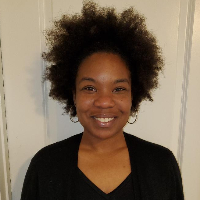
North Carolina · 15 yrs exp
Licensed Clinical Social Worker - Trauma and Relationships
LGBT · Relationship · Family · Parenting · +7 more
Read profile
Florida · 16 yrs exp
Dr. Amary Alcide - LCSW, stress and relationships
Stress, Anxiety · Relationship · Parenting · Self esteem · +8 more
Read profile
New York · 8 yrs exp
Licensed Clinical Social Worker - anxiety and trauma
Stress, Anxiety · Addictions · Relationship · Trauma and abuse · +12 more
Read profile
Illinois · 12 yrs exp
Licensed clinical social worker - mood and coping support
Stress, Anxiety · Trauma and abuse · Bipolar · Depression · +12 more
Read profile
Florida · 16 yrs exp
Licensed clinical social worker - stress and trauma
Stress, Anxiety · Trauma and abuse · Grief · Self esteem · +10 more
Read profile
Montana · 6 yrs exp
Licensed Clinical Social Worker - Depression and Anxiety
Depression · Coping with life changes · Compassion fatigue · Stress, Anxiety · +9 more
Read profile
Texas · 29 yrs exp
Licensed Clinical Social Worker - relationships and trauma
Stress, Anxiety · Relationship · Trauma and abuse · Grief · +10 more
Read profile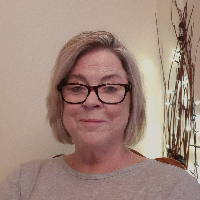
Illinois · 40 yrs exp
Licensed Clinical Social Worker - Stress and Family Concerns
Stress, Anxiety · Family · Parenting · Self esteem · +9 more
Read profile
North Carolina · 24 yrs exp
Licensed clinical social worker - Trauma and life stress
Stress, Anxiety · Relationship · Family · Trauma and abuse · +14 more
Read profile
Louisiana · 11 yrs exp
Licensed Clinical Social Worker - mood and trauma support
Stress, Anxiety · Addictions · LGBT · Trauma and abuse · +12 more
Read profile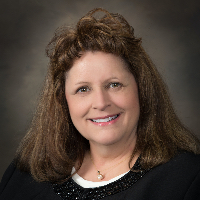
Louisiana · 28 yrs exp
Licensed Clinical Social Worker - Stress and Grief
Stress, Anxiety · Grief · Self esteem · Career · +12 more
Read profile
Texas · 13 yrs exp
Licensed Clinical Social Worker - Stress and Relationships
Stress, Anxiety · Relationship · Anger · Self esteem · +12 more
Read profile
Mississippi · 51 yrs exp
Dr. Ricardo Gillispie LCSW - Stress and Relationship work
Stress, Anxiety · Relationship · Self esteem · Depression · +15 more
Read profileAttachment refers to the ways people form emotional bonds and rely on others for comfort, support, and a sense of safety. Early relationships with caregivers shape attachment patterns that often persist into adulthood and influence how you relate to friends, romantic partners, colleagues, and your own children. When those early needs were not met consistently, or when caregiving included fear or unpredictability, patterns can form that make closeness feel risky, overwhelming, or impossible to sustain.
Attachment issues can show up as a tendency to cling to relationships, an intense fear of abandonment, chronic mistrust, or a habit of keeping others at a distance. For many people these patterns are understandable adaptations to past experiences. Social workers who hold an LCSW bring a person-in-environment perspective to this work - they consider your relationships alongside housing, work, family responsibilities, finances, and community supports. That broader view helps target the social and practical factors that interact with attachment patterns, rather than focusing only on internal experience.
Because attachment shapes how you regulate emotion, communicate needs, and interpret others' behavior, it often affects areas of life beyond individual relationships. You may notice its effects in parenting, in how you handle conflict at work, or in daily decisions about trust and risk. Understanding attachment is a starting point for changing patterns that no longer serve you.
You might consider seeking help if you experience recurring relationship cycles that leave you feeling stuck, hurt, or shut down. Common signs include frequent worry about abandonment, repeated push-pull dynamics with partners, difficulty trusting others even when evidence suggests trust is safe, or avoiding intimacy to keep from getting hurt. Some people find themselves excessively dependent on a partner or friend for reassurance, while others find it hard to ask for help even when they need it.
Attachment issues can also show up in how you manage emotions - for example, intense mood swings, panic when someone gets close, or emotional numbing when relationships become stressful. You may notice difficulty setting or maintaining boundaries, persistent loneliness despite relationships, or patterns of choosing partners who repeat familiar hurts. Parents may see attachment-related behaviors in their children and want guidance on breaking generational cycles. If daily functioning, relationships, or your sense of wellbeing are affected by these patterns, working with an LCSW who understands attachment can be helpful.
Because LCSWs are trained to assess both internal experience and external circumstances, they can help you identify how housing, work stress, caregiving responsibilities, financial strain, or community resources are influencing relationship patterns and emotional health. That contextual lens often makes treatment more practical and grounded in the realities of your life.
When you meet with an LCSW for attachment concerns, the early phase typically involves assessment and building a working relationship. You can expect the clinician to ask about your relationship history, family background, current stressors, and goals for change. Because LCSWs emphasize person-in-environment, you will likely discuss housing, employment, family obligations, and access to support as part of understanding how attachment patterns operate in your life.
Therapeutic work for attachment issues often focuses on increasing awareness of relational patterns, learning new ways to communicate needs, practicing emotion regulation skills, and experimenting with healthier ways of relating. Sessions may combine exploration of how past experiences shaped your patterns with practical strategies for handling triggers in the present. Many clinicians emphasize the therapeutic relationship itself as a central tool - the way you experience consistency, responsiveness, and limits in the relationship with your clinician can provide corrective experience that helps shift longstanding patterns.
Because LCSWs are trained to work at the intersection of clinical care and social support, you may also encounter a mix of clinical conversation and concrete problem-solving. This could include coordinating with community resources, helping you access services, or addressing social factors that make attachment work harder. The pace and focus of sessions vary by your goals, life situation, and the clinician you choose, but you can generally expect an approach that integrates emotional exploration with attention to practical needs.
Different clinicians describe their approach in different ways, and the credentialed status of a clinician does not define their method. You will encounter LCSWs who list a range of approaches among their practice areas. For example, some clinicians describe attachment-focused or relational work that centers on patterns in close relationships and how they formed. Others list trauma-informed care to indicate attention to how past hurts affect current attachment. You may find clinicians who mention psychodynamic perspectives that emphasize how early relationships shape current dynamics, or cognitive-behavioral approaches that focus on changing thought and behavior patterns that keep you stuck.
Some LCSWs note approaches such as emotionally focused work that emphasizes the cycle of emotion and response in close partnerships, while others include family systems perspectives that look at how roles and patterns in a family influence attachment dynamics. Group-based formats or parent-child interventions may also be listed by clinicians who work with attachment in relational contexts. When reviewing profiles, look for language that resonates with you - for example, clinicians who list relational, attachment-centered, trauma-informed, or family-focused approaches often emphasize connection, safety, and repair as key goals.
Remember that a listed approach is a descriptor of practice orientation, not a guarantee of any specific training credential. If a particular method appeals to you, it is reasonable to ask a clinician how they apply that approach to attachment concerns and how it would fit your goals.
Online sessions with an LCSW are often delivered via video, phone, or a mixed format, and many clinicians use technology to stay connected with people who have busy schedules, mobility limits, or who live far from a clinician they feel suited to. When planning online work for attachment issues, think about creating a consistent, interruption-free room where you can speak openly and reflect. A reliable internet connection, good audio, and a comfortable camera angle help conversations flow. You may want to use headphones to increase your sense of privacy and limit household interruptions when discussing sensitive material.
Licensing matters for remote work because each LCSW is licensed by a state board and scope of practice varies by state. If you are seeking online sessions from a different state, ask about licensure implications up front. Online modalities can support many kinds of attachment-focused work - the relational experience in video sessions often allows for emotional attunement and interactive exercises. Some clinicians combine remote sessions with occasional in-person meetings when feasible, depending on geography and practice patterns.
Start by identifying what you want to change and look for clinicians who specifically note attachment, relational, or family work among their focus areas. Check profiles for LCSW credentialing, years of clinical experience, languages spoken, and descriptions of the populations a clinician works with - for example, adults, adolescents, couples, or parents. Pay attention to whether a clinician emphasizes a person-in-environment perspective if addressing life circumstances alongside attachment patterns matters to you.
Consider practical factors that affect fit. Think about the session format that suits you - video, phone, or in-person - and whether the clinician lists experience working with similar concerns or backgrounds. It can be useful to ask how a clinician describes their approach to attachment and what a typical course of work might involve. You may want to inquire how they involve partners or family members if relationships beyond individual therapy are important to your goals. Also consider logistical matters such as fees, payment methods, and whether the clinician works with insurance or offers sliding scale options.
Finding the right fit sometimes takes time. It is reasonable to prioritize a clinician who communicates in a way that feels supportive and who recognizes the interplay between your relationships and your life circumstances. An LCSW's integration of clinical work with attention to housing, work, caregiving, and community resources can be especially helpful when attachment issues are entangled with practical stressors. Take the time to evaluate profiles and to reach out with specific questions about the clinician's experience with attachment-focused work so you can make an informed choice.
Alabama
26 therapists
Alaska
18 therapists
Arizona
94 therapists
Arkansas
58 therapists
California
696 therapists
Colorado
143 therapists
Connecticut
115 therapists
Delaware
36 therapists
District of Columbia
7 therapists
Florida
827 therapists
Georgia
164 therapists
Hawaii
37 therapists
Idaho
41 therapists
Illinois
401 therapists
Indiana
195 therapists
Iowa
9 therapists
Kansas
27 therapists
Kentucky
142 therapists
Louisiana
134 therapists
Maine
50 therapists
Maryland
22 therapists
Massachusetts
14 therapists
Michigan
38 therapists
Minnesota
13 therapists
Mississippi
68 therapists
Missouri
151 therapists
Montana
57 therapists
Nebraska
2 therapists
Nevada
56 therapists
New Hampshire
16 therapists
New Jersey
227 therapists
New Mexico
50 therapists
New York
535 therapists
North Carolina
358 therapists
North Dakota
11 therapists
Ohio
31 therapists
Oklahoma
80 therapists
Oregon
65 therapists
Pennsylvania
225 therapists
Rhode Island
3 therapists
South Carolina
35 therapists
South Dakota
2 therapists
Tennessee
95 therapists
Texas
483 therapists
Utah
89 therapists
Vermont
3 therapists
Virginia
187 therapists
Washington
16 therapists
West Virginia
5 therapists
Wisconsin
122 therapists
Wyoming
19 therapists