
Velma Jones
LCSWNew York · 29 yrs exp
Licensed Clinical Social Worker - Relationships and Mood
Stress, Anxiety · Relationship · Trauma and abuse · Depression · +10 more
Read profileTherapist listings are provided by BetterHelp. We will earn a commission at no additional cost to you if you use our links to purchase.
This page connects you with licensed clinical social workers who list career-related focus areas. Browse the listings below to review profiles, focus areas, languages spoken, and professional experience.
New York · 29 yrs exp
Licensed Clinical Social Worker - Relationships and Mood
Stress, Anxiety · Relationship · Trauma and abuse · Depression · +10 more
Read profile
Florida · 14 yrs exp
Florida LCSW - Stress and Relationship Support
Stress, Anxiety · Grief · Anger · Self esteem · +12 more
Read profile
Illinois · 17 yrs exp
Licensed clinical social worker - trauma and life transitions
Trauma and abuse · Coping with life changes · Stress, Anxiety · Relationship · +9 more
Read profile
Colorado · 19 yrs exp
Licensed Clinical Social Worker - Stress and Relationships
Stress, Anxiety · Relationship · Trauma and abuse · Grief · +12 more
Read profile
Texas · 13 yrs exp
Licensed Clinical Social Worker - Stress and Relationship support
Stress, Anxiety · Relationship · Trauma and abuse · Anger · +11 more
Read profile
Hawaii · 16 yrs exp
Licensed clinical social worker - mood and stress support
Stress, Anxiety · Grief · Self esteem · Depression · +5 more
Read profile
New York · 24 yrs exp
Licensed Clinical Social Worker - Anxiety and Depression
Stress, Anxiety · Relationship · Anger · Self esteem · +12 more
Read profile
Illinois · 20 yrs exp
Licensed Clinical Social Worker - Stress and Relationships
Stress, Anxiety · Relationship · Parenting · Self esteem · +7 more
Read profile
Missouri · 36 yrs exp
Licensed Clinical Social Worker - Mood and Trauma
Stress, Anxiety · Relationship · Trauma and abuse · Intimacy-related issues · +15 more
Read profile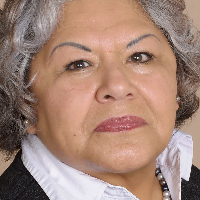
Nevada · 3 yrs exp
Licensed clinical social worker - anxiety and relationships
Stress, Anxiety · Relationship · Family · Trauma and abuse · +11 more
Read profile
Missouri · 16 yrs exp
Licensed clinical social worker - mood and trauma support
Stress, Anxiety · Trauma and abuse · Self esteem · Bipolar · +12 more
Read profile
North Carolina · 10 yrs exp
Licensed Clinical Social Worker - Anxiety and Relationships
Stress, Anxiety · Relationship · Family · Bipolar · +16 more
Read profile
Florida · 15 yrs exp
Licensed Clinical Social Worker - Relationships and Sexuality
Relationship · Family · Intimacy-related issues · Coaching · +4 more
Read profile
New York · 35 yrs exp
Licensed Clinical Social Worker - stress and relationships
Stress, Anxiety · Self esteem · Career · ADHD · +10 more
Read profile
North Carolina · 13 yrs exp
Licensed Clinical Social Worker - Stress and Relationships
Stress, Anxiety · Relationship · Family · Self esteem · +13 more
Read profile
Florida · 11 yrs exp
Licensed Clinical Social Worker - addiction and mood concerns
Addictions · Relationship · Self esteem · Depression · +9 more
Read profile
California · 14 yrs exp
Licensed Clinical Social Worker - trauma and life transitions
Stress, Anxiety · Trauma and abuse · Grief · Self esteem · +8 more
Read profile
New York · 25 yrs exp
Licensed Clinical Social Worker - stress and trauma
Stress, Anxiety · Trauma and abuse · Self esteem · Depression · +7 more
Read profile
Louisiana · 16 yrs exp
Licensed Clinical Social Worker - mood and relationships
Stress, Anxiety · Relationship · Trauma and abuse · Bipolar · +16 more
Read profile
Florida · 10 yrs exp
Licensed Clinical Social Worker - stress and family concerns
Stress, Anxiety · Addictions · Family · Grief · +8 more
Read profile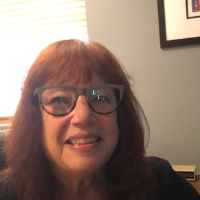
New York · 30 yrs exp
Licensed Clinical Social Worker - Relationships and Life Changes
Stress, Anxiety · Relationship · Parenting · Self esteem · +11 more
Read profile
Texas · 21 yrs exp
Licensed Clinical Social Worker - Life changes and relationships
Stress, Anxiety · Relationship · Trauma and abuse · Intimacy-related issues · +15 more
Read profile
New York · 10 yrs exp
Licensed Clinical Social Worker - Stress and Relationships
Stress, Anxiety · Relationship · Family · Grief · +12 more
Read profile
Indiana · 11 yrs exp
Licensed Clinical Social Worker - Relationships and Trauma
Stress, Anxiety · Grief · Depression · Coping with life changes · +8 more
Read profile
Illinois · 25 yrs exp
Licensed clinical social worker - anxiety and life changes
Stress, Anxiety · Self esteem · Career · Coping with life changes · +10 more
Read profile
New Jersey · 8 yrs exp
Licensed clinical social worker - mood and trauma
Stress, Anxiety · Relationship · Trauma and abuse · Bipolar · +14 more
Read profile
Louisiana · 14 yrs exp
Licensed clinical social worker - Stress and trauma
Stress, Anxiety · Anger · Self esteem · Depression · +9 more
Read profile
Mississippi · 12 yrs exp
Licensed clinical social worker - stress and addiction
Stress, Anxiety · Addictions · Anger · Self esteem · +12 more
Read profile
Tennessee · 35 yrs exp
Licensed Clinical Social Worker - Stress and Relationships
Stress, Anxiety · Grief · Self esteem · Depression · +8 more
Read profile
Georgia · 25 yrs exp
Licensed clinical social worker - mood and relationships
Stress, Anxiety · Parenting · Anger · Self esteem · +15 more
Read profile
Texas · 33 yrs exp
Licensed Clinical Social Worker - Relationships and Stress
Stress, Anxiety · Relationship · Family · Self esteem · +11 more
Read profile
Texas · 20 yrs exp
Licensed social worker - stress and addiction
Stress, Anxiety · Addictions · Family · Grief · +15 more
Read profile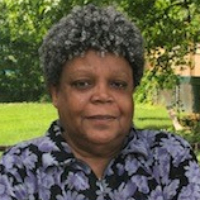
Virginia · 47 yrs exp
Licensed Clinical Social Worker - stress and relationships
Stress, Anxiety · Relationship · Grief · Self esteem · +10 more
Read profile
Colorado · 9 yrs exp
Licensed Clinical Social Worker - stress and relationships
Stress, Anxiety · Relationship · Grief · Depression · +11 more
Read profile
New Mexico · 3 yrs exp
Licensed Clinical Social Worker - Trauma and Anxiety
Stress, Anxiety · Trauma and abuse · Depression · Compassion fatigue · +9 more
Read profile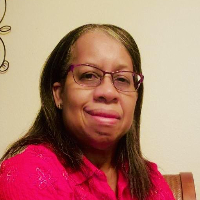
Florida · 28 yrs exp
Licensed Clinical Social Worker - Anxiety and Addictions
Addictions · Trauma and abuse · Parenting · Bipolar · +15 more
Read profile
Arkansas · 44 yrs exp
Licensed clinical social worker - stress and trauma
Stress, Anxiety · Trauma and abuse · Grief · Self esteem · +16 more
Read profile
Florida · 20 yrs exp
Licensed clinical social worker - trauma and addictions
Stress, Anxiety · Addictions · Trauma and abuse · Grief · +14 more
Read profile
California · 20 yrs exp
Licensed Clinical Social Worker - Stress and Relationships
Stress, Anxiety · Relationship · Family · Parenting · +15 more
Read profile
Mississippi · 21 yrs exp
Licensed Clinical Social Worker - stress and family concerns
Stress, Anxiety · Family · Parenting · Anger · +9 more
Read profile
Tennessee · 15 yrs exp
Licensed Clinical Social Worker - Relationships and Stress
Stress, Anxiety · Relationship · Family · Self esteem · +9 more
Read profile
Missouri · 35 yrs exp
LCSW - Stress and trauma-focused clinician
Stress, Anxiety · Trauma and abuse · Anger · Bipolar · +13 more
Read profile
New York · 15 yrs exp
Licensed Clinical Social Worker - Relationships and Addictions
Stress, Anxiety · Addictions · Relationship · Self esteem · +10 more
Read profile
North Carolina · 16 yrs exp
Licensed Clinical Social Worker - Addiction and Trauma
Stress, Anxiety · Addictions · Trauma and abuse · Anger · +13 more
Read profile
Texas · 5 yrs exp
Licensed Clinical Social Worker - relationships and trauma
Stress, Anxiety · Relationship · Family · Trauma and abuse · +9 more
Read profile
Mississippi · 36 yrs exp
Licensed Clinical Social Worker - Family and Parenting
Family · Parenting · Anger · Self esteem · +11 more
Read profile
Colorado · 15 yrs exp
Licensed clinical social worker - anxiety and life changes
Stress, Anxiety · Grief · Depression · Coping with life changes · +10 more
Read profile
Wyoming · 14 yrs exp
Licensed clinical social worker - mood and relationships
Addictions · Relationship · Depression · Coping with life changes · +11 more
Read profile
Connecticut · 24 yrs exp
Licensed clinical social worker - stress and mood concerns
Stress, Anxiety · Relationship · Grief · Self esteem · +11 more
Read profile
Indiana · 12 yrs exp
Licensed clinical social worker - mood and trauma
Stress, Anxiety · Trauma and abuse · Self esteem · Bipolar · +10 more
Read profile
Florida · 40 yrs exp
Licensed Clinical Social Worker - Addictions and Relationships
Addictions · Relationship · Grief · Depression · +13 more
Read profile
Texas · 35 yrs exp
Licensed Clinical Social Worker - Stress and Trauma
Stress, Anxiety · Relationship · Family · Trauma and abuse · +14 more
Read profile
Colorado · 20 yrs exp
Licensed Clinical Social Worker - Stress and Trauma
Stress, Anxiety · Trauma and abuse · Grief · Depression · +15 more
Read profile
Wisconsin · 18 yrs exp
Licensed Clinical Social Worker - Relationships and Stress
Stress, Anxiety · Parenting · Self esteem · Depression · +11 more
Read profile
Connecticut · 24 yrs exp
Licensed Clinical Social Worker - Anxiety and Addictions
Stress, Anxiety · Addictions · Family · Bipolar · +10 more
Read profile
California · 10 yrs exp
Licensed Clinical Social Worker - stress and trauma
Stress, Anxiety · Addictions · Parenting · Self esteem · +12 more
Read profile
Oregon · 15 yrs exp
Licensed Clinical Social Worker - Stress and Trauma
Stress, Anxiety · Trauma and abuse · Grief · Self esteem · +15 more
Read profile
Florida · 32 yrs exp
Licensed Clinical Social Worker - Stress and Trauma
Stress, Anxiety · Trauma and abuse · Grief · Depression · +14 more
Read profile
Indiana · 25 yrs exp
Licensed Clinical Social Worker - stress and relationships
Stress, Anxiety · Relationship · Grief · Self esteem · +12 more
Read profile
Colorado · 22 yrs exp
Licensed Clinical Social Worker - adult mental health
Stress, Anxiety · Relationship · Trauma and abuse · Depression · +16 more
Read profileYour career is more than a job. It touches how you spend your days, how you make decisions, how you relate to others, and how you plan for the future. Career concerns can include shifts such as changing roles, seeking promotion, returning to work after a break, dealing with layoffs, or reevaluating what work means to you. They can also involve the practicalities of employment - income, benefits, commuting, and work-life boundaries - and the emotional responses those realities evoke, such as stress, shame, relief, or renewed purpose. Licensed clinical social workers approach career matters with an eye to both the internal experience and the external circumstances that shape it. That person-in-environment perspective means your housing situation, financial pressures, family responsibilities, community context, and access to resources are all considered alongside thoughts, feelings, and behaviors. For many people, addressing career issues in this broader frame can reveal options that feel more realistic and sustainable than solutions that focus only on individual feelings or on job skills alone.
You might seek help when career questions start to interfere with everyday functioning. Exhaustion that never seems to lift, persistent worry about work performance, strained relationships at home or at work, a pattern of job instability, or feeling paralyzed when faced with career choices are common reasons people reach out. You might be navigating a major transition - retirement, reentering the workforce, relocation, or a career pivot - and want assistance making a plan that accounts for your life circumstances. Sometimes symptoms show up indirectly: difficulty sleeping, changes in appetite, loss of interest in activities you used to enjoy, or an increase in conflict with coworkers or family. An LCSW can help you explore how external factors like caregiving demands, financial constraints, or discriminatory workplace practices intersect with your career goals. If you find yourself replaying the same decisions or patterns without progress, or if work-related issues are affecting your mood and relationships, that can be a practical signal that working with a licensed clinician could help you clarify options and develop new strategies.
Sessions with a licensed clinical social worker typically begin with a conversation about what matters most to you right now. You can expect to describe recent events, your current responsibilities, and the outcomes you hope to achieve. An LCSW will usually ask about broader life circumstances - housing, family roles, financial pressures, community supports, and health - because these shape what options are realistic. Together you will identify specific goals, such as preparing for a job search, managing workplace stress, negotiating boundaries, recovering after a layoff, or planning a career change. Your LCSW will help you translate goals into practical steps and may work with you on skills such as communication, problem solving, decision making, and stress management. Progress often looks different person to person: for some it is a clearer plan and renewed motivation; for others it is improved coping with uncertainty or better negotiation at work. Sessions vary in length and frequency based on your needs and preferences. If you choose online sessions, many of the same processes apply - assessment, planning, and skill-building - delivered via video or phone. The emphasis in sessions is on actionable strategies that fit your real-world constraints alongside attention to how events affect your thoughts and feelings.
Licensed clinical social workers on this site list a range of approaches they use with people dealing with career matters. You may see references to cognitive-behavioral methods, which focus on identifying and shifting unhelpful thinking and behavior patterns that get in the way of job search or workplace well-being. You may also find therapists who list narrative or life-story approaches, which help you reframe professional identity and create a coherent sense of career purpose. Solution-focused work tends to center on immediate, practical steps and on amplifying what is already working. You might encounter clinicians who include strengths-based language, emphasizing your existing resources and resilience as a foundation for change. Note that the directory records approaches that clinicians list; it does not certify training in particular methods. When you review profiles, consider how the approaches described align with your goals - whether you are seeking practical planning support, help with emotional regulation, or a deeper exploration of identity and values - and whether the language resonates with how you prefer to work. Many people find that a blend of pragmatic career coaching and therapeutic attention to life context produces the most sustainable outcomes.
Online sessions can make it easier to fit help into a busy schedule, especially if travel, caregiving, or work hours make in-person meetings difficult. Sessions usually take place over video or by phone and follow the same core process as in-person meetings: assessment, goal setting, and collaborative planning. You should prepare the same practical documents you would bring to an in-person meeting if helpful - a resume draft, job descriptions you are considering, notes about workplace incidents, or lists of your priorities and constraints. Technology can also expand the range of options for role-play, screen-sharing to review materials, and co-creating plans in real time. Pay attention to privacy on your own end by choosing a setting where you can speak without interruption, and ask about the clinician's policies for record keeping and digital communications. Many people find that being able to meet from home or during a lunch break reduces stress around logistics and allows them to focus more fully on problem solving. If you are concerned about fitting sessions into your routine, discuss scheduling rhythms and session length with the LCSW you are considering so the format supports your goals.
Choosing a clinician is a personal process. Start by looking for licensed clinical social workers who list career-related focus areas and whose profiles mention experience with the issues you're facing - transitions, workplace stress, leadership challenges, or balancing work with caregiving, for example. Consider language preferences and cultural background if those factors matter to you, and note professional experience such as years in practice, workplace consultation, or community-based work that aligns with your needs. Read how clinicians describe their approach and look for phrasing that matches whether you want direct skill-building, deeper reflective work, or help navigating systemic barriers. It can be helpful to prepare a few questions in advance about how they typically work with career concerns and what a few early sessions might focus on. When you review profiles, compare focus areas, listed approaches, credentials, languages, and professional experience to determine who seems most likely to fit the style and expertise you want. Remember that a good match often depends as much on how the clinician communicates and the practical fit with your life as on formal credentials alone. Taking time to review profiles carefully will help you find a licensed clinical social worker whose person-in-environment perspective aligns with your goals and circumstances.
Your career matters because it intersects with nearly every other part of your life. Working with a licensed clinical social worker can help you find options that are emotionally meaningful and realistically feasible, because LCSWs look beyond the individual and into the surrounding systems and demands that shape choices. Use the listings below to explore clinician profiles, learn about their areas of focus and experience, and identify professionals whose descriptions match the kind of help you want. Thoughtful match-making at the start increases the chances that sessions will feel useful, action-oriented, and relevant to the life you are actually trying to build.
Alabama
26 therapists
Alaska
18 therapists
Arizona
94 therapists
Arkansas
58 therapists
California
696 therapists
Colorado
143 therapists
Connecticut
115 therapists
Delaware
36 therapists
District of Columbia
7 therapists
Florida
827 therapists
Georgia
164 therapists
Hawaii
37 therapists
Idaho
41 therapists
Illinois
401 therapists
Indiana
195 therapists
Iowa
9 therapists
Kansas
27 therapists
Kentucky
142 therapists
Louisiana
134 therapists
Maine
50 therapists
Maryland
22 therapists
Massachusetts
14 therapists
Michigan
38 therapists
Minnesota
13 therapists
Mississippi
68 therapists
Missouri
151 therapists
Montana
57 therapists
Nebraska
2 therapists
Nevada
56 therapists
New Hampshire
16 therapists
New Jersey
227 therapists
New Mexico
50 therapists
New York
535 therapists
North Carolina
358 therapists
North Dakota
11 therapists
Ohio
31 therapists
Oklahoma
80 therapists
Oregon
65 therapists
Pennsylvania
225 therapists
Rhode Island
3 therapists
South Carolina
35 therapists
South Dakota
2 therapists
Tennessee
95 therapists
Texas
483 therapists
Utah
89 therapists
Vermont
3 therapists
Virginia
187 therapists
Washington
16 therapists
West Virginia
5 therapists
Wisconsin
122 therapists
Wyoming
19 therapists