Licensed clinical social worker recordUtah
Credentials check
- Credentials
- LCSW
- Licensed in Utah
- LCSW, licence 5633817-3501
- NPI
- 1811292998
- Experience
- 25 years
- Languages
- English
- Location
- Utah
These details come from information Carol supplied to BetterHelp. A licence can be checked with the social work board of the state that issued it, and an NPI with the national registry.
AAbout
- Acceptance and Commitment Therapy
- CBT techniques
- Mindfulness practice
About Carol
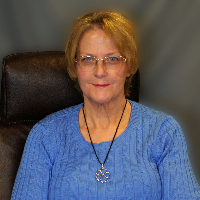
Carol Gross is a Licensed Clinical Social Worker (LCSW) licensed in Utah with 25 years of experience. She works with people facing anxiety, depression, mood disorders, addiction, trauma, anger, ADHD, grief, and related concerns. Carol draws on both social work and behavioral perspectives in her practice.
She began her career in systems analysis and moved into mental health over two decades ago. That background guides her practical approach to problems and patterns people live with. She describes Acceptance and Commitment Therapy (ACT) as a central influence and often uses the ACT Matrix as a tool during sessions.
In sessions she helps people notice discomfort and learn small, concrete skills to cope. Carol uses mindfulness exercises, behavior-focused strategies, and cognitive methods to increase flexibility in daily life. She explains concepts plainly and works step by step so changes are manageable.
She also addresses relational and life-stage concerns such as caregiving stress, aging issues, blended family dynamics, and communication problems. Other areas include sleep and eating difficulties, body image, chronic pain and co-morbid conditions. Carol integrates motivational techniques when people are unsure about change.
Her approach is practical and task oriented. She helps people identify values, learn coping skills, and practice new behaviors between sessions. Prospective clients in Utah should confirm current session format options before booking.
BHow sessions work
How her approaches translate to online work
Acceptance and Commitment Therapy (ACT) focuses on noticing personal values and increasing psychological flexibility. It uses exercises and the ACT Matrix to help people choose actions that fit what matters to them. Cognitive Behavioral Therapy (CBT) looks at the links between thoughts, feelings, and behaviors and teaches practical skills to change unhelpful patterns. Mindfulness Therapy builds simple attention and breathing practices to reduce reactivity and improve focus.Finding the right approach is part of the process. Carol will talk with each person about their goals and preferences and then try methods that fit those needs. The plan is collaborative - adjustments are made based on what helps in everyday life.
The practical benefits of online care include fitting sessions into a busy routine and removing travel time so brief check-ins are easier to schedule. This profile does not list specific session formats, so confirm current online options before booking. Online work can still include skills practice, tracking exercises between sessions, and use of worksheets or the ACT Matrix so therapy integrates into daily life.
CAreas of focus
Areas of expertise
Primary focus
Also works with
Additional focus areas
Therapeutic approaches
Experience
25+ years
Listed in
Utah
Languages
English
DQuestions
Frequently asked questions
What concerns does she address?
Carol works with stress, anxiety, depression, mood disorders, addiction, trauma and related issues including grief and relationship struggles.
What is her therapeutic style?
She uses practical, behavior-focused methods and often applies Acceptance and Commitment Therapy alongside CBT and mindfulness exercises.
How much experience does she have?
Carol has 25 years of experience in mental health and behavioral work, bringing both system analysis and clinical practice to sessions.
Is she licensed and where does she practice?
She is a Licensed Clinical Social Worker (LCSW) licensed in Utah.
Which languages are supported?
Sessions are offered in English.
Can international clients work with her?
She does not accept international clients at this time.
How are sessions scheduled and paid for?
Cost varies with location; sessions use a subscription model that can be canceled at any time.
What are the steps to begin therapy?
Select the See online therapy options button, complete a short matching questionnaire, and schedule a first session.
Online talk therapy is not emergency care. If you are in danger, call 911, or call or text 988. More crisis numbers