Licensed clinical social worker recordNew York
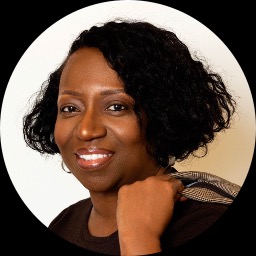
Gina McKinney-Thompson, LCSW
New York
Licensed Clinical Social Worker - mood and trauma
Continue with GinaCredentials check
- Credentials
- LCSW
- Licensed in New York
- LCSW, licence 075785
- NPI
- 1710264775
- Experience
- 30 years
- Languages
- English
- Location
- New York
These details come from information Gina supplied to BetterHelp. A licence can be checked with the social work board of the state that issued it, and an NPI with the national registry.
AAbout
- Stress and anxiety
- Trauma and abuse
- Depression and bipolar
About Gina
Gina McKinney-Thompson is a Licensed Clinical Social Worker (LCSW) licensed in New York with 30 years of professional experience. She helps people who are dealing with stress, anxiety, trauma and abuse, bipolar disorder, depression, and other major life changes. Sessions focus on practical ways to manage symptoms and daily pressures.
Her approach mixes several evidence-informed methods. She uses Acceptance and Commitment Therapy and Cognitive Behavioral Therapy to address thoughts and behaviors. She also draws on Attachment-Based and Client-Centered techniques to improve relationships and the way people relate to themselves.
Gina works with a broad range of concerns including grief, parenting strain, addictions, career stress, and compassion fatigue. Additional areas she attends to include abandonment, adoption and foster care issues, aging and caregiver stress, body image, codependency, and communication problems. She names these topics up front so people know what she commonly addresses.
In sessions she listens and talks through concrete steps people can try between meetings. Treatment plans are adjusted over time based on what is helping and what is not. The emphasis is on manageable tools that fit into everyday life.
People who contact her should expect a straightforward clinical conversation about current difficulties, goals, and next steps. She offers clear explanations of approaches and helps people decide what to try first. International clients may be accepted, and sessions are conducted in English.
BHow sessions work
How her approaches translate to online sessions
Acceptance and Commitment Therapy (ACT) focuses on noticing thoughts and values and then taking actions that fit those values. It can help with anxiety, depression, and coping with life changes by teaching practical exercises to reduce unhelpful struggle. Cognitive Behavioral Therapy (CBT) looks at how thoughts and behaviors influence mood and teaches skills to change patterns that cause distress. It is often used for anxiety, depression, and stress management. Dialectical Behavior Therapy (DBT) provides concrete skills for regulating intense emotions and improving interpersonal effectiveness; it can be useful when emotions feel overwhelming or relationships are strained.Finding the right approach is part of the process. The therapist will work collaboratively to choose which methods to try first based on the client’s goals, needs, and preferences. That decision can change as work proceeds and new priorities emerge.
Confirm current session options before booking, as formats are not specified here. Online work can make it easier to fit therapy into a busy week, allow shorter check-ins when needed, and reduce travel time. Licensed professionals use these approaches to focus on skills people can practice between sessions and to adapt exercises for a remote setting.
CAreas of focus
Areas of expertise
Primary focus
Also works with
Additional focus areas
Therapeutic approaches
Experience
30+ years
Listed in
New York
Languages
English
DQuestions
Frequently asked questions
What concerns does she help with?
She works with stress, anxiety, trauma and abuse, bipolar disorder, depression, and related problems such as grief, parenting strain, addictions, and career stress.
What is her therapy style like?
She uses practical, conversational sessions that focus on concrete steps and tools. Therapy blends talk with exercises drawn from several clinical approaches.
How much clinical experience does she have?
She has 30 years of professional work experience in social work and clinical practice.
Is she licensed and where does she practice?
She is a Licensed Clinical Social Worker (LCSW) licensed in New York.
Which languages are supported?
Sessions are offered in English.
Does she accept clients from other countries?
International clients are accepted according to the therapist's practice policies.
How are fees and billing handled?
Cost varies with location; sessions use a subscription that can be canceled at any time.
What do I need to do to start?
Select the See online therapy options button, complete a short matching questionnaire, and schedule a first session.
Online talk therapy is not emergency care. If you are in danger, call 911, or call or text 988. More crisis numbers