Licensed clinical social worker recordTexas
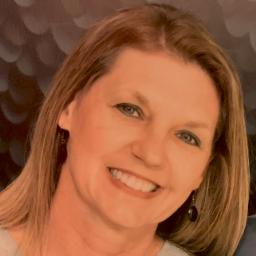
Chrisandra Kovarek, LCSW
Texas
Licensed clinical social worker - stress and relationships
Continue with ChrisandraCredentials check
- Credentials
- LCSW
- Licensed in Texas
- LCSW, licence 38700
- NPI
- 1528694510
- Experience
- 15 years
- Languages
- English
- Location
- Texas
These details come from information Chrisandra supplied to BetterHelp. A licence can be checked with the social work board of the state that issued it, and an NPI with the national registry.
AAbout
- Stress and anxiety
- Cognitive behavioral tools
- Mindfulness methods
About Chrisandra
Chrisandra Kovarek is a licensed clinical social worker (LCSW) licensed in Texas with 15 years of experience. She focuses on common life strains like stress, anxiety, depression, relationship concerns, and motivation and self-esteem struggles. Her work also addresses trauma, addictions, grief, and sleep or eating concerns.
She frames sessions as practical conversations. She listens to what is most pressing and helps people set short-term goals they can try between meetings. She uses approaches that help change unhelpful thoughts and build coping skills rather than offering quick fixes.
Her background includes long-term practice with adults facing life transitions and chronic stress. That experience shows up in straightforward strategies for managing anxiety, improving communication, and addressing patterns that keep people stuck. She also works with issues tied to caregiving, chronic illness, and aging concerns.
In sessions she draws from cognitive behavioral strategies, acceptance-based work, and mindfulness skills to help people notice thoughts and choose actions that match their values. Dialectical behavior ideas are used when emotion regulation or distress tolerance skills are helpful. Motivational interviewing is available for people working through substance use or behavior change.
Her approach is collaborative and focused on practical steps. She asks about daily routines, relationships, and what has or hasn’t helped before. People who want concrete tools and a straightforward plan may find this a useful fit.
BHow sessions work
How therapeutic approaches are used in online sessions
Acceptance and Commitment Therapy (ACT) focuses on clarifying what matters to a person and taking small steps toward those values while accepting difficult thoughts and feelings. It can help with anxiety, low mood, and major life changes. Cognitive Behavioral Therapy (CBT) looks at patterns of thought and behavior and teaches practical exercises to change unhelpful habits that maintain symptoms like worry or low mood. Mindfulness Therapy offers simple practices to increase present-moment awareness and reduce reactivity, which can help with stress and emotion regulation.Choosing the right approach is part of the first few conversations. The therapist works collaboratively with each person to decide which methods fit their goals, current challenges, and what they prefer. Plans are adjusted over time based on how things are going and what works in daily life.
Session formats are not specified in the biography, so confirm current options before booking. Online sessions can make it easier to fit meetings into workdays, handle short check-ins between other commitments, or avoid travel time. The focus remains on practical techniques and weekly steps people can test between sessions to see real-world change.
CAreas of focus
Areas of expertise
Primary focus
Also works with
Additional focus areas
Therapeutic approaches
Experience
15+ years
Listed in
Texas
Languages
English
DQuestions
Frequently asked questions
What concerns does she help with?
She works with stress, anxiety, depression, relationships, grief, addictions, trauma, sleep and eating issues, and a range of related life challenges.
What is her therapeutic style?
She uses practical, goal-focused conversations drawing on cognitive behavioral, acceptance and mindfulness approaches to build skills people can use day to day.
How much experience does she have?
She has 15 years of professional experience working with adults on mood, relationship, and life transition concerns.
Where is she licensed?
She is a licensed clinical social worker (LCSW) in Texas.
Which languages are supported?
Sessions are offered in English.
Can international clients work with her?
She does not accept international clients at this time.
How much do sessions cost?
Cost varies by location and sessions use a subscription model that can be canceled at any time.
How do I begin working together?
Select the See online therapy options button, complete the short matching questionnaire, and schedule a first session.
Online talk therapy is not emergency care. If you are in danger, call 911, or call or text 988. More crisis numbers