Licensed clinical social worker recordNew Jersey
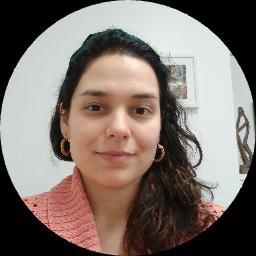
Rachel Khan-McCroy, LCSW
New Jersey
Licensed Clinical Social Worker - Trauma and Grief
Continue with RachelCredentials check
- Credentials
- LCSW
- Licensed in New York
- LCSW, licence 085913
- Licensed in New Jersey
- LCSW, licence 44SC05906600
- NPI
- 1871138792
- Experience
- 11 years
- Languages
- English
- Location
- New Jersey
These details come from information Rachel supplied to BetterHelp. A licence can be checked with the social work board of the state that issued it, and an NPI with the national registry.
AAbout
- CBT techniques
- DBT skills
- Mindfulness practice
About Rachel
Rachel Khan-McCroy is a Licensed Clinical Social Worker (LCSW) licensed in New Jersey and New York with 11 years of clinical experience. She works with people facing trauma and abuse, grief, low self-esteem, depression, and major life changes. Sessions focus on practical coping skills and clear goals rather than long explanations.
She uses client-centered methods to follow what matters most to each person. Cognitive Behavioral Therapy (CBT) helps identify unhelpful thoughts and change behaviors. Dialectical Behavior Therapy (DBT) skills are used for emotional regulation and distress tolerance when feelings feel overwhelming.
Her background includes work with people affected by incarceration, HIV/AIDS, substance use, palliative or end-of-life care, and veterans. She has supported people with PTSD, complex grief, bipolar disorder, postpartum mood concerns, disordered eating, and addiction. That range informs how she responds to complicated situations.
In sessions she emphasizes collaboration and reflection. She helps clients notice strengths and build small, practical coping strategies. Homework can include journaling, skills practice, or brief behavior experiments to test what helps.
Her style is straightforward and focused on day-to-day life. She will work with clients to set measurable goals and check progress each week. English is the language used in sessions, and she accepts international clients.
BHow sessions work
Therapeutic approaches and how online sessions can help
Client-Centered Therapy focuses on the person’s own goals and perspective. The therapist listens, reflects what she hears, and helps clients decide what matters most. This approach supports people who need a steady, respectful collaborator while they sort things out. Cognitive Behavioral Therapy (CBT) looks at the links between thoughts, feelings, and actions. It breaks problems into concrete parts and uses small experiments or exercises to shift unhelpful patterns. CBT is commonly used for depression, anxiety, and behavior changes. Dialectical Behavior Therapy (DBT) offers specific skills for emotion regulation, distress tolerance, and better communication. These tools can be useful when emotions feel intense or when coping strategies are limited. Finding the right approach is part of the work. The therapist will discuss options and decide together which methods match the client’s goals and preferences. That collaborative choice can change over time as needs evolve. Confirm the session formats before booking since the biography does not list specific delivery methods. Online sessions can make it easier to fit therapy into a busy life, reduce travel time, and allow shorter check-ins when schedules are tight. Talk through scheduling, practical concerns, and how to use homework or skills practice between sessions to get the most from remote work.CAreas of focus
Areas of expertise
Additional focus areas
Therapeutic approaches
Experience
11+ years
Listed in
New York, New Jersey
Languages
English
DQuestions
Frequently asked questions
What concerns does she address?
Rachel focuses on trauma and abuse, grief, self-esteem, depression, and coping with life changes. She also works with related issues like attachment, caregiver stress, chronic illness, and eating-related concerns.
How would she describe her therapeutic style?
She uses a client-centered approach and draws on CBT and DBT tools. Sessions emphasize practical skills, reflection, and measurable goals.
How much clinical experience does she have?
She has 11 years of professional experience working in social work and clinical settings. That experience includes work with people affected by incarceration, HIV/AIDS, substance use, and palliative care.
What are her credentials and where is she licensed?
She is a Licensed Clinical Social Worker, listed as LCSW, licensed in New Jersey and New York.
Are sessions offered in other languages?
Sessions are offered in English.
Does she work with international clients?
She accepts international clients. Confirm practical details and scheduling across time zones before booking.
How are sessions paid for and what does cost look like?
Cost varies with location and sessions are provided through a subscription model that can be canceled at any time. Exact pricing depends on the chosen plan and locale.
What are the steps to begin working together?
To start, use the See online therapy options button, complete a short matching questionnaire, and schedule a first session. That process connects you and sets up the initial appointment.
Online talk therapy is not emergency care. If you are in danger, call 911, or call or text 988. More crisis numbers