Licensed clinical social worker recordCalifornia
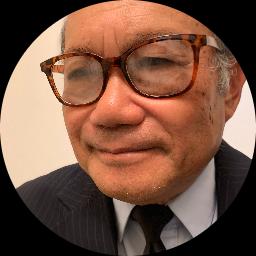
Eugene Yamamoto, LCSW
California
Licensed clinical social worker - Stress and anxiety support
Continue with EugeneCredentials check
- Credentials
- LCSW
- Licensed in California
- LCSW, licence 65018
- NPI
- 1801398680
- Experience
- 30 years
- Languages
- English
- Location
- California
These details come from information Eugene supplied to BetterHelp. A licence can be checked with the social work board of the state that issued it, and an NPI with the national registry.
AAbout
- CBT strategies
- ACT values work
- Client-centered focus
About Eugene
Eugene Yamamoto is a licensed clinical social worker (LCSW) in California with 30 years of experience. He focuses on stress, anxiety, self-esteem, depression, and helping people cope with major life changes. Eugene also offers coaching-style work to support practical goal-setting and everyday problems.
He works in a straightforward, person-centered way. Sessions focus on what a person wants to change and on small, doable steps. He uses techniques from cognitive behavioral therapy to spot unhelpful thinking and from acceptance and commitment therapy to clarify values and next moves.
Attachment-based ideas are used to look at how past relationships shape current patterns. Dialectical behavior therapy skills are introduced when emotions feel overwhelming or communication breaks down. Eugene talks through strategies for managing stress, improving self-esteem, and getting through transitions.
Clients often leave sessions with clear actions to try between meetings. He pays attention to practical concerns like balancing work and family stress, and to how physical health or caregiving duties affect mood. Sessions are framed around the client’s goals rather than labels.
People considering work with Eugene are encouraged to think about specific changes they want to make. He helps break large problems into smaller steps and adjusts methods as progress is reviewed. The focus is on useful tools for daily life and steady, realistic progress.
BHow sessions work
Therapeutic approaches and online care
Acceptance and Commitment Therapy (ACT) helps people clarify what matters to them and take manageable actions in line with those values. It’s used for anxiety, low motivation, and coping with life changes. Cognitive Behavioral Therapy (CBT) focuses on spotting and changing unhelpful thoughts and routines, which can reduce anxiety and depressive patterns. Attachment-Based Therapy looks at how early relationships shape current reactions and communication, and it can help with trust, abandonment feelings, and attachment issues.Finding the right approach is part of the work. Eugene will help figure out which methods fit a person’s goals and preferences. He treats therapy as a collaboration - methods are adjusted as progress and needs become clearer.
Session formats are not listed in the biography, so confirm current options before booking. Online work can make it easier to fit sessions into busy schedules, allow shorter check-ins when time is limited, and avoid travel on workdays. It also makes it practical to continue therapy across moves or when living abroad. Discussing preferred session length, pacing, and how to use between-session assignments is part of the first scheduling steps.
CAreas of focus
Areas of expertise
Primary focus
Additional focus areas
Therapeutic approaches
Experience
30+ years
Listed in
California
Languages
English
DQuestions
Frequently asked questions
What concerns does he help with?
He helps with stress, anxiety, low self-esteem, depression, and coping with life changes. Coaching for motivation and practical goals is also part of his work.
What is his therapeutic style?
He practices in a client-centered way and uses practical techniques from CBT, ACT, DBT, and attachment-based work. Sessions focus on clear steps and problem-solving.
How much experience does he have?
He has 30 years of professional experience as a clinician. That background informs his focus on everyday stresses and life transitions.
Where is he licensed?
He is a licensed clinical social worker - LCSW - licensed in California.
Does he offer therapy in other languages?
Sessions are offered in English.
Can people outside the U.S. work with him?
International clients are accepted. Confirm any time zone or licensing questions before scheduling.
How does payment and cost work?
Cost varies with location and services. Sessions use a subscription that can be canceled at any time.
How do I begin scheduling a session?
Select the See online therapy options button, complete a short matching questionnaire, and schedule a first session. That starts the intake and scheduling process.
Online talk therapy is not emergency care. If you are in danger, call 911, or call or text 988. More crisis numbers