Licensed clinical social worker recordFlorida
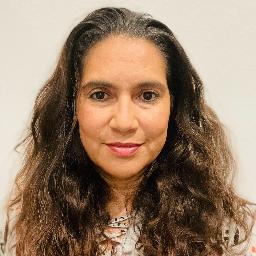
Diana Perez-Curry, LCSW
Florida
Licensed clinical social worker - trauma and relationships
Continue with DianaCredentials check
- Credentials
- LCSW
- Licensed in Florida
- LCSW, licence SW17811
- NPI
- 1093192957
- Experience
- 8 years
- Languages
- English, Spanish
- Location
- Florida
These details come from information Diana supplied to BetterHelp. A licence can be checked with the social work board of the state that issued it, and an NPI with the national registry.
AAbout
- Trauma and abuse
- Parenting support
- CBT and DBT informed
About Diana
Diana Perez-Curry is a Licensed Clinical Social Worker (LCSW) licensed in Florida with eight years of experience. She speaks English and Spanish and helps people coping with anxiety, depression, parenting stress, relationship worries, and trauma and abuse concerns.
She uses straightforward, practical talk therapy. Sessions often focus on identifying unhelpful thoughts and behaviors, building skills to manage emotions, and working on relationship patterns. Diana draws on cognitive behavioral strategies to challenge thinking, dialectical behavior tools for emotion regulation, and client-centered techniques to stay focused on each person's goals.
Her background includes work in social service settings where she supported people facing domestic violence, trauma, and neglect. That experience shaped a focus on safety planning, managing stress, and coping with past hurts. She also helps with issues related to adoption, attachment, and blended family dynamics.
Diana integrates Acceptance and Commitment Therapy ideas to clarify values and commit to small changes. She uses solution-focused steps for short-term goals and emotionally focused ideas when relationship patterns and intimacy issues are central. Sessions balance talking, practicing skills, and setting practical homework when appropriate.
She works with people on a range of concerns including eating and food-related issues, anger, self-esteem, ADHD-related challenges, and life transitions. People who prefer a bilingual therapist and want concrete skills alongside reflective conversation may find her approach useful.
BHow sessions work
How therapeutic approaches guide online work
Acceptance and Commitment Therapy (ACT) helps people clarify what matters to them and take small actions consistent with those values. It is useful for anxiety, low motivation, and coping with life changes. Cognitive Behavioral Therapy (CBT) focuses on the links between thoughts, feelings, and behavior and offers concrete exercises to change patterns that feed depression or worry. Dialectical Behavior Therapy (DBT) adds skills for managing intense emotions and improving interpersonal effectiveness, which can help with anger or mood instability.Finding the right mix of approaches is part of the work. The therapist will collaborate with clients to identify goals, try techniques, and adjust methods when something does not fit. This makes sessions responsive to what actually helps in day-to-day life.
Confirm current session options before booking, since formats are not listed here. Online work can make it easier to fit sessions into a busy schedule, avoid travel time, and use shorter check-ins when needed. Some people prefer video for face-to-face conversation while others choose audio for lower bandwidth or brief phone-style sessions. Discuss practical needs and preferences during the first meeting so sessions can be arranged to fit regular routines.
CAreas of focus
Areas of expertise
Primary focus
Also works with
Additional focus areas
Therapeutic approaches
Experience
8+ years
Listed in
Florida
Languages
English, Spanish
DQuestions
Frequently asked questions
What kinds of problems does she help with?
Diana works with concerns such as trauma and abuse, depression, anxiety, parenting stress, relationship and intimacy issues, eating and anger problems, self-esteem, ADHD, and life changes.
What is her therapy style like?
She combines practical skill building and reflective talk. Techniques include cognitive behavioral approaches, dialectical behavior strategies, client-centered listening, and solution-focused steps.
How much experience does she have?
She lists eight years of experience as an LCSW working in social work settings and supporting people with trauma, domestic violence, and related issues.
Where is she licensed and practicing?
She is a Licensed Clinical Social Worker (LCSW) licensed in Florida.
Which languages are offered during sessions?
Sessions are offered in English and Spanish.
Can international clients work with her?
She accepts international clients; check time zones and local regulations before scheduling.
How are session costs handled?
Cost varies with location and sessions use a subscription that can be canceled at any time.
What are the first steps to begin?
Select the See online therapy options button, complete the short matching questionnaire, and schedule a first session.
Online talk therapy is not emergency care. If you are in danger, call 911, or call or text 988. More crisis numbers