Licensed clinical social worker recordUtah
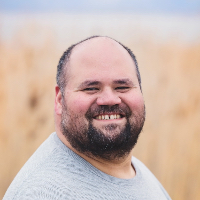
Charlie Johnson, LCSW
Utah
Licensed Clinical Social Worker - Trauma and Addictions
Continue with CharlieCredentials check
- Credentials
- LCSW
- Licensed in Utah
- LCSW, licence 5011958-3501
- NPI
- 1972896702
- Experience
- 11 years
- Languages
- English
- Location
- Utah
These details come from information Charlie supplied to BetterHelp. A licence can be checked with the social work board of the state that issued it, and an NPI with the national registry.
AAbout
- Trauma-informed care
- Substance use focus
- Skills and coping
About Charlie
Charlie Johnson is a Licensed Clinical Social Worker (LCSW) licensed in Utah with 11 years of practice. He works with adults, children, and adolescents on concerns such as trauma, substance use, mood and anxiety disorders, ADHD, and related behavioral health issues.
He draws on a background in public-sector social work. That includes work with Drug Court, Juvenile Courts, and Juvenile Justice Services. Those roles shaped his approach to practical problem solving and coordination with community supports.
In sessions he uses clear, down-to-earth language and evidence-informed methods. He combines techniques from cognitive behavioral therapy and dialectical behavior therapy to address thought patterns and coping skills. He also uses acceptance and commitment therapy to help people clarify values and manage difficult feelings.
Charlie has a Bachelor of Science in Psychology with a minor in Criminal Justice from Weber State University. He earned a Master of Social Work in Forensic Social Work from the University of Utah. He lists his credential as LCSW and practices in Utah.
Parents and adults often turn to him for work on behavior challenges, substance concerns, and school or court-related stress. He also supports people dealing with grief, relationship strain, career stress, and caregiving burden. He focuses on practical steps people can use between sessions.
When someone reaches out, the first session typically reviews current struggles, immediate safety, and realistic goals. Follow-up sessions emphasize skills practice, problem solving, and coordinating supports when needed.
BHow sessions work
How therapeutic approaches shape online work
Acceptance and Commitment Therapy (ACT) focuses on clarifying values and taking action that aligns with those values while learning to live with difficult thoughts and feelings. It can help with anxiety, depression, and coping with life changes. Cognitive Behavioral Therapy (CBT) looks at the link between thoughts, feelings, and behaviors and teaches concrete exercises to change unhelpful patterns; it is often used for anxiety, mood symptoms, and some types of addiction. Dialectical Behavior Therapy (DBT) emphasizes emotion regulation, distress tolerance, and better interpersonal skills and can help with intense emotions and relationship strain.Finding the right approach is part of the work. The therapist will collaborate with the client to identify which methods fit their goals and daily life. That process may include trying techniques from different approaches and adjusting based on what helps most.
Confirm current session options before booking, as specific formats are not listed here. Online sessions can make it easier to fit therapy into workdays, school schedules, or caregiving routines. They also let clients use shorter check-ins, avoid travel time, and choose whether to be on camera depending on what feels most practical for them. Licensed professionals can coordinate with community supports and offer worksheets and between-session tasks to keep progress moving.
CAreas of focus
Areas of expertise
Primary focus
Also works with
Additional focus areas
Therapeutic approaches
Experience
11+ years
Listed in
Utah
Languages
English
DQuestions
Frequently asked questions
What types of concerns does this LCSW address?
Charlie works with trauma, substance use, mood and anxiety disorders, ADHD, grief, relationship and parenting challenges, and related behavioral health issues.
How would you describe his therapeutic style?
He uses practical, evidence-informed methods including CBT, DBT, and ACT to teach skills and change unhelpful patterns.
How much clinical experience does he have?
He has 11 years of experience, including public-sector roles with Drug Court and Juvenile Justice Services.
Is he a licensed clinician and where is he licensed?
He is a Licensed Clinical Social Worker - LCSW - licensed in Utah.
Are sessions offered in other languages?
Sessions are offered in English.
Can people outside the United States work with him?
He does not accept international clients at this time.
How are costs and billing handled?
Cost varies with location; sessions use a subscription that can be canceled at any time.
What are the steps to start working with him?
Select the See online therapy options button, complete a short matching questionnaire, and schedule a first session.
Online talk therapy is not emergency care. If you are in danger, call 911, or call or text 988. More crisis numbers