Licensed clinical social worker recordVirginia
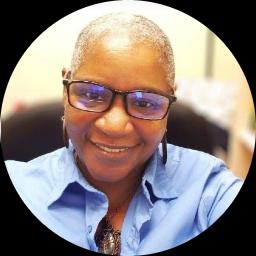
Carol Siggers Snow, LCSW
Virginia
Licensed Clinical Social Worker - Relationships and Mood
Continue with CarolCredentials check
- Credentials
- LCSW
- Licensed in Virginia
- LCSW, licence 0904015325
- NPI
- 1871176479
- Experience
- 4 years
- Languages
- English
- Location
- Virginia
These details come from information Carol supplied to BetterHelp. A licence can be checked with the social work board of the state that issued it, and an NPI with the national registry.
AAbout
About Carol
Carol Siggers Snow is a Licensed Clinical Social Worker (LCSW) licensed in Virginia with four years of practice. She works with people dealing with stress, anxiety, depression, trauma and relationship concerns. Carol also addresses parenting strain, intimacy issues, anger, self-esteem struggles, career worries, and coping with life changes.
She uses straightforward, conversational sessions to talk through what is happening now and what needs to change. Carol draws on approaches such as acceptance and commitment work, cognitive behavioral tools, and emotionally focused methods to help people notice patterns and try small, practical shifts. Sessions focus on skills you can use between meetings and on clearer communication with others.
Her background includes hands-on clinical work in Virginia and practice with a range of life-stage challenges such as aging and caregiver stress, blended family issues, family-of-origin problems, and recovery from abuse or domestic violence. She also supports people dealing with mood disorders including bipolar and disruptive mood challenges.
Carol pays attention to how relationships and past attachments shape everyday choices. She helps people sort through commitment and control issues, codependency, abandonment feelings, and the practical parts of separation or divorce. Sessions tend to mix direct problem-solving with time to feel and name painful experiences.
People meet her to get clearer goals, reduce daily overwhelm, and improve how they manage intense emotions. To start, prospective clients complete a short questionnaire and schedule a first session that focuses on priorities and immediate next steps.
BHow sessions work
How her therapeutic approaches translate to online work
Acceptance and Commitment Therapy (ACT) helps people notice difficult thoughts and choose actions that align with what matters to them. It is useful when anxiety, avoidance, or painful memories keep someone stuck. Cognitive Behavioral Therapy (CBT) focuses on spotting unhelpful thoughts and testing them with practical experiments and behavior changes. CBT often helps with depression, anxiety, and managing upsetting moods.Finding the right approach is part of the process. The therapist will work with clients to pick methods that fit their goals, preferences, and day-to-day demands. That collaborative decision can change as work proceeds and as short-term needs shift.
Confirm the current session options before booking because formats are not listed here. Online sessions can make it easier to fit therapy around work, school, caregiving, or medical appointments. They also allow for shorter check-ins when a quick problem-solving conversation is needed, and they remove travel time for those balancing busy schedules. Licensed professionals can help arrange a rhythm of meetings that fits a client’s life while using ACT or CBT techniques in virtual sessions.
CAreas of focus
Areas of expertise
Primary focus
Also works with
Additional focus areas
Therapeutic approaches
Experience
4+ years
Listed in
Virginia
Languages
English
DQuestions
Frequently asked questions
What kinds of concerns does she help with?
She supports stress, anxiety, depression, trauma, relationship and parenting concerns, plus related issues such as anger, self-esteem, and career stress.
How would you describe her therapeutic style?
Sessions are conversational and practical, with skill-building and communication work drawn from evidence-based methods.
How much clinical experience does she have?
She has four years of experience working as a clinician in Virginia.
What are her credentials and where is she licensed?
She is a Licensed Clinical Social Worker, LCSW, licensed in Virginia.
Which languages are supported in sessions?
Sessions are offered in English.
Can people outside the U.S. work with her?
International clients are not currently accepted.
How does payment and cost work?
Cost varies with location and services; sessions are offered through a subscription that can be canceled at any time.
What are the steps to get started?
Select the See online therapy options button, complete a short matching questionnaire, and schedule a first session.
Online talk therapy is not emergency care. If you are in danger, call 911, or call or text 988. More crisis numbers