Licensed clinical social worker recordNorth Carolina
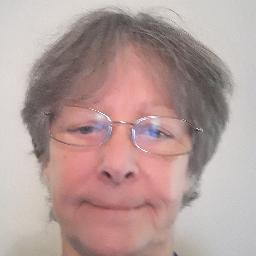
Patricia Greer, LCSW
North Carolina
Licensed Clinical Social Worker - Addiction and Mood
Continue with PatriciaCredentials check
- Credentials
- LCSW
- Licensed in North Carolina
- LCSW, licence C006348
- NPI
- 1083858690
- Experience
- 20 years
- Languages
- English
- Location
- North Carolina
These details come from information Patricia supplied to BetterHelp. A licence can be checked with the social work board of the state that issued it, and an NPI with the national registry.
AAbout
- Stress and anxiety
- Addiction support
- CBT and DBT methods
About Patricia
Patricia Greer is a Licensed Clinical Social Worker (LCSW) licensed in North Carolina with about 20 years of clinical experience. She works with people who are stressed, anxious, grieving, struggling with addiction, or navigating major life changes. Patricia also addresses relationship and family issues, sleep problems, parenting concerns, ADHD, bipolar mood concerns, and related challenges.
Patricia uses straightforward, practical conversations. Sessions focus on concrete skills for managing stress, improving communication, and reducing substance use. She draws on client-centered work to follow a person's priorities, and on cognitive-behavioral strategies to change unhelpful thinking and behavior.
She also uses elements of dialectical behavior therapy, mindfulness, and the Gottman Method when those fit a person's needs. That can look like learning emotion regulation skills, practicing present-moment attention, or working on the way partners handle conflict. The emphasis is on small, usable steps rather than theory-heavy explanations.
Patricia often helps people develop assertiveness and problem-solving skills. She offers practical tools for anger management, coping after loss or trauma, and dealing with family-of-origin issues. Sessions aim to build routines that make day-to-day life more manageable.
Her approach is direct and grounded. People who want clear strategies and active collaboration typically find this style helpful. Patricia provides services in English and practices in North Carolina.
BHow sessions work
How her approaches translate to online work
Client-centered therapy focuses on the person's goals and experience. Online sessions using this approach center on what matters most to the client and let the therapist follow the client's lead while offering practical feedback. Cognitive Behavioral Therapy (CBT) aims to identify unhelpful thoughts and shift behaviors. In an online setting CBT can include practicing new skills during or between visits and reviewing real-life homework together. Dialectical Behavior Therapy (DBT) teaches emotion regulation, distress tolerance, and interpersonal skills. Delivered remotely, DBT techniques can be taught and practiced in-session while the therapist helps plan ways to use them during daily life.Finding the right approach is part of the work. Patricia will collaborate with the person to choose methods that match current needs, goals, and preferences. That means checking in early about which techniques are helpful and adjusting the plan over time.
The biography does not list specific session formats, so confirm current session options before booking. Online sessions can make it easier to fit appointments into busy schedules, allow shorter check-ins when needed, and reduce travel time. Many people find remote visits convenient for using learned skills between sessions and for staying consistent with appointments without rearranging large parts of their day.
CAreas of focus
Areas of expertise
Also works with
Additional focus areas
Therapeutic approaches
Experience
20+ years
Listed in
North Carolina
Languages
English
DQuestions
Frequently asked questions
What concerns does she address?
She works with stress, anxiety, depression, addiction, grief, trauma, relationship and family problems, sleep issues, parenting challenges, ADHD, bipolar concerns, and related areas.
How would you describe her therapy style?
She offers practical, skills-focused sessions using client-centered conversations and cognitive-behavioral techniques, with DBT and mindfulness when helpful.
How much clinical experience does she have?
She has around 20 years of experience working with people on mental health and substance use concerns.
Is she licensed to practice in a US state?
Yes. She is a Licensed Clinical Social Worker (LCSW) licensed in North Carolina.
Which languages are supported in sessions?
Sessions are offered in English.
Does she take international clients?
She does not currently accept international clients.
How are costs handled?
Cost varies by location; sessions use a subscription model that can be canceled at any time.
What are the first steps to begin?
Use the See online therapy options button, complete a short matching questionnaire, and schedule a first session.
Online talk therapy is not emergency care. If you are in danger, call 911, or call or text 988. More crisis numbers