Licensed clinical social worker recordWisconsin
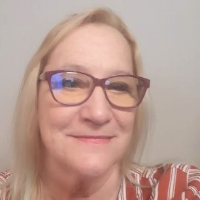
Carole LaFreniere, LCSW, CSW
Wisconsin
Licensed Clinical Social Worker - stress and trauma
Continue with CaroleCredentials check
- Credentials
- LCSW, CSW
- Licensed in Kansas
- LSCSW, licence LSCSW 05454
- Licensed in Colorado
- LCSW, licence CSW.09930309
- Licensed in New Hampshire
- LCSW, licence 3900
- Licensed in Wisconsin
- LCSW, licence 12247-123
- NPI
- 1326667288
- Experience
- 8 years
- Languages
- English
- Location
- Wisconsin
These details come from information Carole supplied to BetterHelp. A licence can be checked with the social work board of the state that issued it, and an NPI with the national registry.
AAbout
- Stress and anxiety
- Trauma and grief
- CBT and ACT
About Carole
Carole LaFreniere is a Licensed Clinical Social Worker (LCSW) licensed in New Hampshire and Colorado with eight years of experience. She works with people facing stress, anxiety, trauma and abuse, depression, grief, addictions, relationship and intimacy issues, parenting concerns, career strain, ADHD, and related challenges. Sessions are presented in plain language and focus on practical steps clients can use in daily life.
Carole draws on several evidence-informed approaches to help people move forward. She uses Acceptance and Commitment Therapy to clarify values and build flexible coping. Cognitive Behavioral Therapy is used to spot unhelpful thinking and try new behaviors. Mindfulness practices are introduced when they fit a person’s needs.
She places a strong emphasis on the working relationship and on collaborating with each person to set realistic goals. That means talking through what matters most, deciding on small experiments, and reviewing what works. Sessions aim to be straightforward and focused on everyday problems.
Background work includes experience with inpatient psychiatric settings and with community-based individual care. That experience informs how she plans care for people with complex histories, including trauma and bereavement. Her training also includes work with grief and integrative approaches to mental health.
Carole schedules evening and weekend appointments to accommodate working adults. She asks new clients to complete a short matching questionnaire before the first session so scheduling and goals can be discussed ahead of time.
BHow sessions work
How Carole’s approaches translate to online work
Acceptance and Commitment Therapy (ACT) helps people clarify what matters to them and take guided actions that reflect those values. Online sessions can use ACT exercises to set short-term goals and practice small behavioral steps between meetings. Cognitive Behavioral Therapy (CBT) focuses on identifying patterns of thinking that lead to distress and testing new behaviors. In a remote session CBT often uses worksheets, behavioral experiments, and review of what changed week to week.Finding the right approach is part of the work together. The therapist will discuss goals, personal preferences, and what has or hasn’t worked before. That conversation guides whether ACT, CBT, or mindfulness methods are emphasized, and the plan can shift as needs evolve.
Confirm the specific session formats before booking so you know how appointments are delivered. Online work can help fit therapy into busy schedules by allowing evening or weekend meetings and reducing travel time. It can also make shorter check-ins easier and let people use techniques at home between sessions. Discuss practical details in the first meeting so sessions fit daily life and the goals you set together.
CAreas of focus
Areas of expertise
Also works with
Additional focus areas
Therapeutic approaches
Experience
8+ years
Listed in
Kansas, Colorado, New Hampshire, Wisconsin
Languages
English
DQuestions
Frequently asked questions
What concerns does Carole work with?
She works with stress, anxiety, depression, trauma and abuse, grief, addictions, relationship and intimacy issues, parenting concerns, ADHD, career problems, and related life changes.
How would you describe her therapeutic style?
She emphasizes a collaborative relationship and practical goal-setting. Sessions focus on clear steps, problem solving, and reviewing what helps in daily life.
How much experience does she have?
Carole has eight years of experience in mental health, including work with inpatient psychiatric patients and individual community care.
What are her credentials and where is she licensed?
She holds the credentials LCSW and CSW and is licensed as an LCSW in New Hampshire and Colorado. She practices from Wisconsin for this directory listing.
Which languages are sessions offered in?
Sessions are offered in English.
Does she work with clients outside the United States?
International clients are not currently accepted.
How are sessions scheduled and what does cost look like?
Cost varies with location and services; sessions use a subscription model that can be canceled at any time. Confirm pricing details during the sign-up process.
What are the first steps to begin working together?
Select the See online therapy options button, complete a short matching questionnaire, and schedule a first session to discuss goals and logistics.
Online talk therapy is not emergency care. If you are in danger, call 911, or call or text 988. More crisis numbers